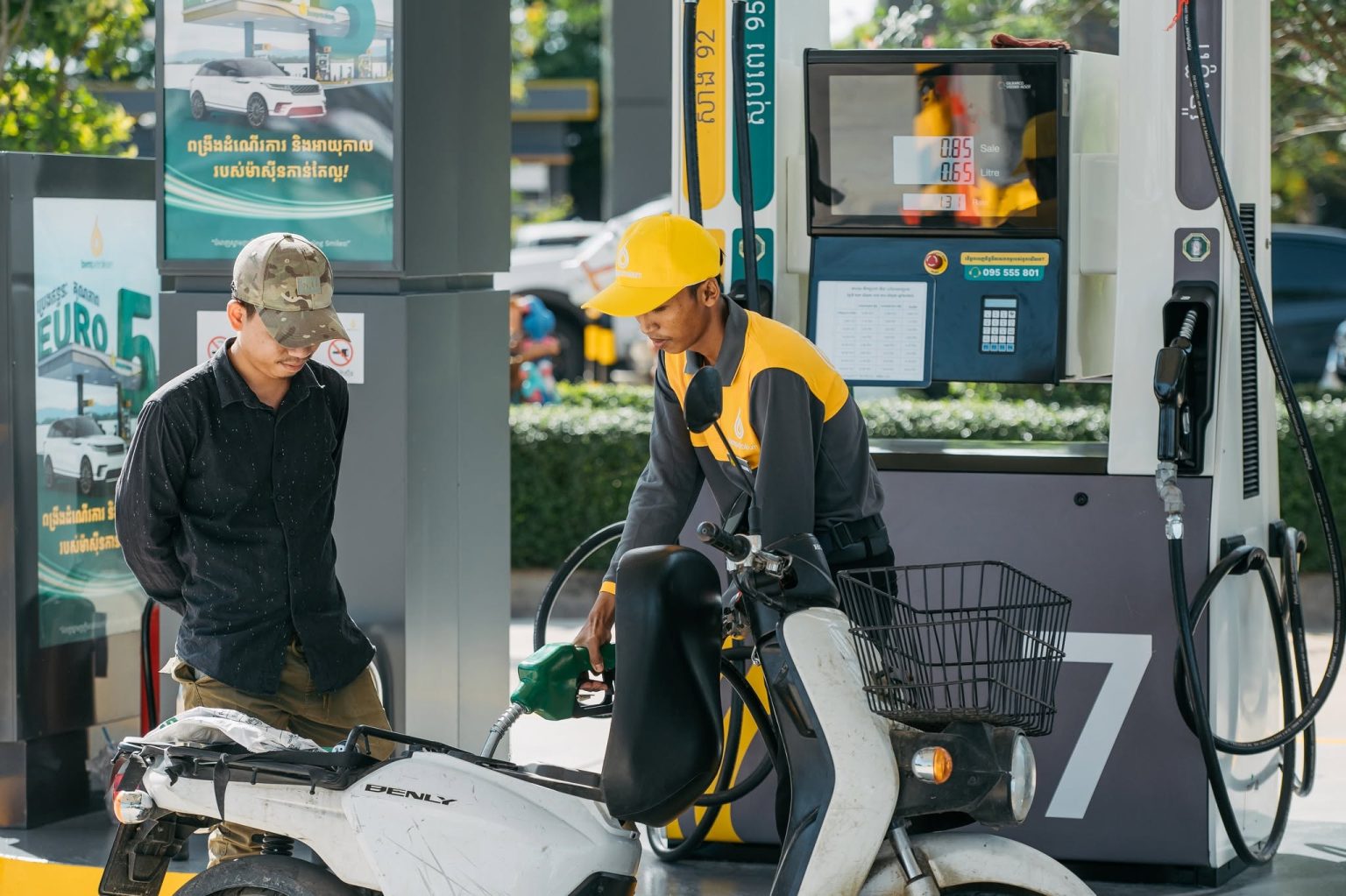
The Cambodian government continues to take measures to ease the impact of rising international energy prices on households and businesses. On November 5, Prime Minister Hun Manet said the government had so far spent more than US$600 million, using fuel subsidies and reductions or exemptions in related taxes and fees to limit domestic fuel price increases as much as possible.
Hun Manet said domestic fuel prices could have risen further without government intervention. Meanwhile, Electricité du Cambodge (EDC) has also absorbed around US$70 million in losses to ease upward pressure on electricity prices and avoid passing all higher costs on to households and businesses.
Cambodia has introduced energy relief measures in stages since March this year, including reductions in petrol and diesel import taxes and fees, adjustments to special taxes and value-added tax on some energy products, and per-litre fuel subsidies to help stabilise market prices.
The government has also introduced a comprehensive intervention plan to address multiple crises, covering livelihood assistance, employment support and energy management.
Energy prices affect travel, goods transport and everyday electricity use. The government said the measures aim to ease pressure from fluctuations in international oil prices and reduce the impact of rising energy costs on ordinary households and businesses.