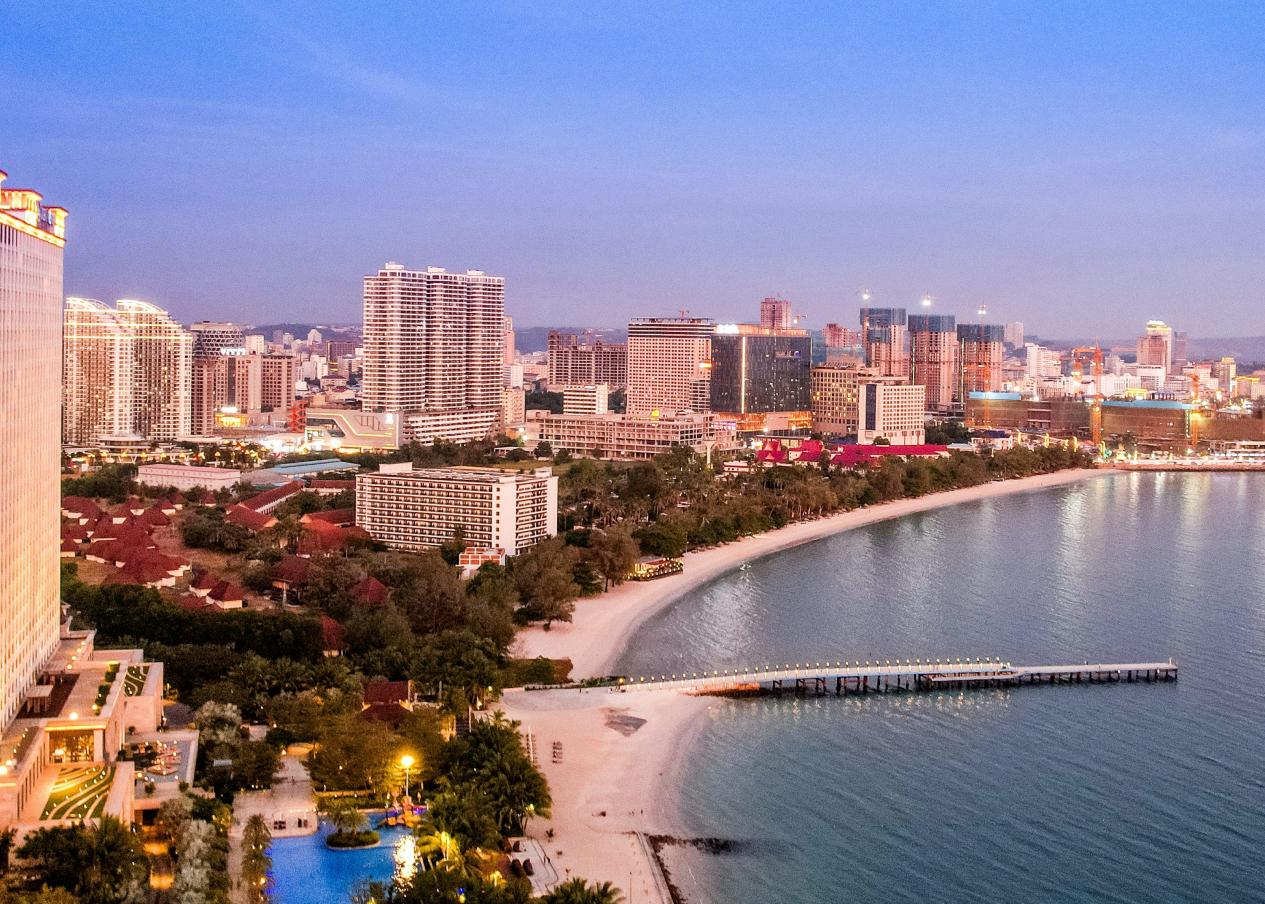
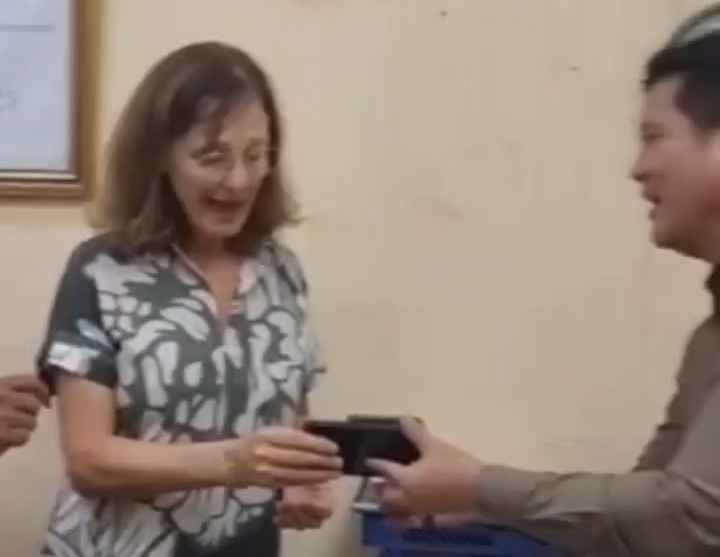
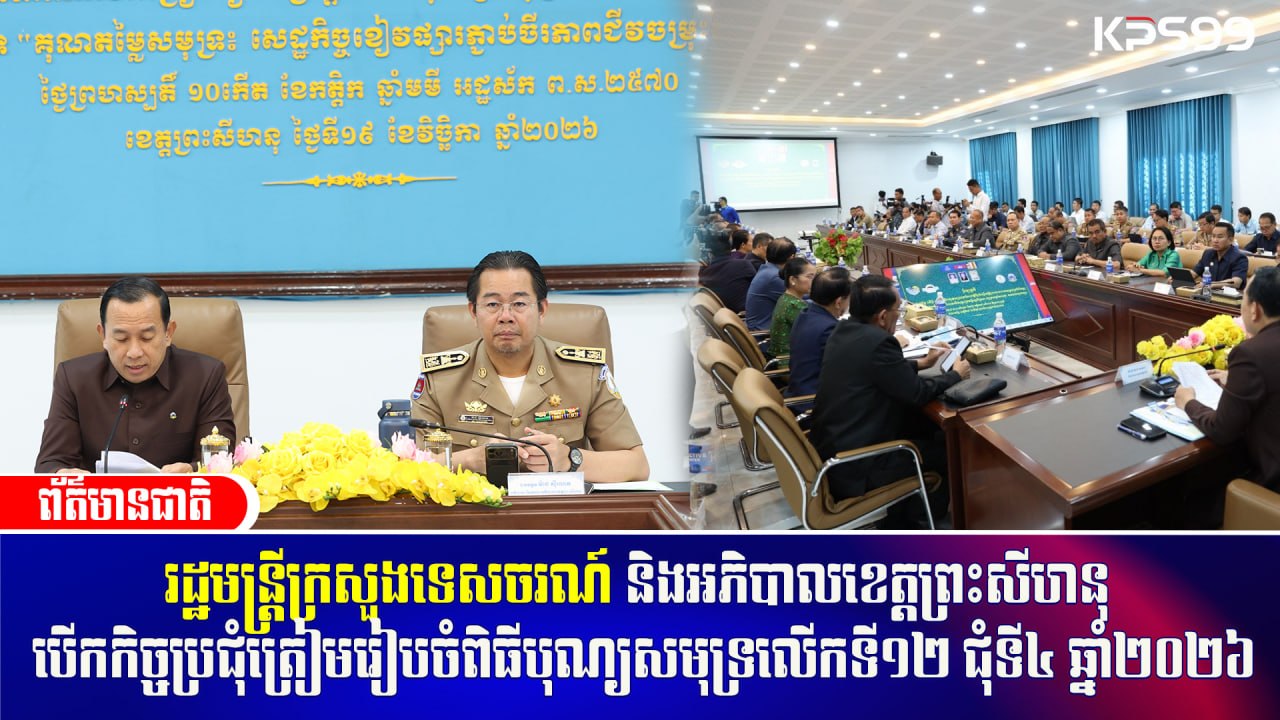
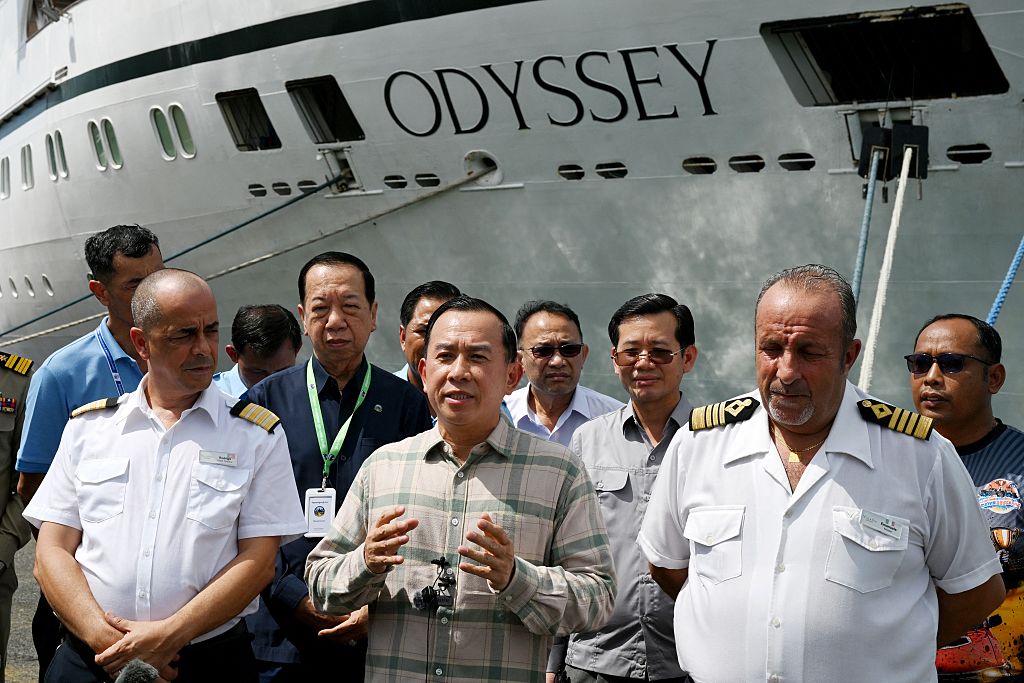
On 29 October 2026, Cambodia's Minister of Tourism Huot Hak boarded the "Odyssey" docked at Sihanoukville. Owing to a business crisis, this cruise ship, originally scheduled for a three-year world voyage, suddenly halted its voyage, and 203 foreign passengers were forced to say farewell to their home on the sea.
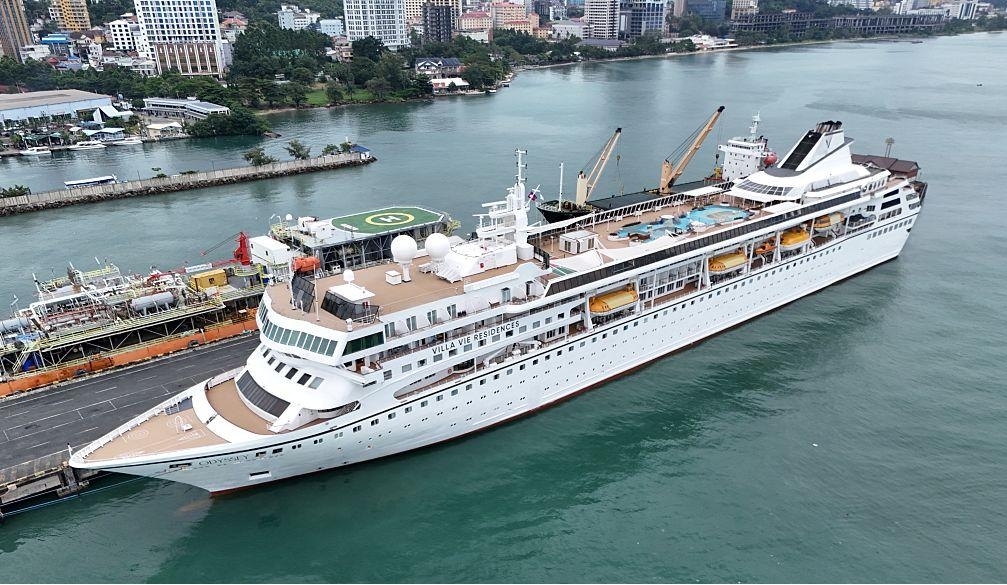
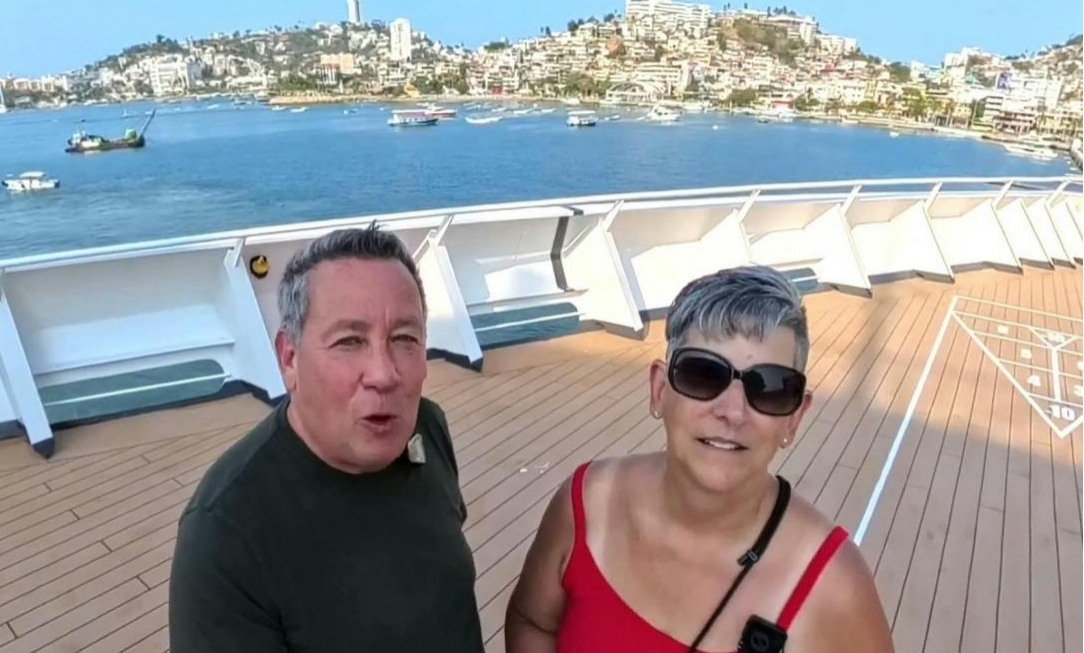
Among them, an American couple, Paul and Lynn, had sold their house and cars and spent US$179,000 to buy a cabin, intending to make the sea their home and spend their later years there. Unexpectedly, only 17 months later, their later-life dream suddenly ran aground in Cambodia.
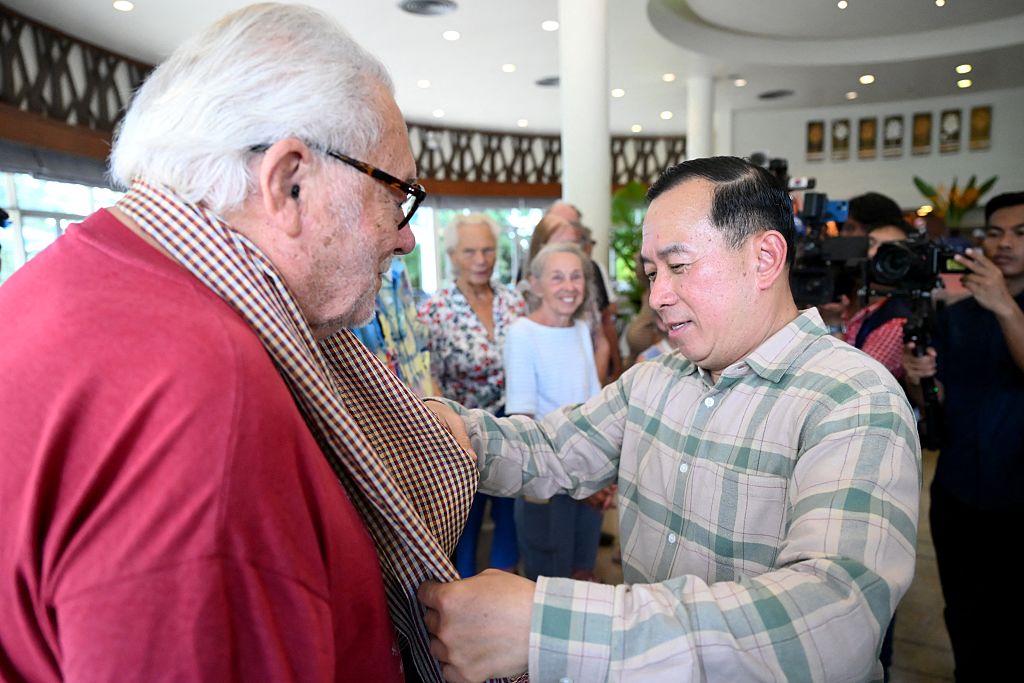
At the moment of greatest disappointment for these travellers far from home, Huot Hak, who boarded the ship to offer condolences, brought them an unexpected warmth.
This scene reminds people of Valentine's Day six years ago.
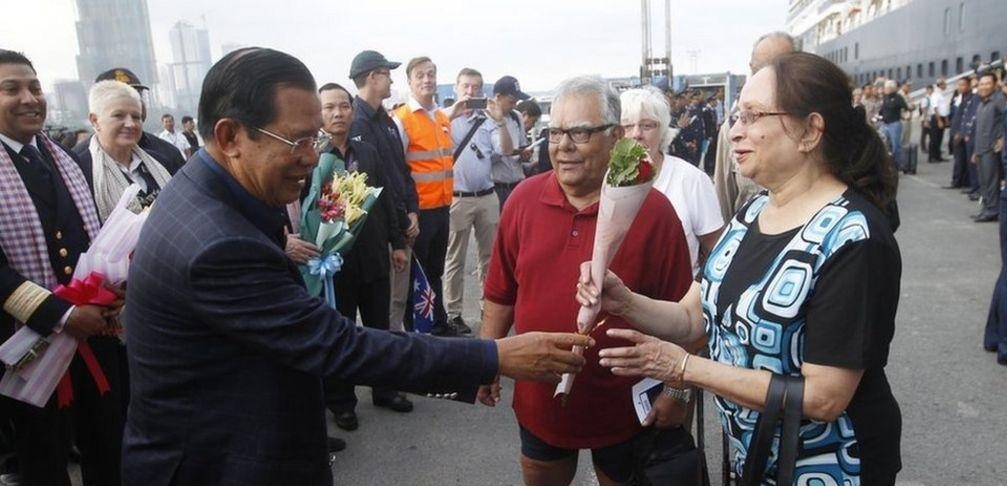
In 2020, the "Westerdam" was refused by several ports over pandemic concerns and was eventually permitted to dock at Sihanoukville. Then-Prime Minister Hun Sen personally welcomed the passengers and presented them with roses.
Six years, two cruise ships. One trapped by a pandemic, the other brought down by a fuel bill.
Different crises, yet in Cambodia they encountered the same goodwill.
A business crisis at an American company unexpectedly became an opportunity for Cambodia to show itself to the world.
Faced with tourists who had suddenly lost their home on the sea, the Cambodian government intervened swiftly. The tourism department, local authorities and port agencies coordinated accommodation, transport and onward itineraries, and also provided free tour-guide services to tourists who wished to continue their travels.
Interestingly, Cambodia did not choose to pay the cruise company's fuel debts, nor did it take on all of the tourists' living expenses.
The government does not take on the company's mess; nor does it shy away from the tourists' urgent needs.
In this crisis, what Cambodia showed was not only hospitality towards guests, but also a sense of proportion in handling international incidents.
What truly deserves attention is what happened after the cruise ship left.
On 4 November, the "Odyssey" sailed out of Sihanoukville, and the original passengers were no longer on board. But about 98 people remained in Cambodia, with some travelling on to Kampot, Kep, Siem Reap and other places to continue their journey.
These people were originally just transit passengers on a global cruise route. One unexpected cancellation gave them the opportunity to truly set foot in Cambodia.
An American company failed to deliver on its promise of a world voyage, while a country long contested on safety grounds in international public opinion offered real help in the crisis.
Some foreign passengers even told Reuters that, compared with the cruise operator, they in fact received more information from the Cambodian government and local staff.
This is where the crisis is most ironic: the company selling dreams lost its credibility, while a country burdened with prejudice had the chance to earn trust.
For Cambodia, this kind of trust is especially precious.
In recent years, scams, cross-border crime and tourism-safety controversies have repeatedly linked this country with negative labels in international news.
But the actions of criminals should not become the sole yardstick for defining an entire country.
Crime should be punished, but a country's reputation should not be hijacked by criminals.
This is not a call for the outside world to ignore real problems. On the contrary, only through continued crackdowns on crime, improvements to the security environment and the spread of real tourist experiences can the national image truly change.
From the "Westerdam" in 2020 to the "Odyssey" in 2026, two different crises have given Cambodia the chance to appear before the world in the same role: as the host that steps in when international cruise ships run into trouble.
And there is also a rather telling latest development to the story.
On 10 November, according to media reports, the "Odyssey", after sailing away from Cambodia, has been seized in Singapore by court order; its business troubles are far from over.
The cruise ship's troubles continue, but Cambodia's reception task has come to a close.
Of course, one cruise ship is not enough to wash away all of Cambodia's negative labels.
The fact that tourists received help does not mean that real safety risks have disappeared.
But the two cruise-ship events, six years apart, have at least left behind a question worth reflection:
Are "cyber scams" really all there is to Cambodia?
Three thousand years ago, Homer's Odysseus went through countless hardships just to find his way home.
Three thousand years later, a cruise ship named "Odyssey" had its world voyage interrupted in Cambodia by a business crisis.
The cruise company failed to take its passengers to the next stop, yet Cambodia made some of them willing to stay for one more stop.
Perhaps this is the most unexpected national advertisement left behind by this crisis.