
On the afternoon of November 16, 2026, Cambodia’s King Norodom Sihamoni, French President Emmanuel Macron and his wife attended a ceremony in Siem Reap province marking the completion of restoration work and the inauguration of West Mebon Temple.
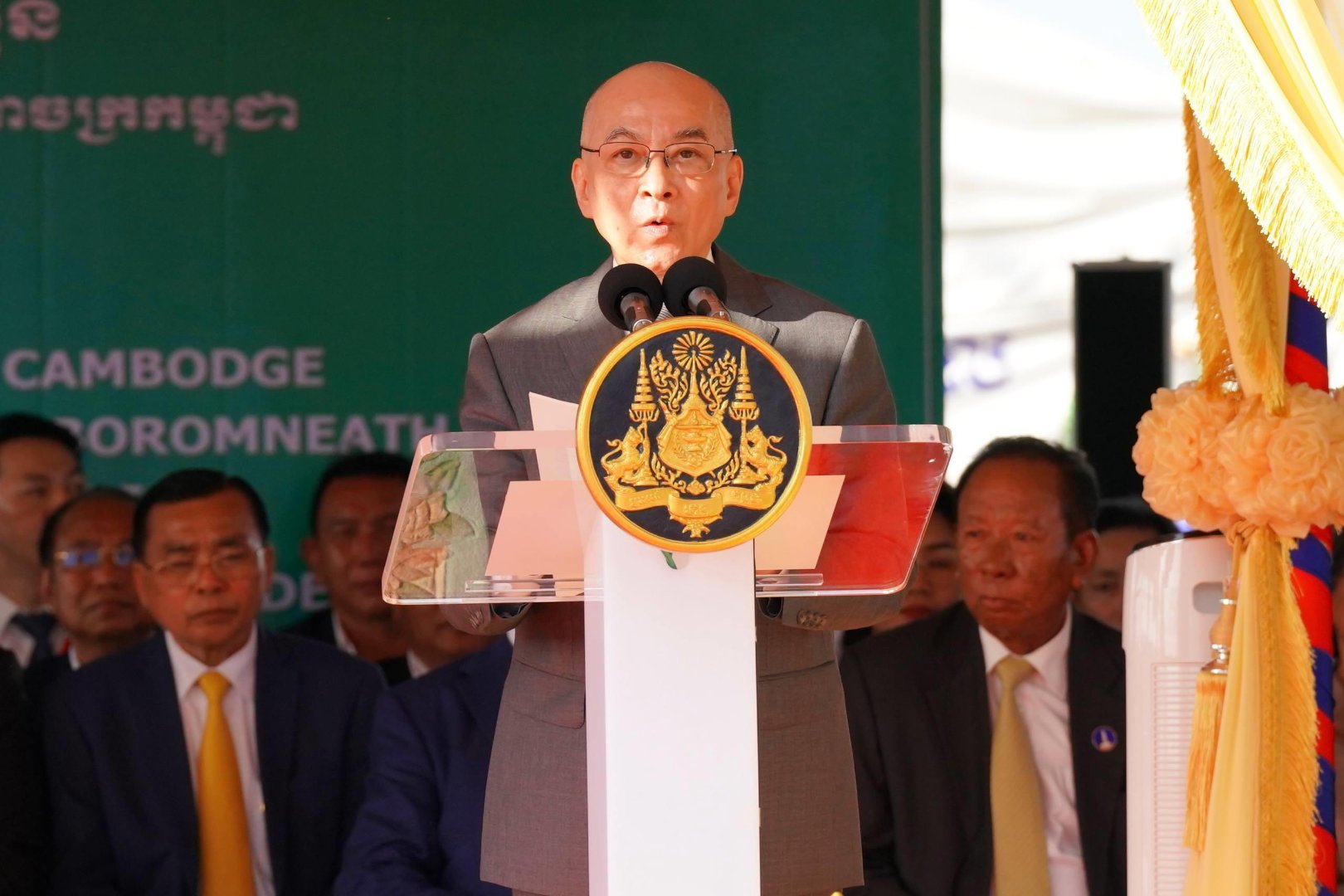
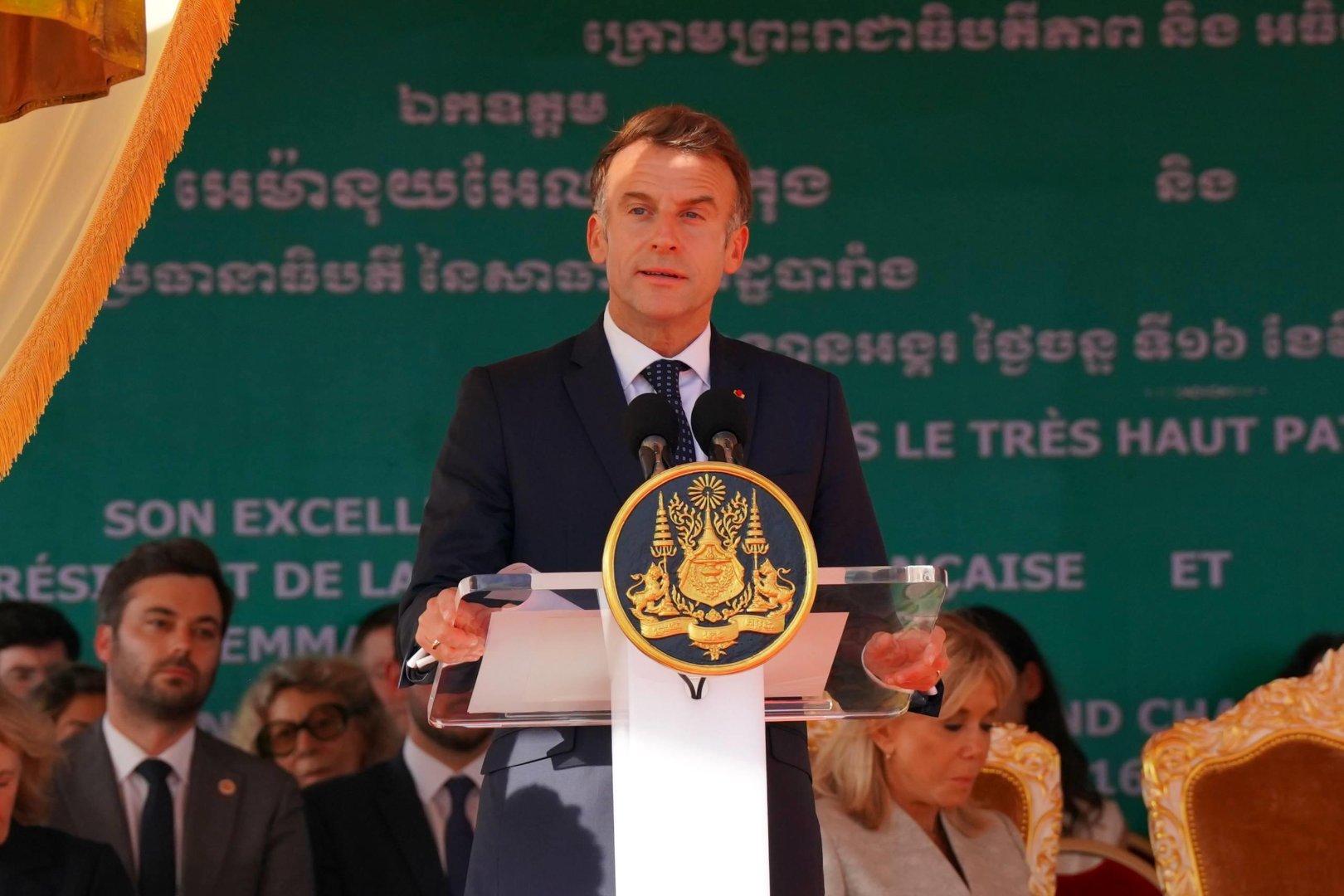
Cambodia and France worked as equal partners on the restoration, completing the project after 14 years at a total cost of US$12 million.
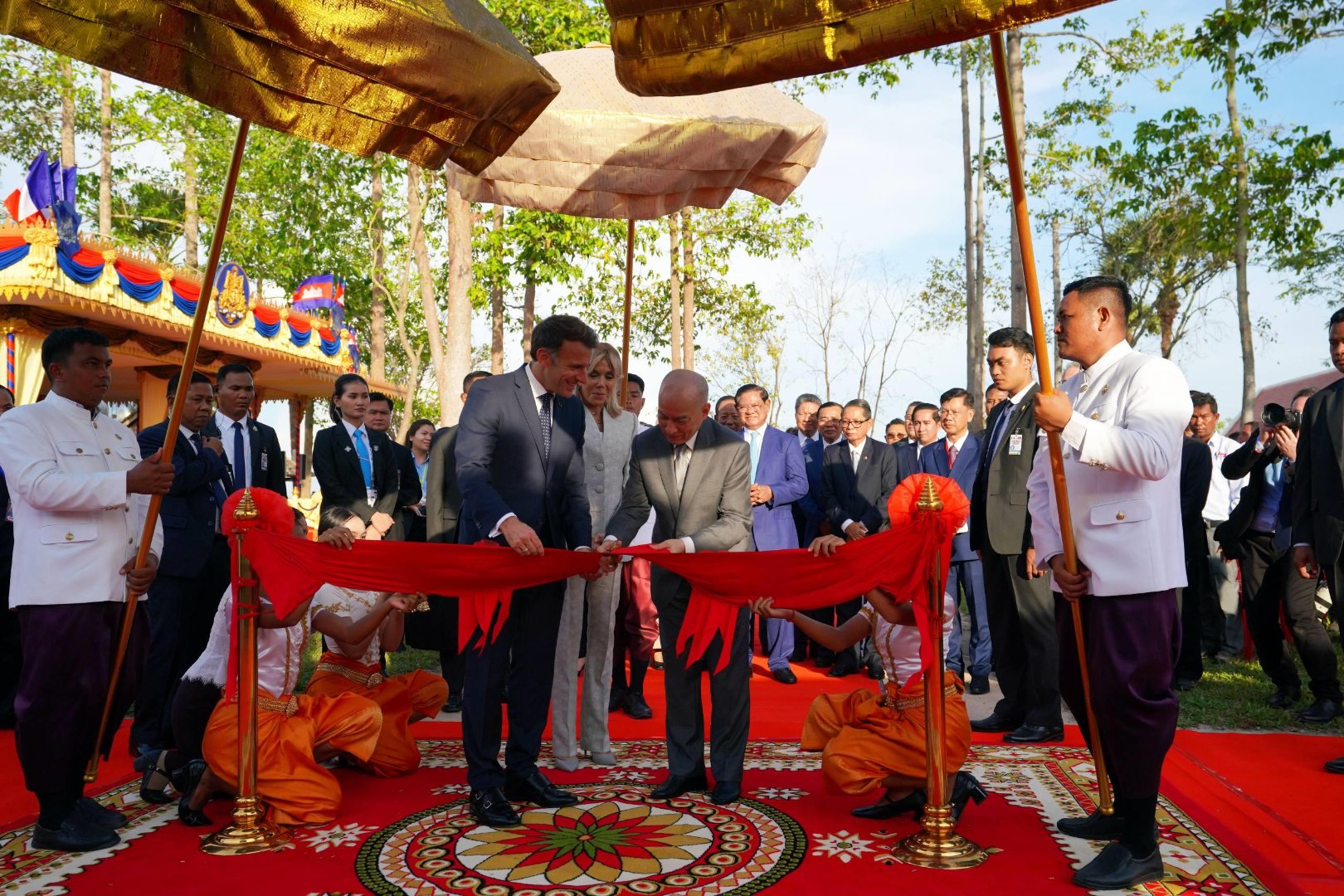
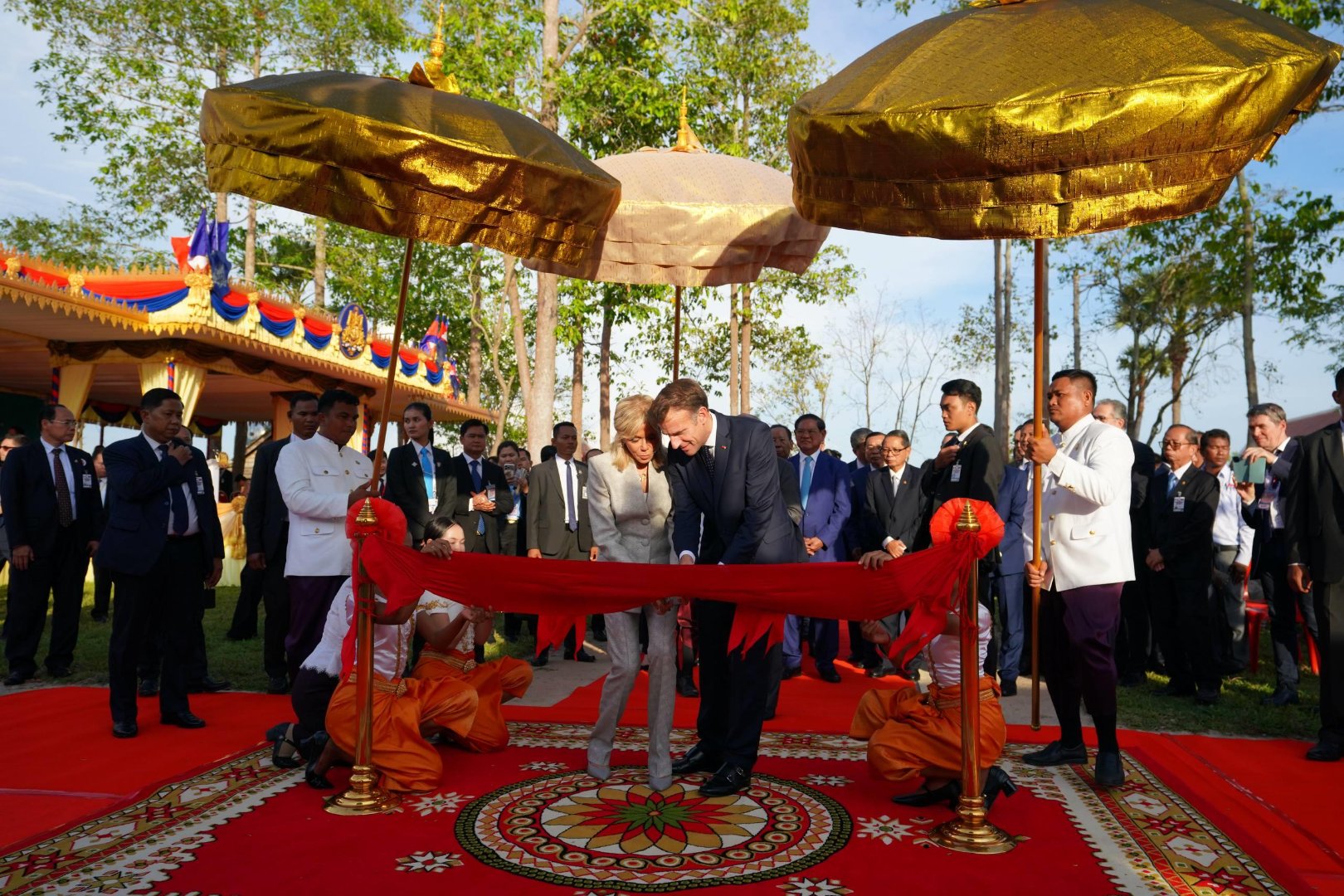
West Mebon Temple was built in the mid-11th century during the reign of King Udayadityavarman II. It stands on an island in the middle of the West Baray, in Banteay Chheu village, Teuk Vil sangkat, Siem Reap city. The West Baray was one of the main reservoirs of the Angkor period. An enclosure with walls about 100 metres long on each side and 16 towers surrounds the temple. One of its most distinctive features was the central pool, where a bronze statue of the reclining Vishnu once stood and could be reached by a causeway. The structures were once badly damaged and at risk of collapse. The restoration has stabilised them and recovered their original appearance.
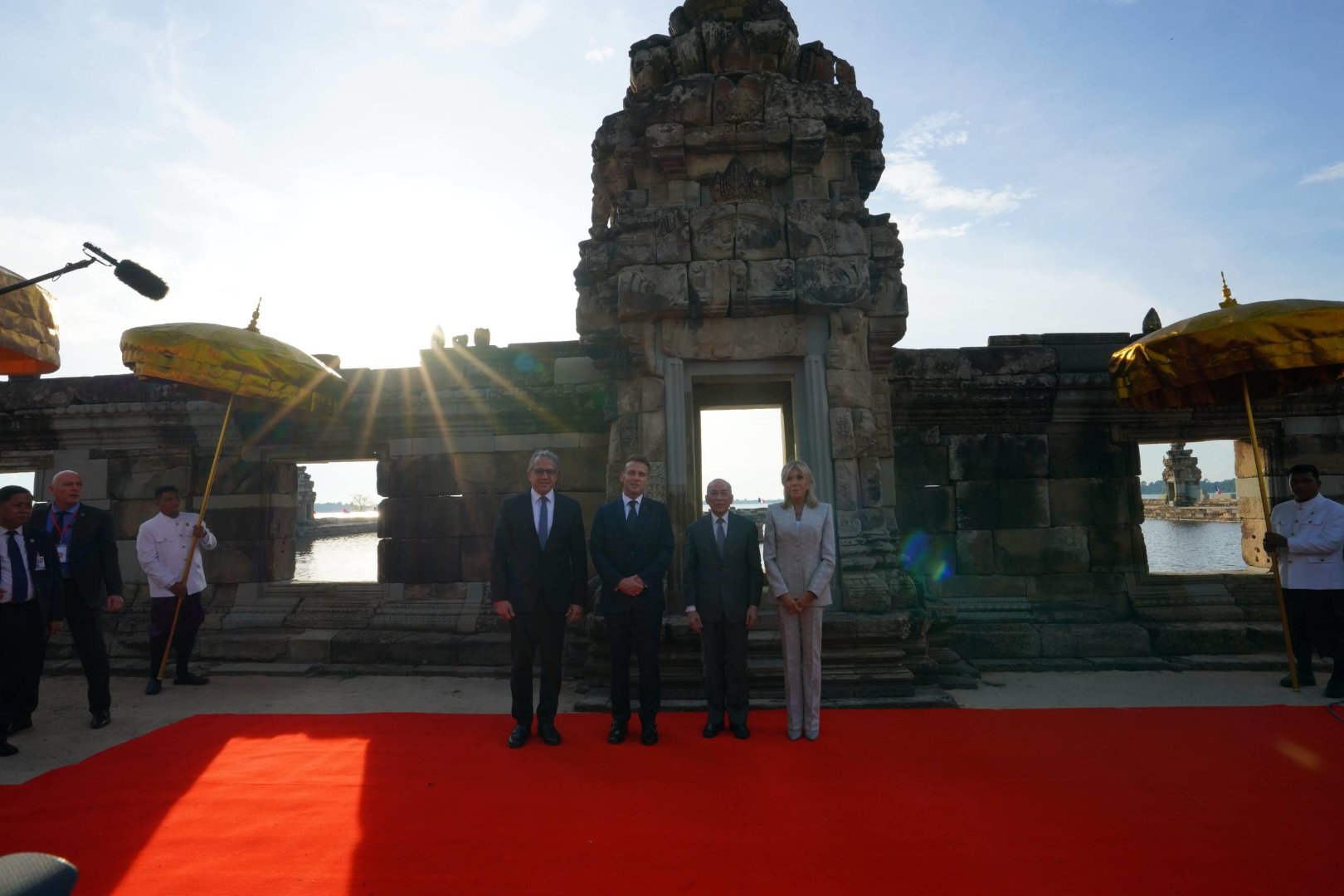
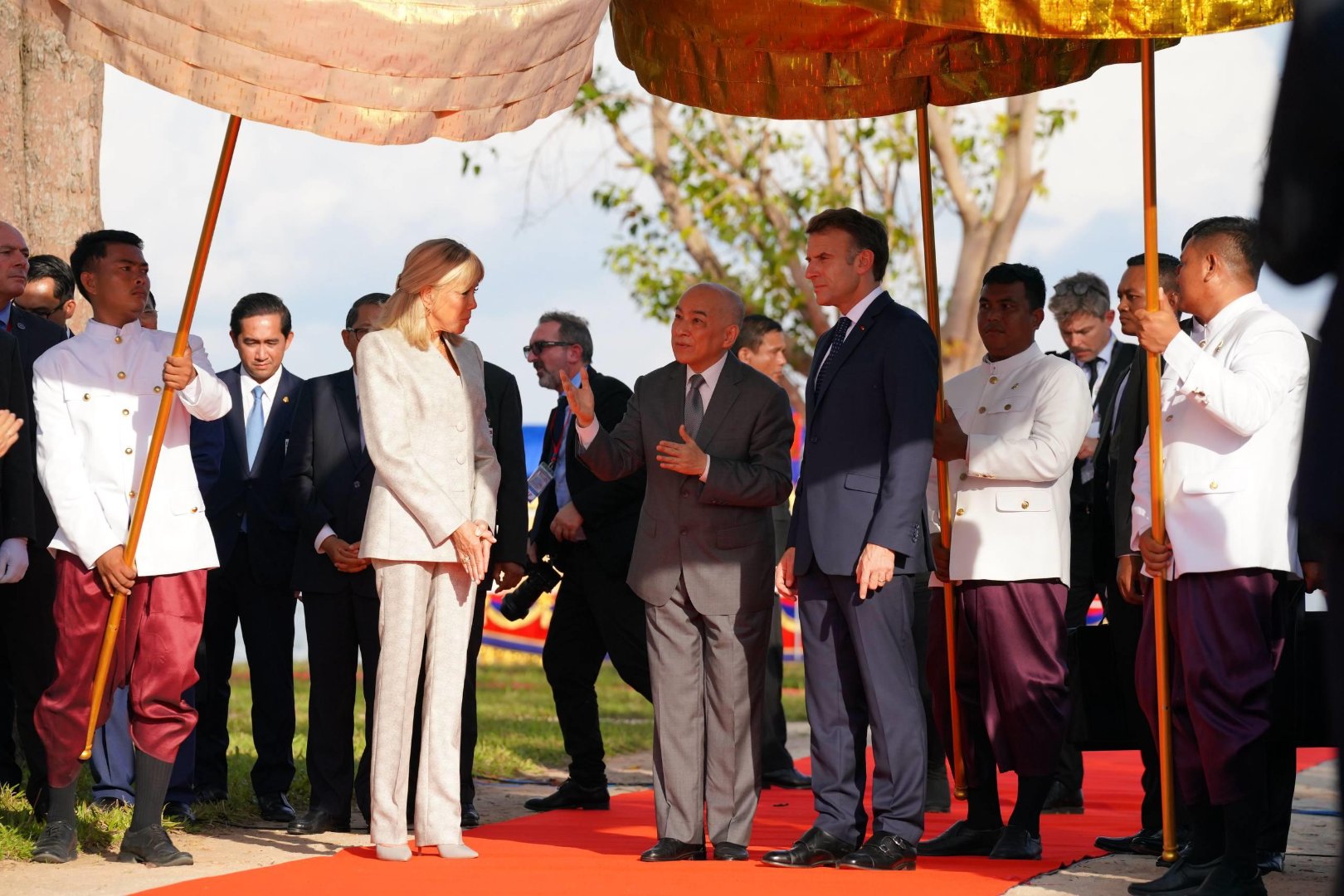
A French team carried out an earlier restoration in 1940. Cambodia and France launched a new, large-scale project in 2012. Over 14 years, the joint team overcame a range of obstacles, studying historical records, finding and refitting displaced stones, transporting heavy machinery and sandstone by boat, and organising and coordinating the work crews. More than 100 workers took part in tasks including carving, chiselling, cutting and reassembling stone as well as transporting materials. Landscaping and visitor walkway teams finished the supporting work.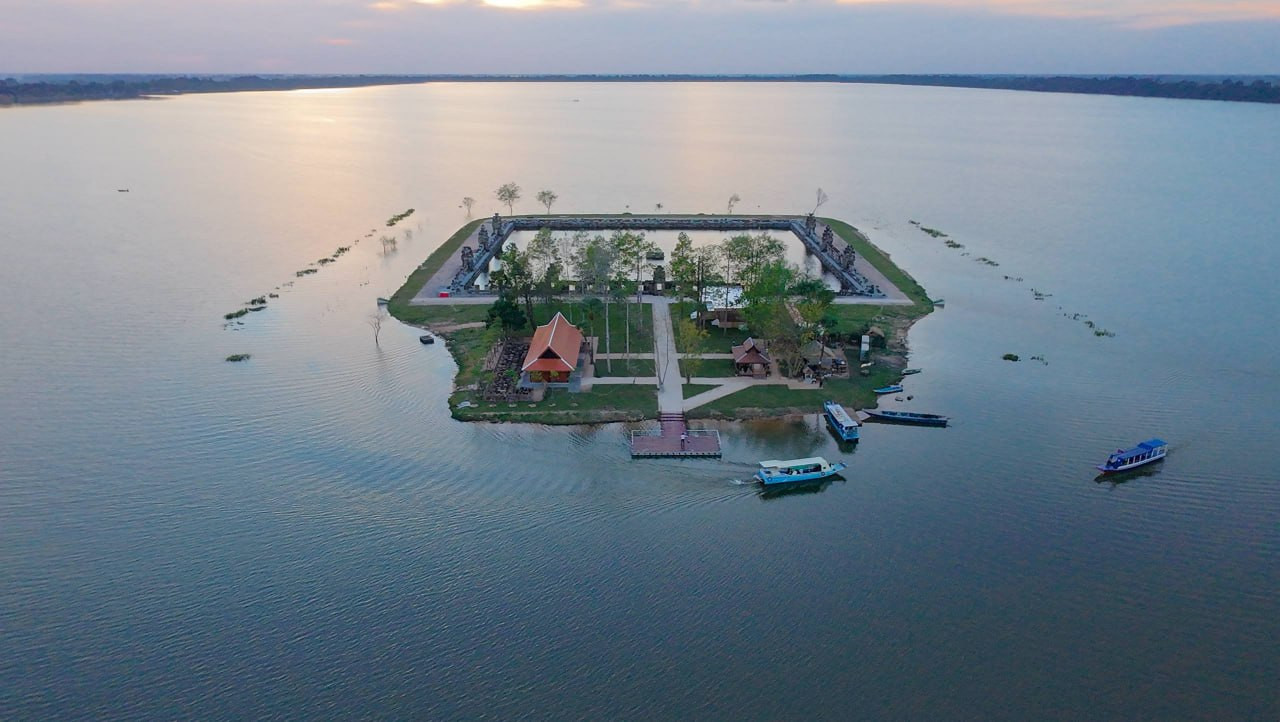
During the rainy season, the APSARA National Authority carefully managed water levels in the reservoir so restoration could continue year-round without flooding. It also maintained irrigation for more than 7,000 hectares of nearby farmland and supported Siem Reap city’s drinking-water supply.