
Cambodian dancers performed the Apsara dance during the recent 20th Francophonie Summit in Phnom Penh. It is also known as the dance of the celestial maidens.
In this demonstration of Cambodia’s Apsara dance, five basic hand gestures are enough to tell a story.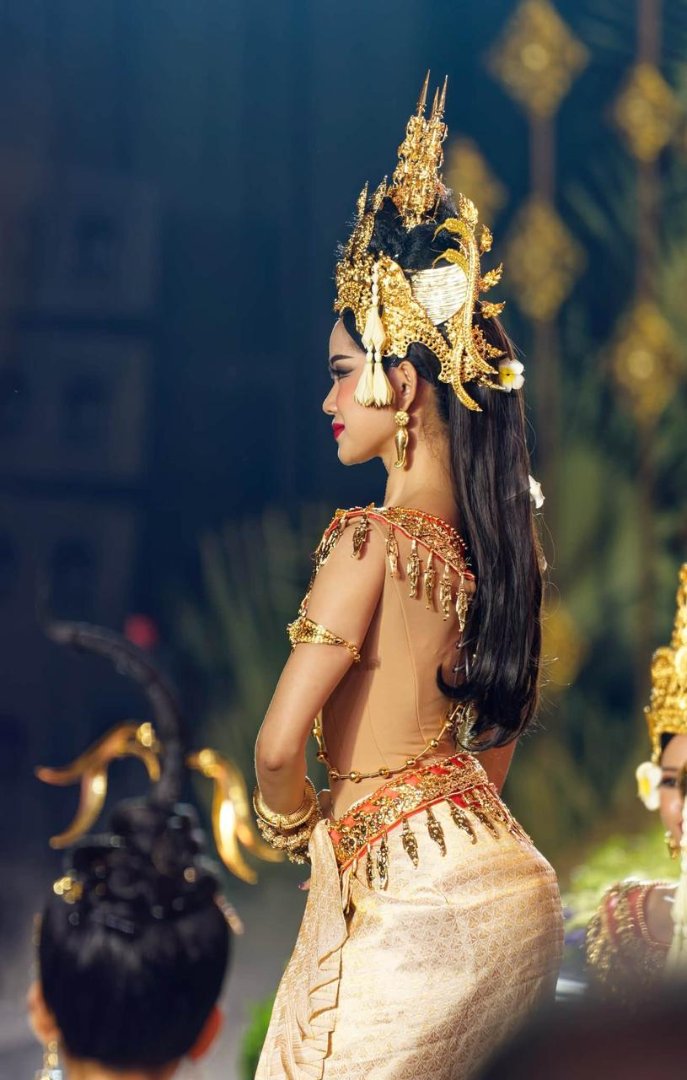
Speaking in French to TV5MONDE Info, one dancer described the dance as a thousand-year-old art passed down by women. She also demonstrated how to make the hands “dance.” Five basic hand gestures, paired with body movements, can convey emotions and tell a story.
The Apsara dance draws inspiration from the figures carved in the bas-reliefs at Angkor Wat. Cambodian classical dance has been linked to the royal court for more than a thousand years, and the court troupe was traditionally made up of women. According to KPS99TV’s account, the Apsara dance in the form familiar today was choreographed in 1962 under the direction of Queen Sisowath Kossamak. Her granddaughter, Princess Norodom Buppha Devi, was the first to perform this piece and later led the troupe on tours around the world. UNESCO proclaimed the Royal Ballet of Cambodia a Masterpiece of the Oral and Intangible Heritage of Humanity in 2003 and inscribed it on the Representative List of the Intangible Cultural Heritage of Humanity in 2008.
From performing at the summit to explaining the dance to French-speaking audiences, the Cambodian dancers used the Apsara dance to share Khmer culture and help more people understand the stories told through movement.