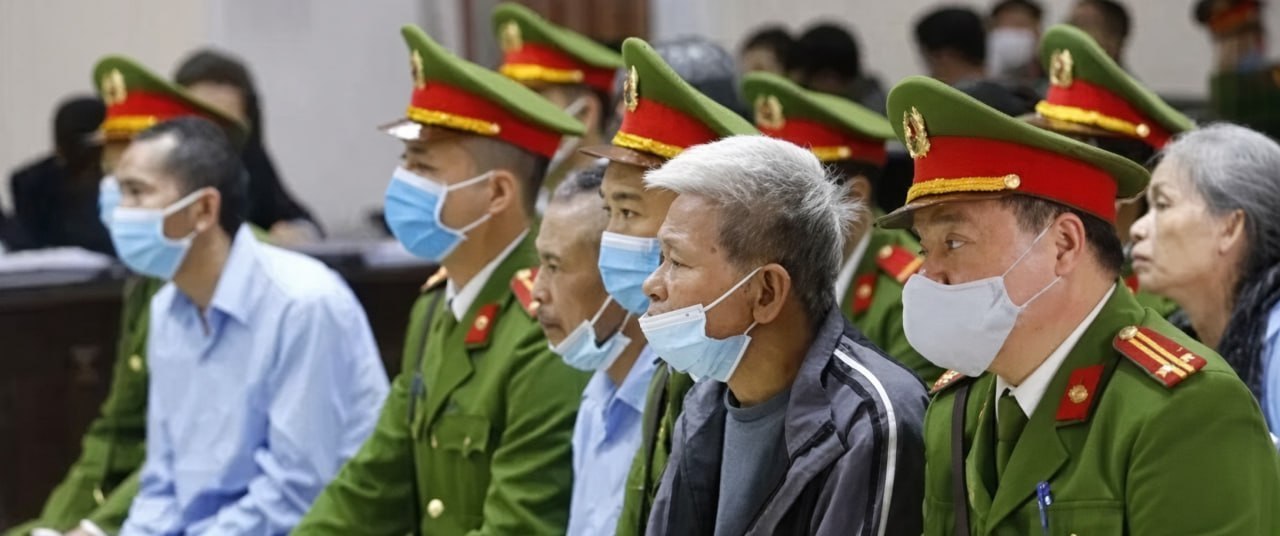
According to a recent report by the South China Morning Post, Vietnam's National Assembly passed a new amended Penal Code that day, abolishing the death penalty for several crimes including drug trafficking, reducing the number of offenses punishable by death to four.
Under the new law, only treason, murder, terrorism, and illegal drug manufacturing will remain punishable by death.
Offenses for which the death penalty has been abolished include drug trafficking, crimes against humanity, war crimes, rebellion, and the rape of minors, with the maximum penalty for these offenses now changed to life imprisonment.
Previously, some National Assembly members had reservations about abolishing the death penalty for drug trafficking. Vietnam's Minister of Public Security Luong Tam Quang said there was evidence showing that some drug traffickers had been lured, deceived, or coerced into committing the crime. He believes these individuals still have the chance to be rehabilitated through education and start life anew, and do not necessarily need to be sentenced to death.
In recent years, Vietnam has continued to reduce the number of offenses to which the death penalty applies. In the 1985 version of the Penal Code, as many as 44 offenses were punishable by death. Since 2013, Vietnam has changed its method of execution from firing squad to lethal injection, but has never publicly disclosed the number of executions actually carried out.
According to estimates by Amnesty International, as of the end of 2023, Vietnam had more than 1,200 death row inmates. In September this year, a Vietnamese court also sentenced 11 people to death for trafficking drugs from France to Vietnam.