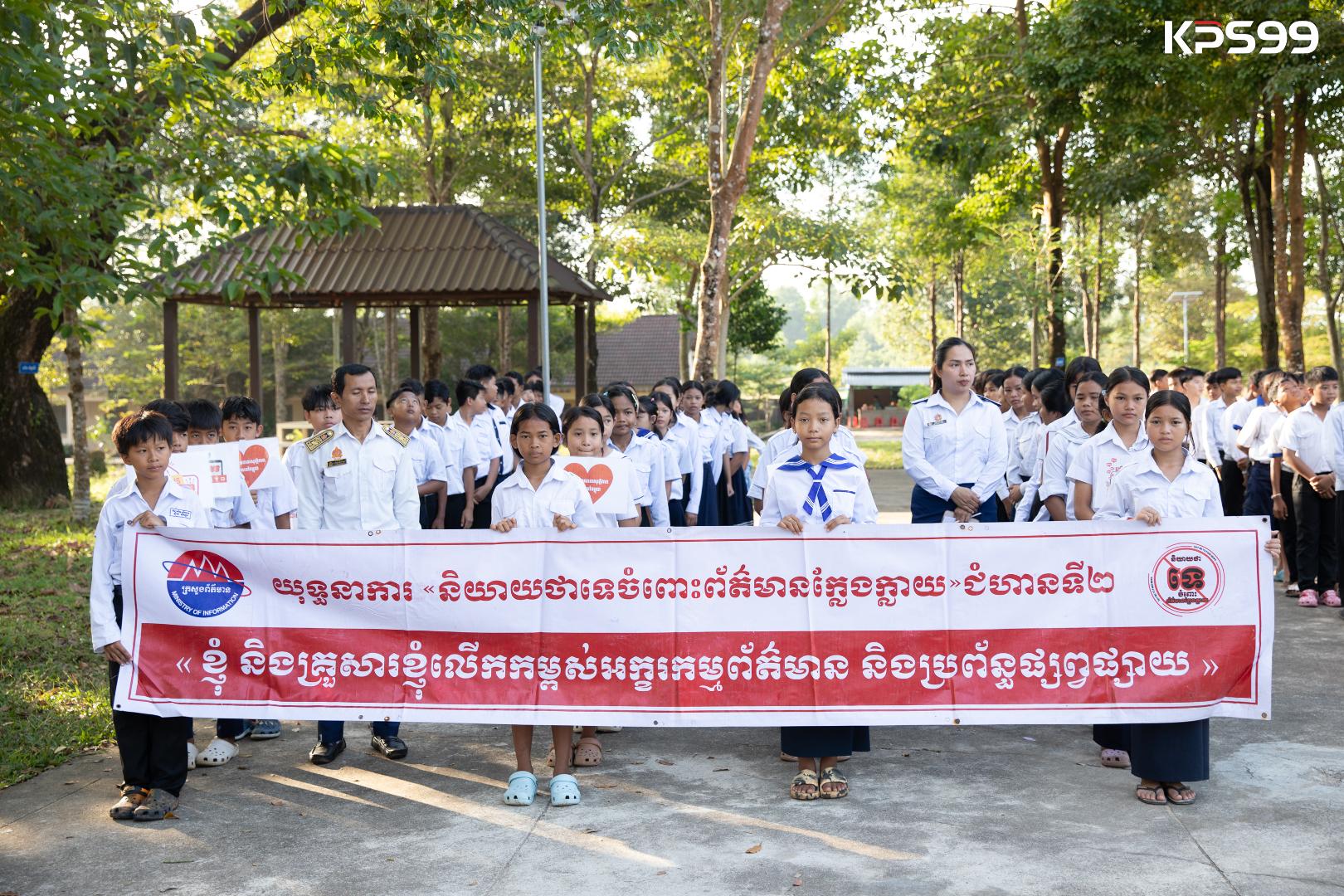
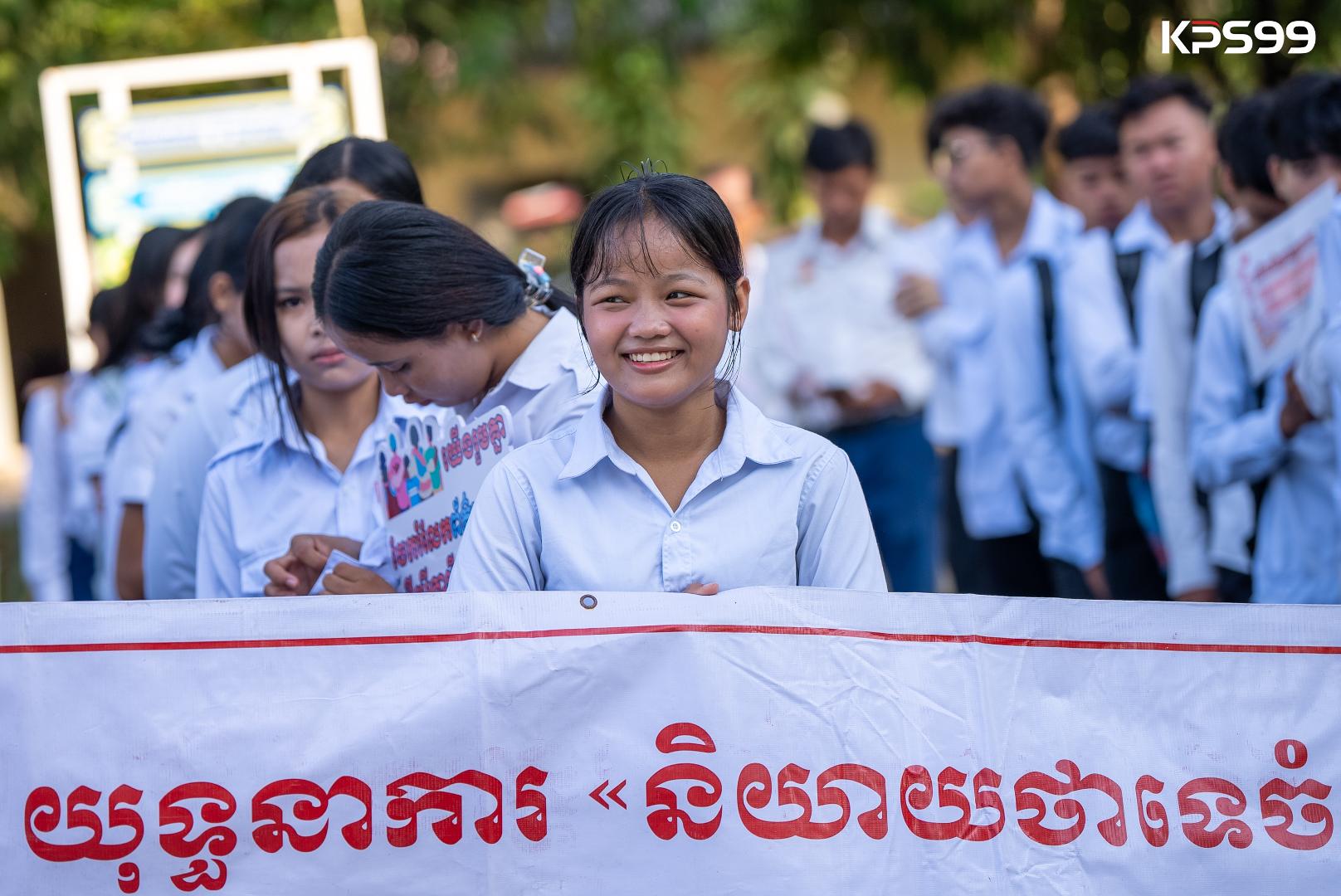
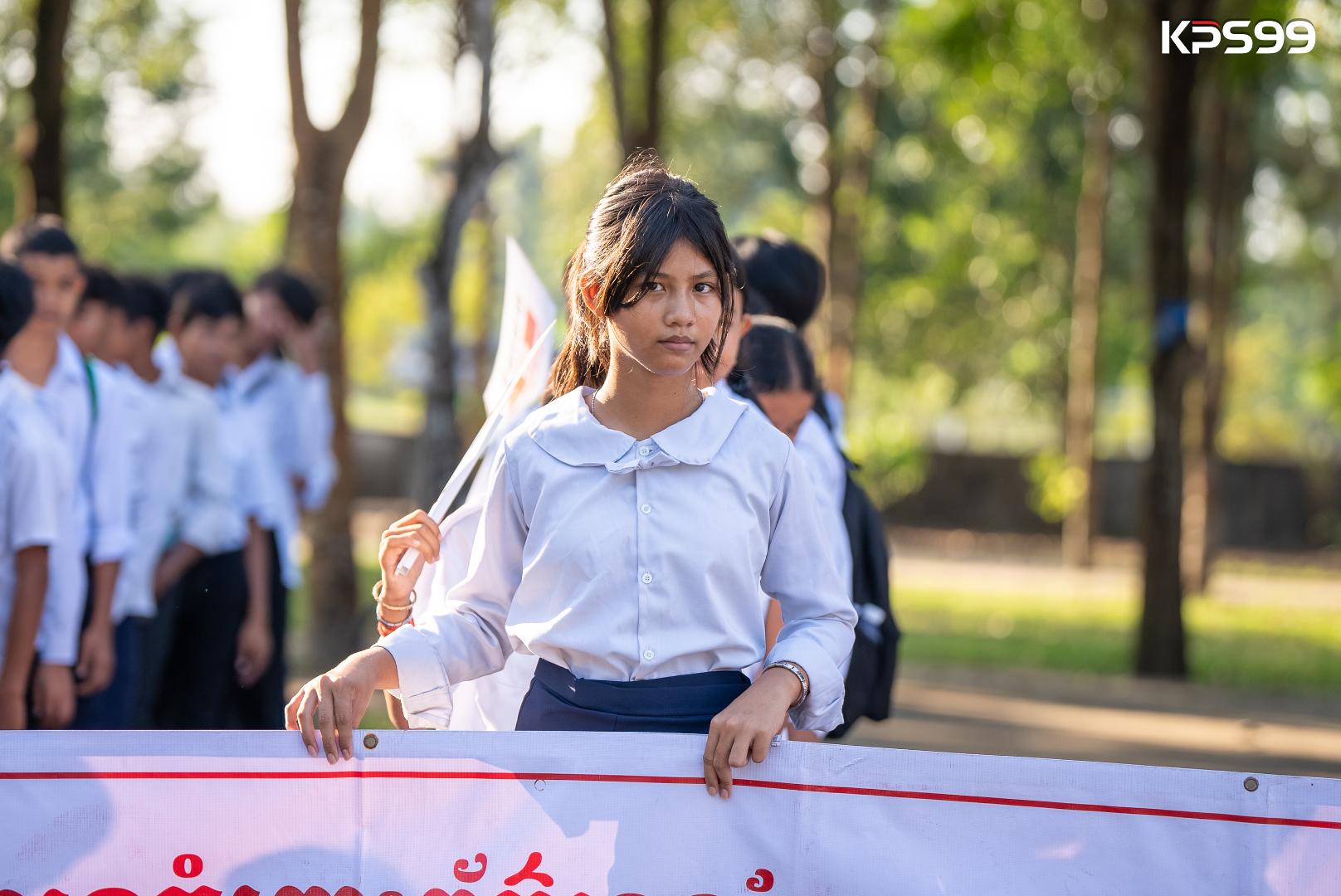
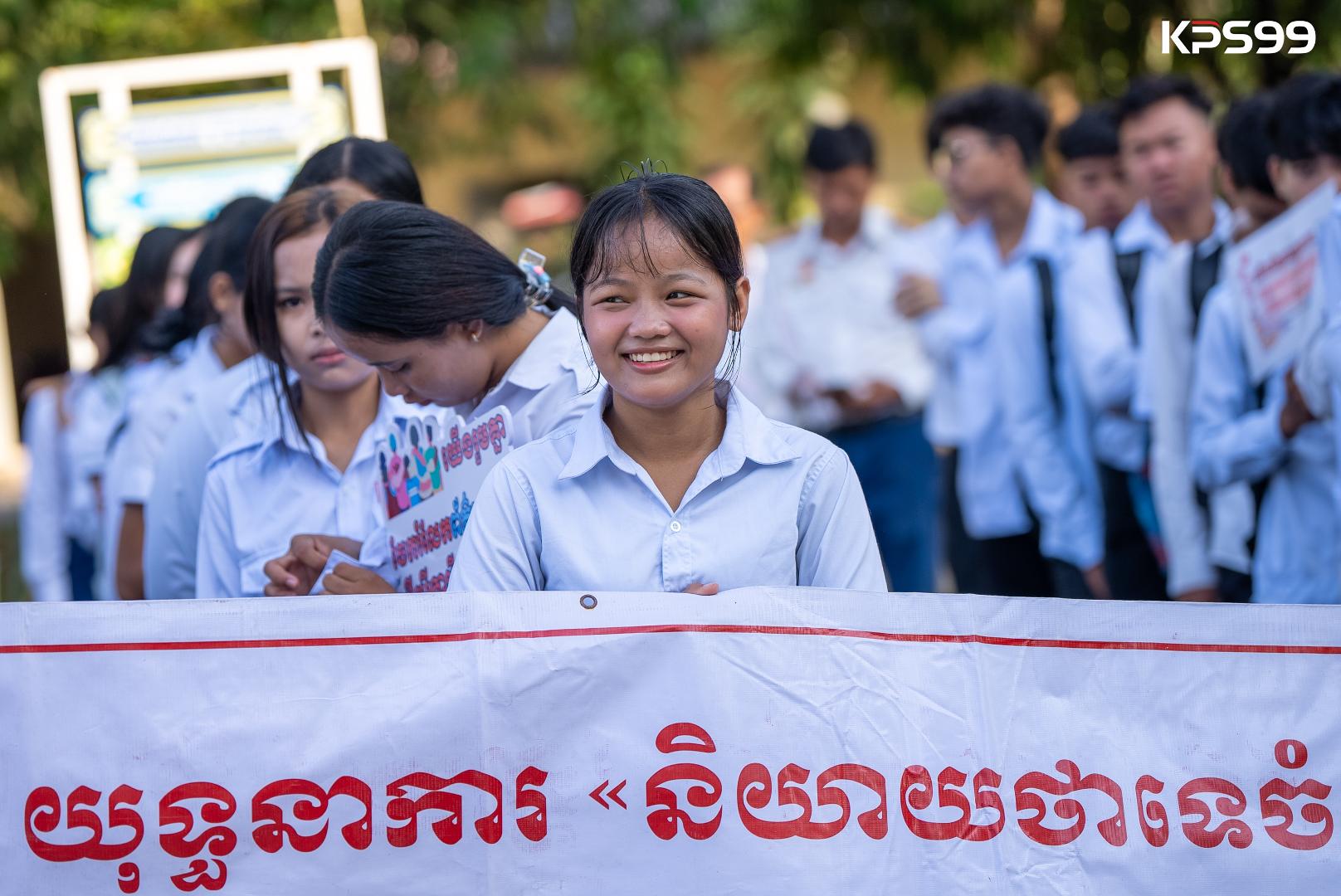
Preah Sihanouk Province: H.E. Tep Asnarith, Under Secretary of State of the Ministry of Information, and Mr. Long Dimanche, Deputy Governor of Preah Sihanouk Province, together with district authorities, relevant departments, school management, teachers and a large number of students, attended the launch ceremony of Phase 2 of the "Say No to Fake News" campaign under the theme "Media and Information Literacy for Information Peace" at Hun Sen Stueng Hav High School on the morning of November 27, 2026.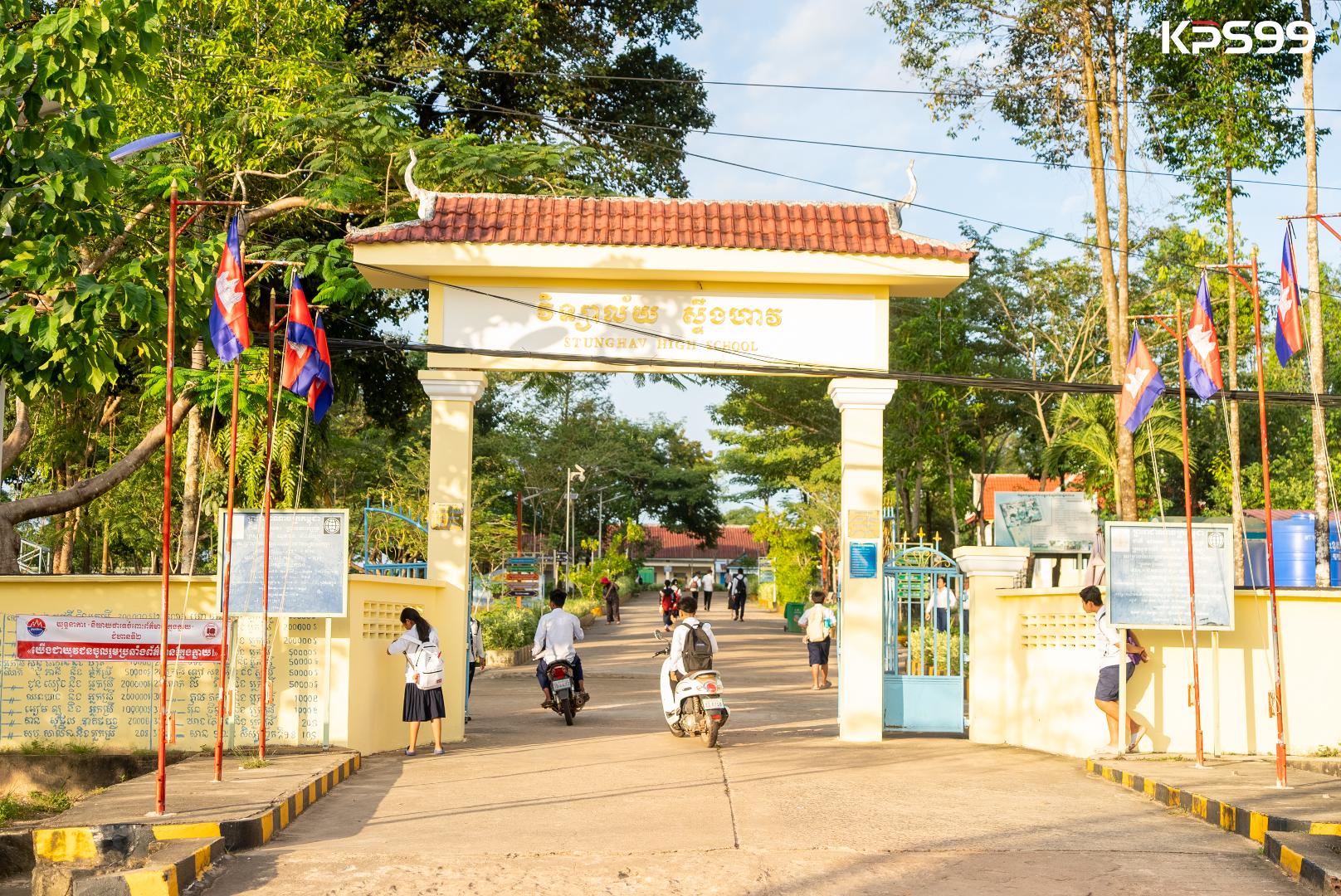
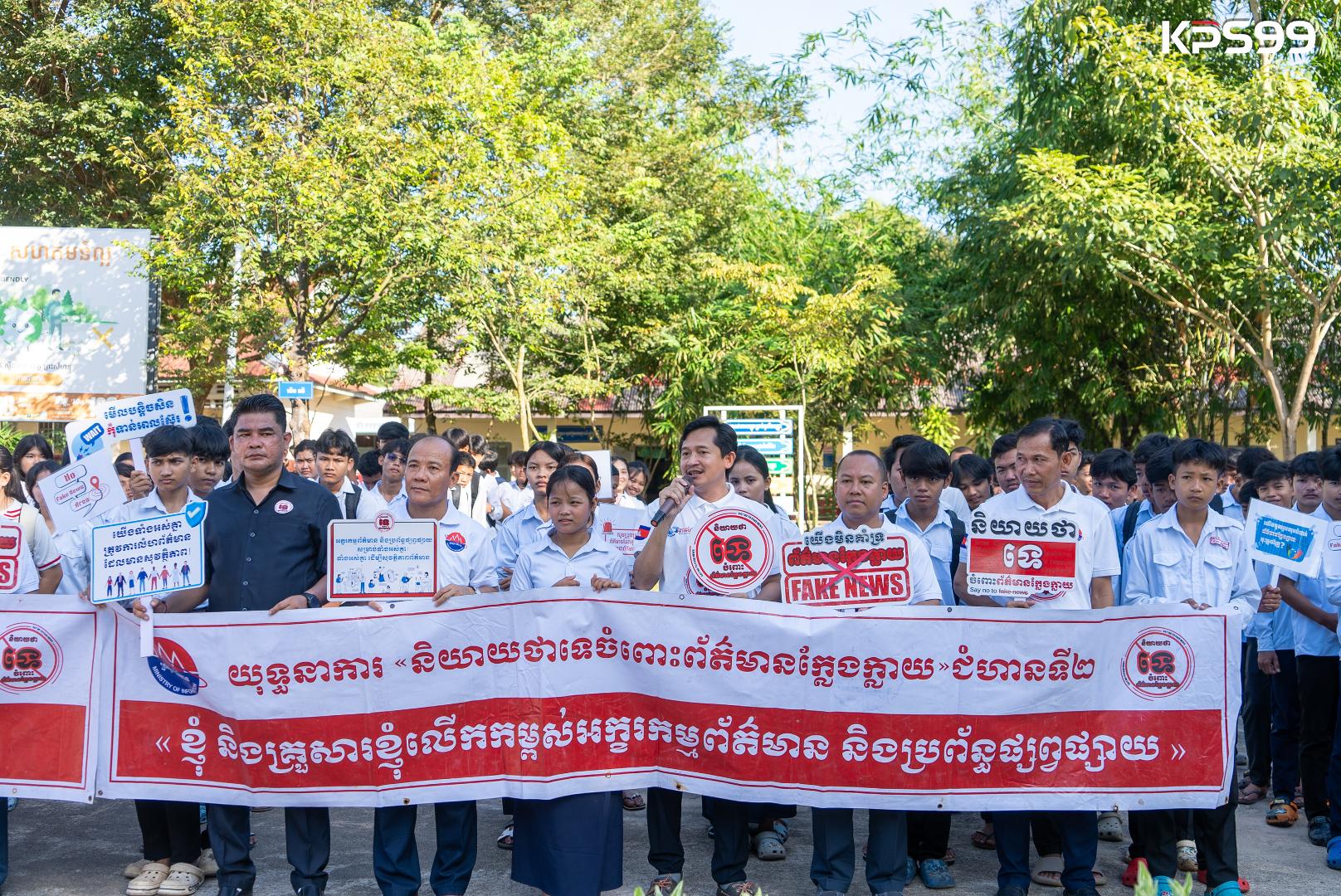
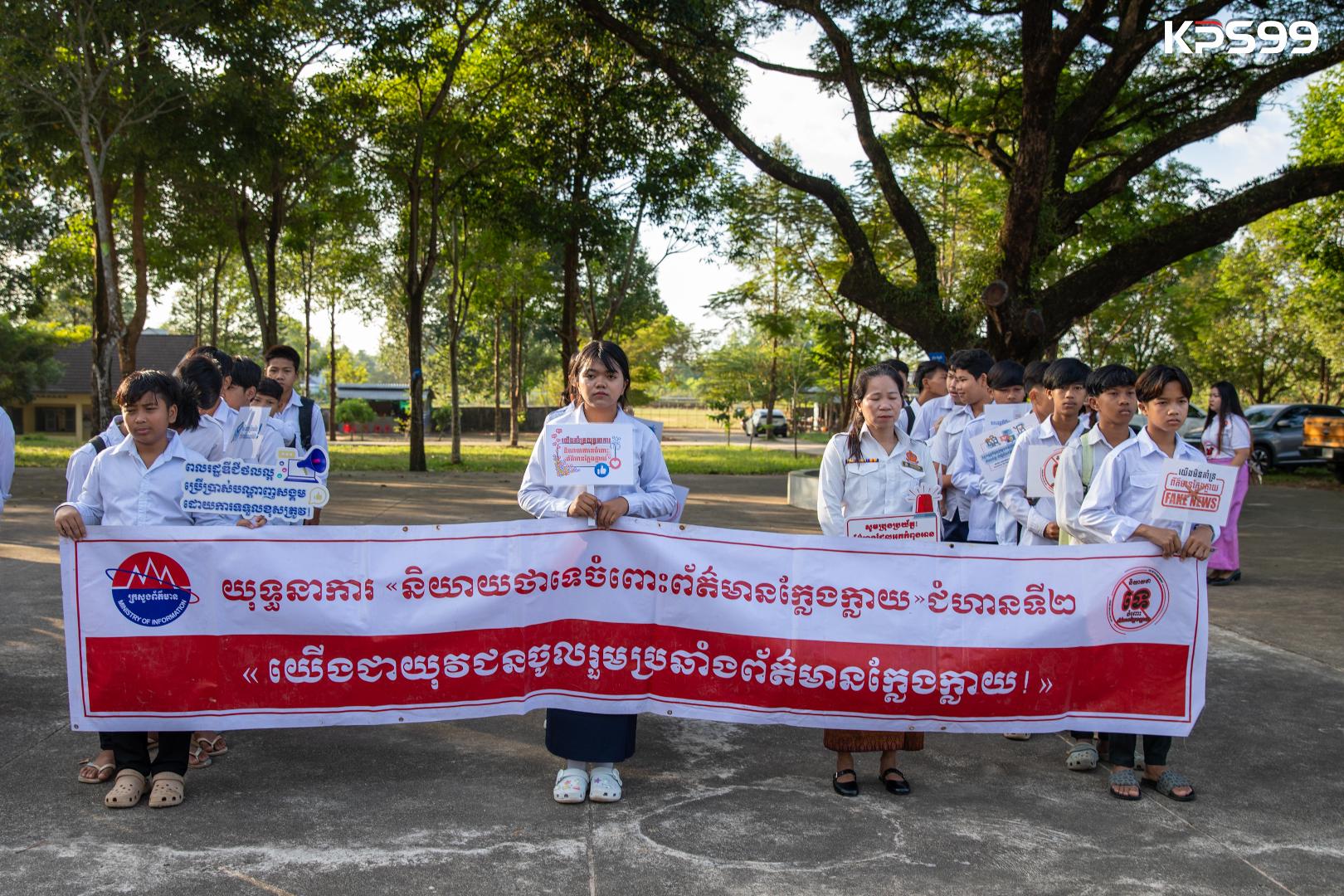
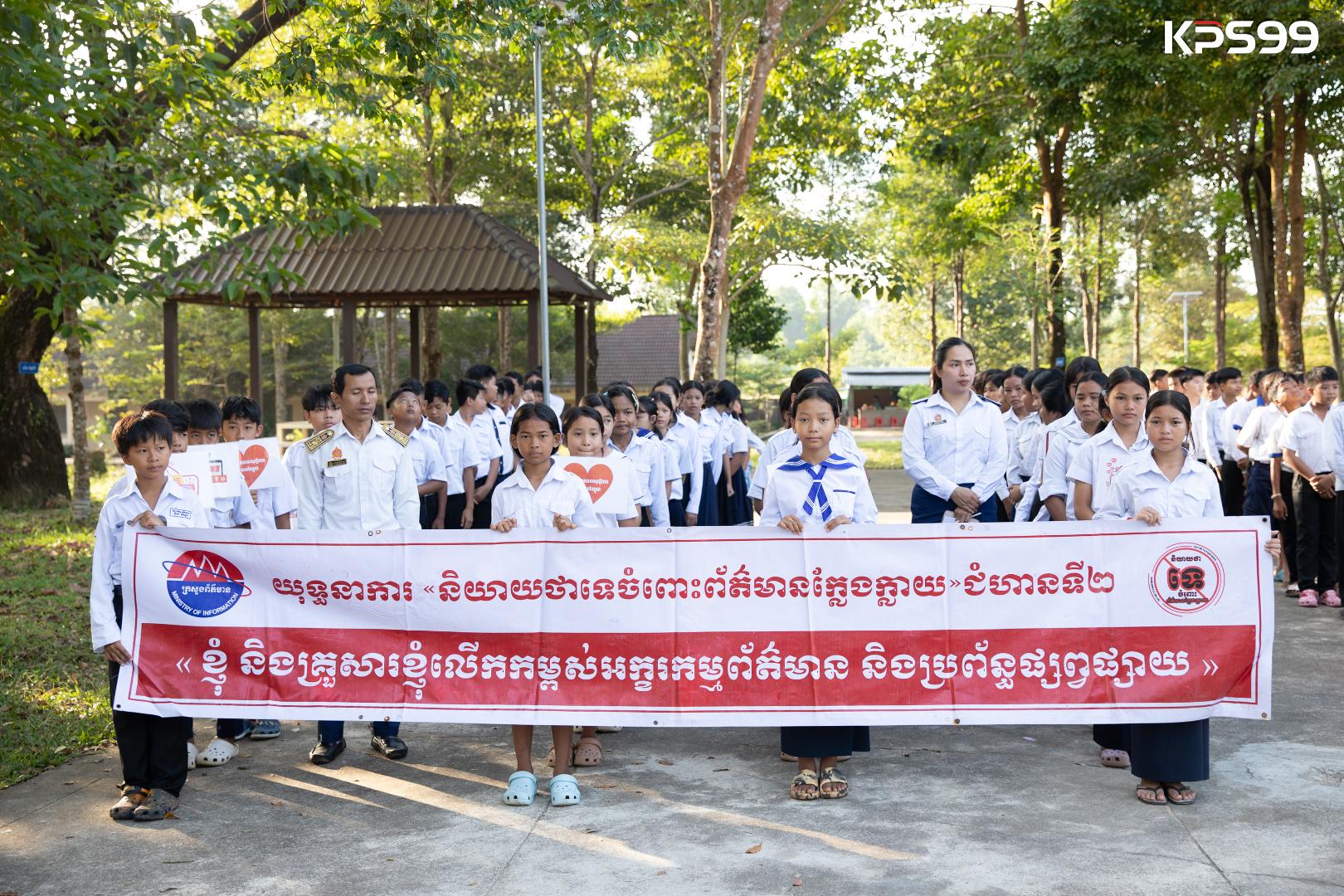 Speaking on the occasion, Mr. Long Dimanche, Deputy Governor of Preah Sihanouk Province, explained the definitions of the three types of fake news. The first is disinformation: false information created and spread deliberately to mislead or deceive the public and to harm individuals, organizations or the nation.


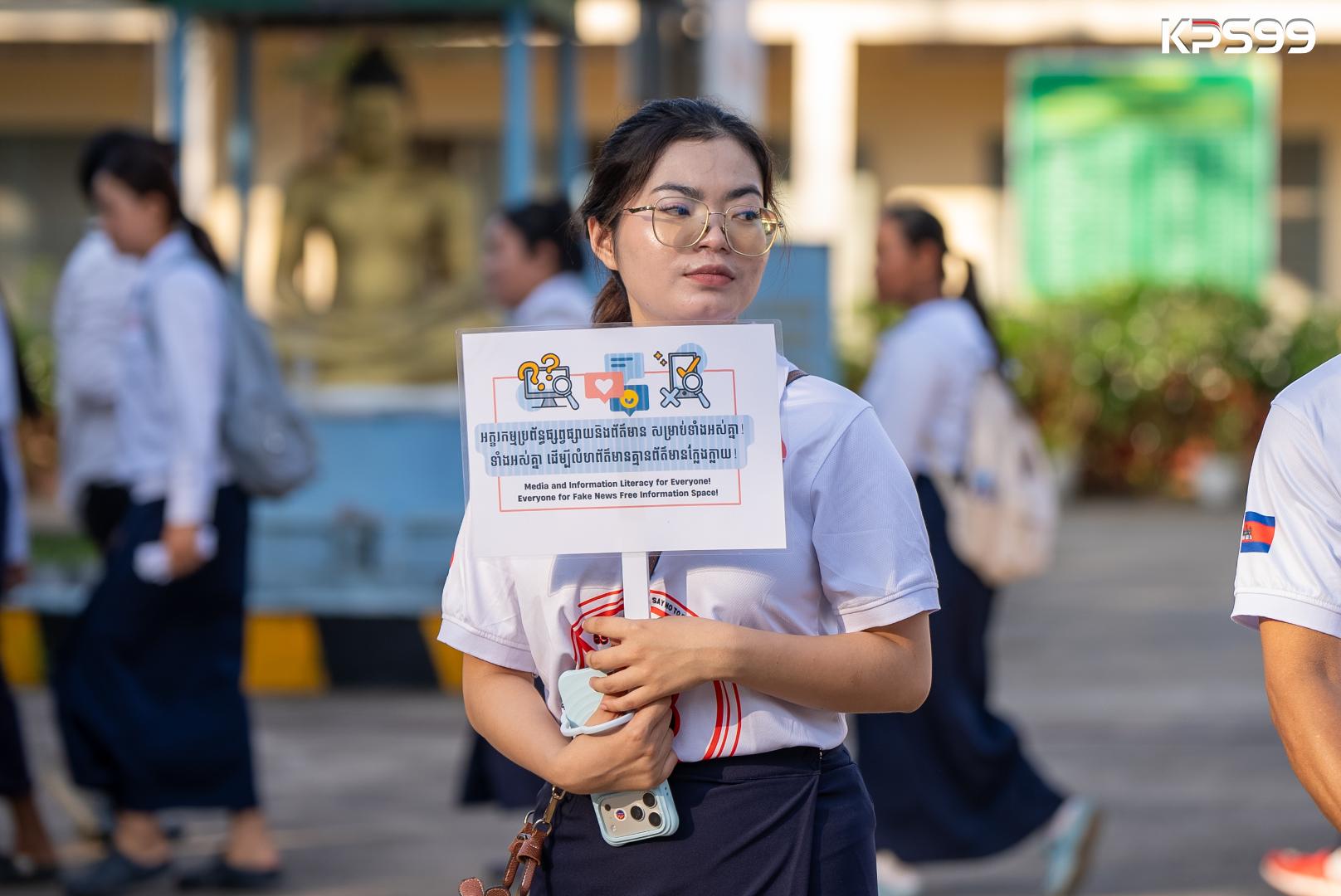 Distorted information is false information twisted from true information in order to damage the interests and honor of individuals, institutions or the country. Misinformation is false information shared from one person to another, either intentionally or unintentionally, sometimes because its source is unclear, leading to misunderstanding.

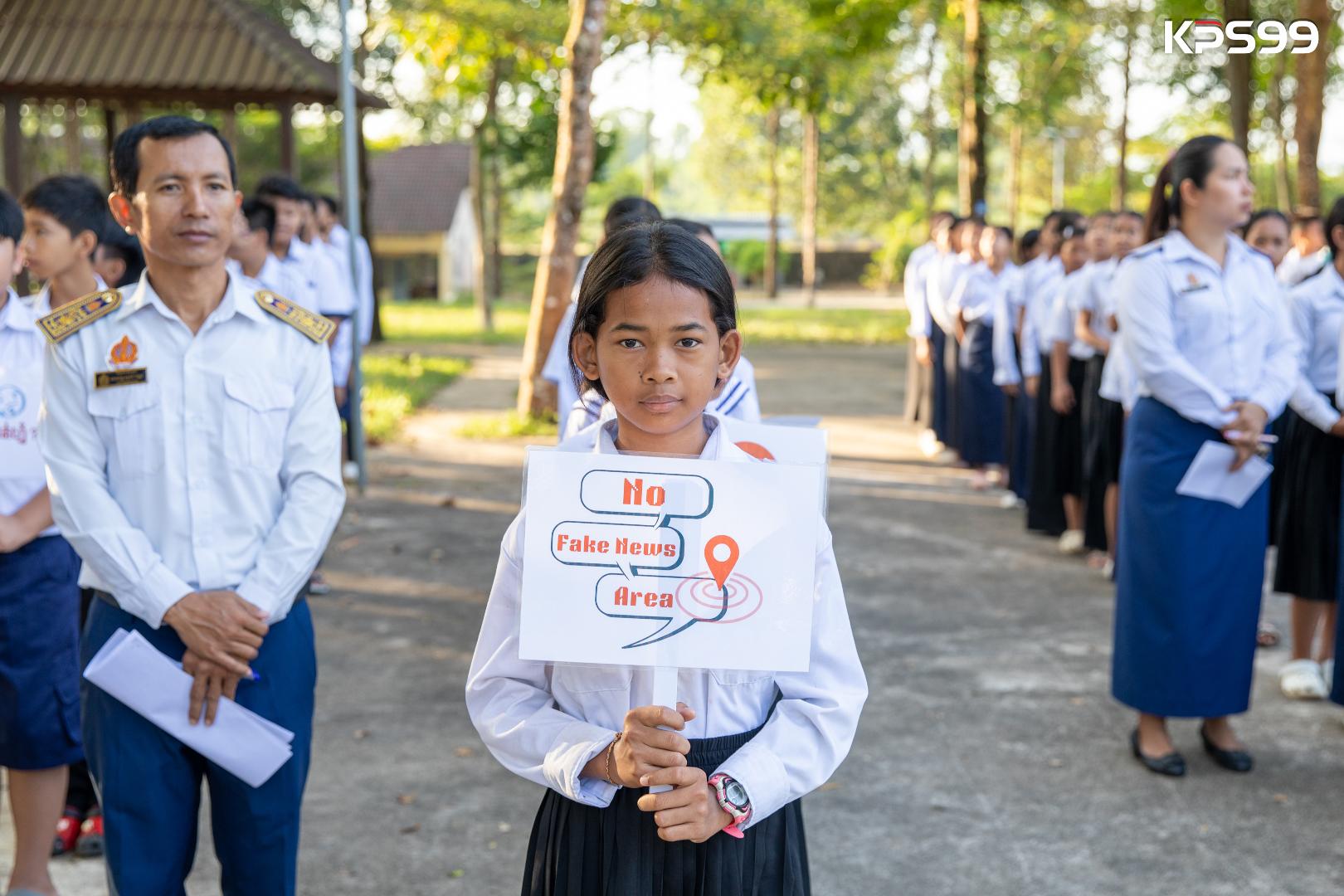
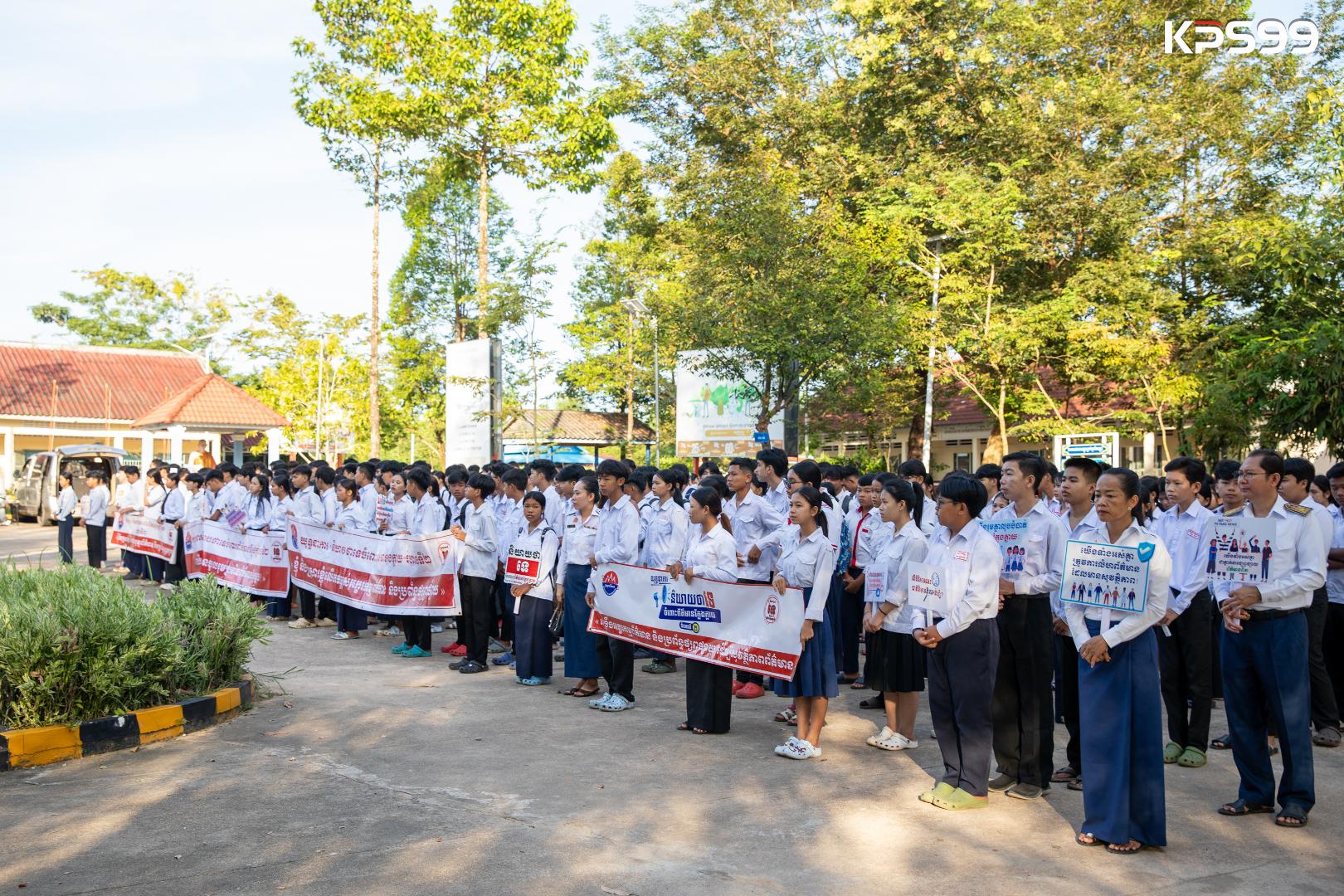
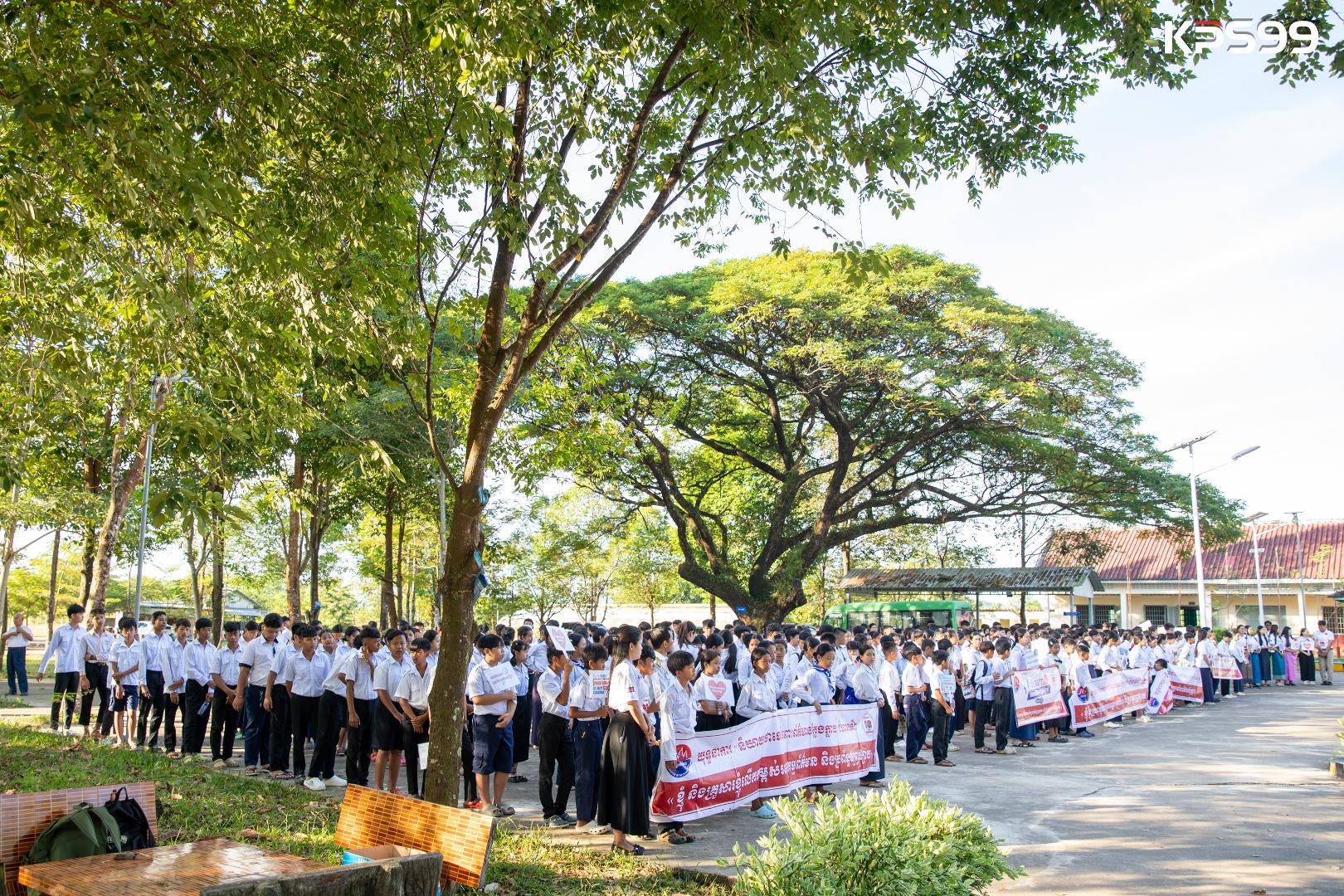
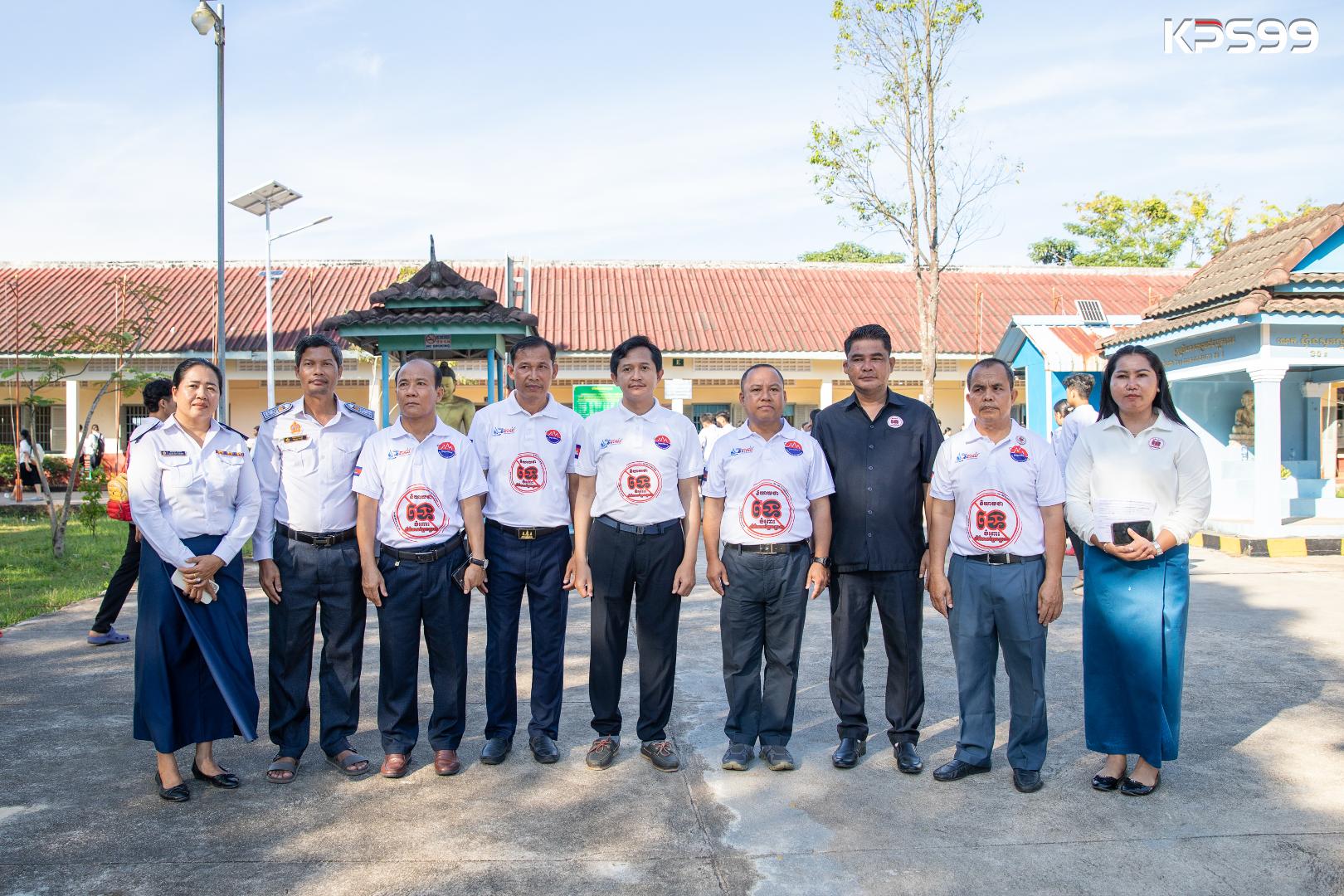
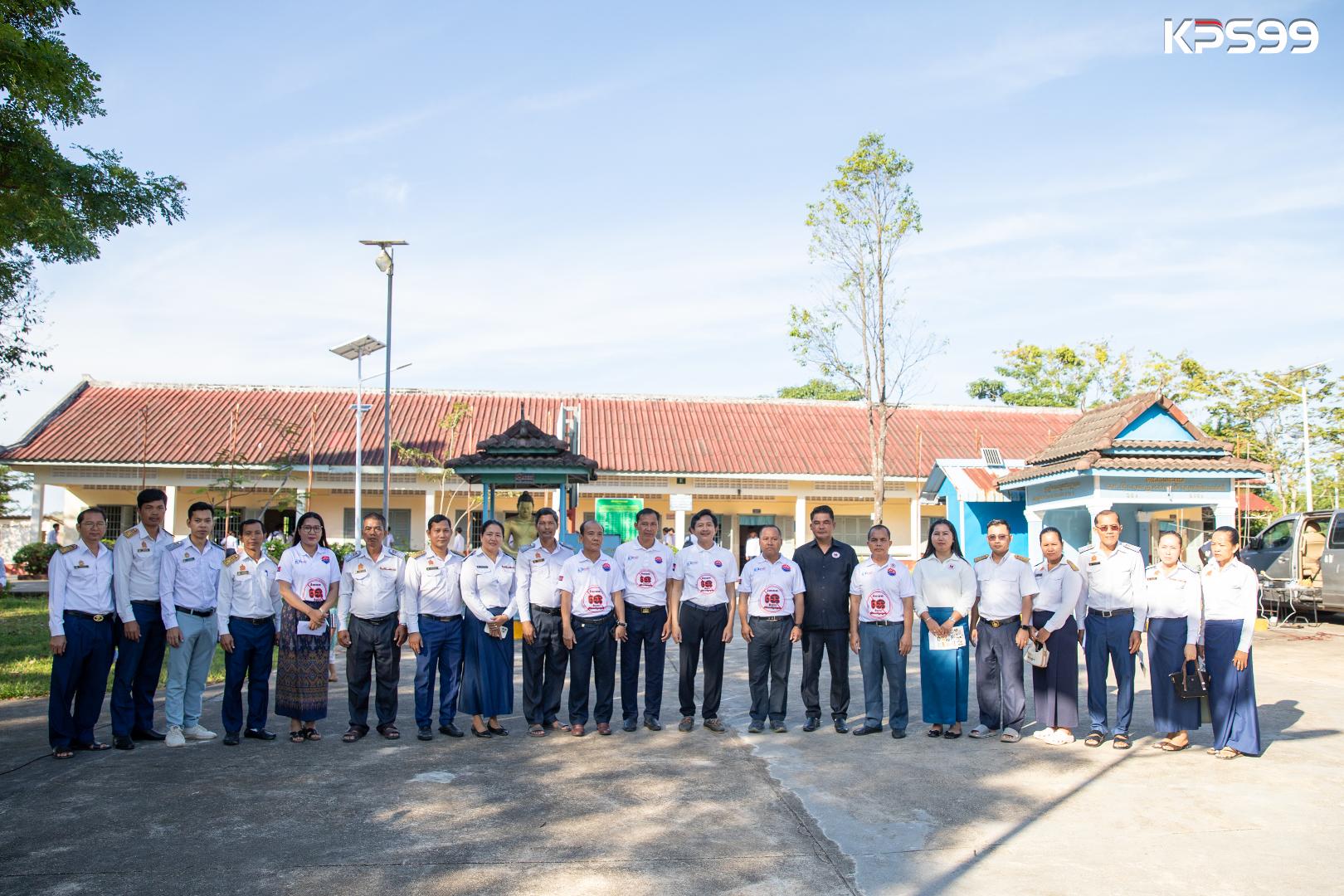
The Deputy Provincial Governor also warned of the risks of misusing digital technology and artificial intelligence (AI), such as creating fake videos or audio (deepfakes) and editing images, which can destroy personal honor, family dignity, social solidarity and national security. He called on all relevant parties, especially young people, to help build a new culture: "Before believing, think; before sharing, verify; before publishing, be responsible."
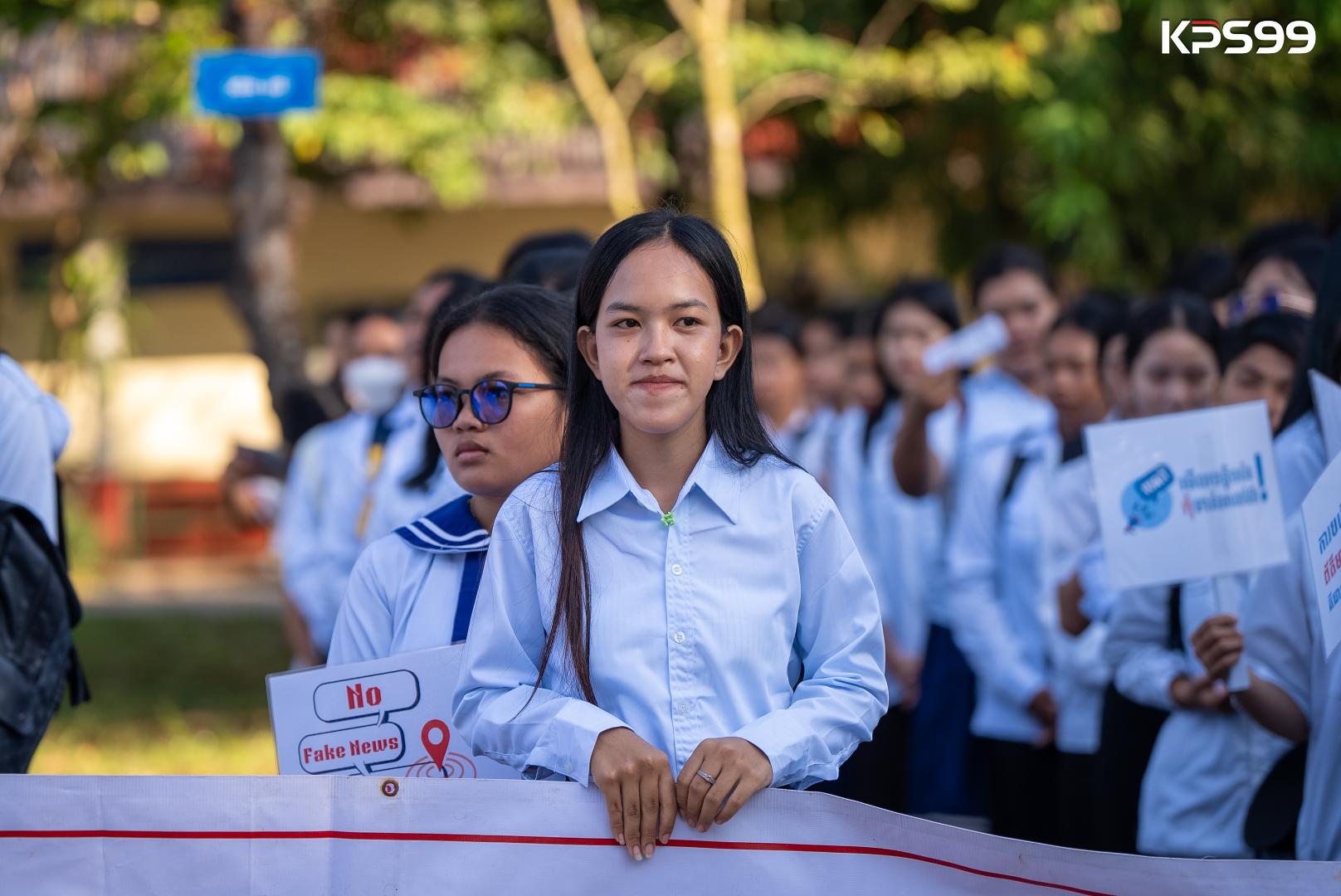
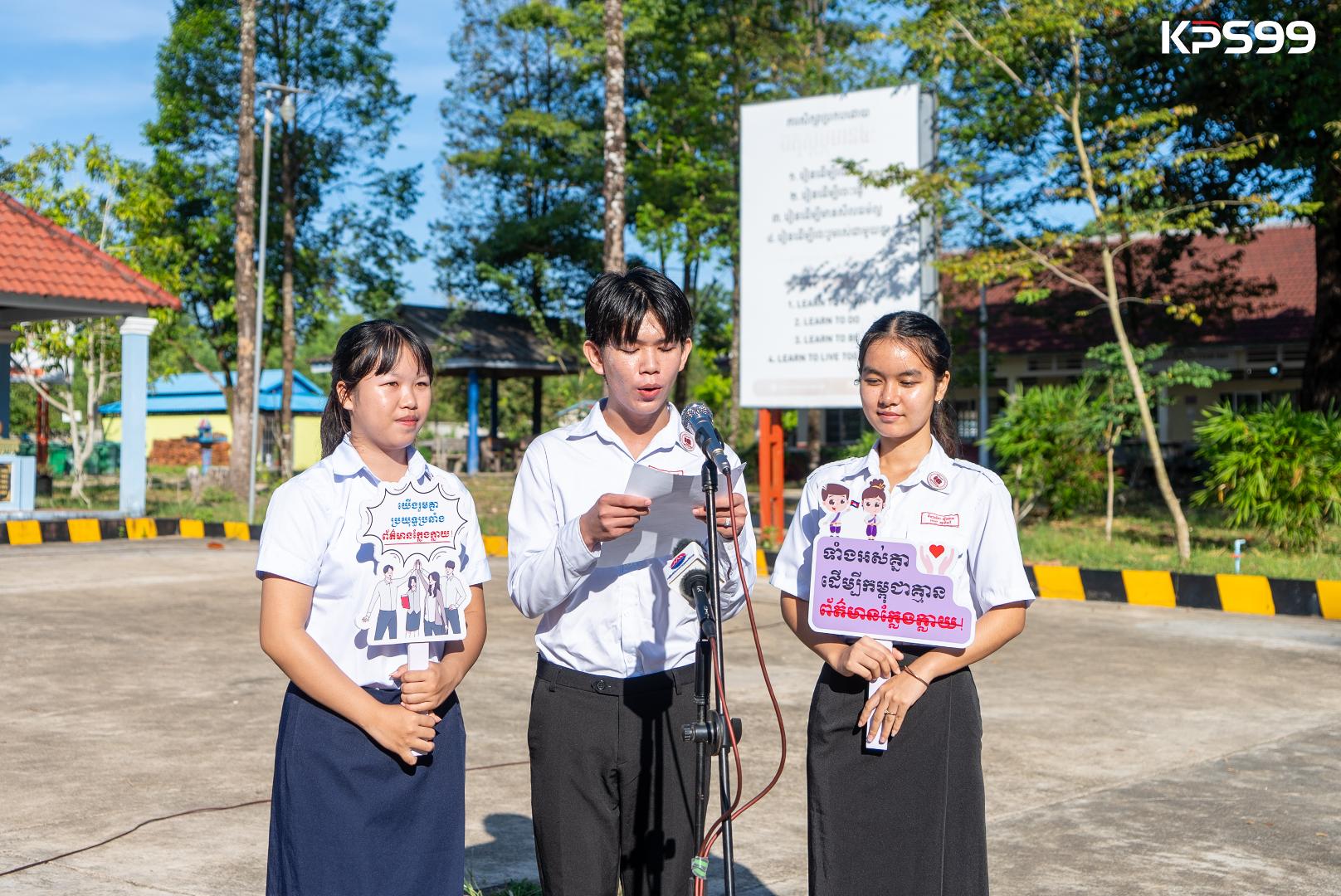
Meanwhile, H.E. Tep Asnarith, Under Secretary of State of the Ministry of Information, said the outreach at Hun Sen Stueng Hav High School was aimed at giving students more knowledge about the consequences of fake news and how to protect themselves from it. He added that Phase 2 of the campaign was initiated by H.E. the Minister of Information and has been carried out across all 25 of the capital and provinces since May 2026. It focuses mainly on strengthening media and information literacy among young people who use technology for their daily studies.
He further said that online scams now take many forms, such as setting up fake investment companies and romance scams that use AI technology to alter images and fake people's appearance. Therefore, regular awareness-raising and education is the most important preventive measure to turn students and young people into "safe digital citizens" who can protect themselves, their families, their communities and society as a whole from the dangers of fake news. អត្ថបទ៖ ប៉ៃ សុឃីម រូបភាព៖ កែវ ដារ៉ា