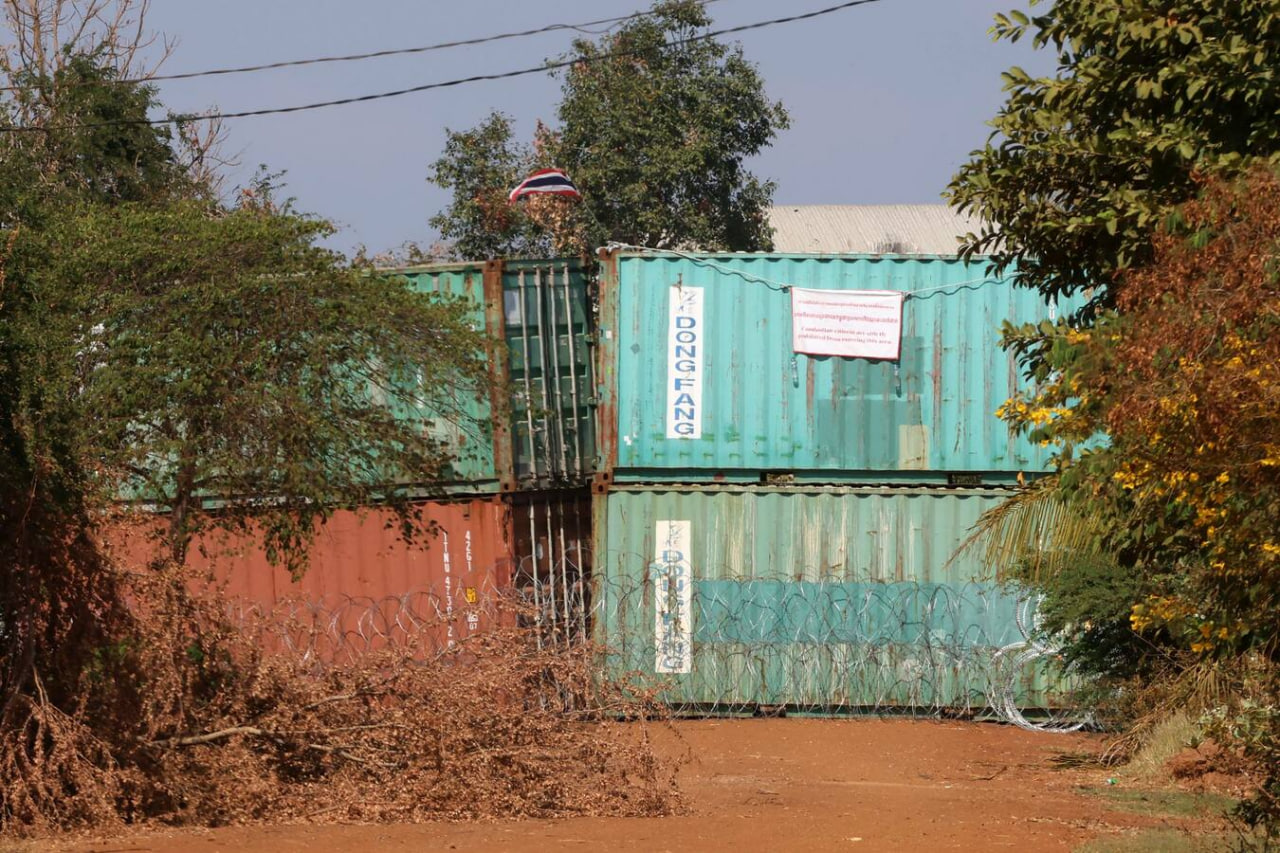
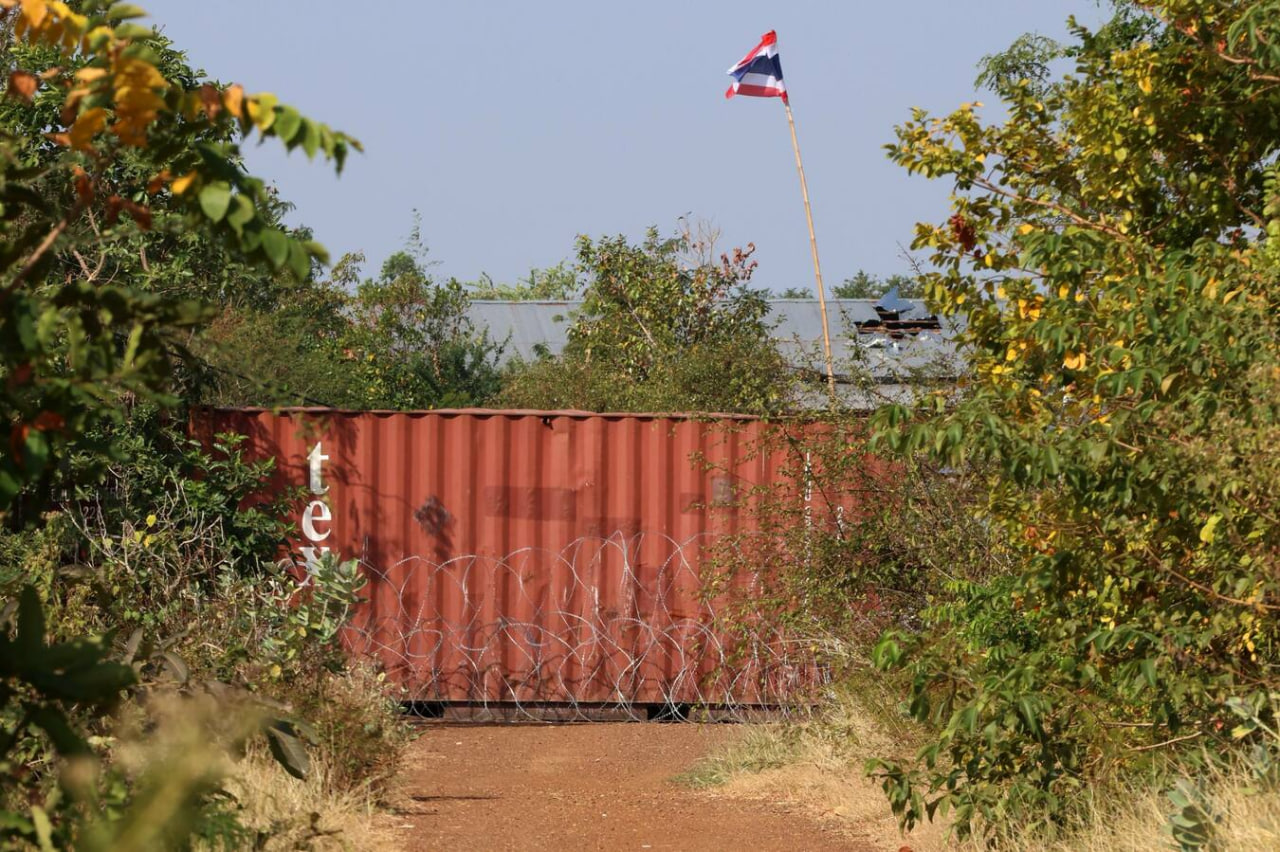
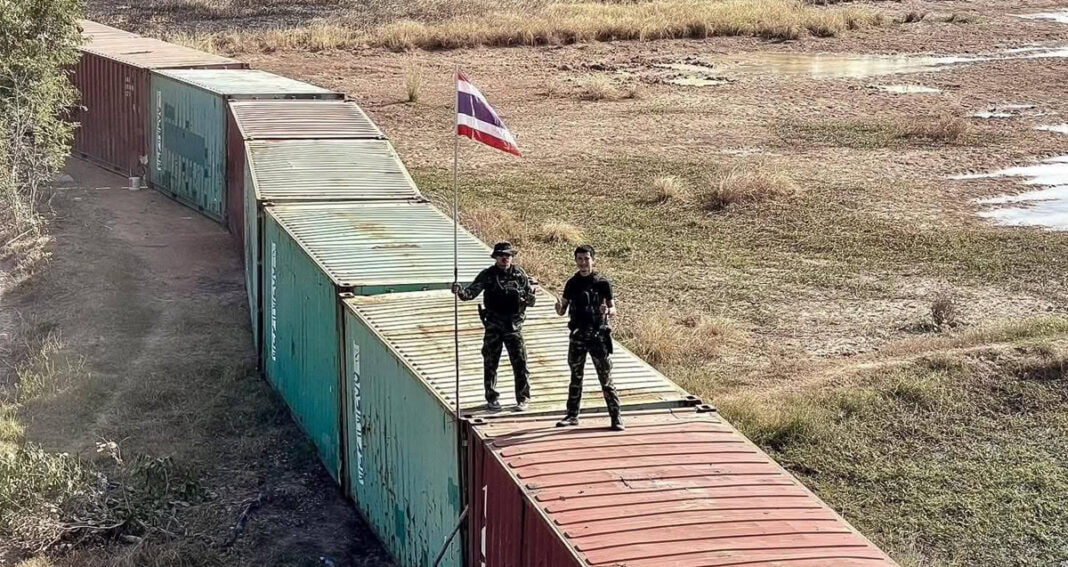
Although the guns have fallen silent, the war of words over who is right and wrong in the Cambodia–Thailand border dispute has not subsided. The article says that, after the emergency ceasefire of December 27, 2025, Thai troops continued actions violating the agreements and encroaching on Cambodia’s territorial integrity. It says Thailand has sought to cast itself in a sympathetic light before Thai and international audiences to defend what the article describes as aggression.
It presents Cambodia as the victim and says Cambodia is responding through non-violence, bilateral agreements, and national and international law rather than physical force.
The following eight questions and answers set out the Cambodian responses presented in the report.
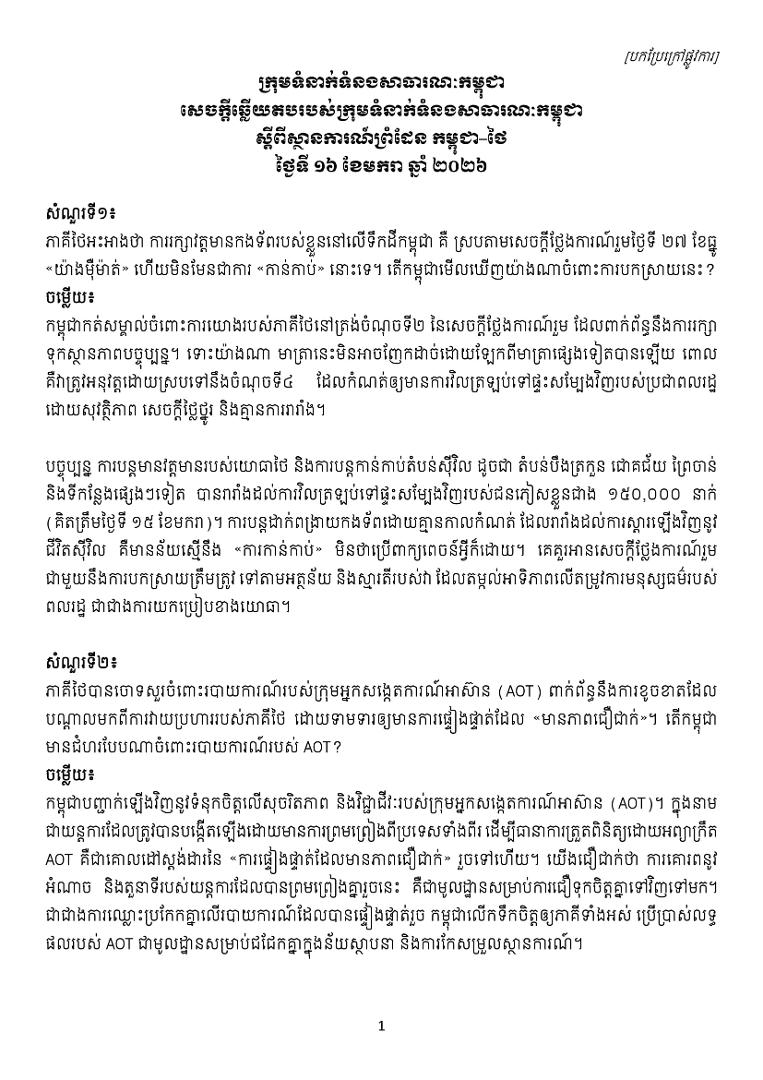
Question 1: Thailand says retaining its troops on Cambodian territory strictly implements the December 27 joint statement and does not constitute occupation. What is Cambodia’s view?
Answer: Cambodia notes Thailand’s reference to paragraph 2 of the joint statement concerning maintenance of the status quo. However, this provision cannot be separated from the others: it must be implemented in accordance with paragraph 4, which requires civilians to be able to return to their homes safely, with dignity and without obstruction.
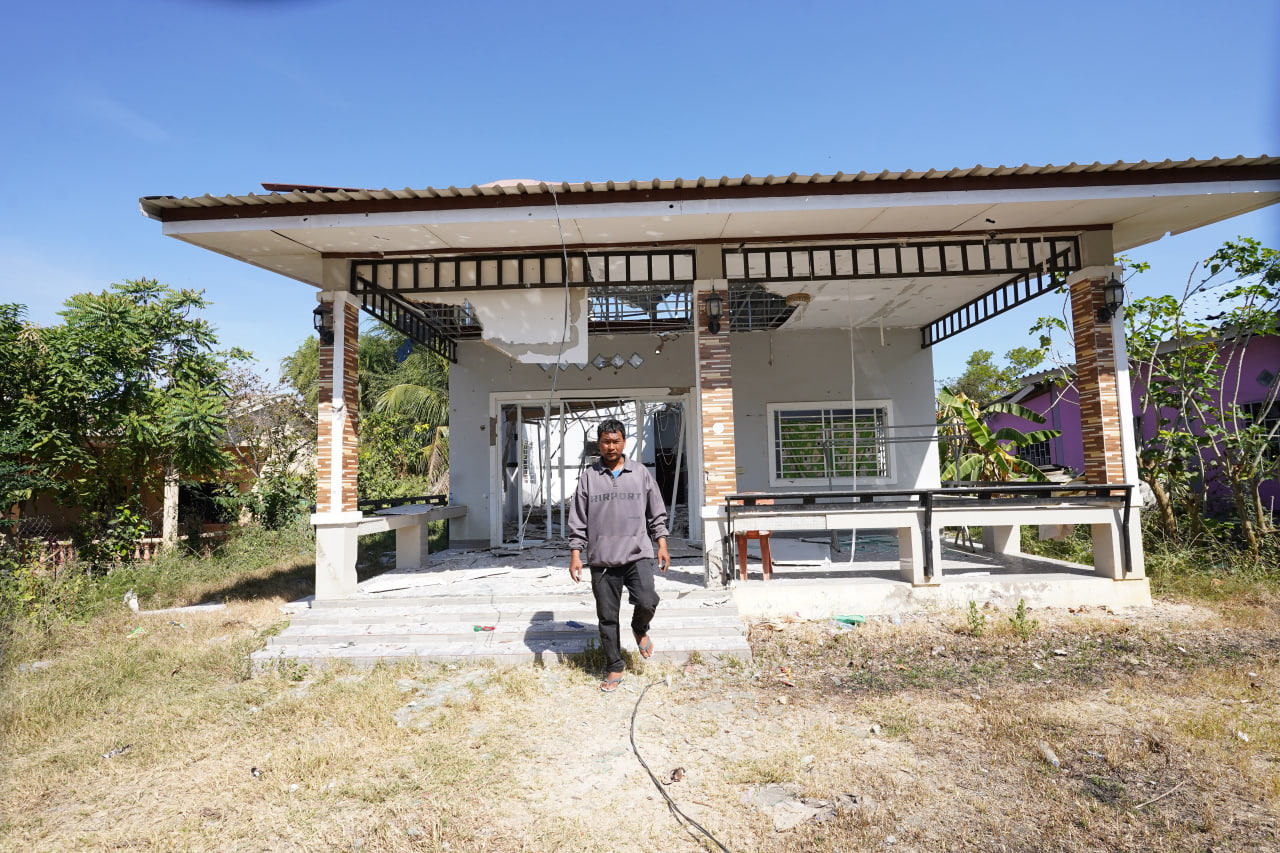
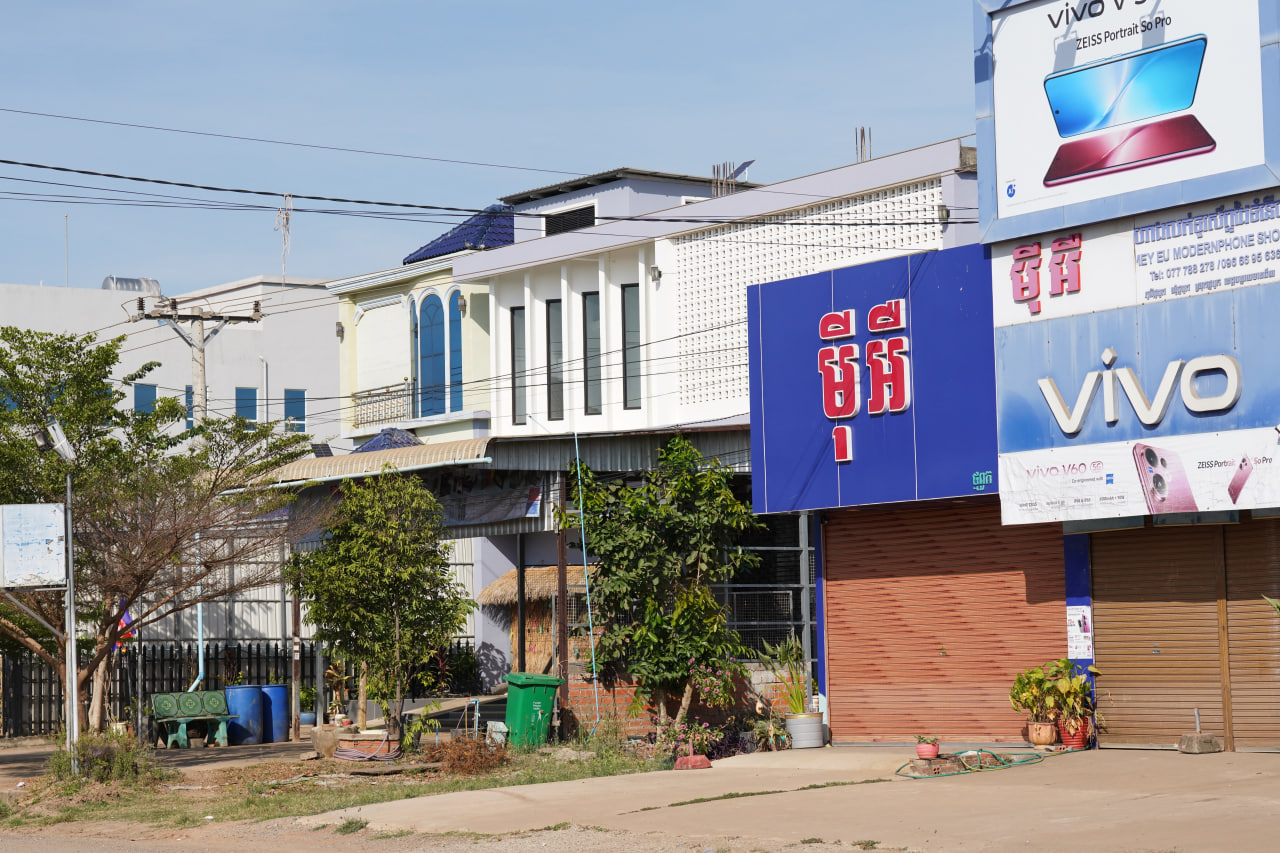
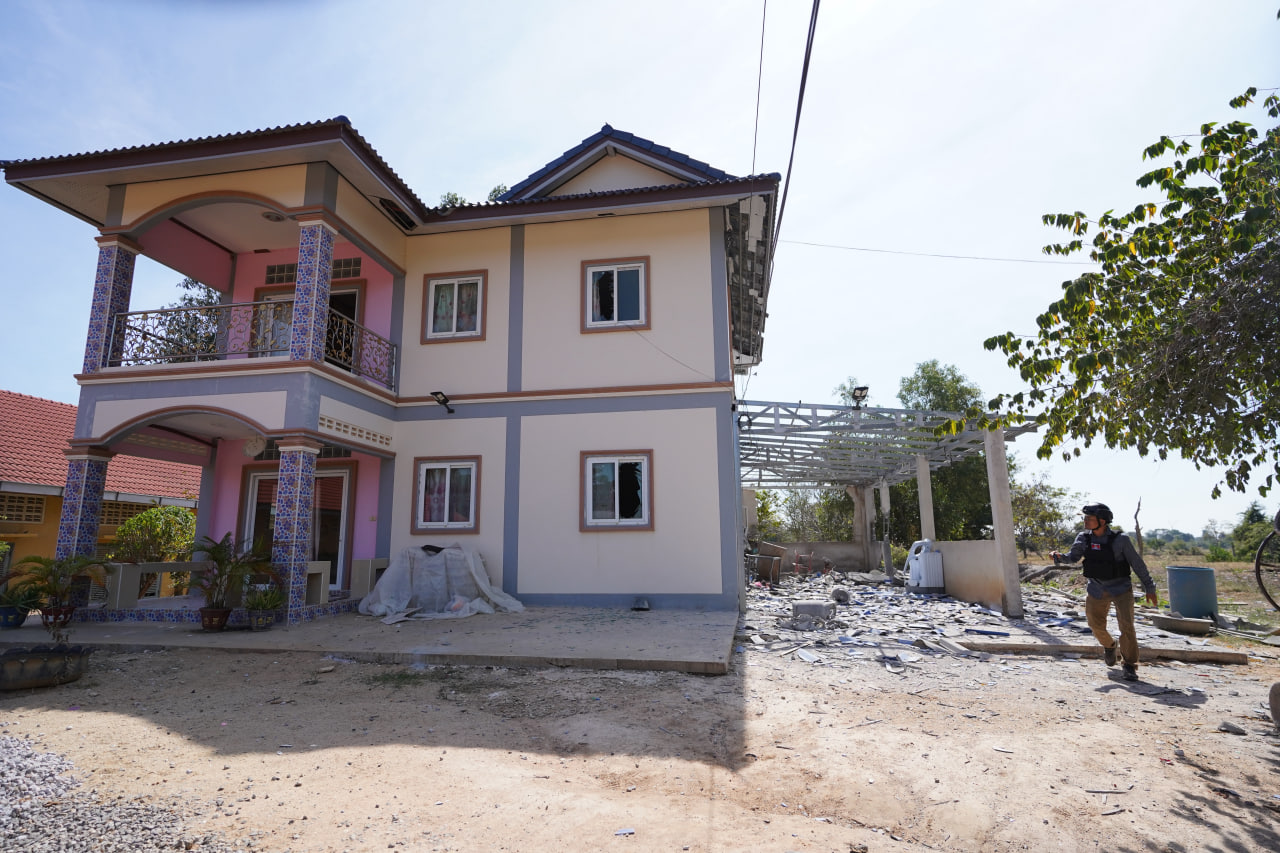
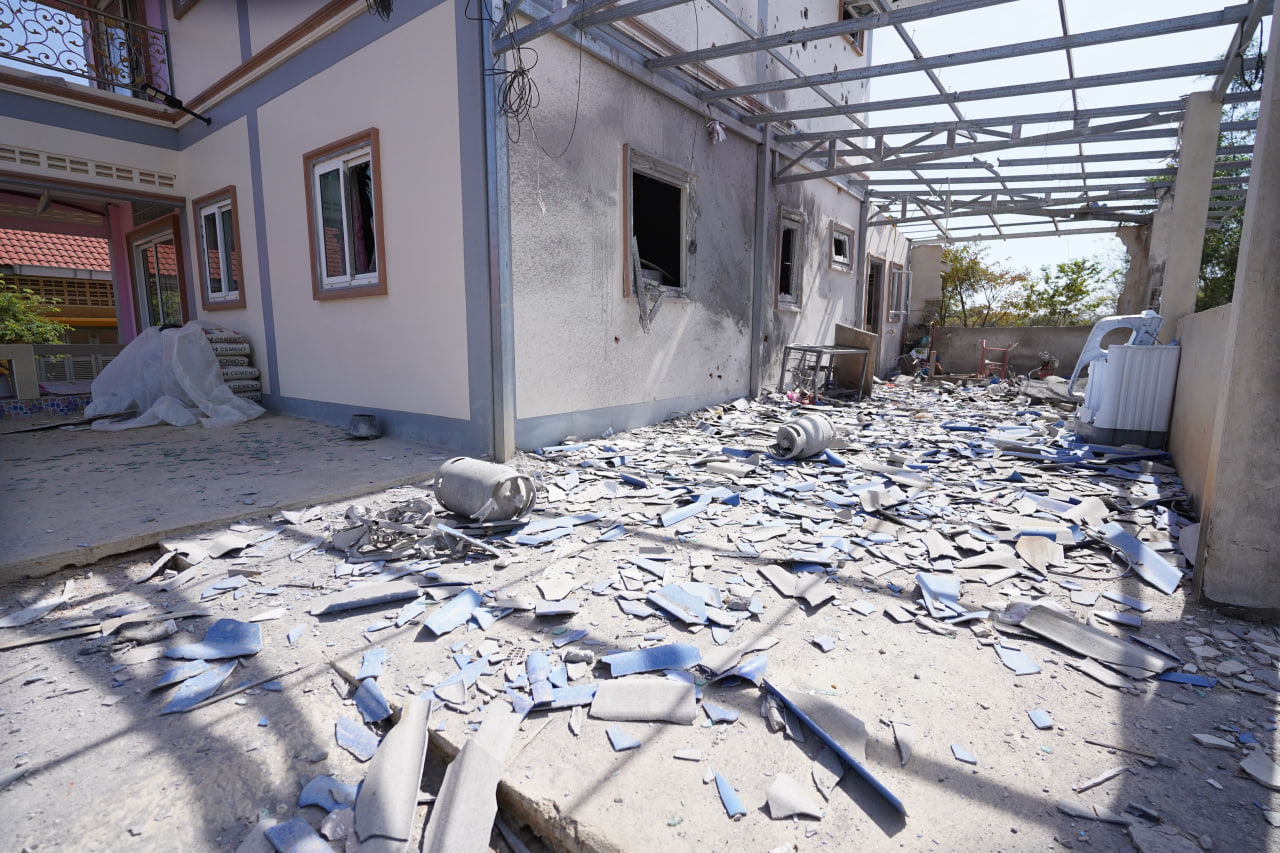
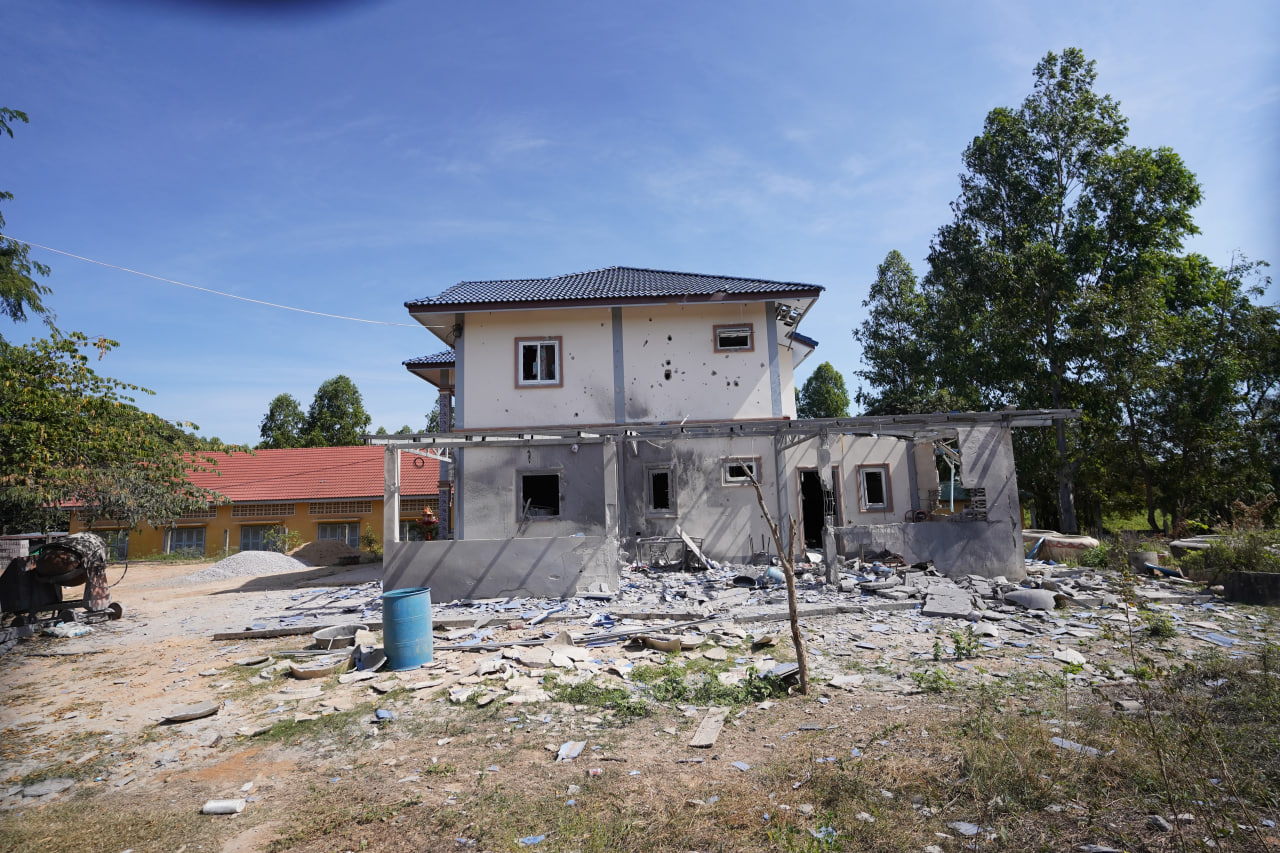
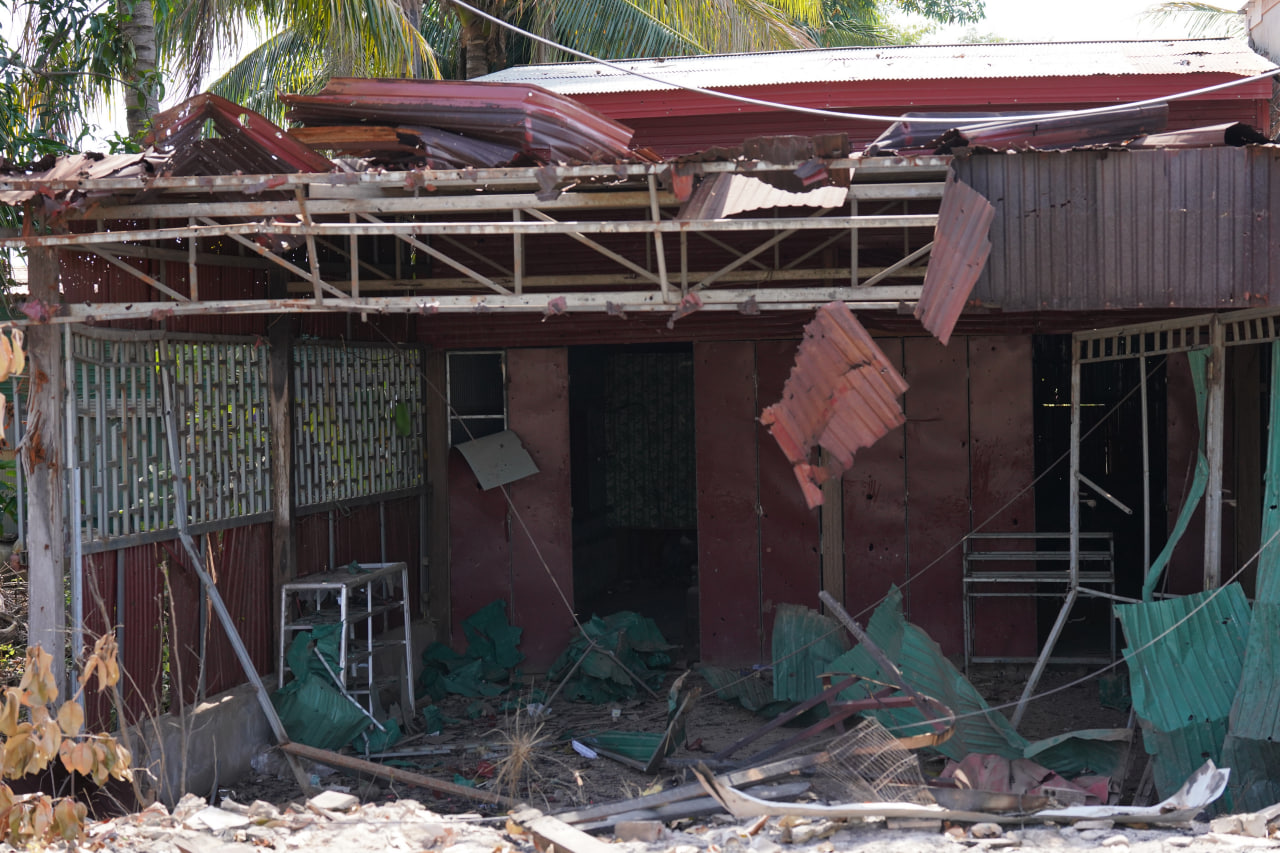
The Cambodian response says Thai troops occupy civilian areas including Boeung Trakuon, Chouk Chey and Prey Chan, preventing more than 150,000 displaced people from returning as of January 15. Indefinitely stationing troops in ways that obstruct the restoration of civilian life amounts to occupation regardless of the terminology, it argues. The joint statement must be read in both letter and spirit, with humanitarian needs taking precedence over military advantage.
Question 2: Thailand questions the ASEAN Observer Team (AOT) report on damage caused by Thai attacks and calls for “credible” verification. What is Cambodia’s position on the AOT report?
Answer: Cambodia reaffirms its confidence in the integrity and professionalism of the ASEAN Observer Team (AOT). As a mechanism established with both countries’ agreement to ensure neutral monitoring, the AOT already meets the standard of “credible verification”, the response says. Cambodia believes that respecting the authority and role of this agreed mechanism is a foundation for mutual trust. Rather than disputing reports that have already been verified, it encourages all parties to use the AOT’s findings as a basis for constructive discussion and improvements to the situation.
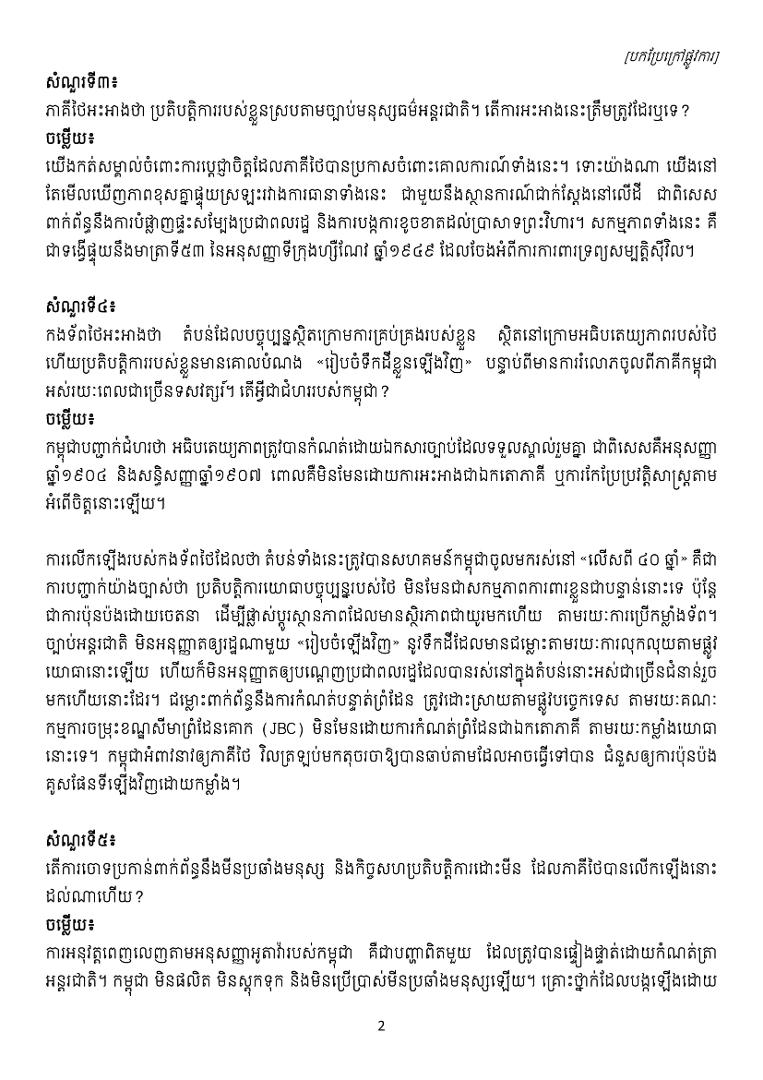
Question 3: Is Thailand’s claim that its operations comply with international humanitarian law correct?
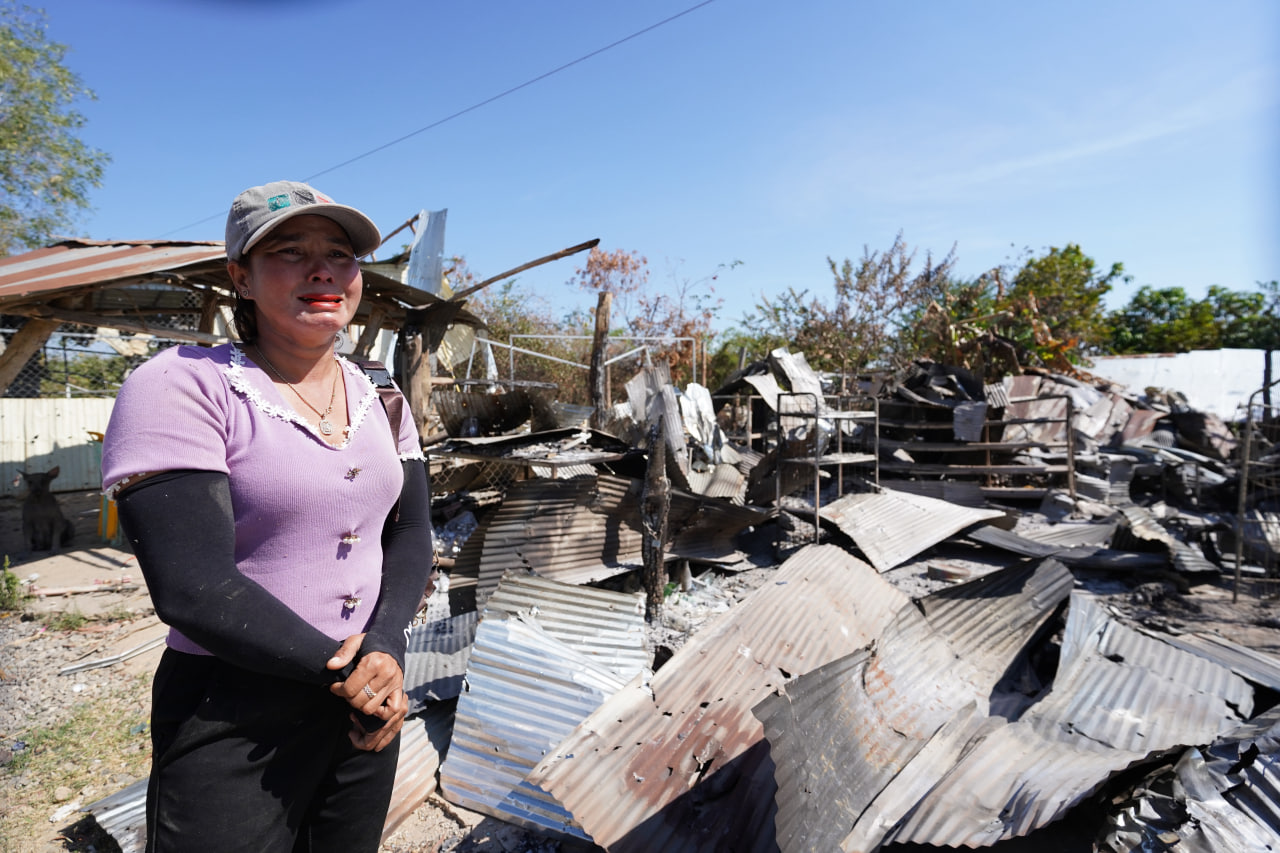
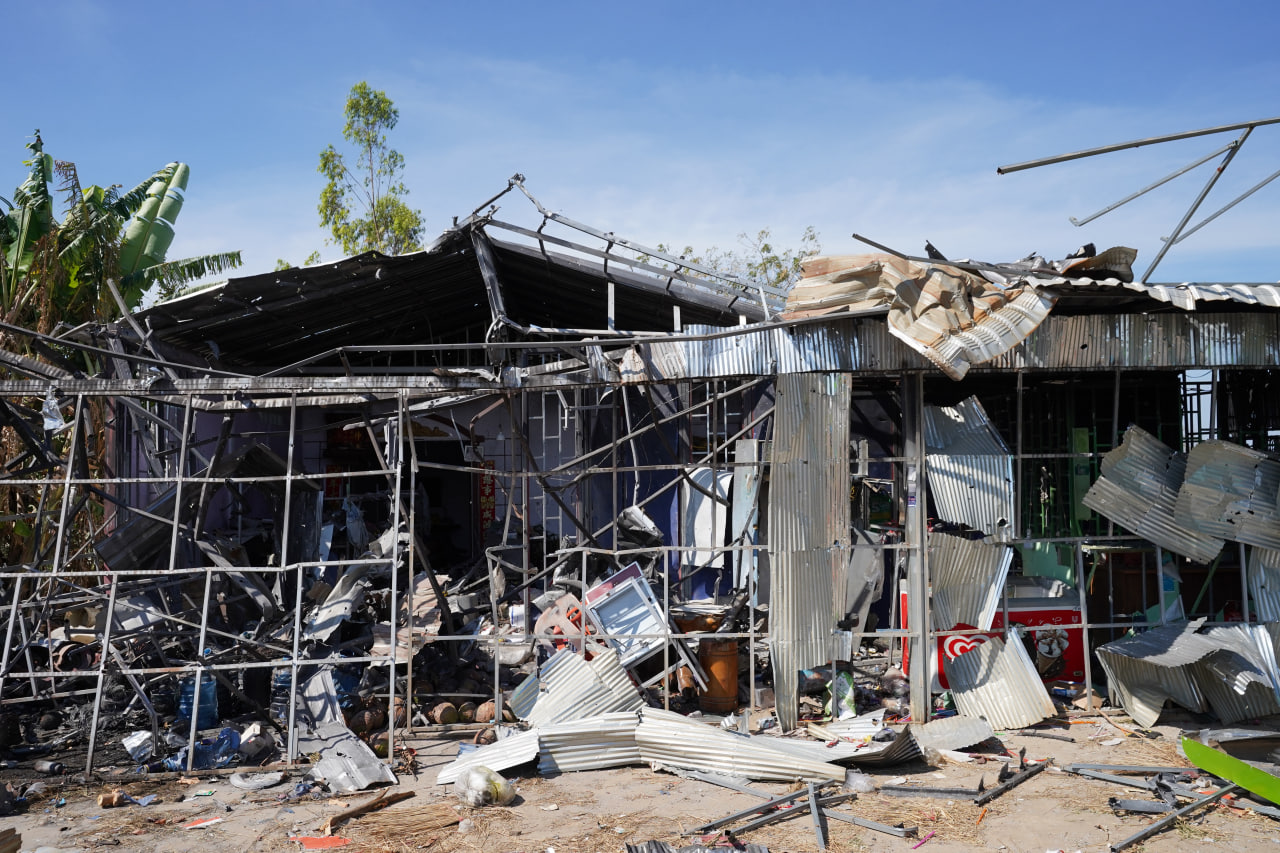
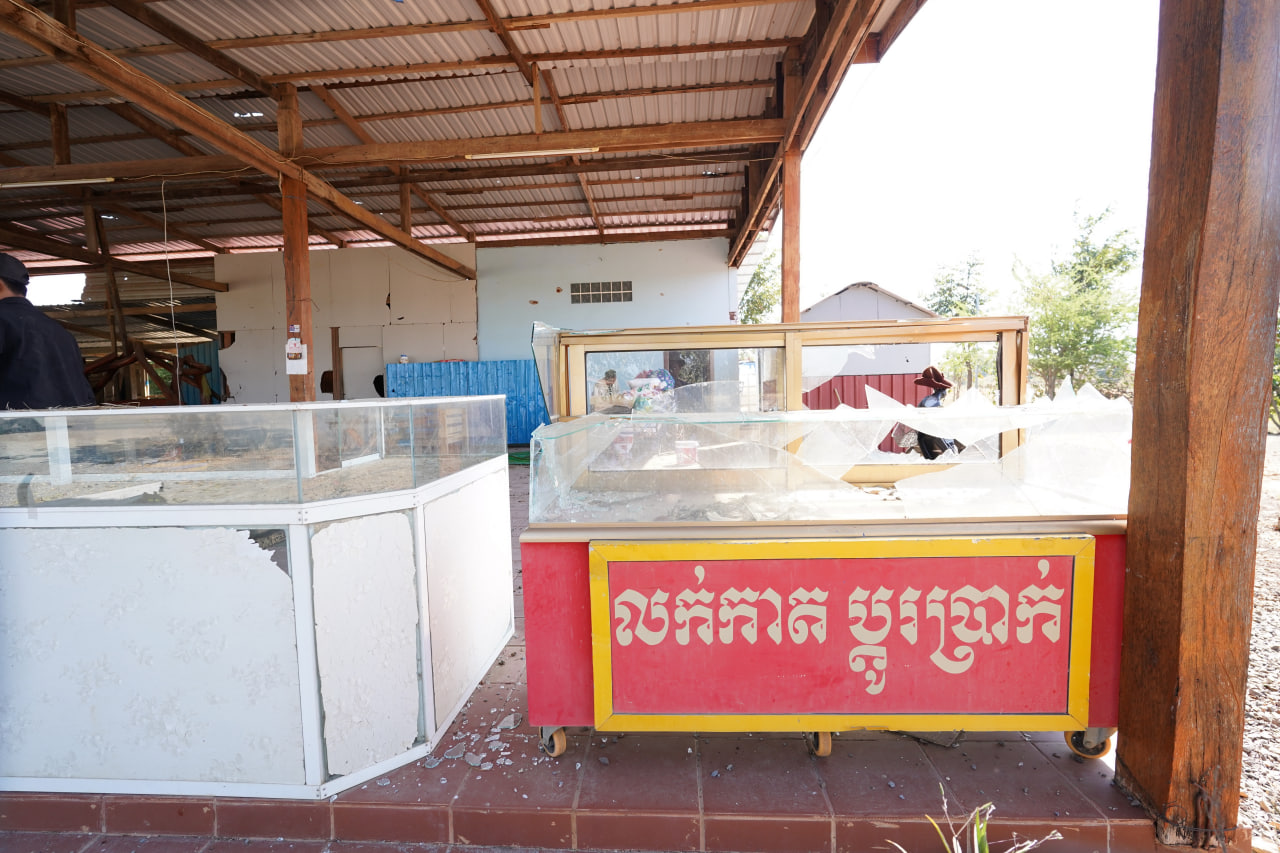
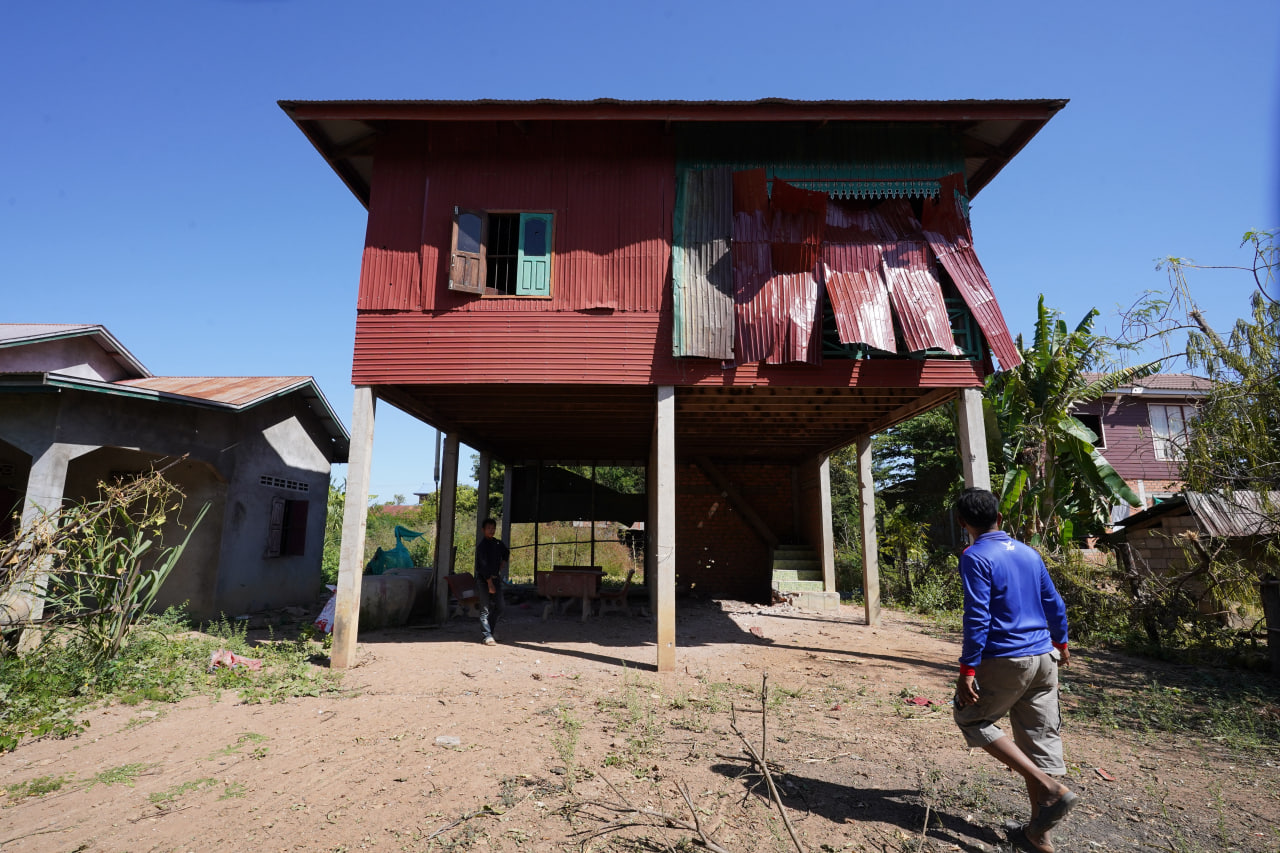
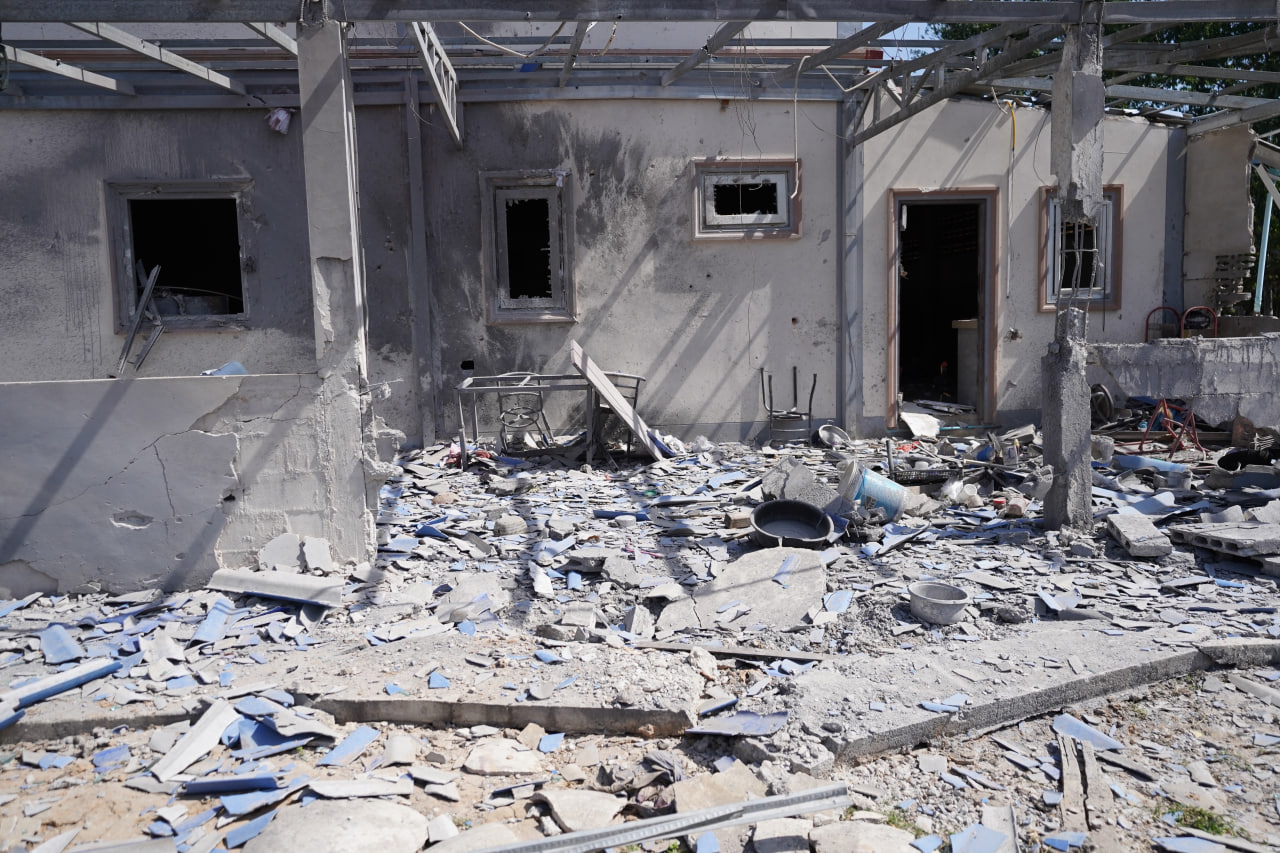
Answer: The Cambodian response notes Thailand’s declared commitment to these principles but contrasts it with conditions on the ground, including destroyed homes and damage to Preah Vihear. It argues that these acts run counter to Article 53 of the 1949 Geneva Convention protecting civilian property.
Question 4: The Thai military says the areas currently under its control are under Thai sovereignty and that its operations aim to “reorganise its own territory” after decades of Cambodian encroachment. What is Cambodia’s position?
Answer: Cambodia maintains that sovereignty is determined by mutually recognised legal instruments, particularly the 1904 Convention and the 1907 Treaty, rather than unilateral claims or arbitrary revisions of history.
It argues that Thailand’s acknowledgement that Cambodian communities have lived there for more than 40 years shows a deliberate attempt to change the status quo by force, rather than immediate self-defence.
The response says international law does not permit a state to “reorganise” disputed territory through military invasion or to evict people who have lived there for generations. Disputes over the boundary line must be settled through technical work under the Joint Boundary Commission (JBC), rather than unilateral demarcation by military force. Cambodia calls on Thailand to return to the negotiating table as soon as possible instead of attempting to redraw maps by force.
Question 5: What is the status of the allegations concerning anti-personnel mines and the demining cooperation raised by Thailand?
Answer: Cambodia says its full compliance with the Ottawa Convention is a fact verified by international records. It says Cambodia neither produces nor stockpiles nor uses anti-personnel mines. Recent mine accidents are a legacy of Cambodia’s long civil war, it maintains, adding that this fact was already confirmed at the 22nd Meeting of States Parties in Geneva.
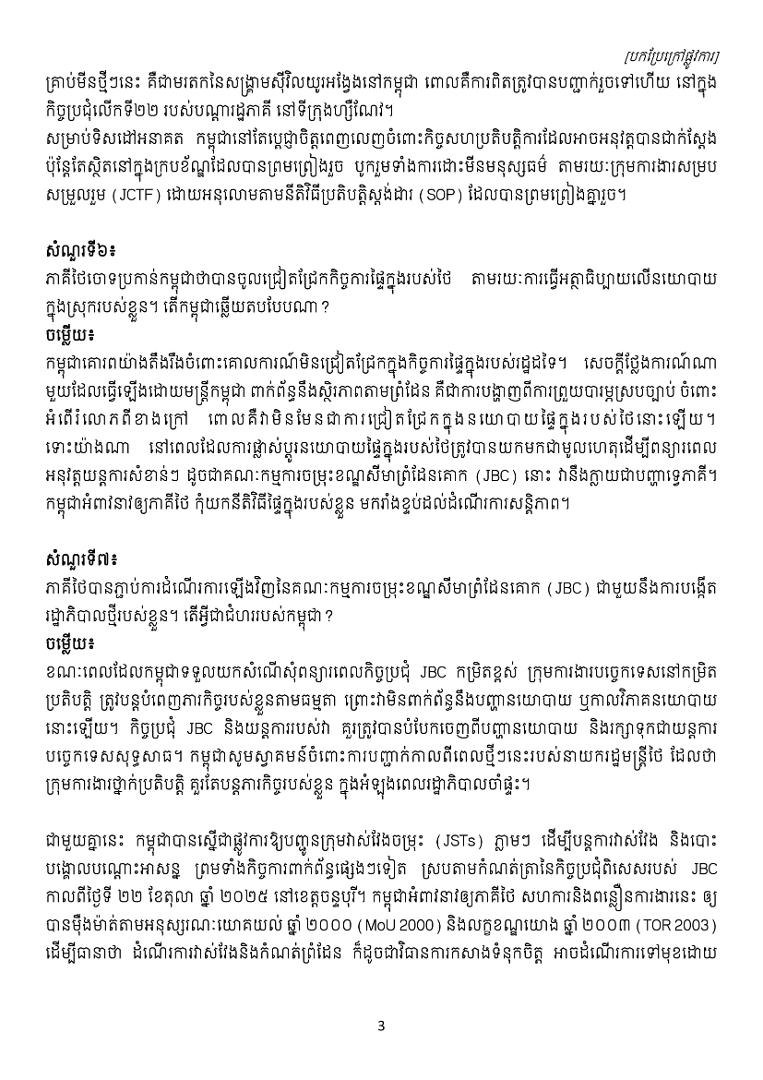
Looking ahead, Cambodia remains fully committed to practical cooperation, but only within the agreed framework, including humanitarian demining through the Joint Coordinating Task Force (JCTF) in accordance with agreed standard operating procedures (SOP).
Question 6: Thailand accuses Cambodia of interference through comments on Thai domestic politics. What is Cambodia’s response?
Answer: Cambodia says it strictly respects the principle of non-interference in other states’ internal affairs. Any statements by Cambodian officials concerning border stability express legitimate concern over external violations, it says, rather than interference in Thailand’s domestic politics.
However, when Thailand’s domestic political changes are invoked as grounds for delaying key mechanisms such as the Joint Boundary Commission (JBC), the response says, this becomes a bilateral issue. Cambodia calls on Thailand not to allow its internal procedures to obstruct the peace process.
Question 7: Thailand links the resumption of the JBC to the formation of a new government. What is Cambodia’s position?
Answer: While Cambodia accepts the request to postpone the high-level JBC meeting, it says operational technical teams must continue their duties as normal, since these are unrelated to political issues or political timetables. JBC meetings and mechanisms should be kept separate from politics and maintained as purely technical mechanisms.
Cambodia welcomes the Thai prime minister’s recent statement that operational teams should continue their duties during the caretaker government.
At the same time, Cambodia has formally requested the immediate dispatch of Joint Survey Teams (JSTs) to resume surveying, the placement of temporary markers and other related work in accordance with the record of the special JBC meeting held in Chanthaburi on October 22, 2025. Cambodia calls on Thailand to cooperate and expedite this work in strict accordance with the 2000 Memorandum of Understanding (MoU 2000) and the 2003 Terms of Reference (TOR 2003), so that surveying, demarcation and confidence-building measures can advance without delay, and to fully implement paragraph 3 of the GBC joint statement dated December 27, 2025.
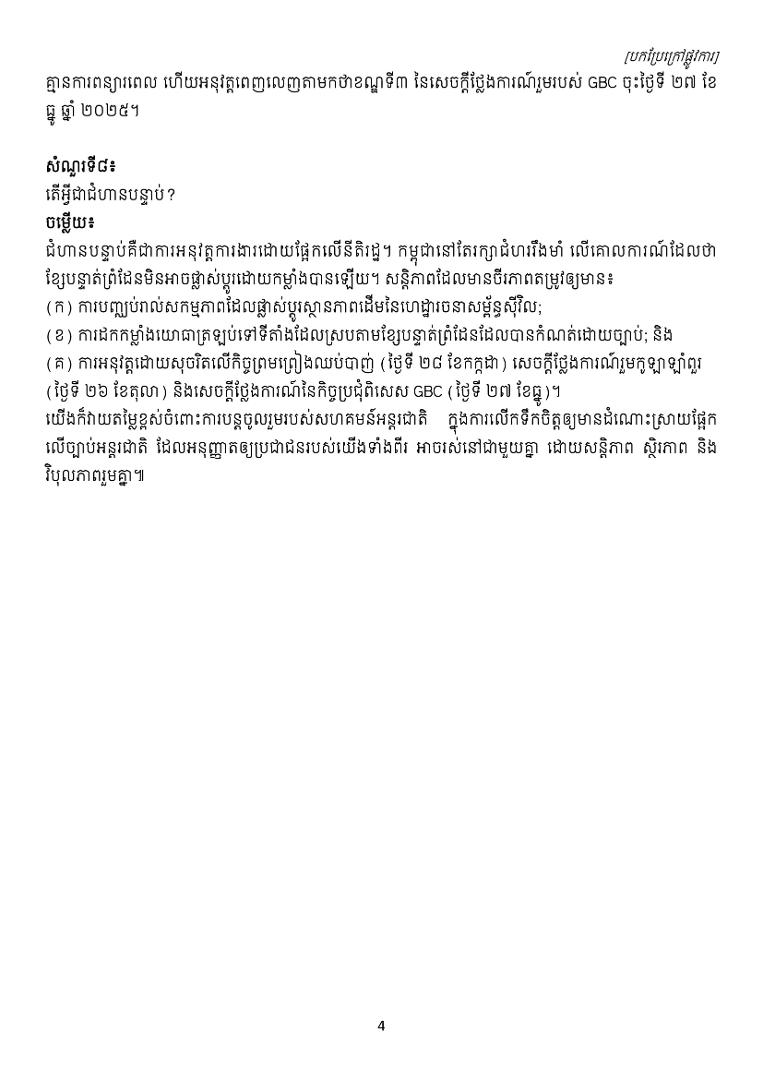
Question 8: What should happen next?
Answer: The next step is to carry out the work on the basis of the rule of law. Cambodia remains firm on the principle that border lines cannot be changed by force. It says lasting peace requires the following:
(a) Stop all activities that alter the status quo of civilian infrastructure; (b) withdraw troops to positions consistent with the legally defined border.
(c) Implement in good faith the July 28 ceasefire agreement, October 26 Kuala Lumpur Joint Declaration and December 27 special GBC joint statement.
Cambodia also expresses high appreciation for the international community’s continued engagement in encouraging a settlement based on international law, enabling the peoples of both countries to live together in peace, stability and shared prosperity.
By: Chinda Titi