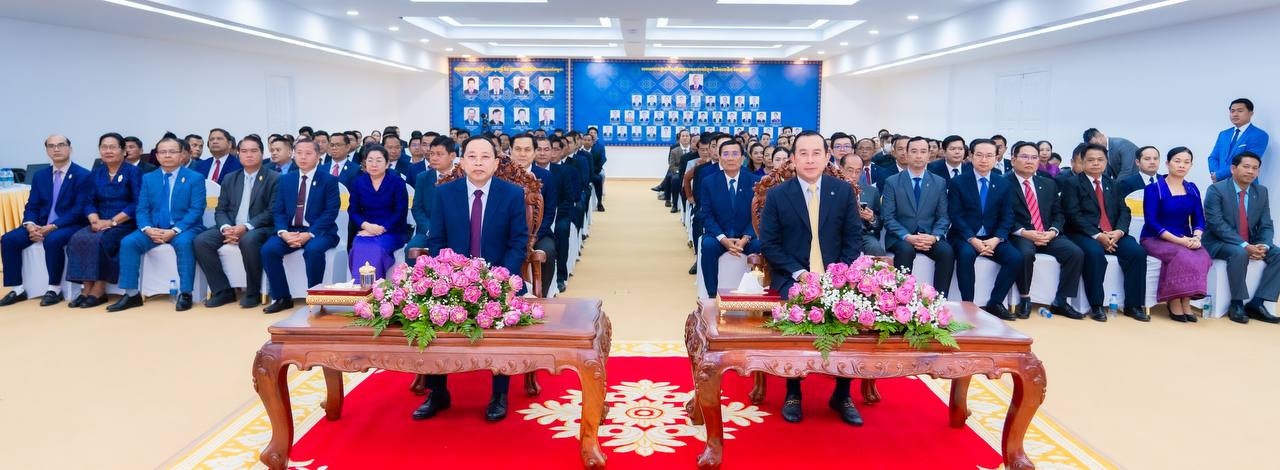
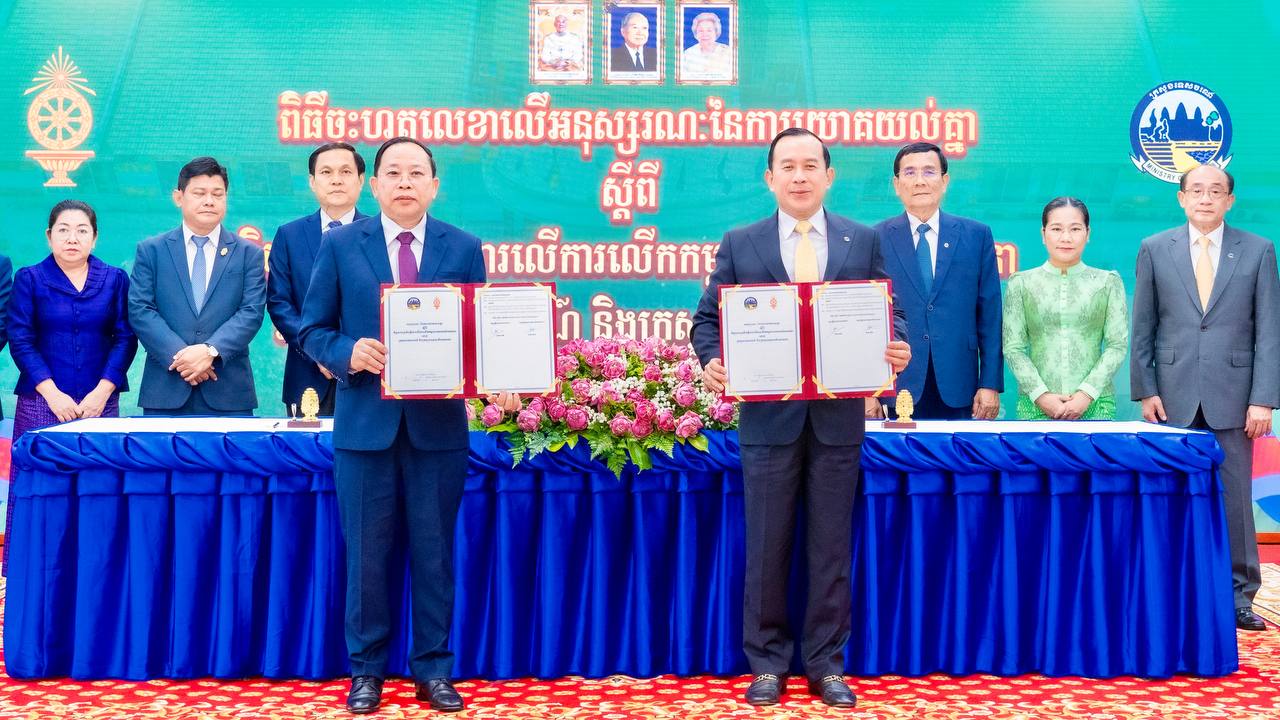
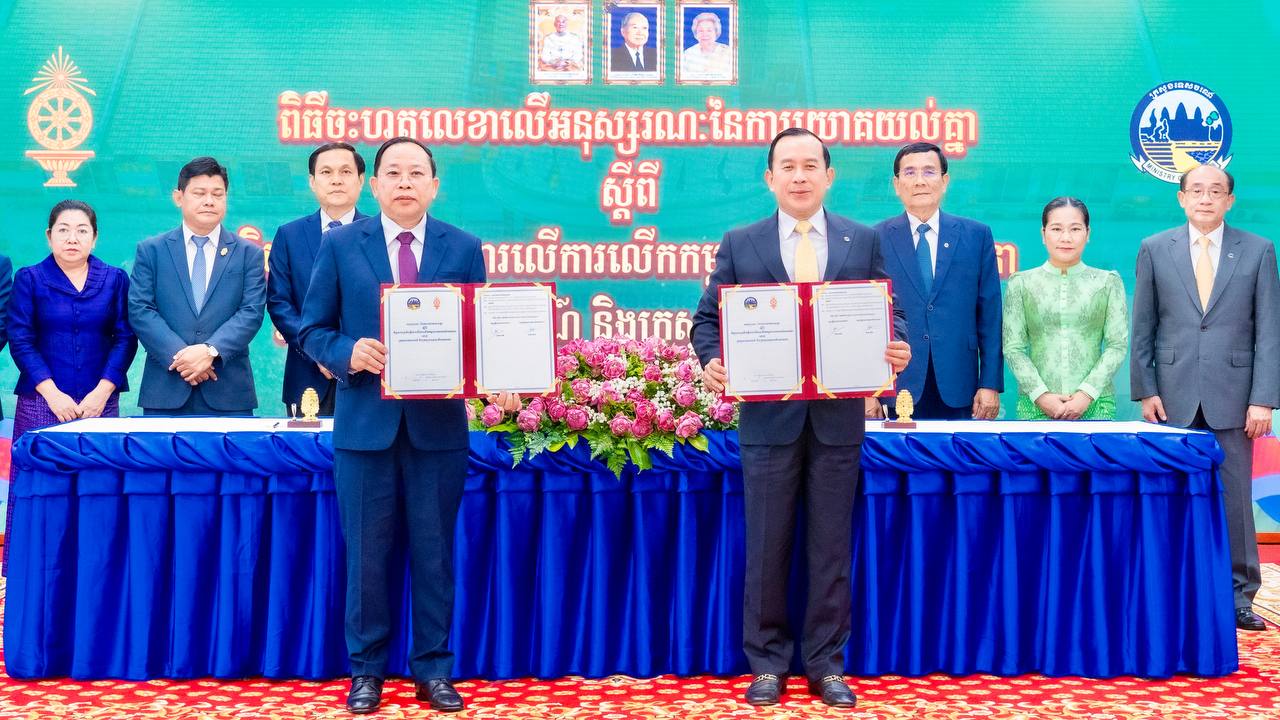
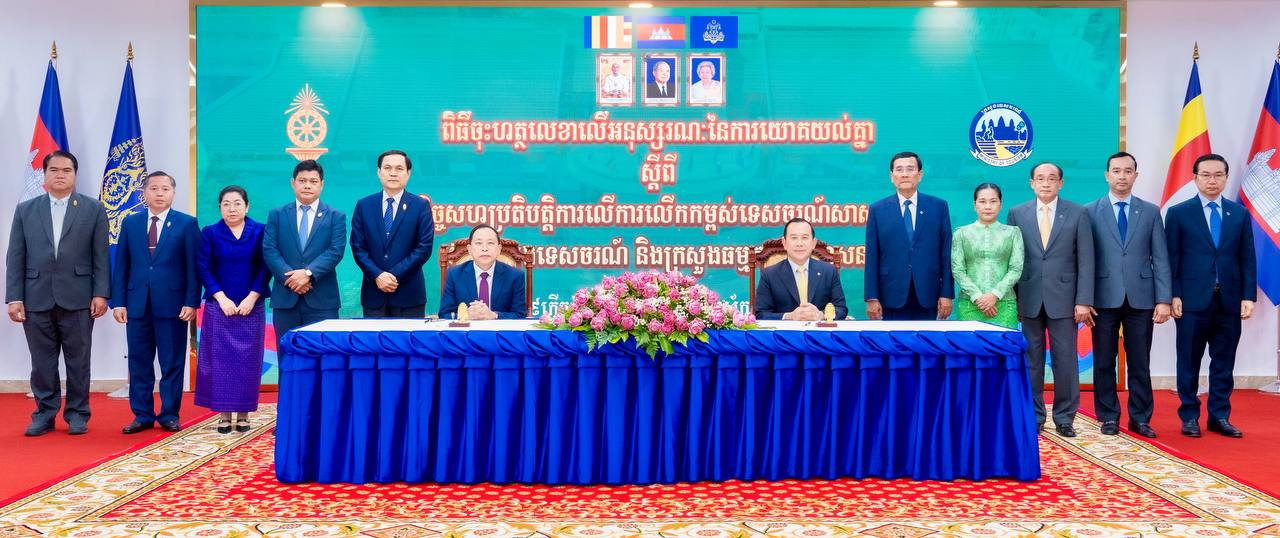
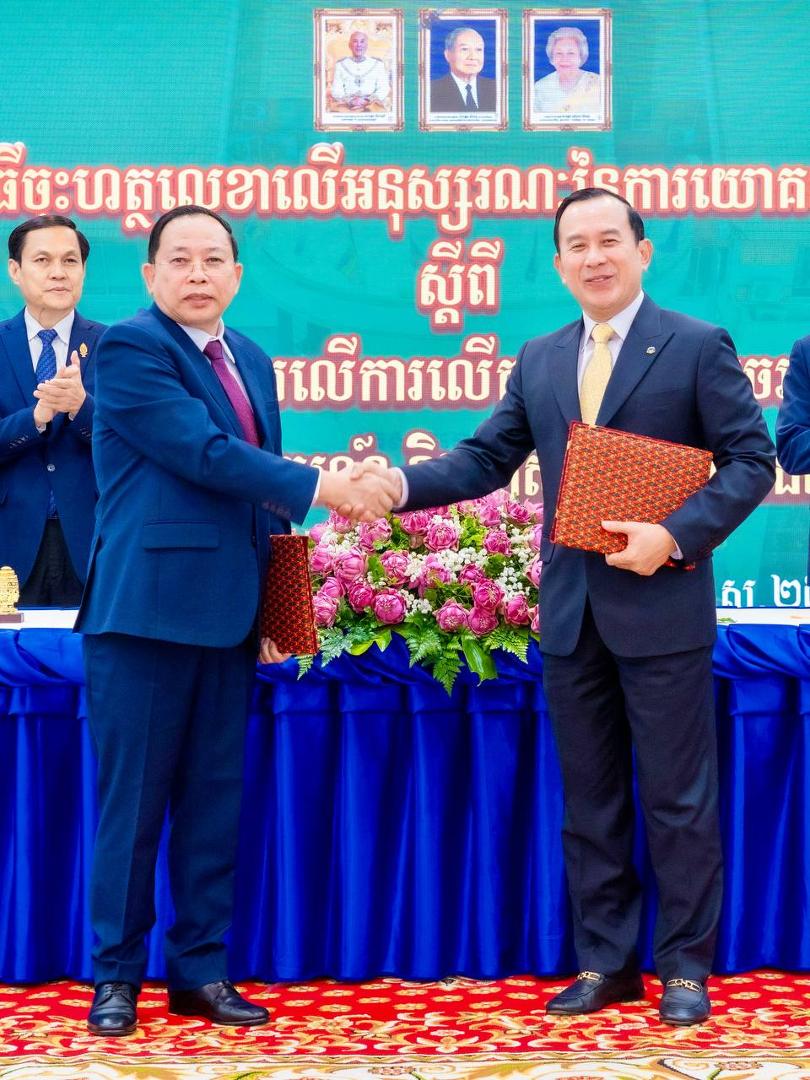
The Ministry of Tourism and the Ministry of Cults and Religion signed a memorandum of understanding (MoU) on January 27, expressing a joint commitment to cooperation on religious-tourism development in Cambodia.
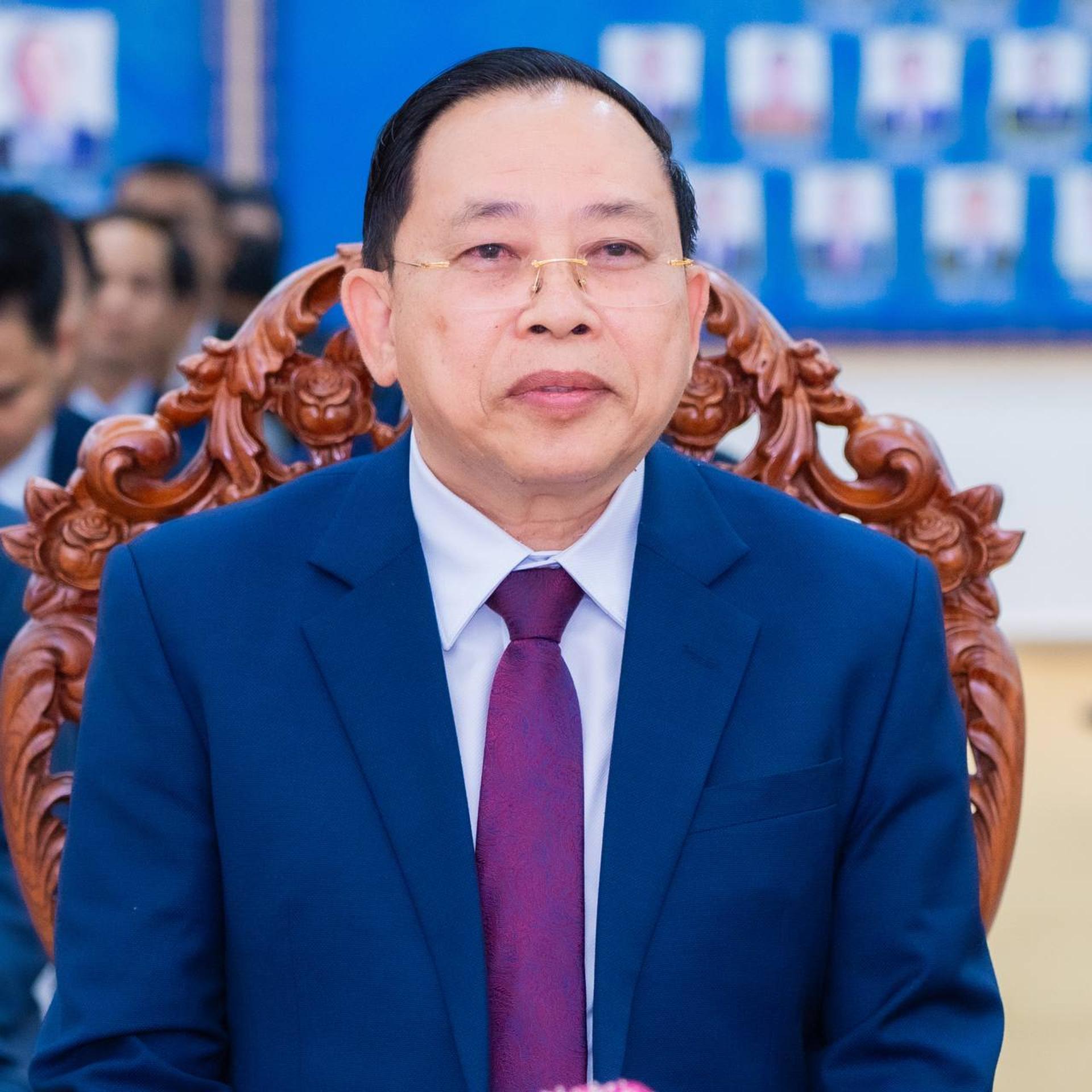
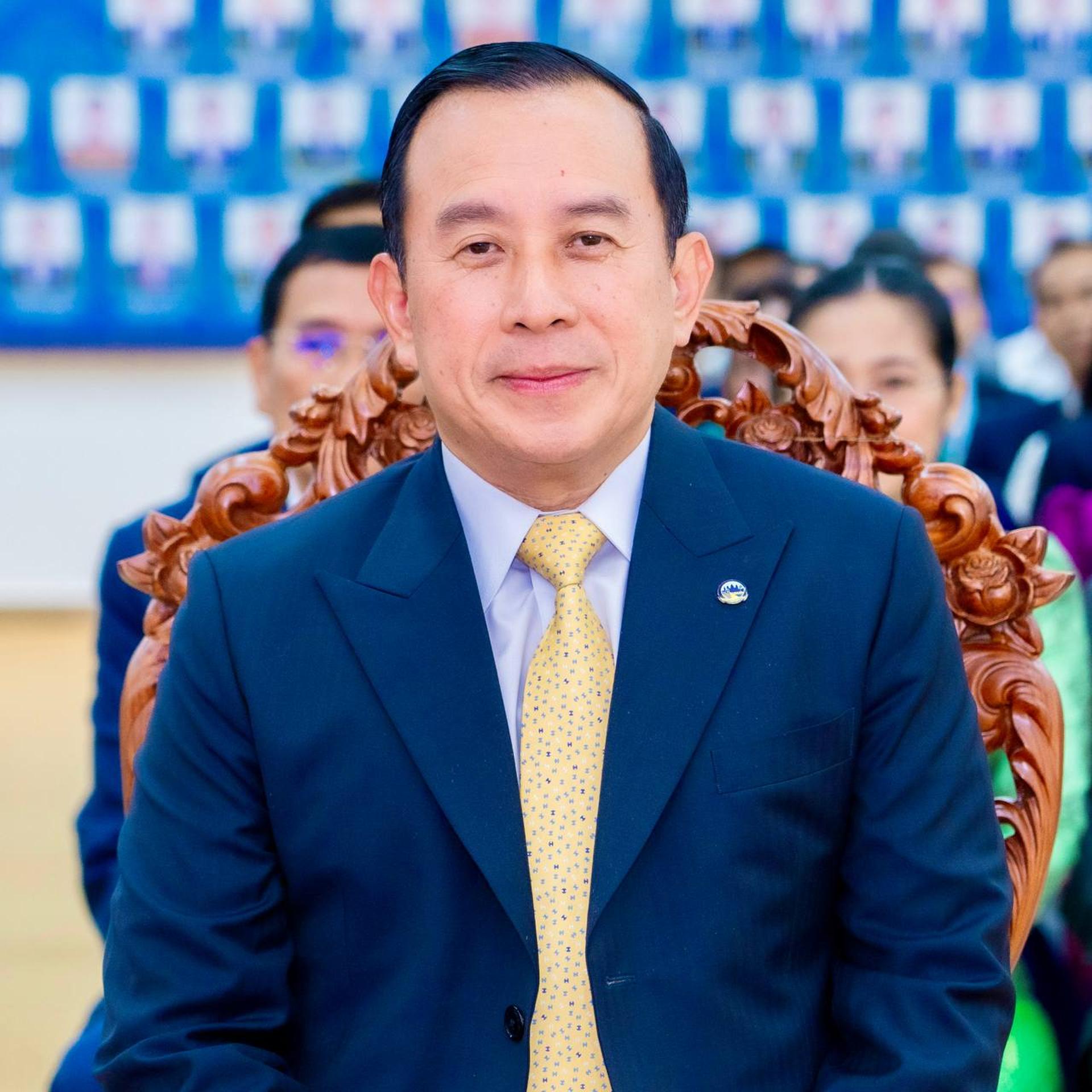
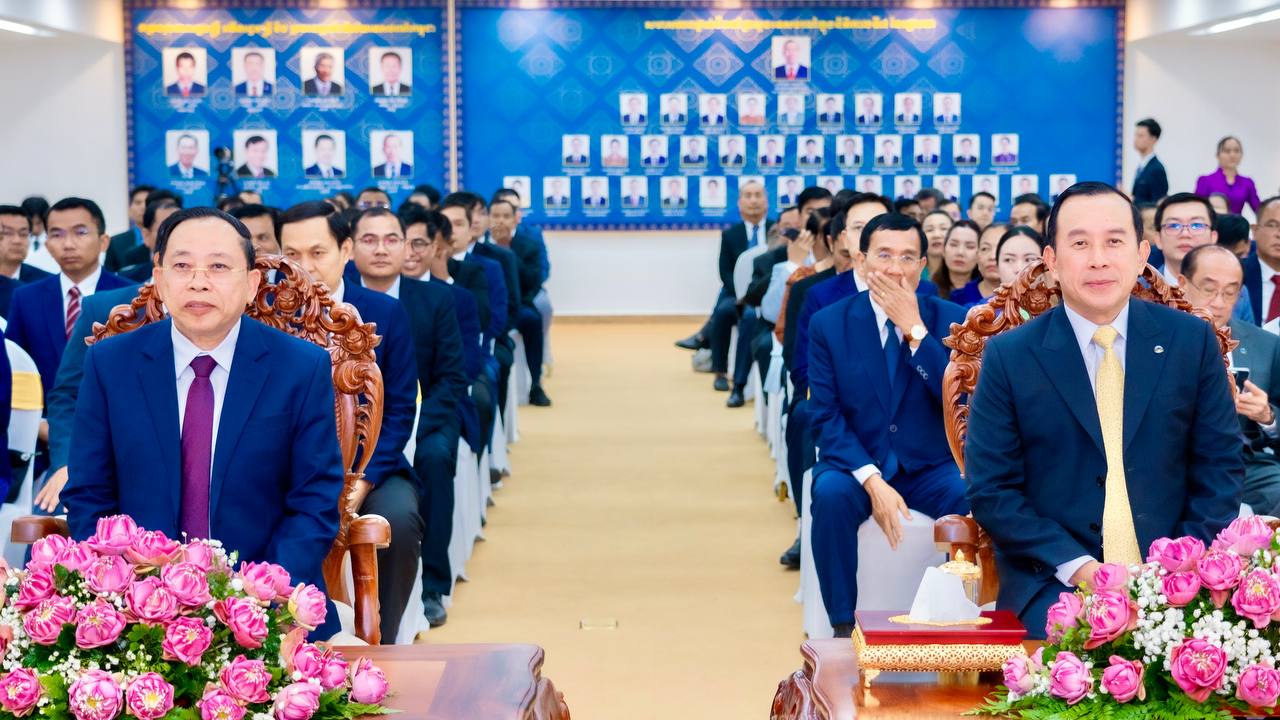
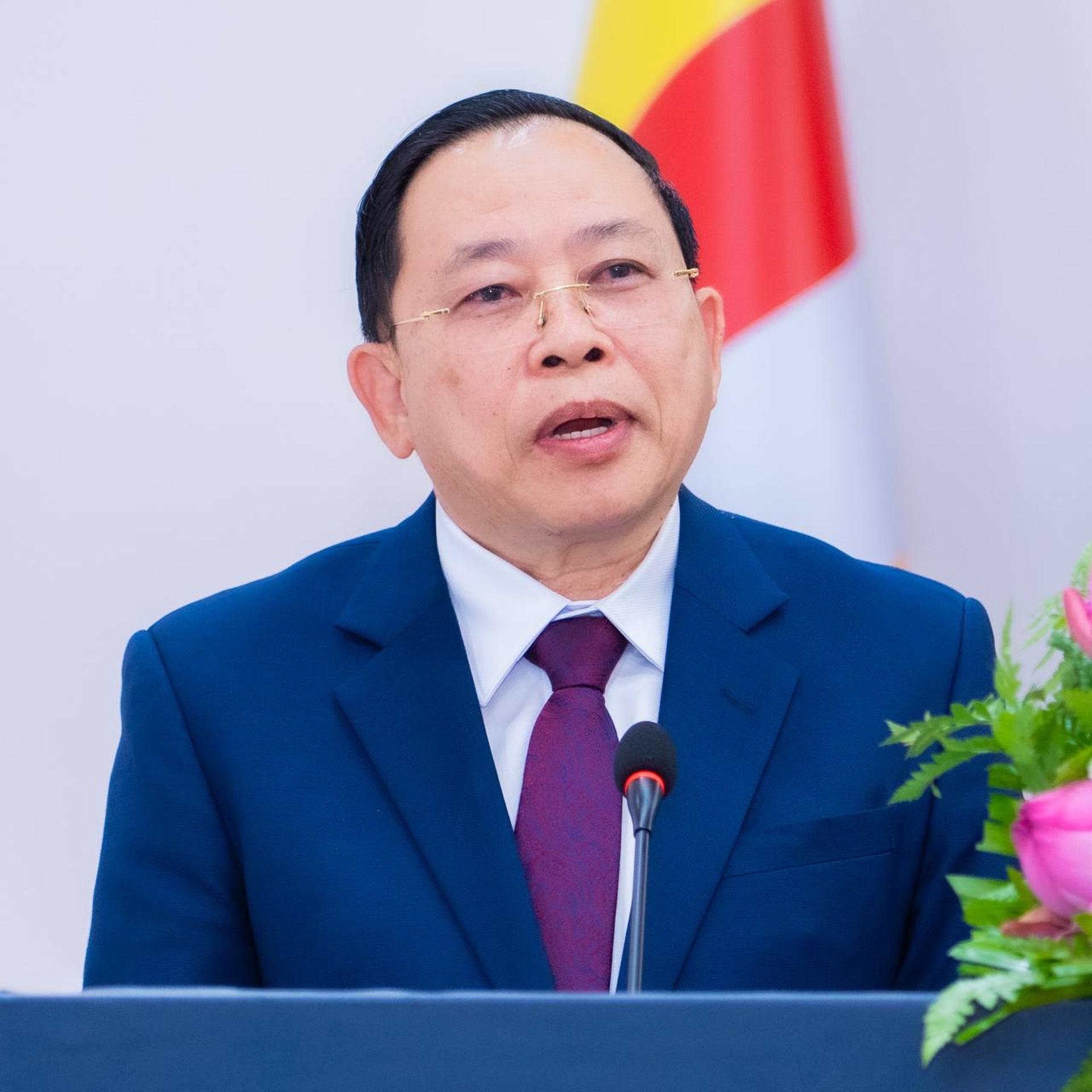
The ceremony was held in the presence of Tourism Minister Huot Hak and Minister of Cults and Religion Chay Borin. Its aims include wider promotion of Cambodia’s religious-tourism potential, creating and diversifying religious-tourism events to attract visitors, hospitality and guide training, and improving key infrastructure to support religious-tourism products.
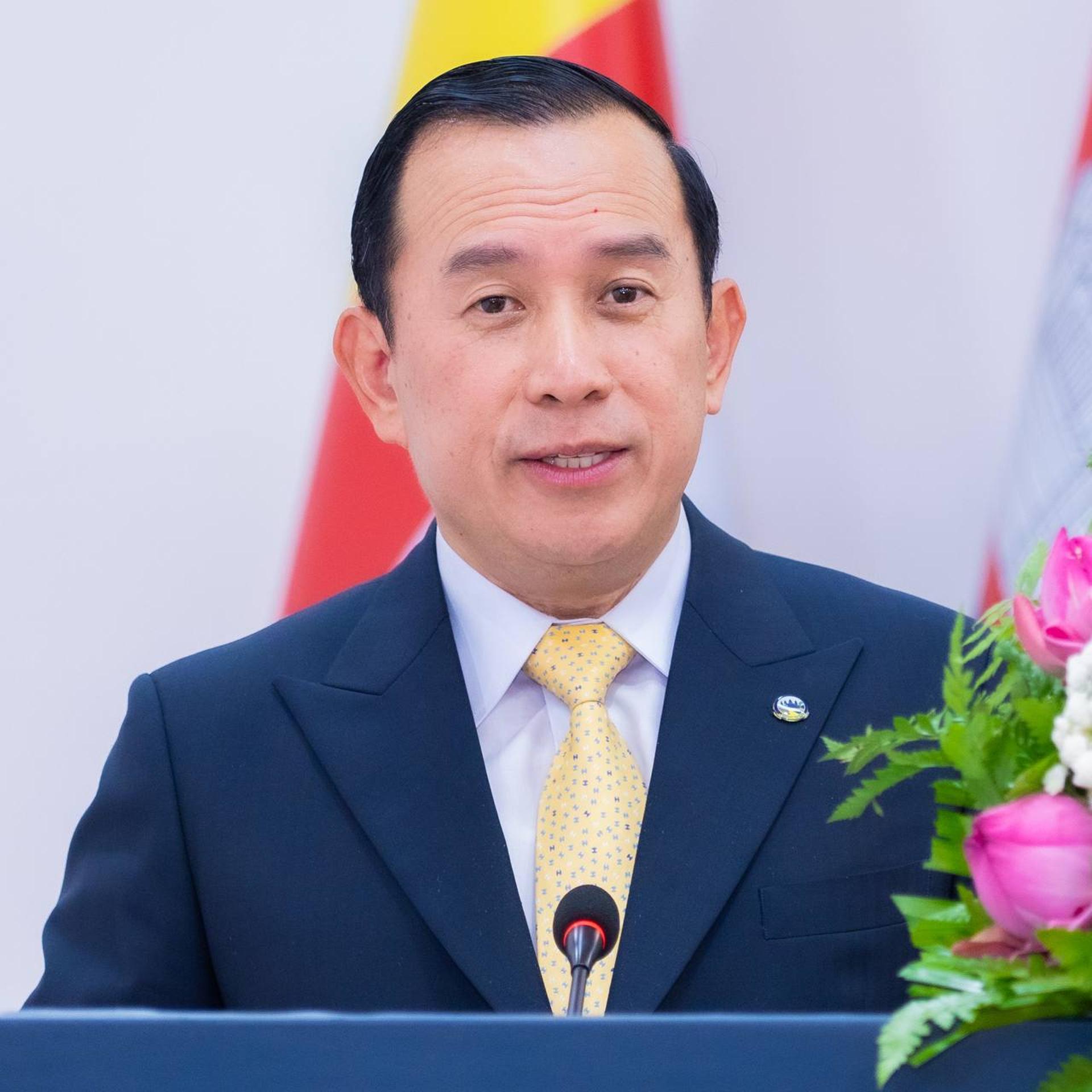
Huot Hak said Cambodia rested on strong cultural, historical and religious foundations. Religion was not only a foundation for belief and social morality but also central to maintaining peace and social harmony.
He added that tourism and religion were closely linked and complementary. The memorandum reflected a shared vision for religious and cultural tourism, with development grounded in resilience, sustainability and inclusion, preserving cultural identity and respecting the values of all religions. Cooperation between the ministries was a key catalyst for turning cultural and religious heritage into economic and social development for the country and its people.
The minister hoped the memorandum would become a model of interministerial cooperation delivering tangible benefits to tourism, religion, local communities and society as a whole.
The memorandum would also deepen cooperation through a dynamic “one-actor-system” approach, with joint thinking, action and responsibility and proactive, active and interactive principles. It aimed to grow domestic tourism, attract more international visitors and uphold religious values, social morality and national identity.
By: Nget Pisant.