
Japan recently urged Cambodia and Thailand to resolve border problems through dialogue and reopen land crossings as soon as possible. Japanese Ambassador to Cambodia Ueno Atsushi told a Phnom Penh discussion on Cambodia–Japan relations in a new world that prolonged border closures had materially affected Japanese companies' production and logistics in Cambodia, especially those relying on a Thailand-plus-one strategy.
Many Japanese companies used Thailand as a manufacturing and logistics hub while shifting some production to lower-cost Cambodia. Once land transport between Cambodia and Thailand was obstructed, they had to switch to sea or air transport or detour through Laos and Viet Nam, substantially raising logistics costs and supply-chain pressure. Since the previous year, Japan's government and investors in Thailand and Cambodia had repeatedly called for the border to reopen to avoid companies being forced to adjust or relocate production.
Ueno Atsushi nevertheless considered the effect of border tensions on Japanese companies' overall investment confidence to remain manageable. Many firms were maintaining operations by increasing transshipment through Viet Nam and using more sea transport. Figures showed Cambodia–Japan trade grew 17 percent year on year in 2025 to US$2.53 billion. There were about 500 Japanese companies in Cambodia, and chamber membership had increased to 248, indicating resilience in overall economic and trade cooperation.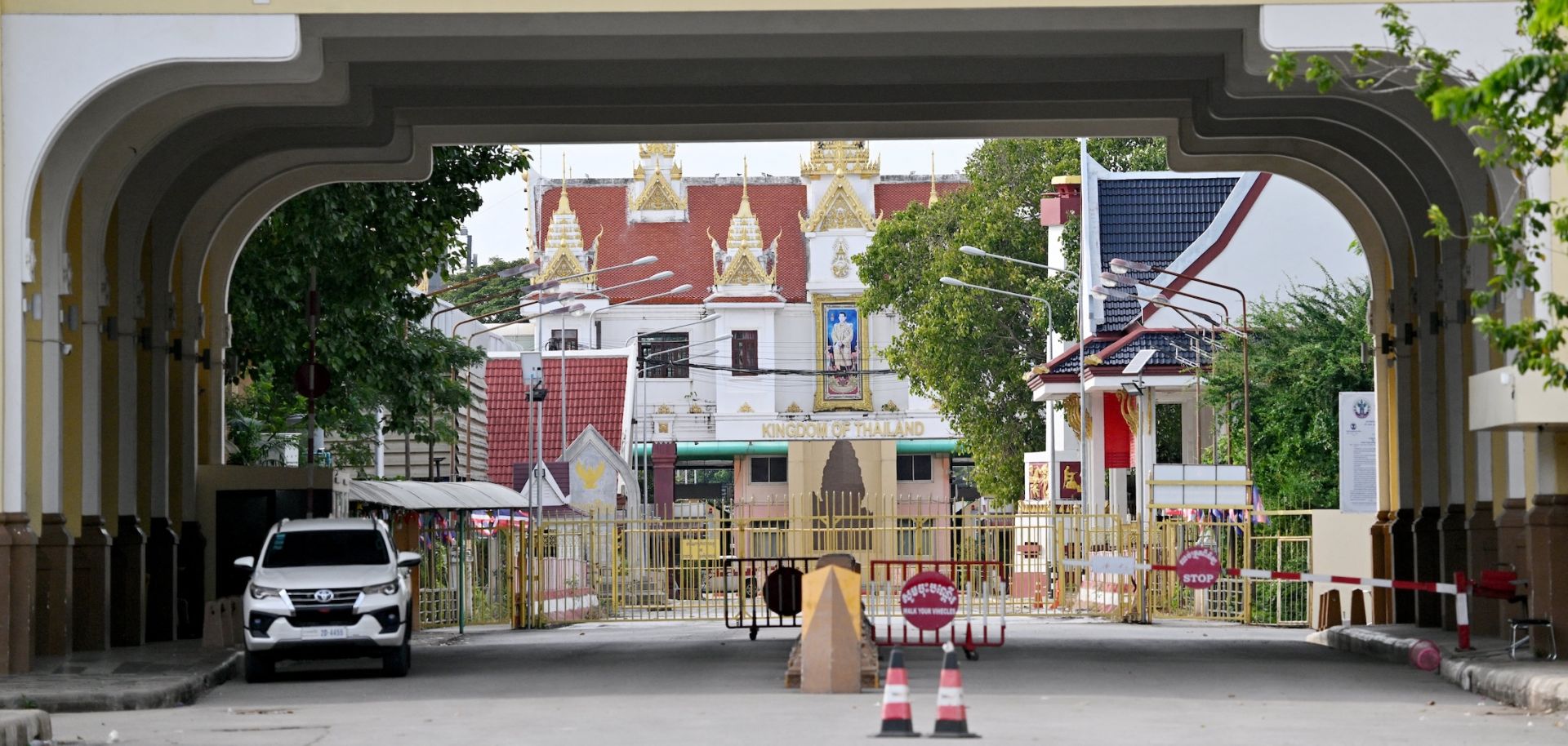
Compiled reporting by KPS99TV.