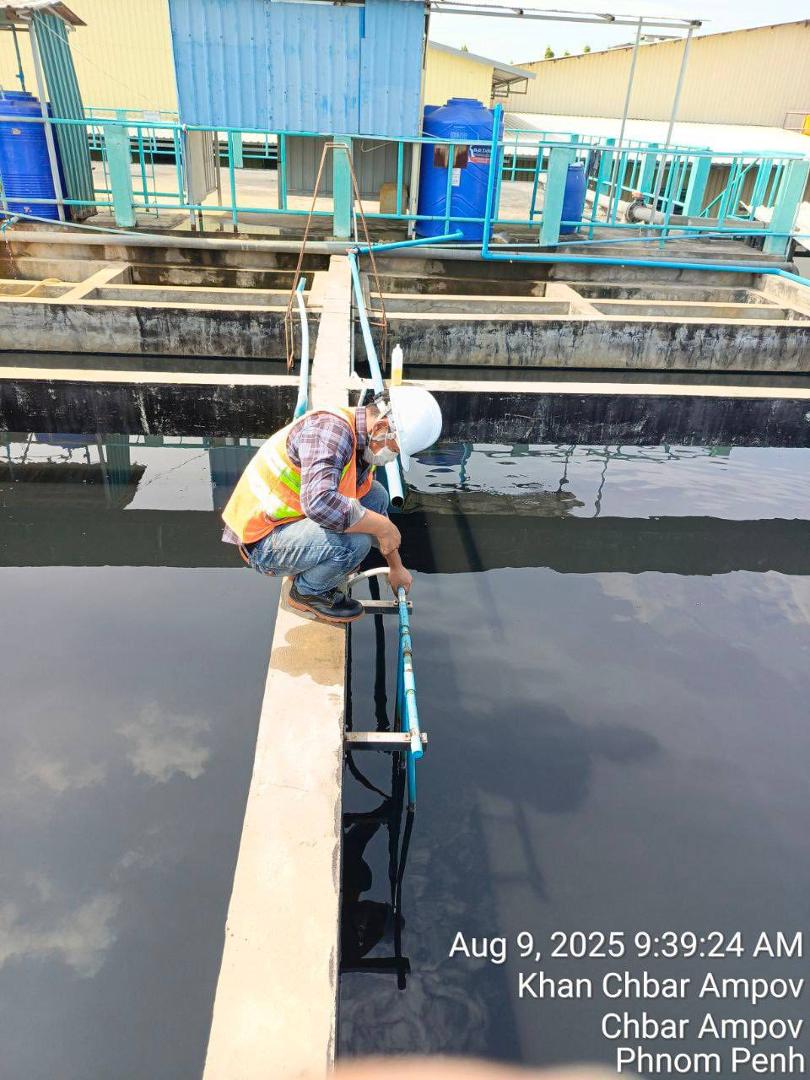
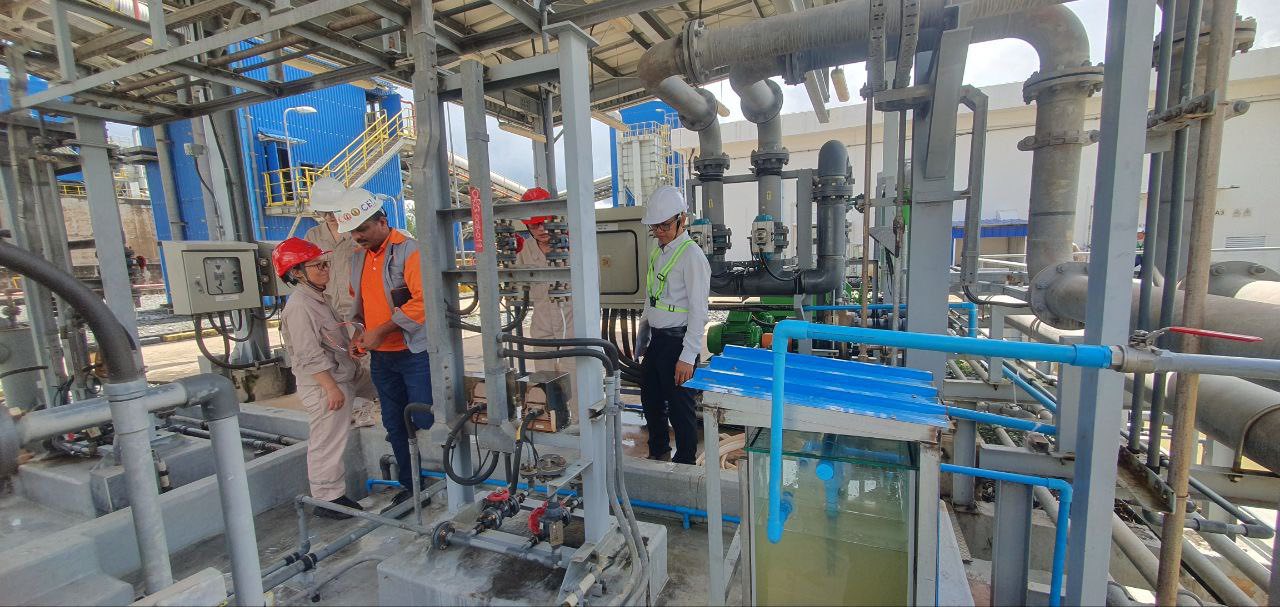
To protect public health and residents’ living conditions, 70,875 cubic metres of contaminated liquid waste a day, or more than two million cubic metres a month, from companies, factories and enterprises had been prevented from polluting the environment, the report said. Environment Ministry spokesperson Khvay Atitya noted businesses’ participation in installing self-monitoring equipment and wastewater-discharge data-management systems.
He said the results followed legal measures under the Environment and Natural Resources Code. Potential pollution sources included laundry and dyeing factories and factories producing semi-finished products using chemical raw materials.
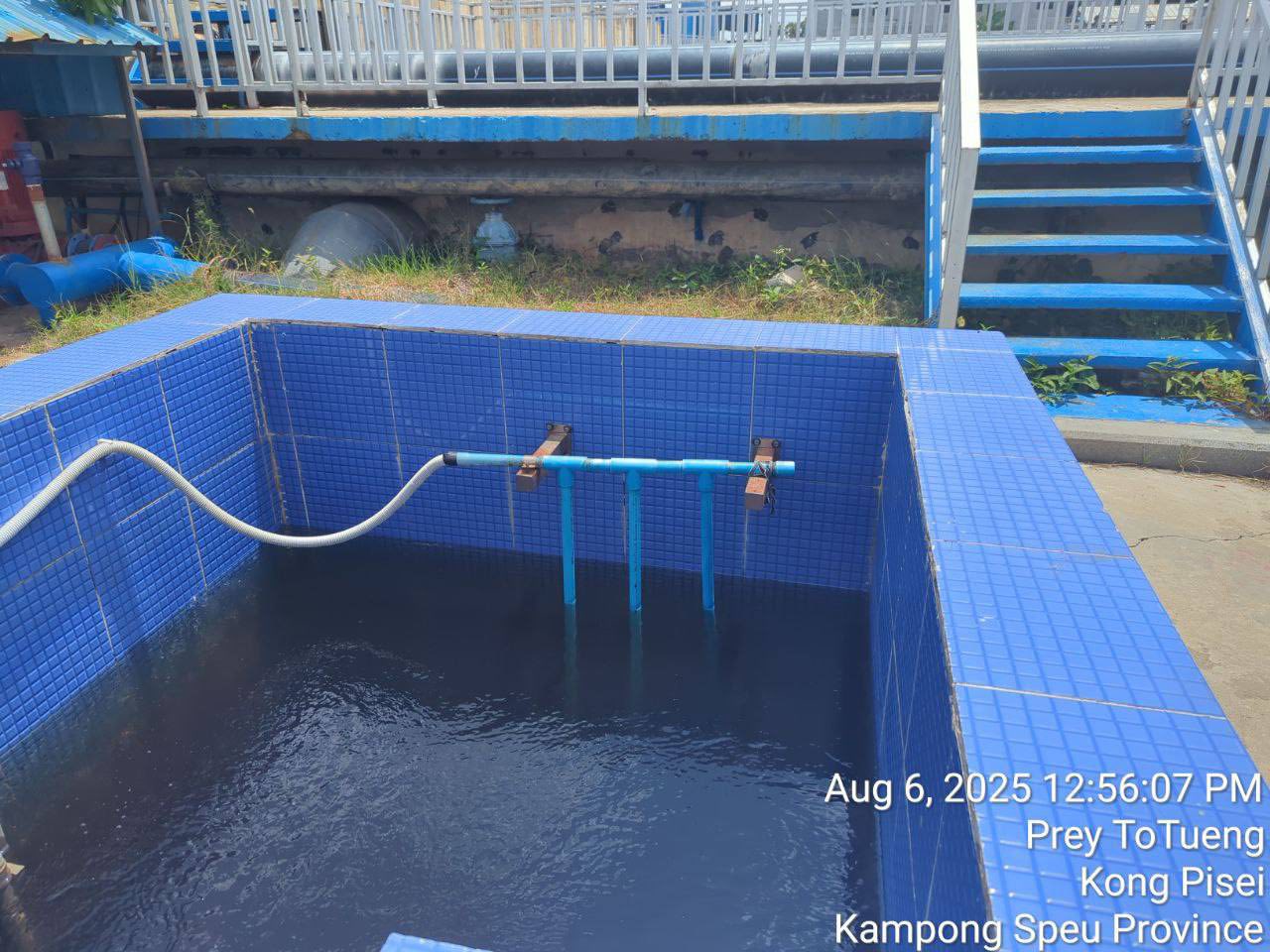
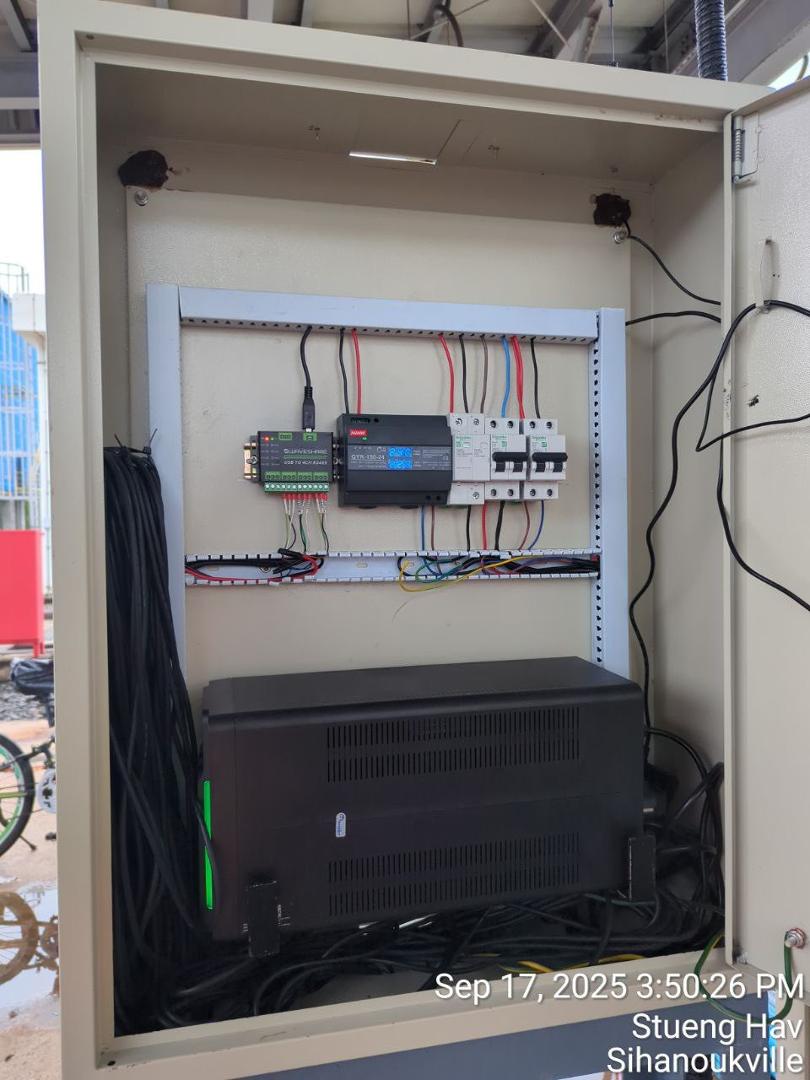
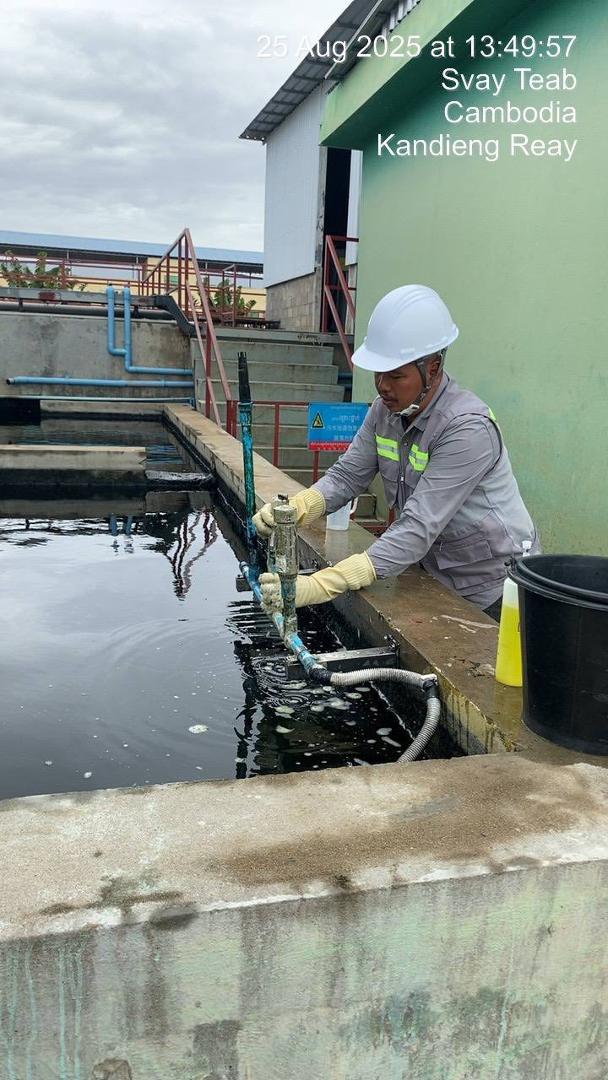
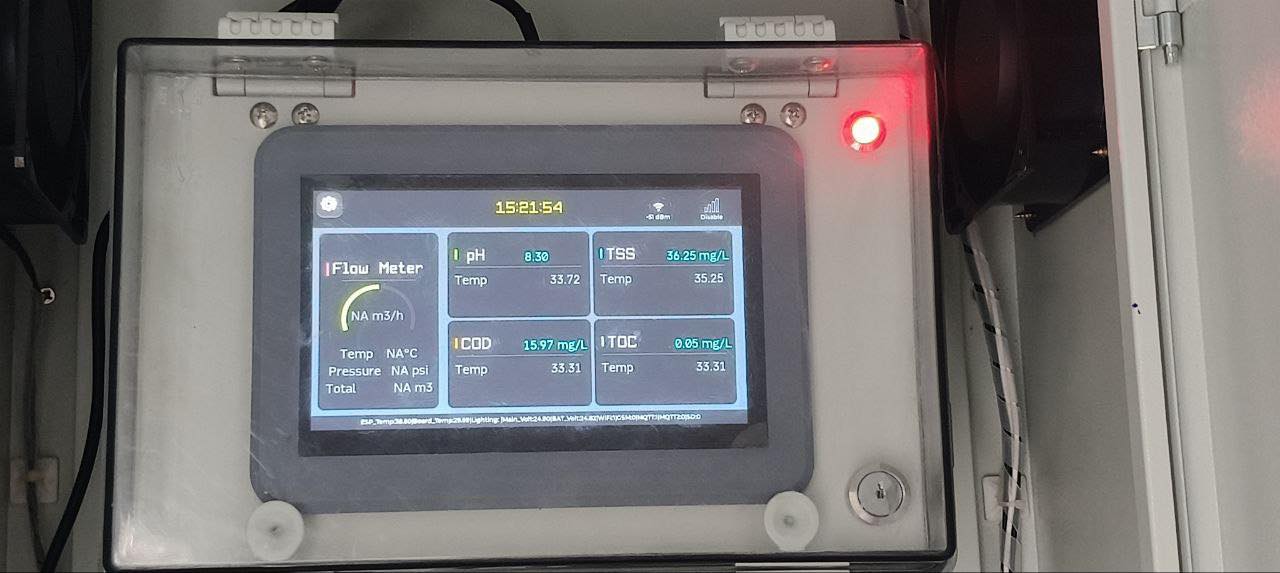
As of January 2026, 55 companies, factories and enterprises nationwide had installed the self-monitoring equipment and discharge data-management systems, he said. These enabled effective remote monitoring of wastewater-treatment operations and the quality of water to be discharged without sending inspectors directly to each site. He described the resulting volume and pollution-level data as scientific, accurate and acceptable to all relevant parties.
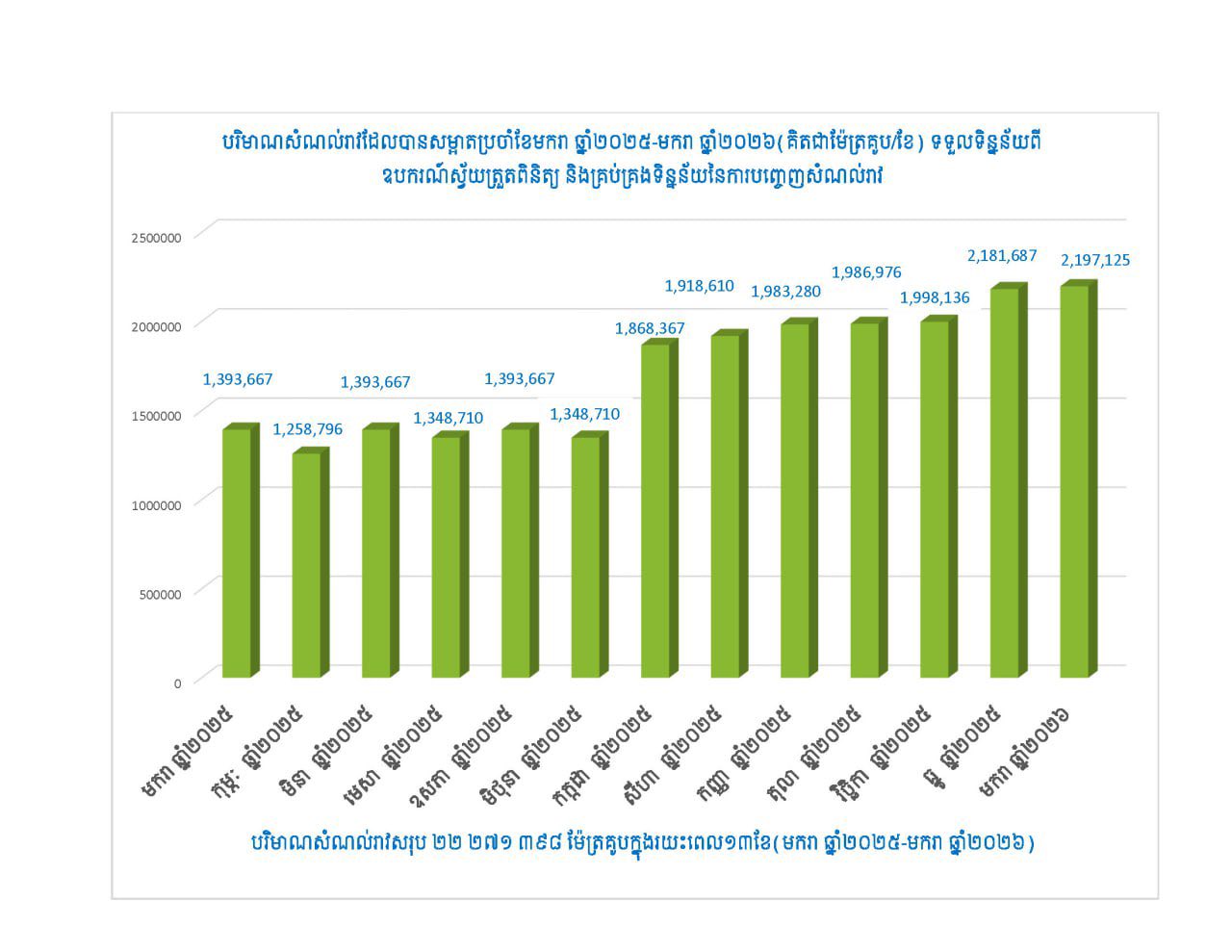
The report said the ministry prevented more than 20 million cubic metres of polluted liquid waste from causing environmental pollution in 2025. In January 2026, more than 2,197,125 cubic metres from factories and enterprises were prevented from being discharged as pollution.
By: Nget Pisant.