The APSARA National Authority said that from July 13, 2026, visitors wearing traditional costumes that depart from Khmer designs and standards would not be admitted to Angkor. Contemporaneous Khmer reports from AKP and KPS99TV said the phase-out of Thai, Lao and Chinese fabrics in these costumes was due by January 2027. The culture ministry’s Khmer and English notices expressly named Thai fabrics in connection with that deadline.
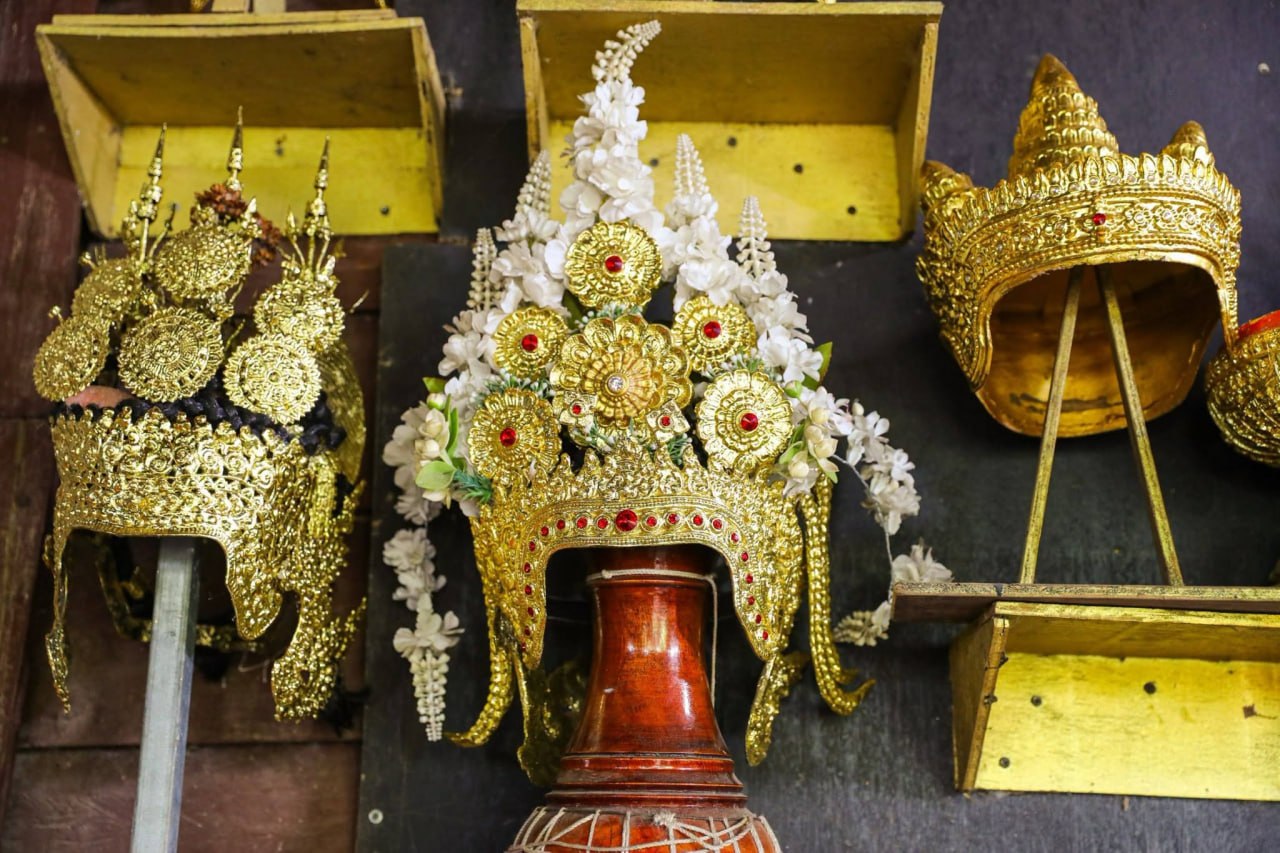
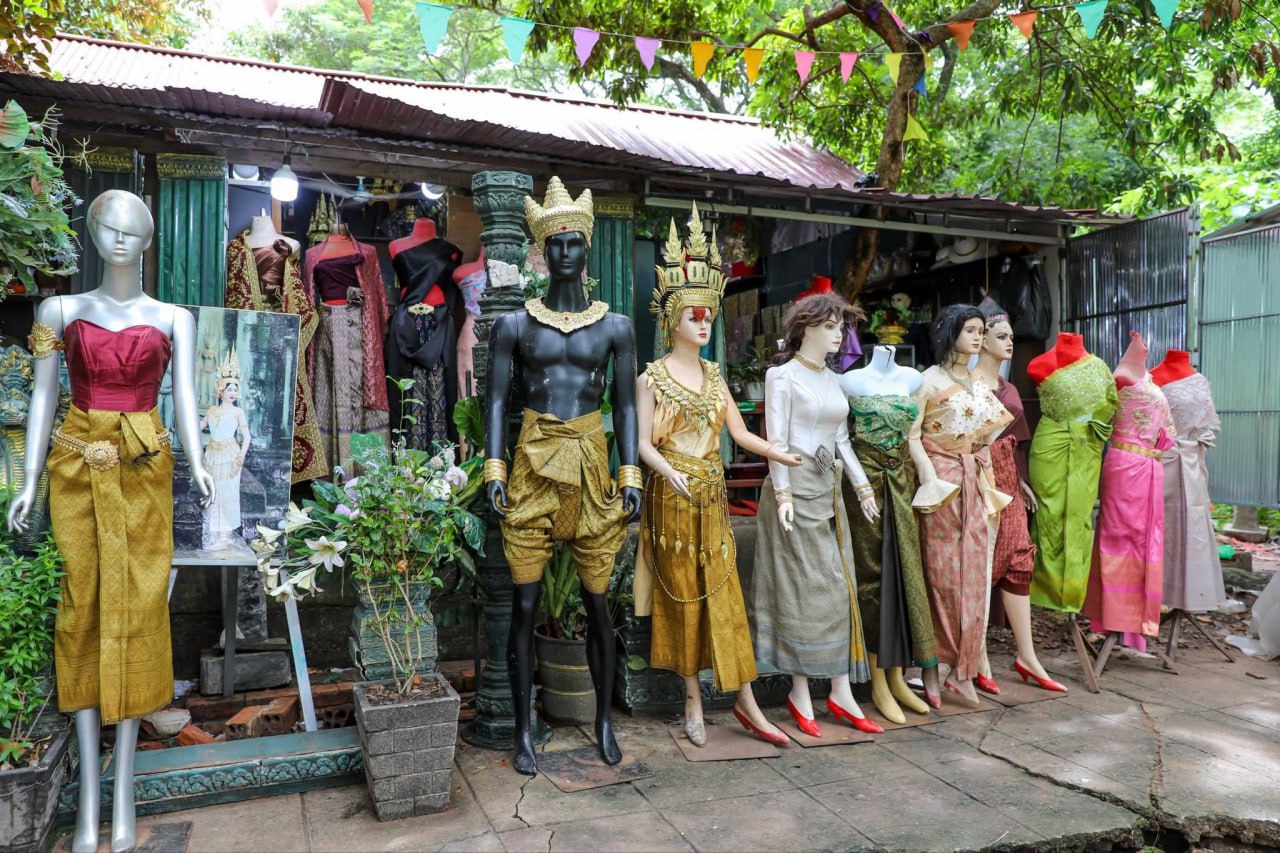
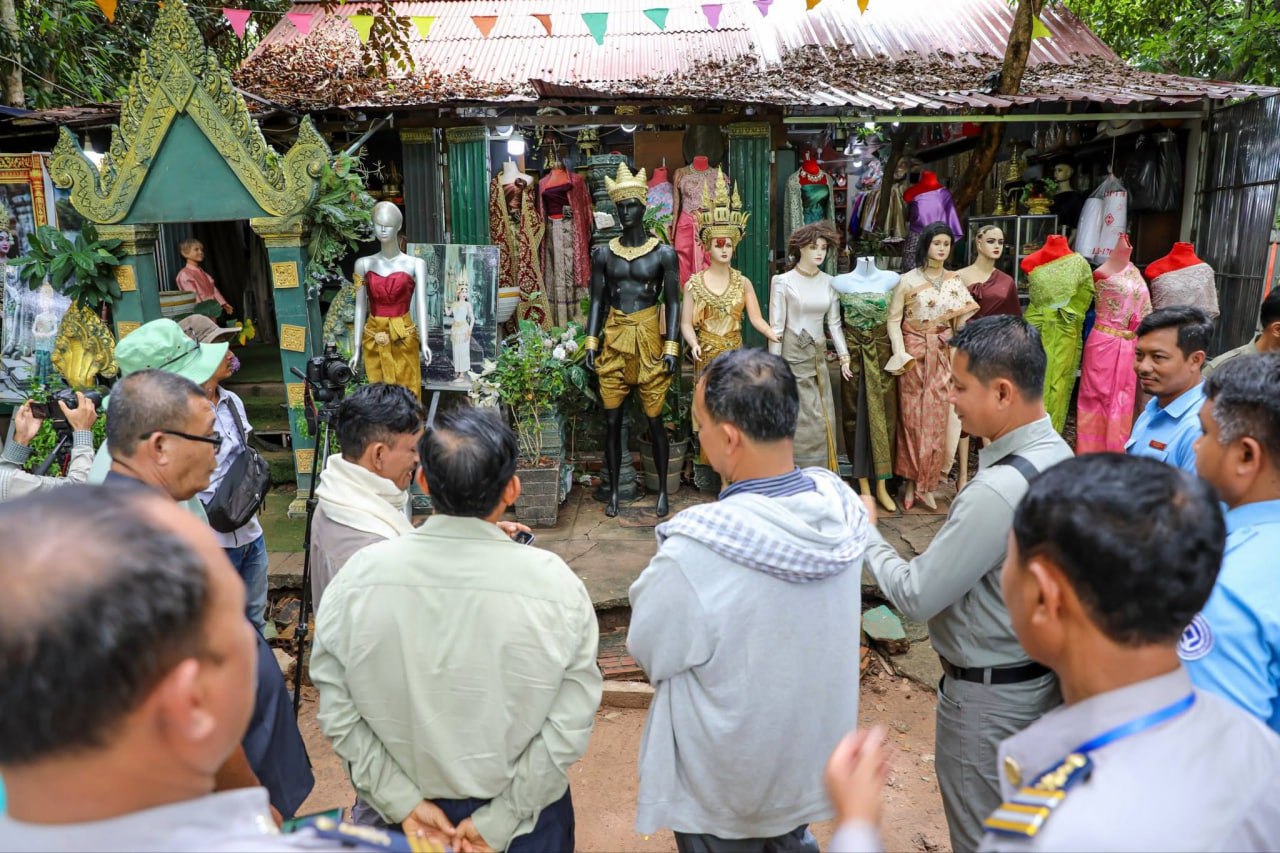
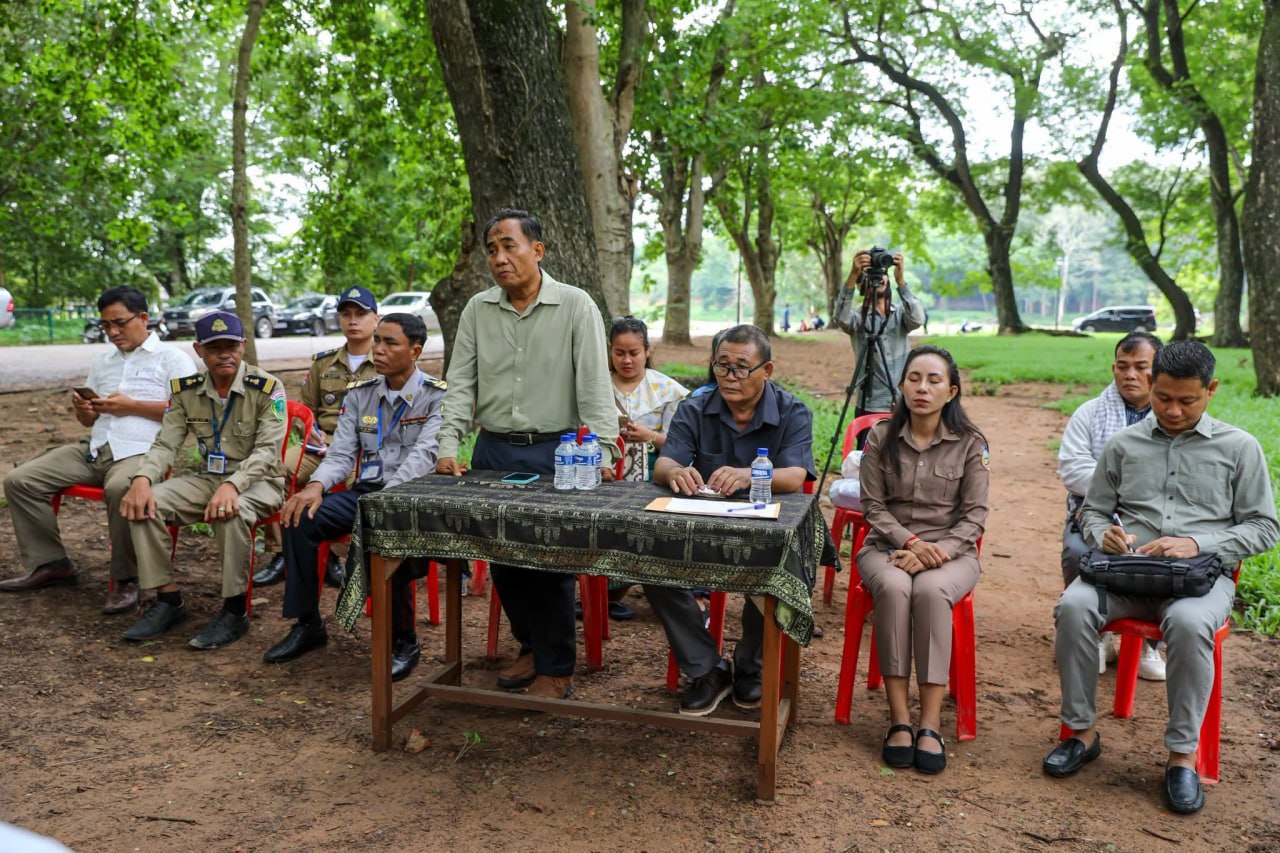
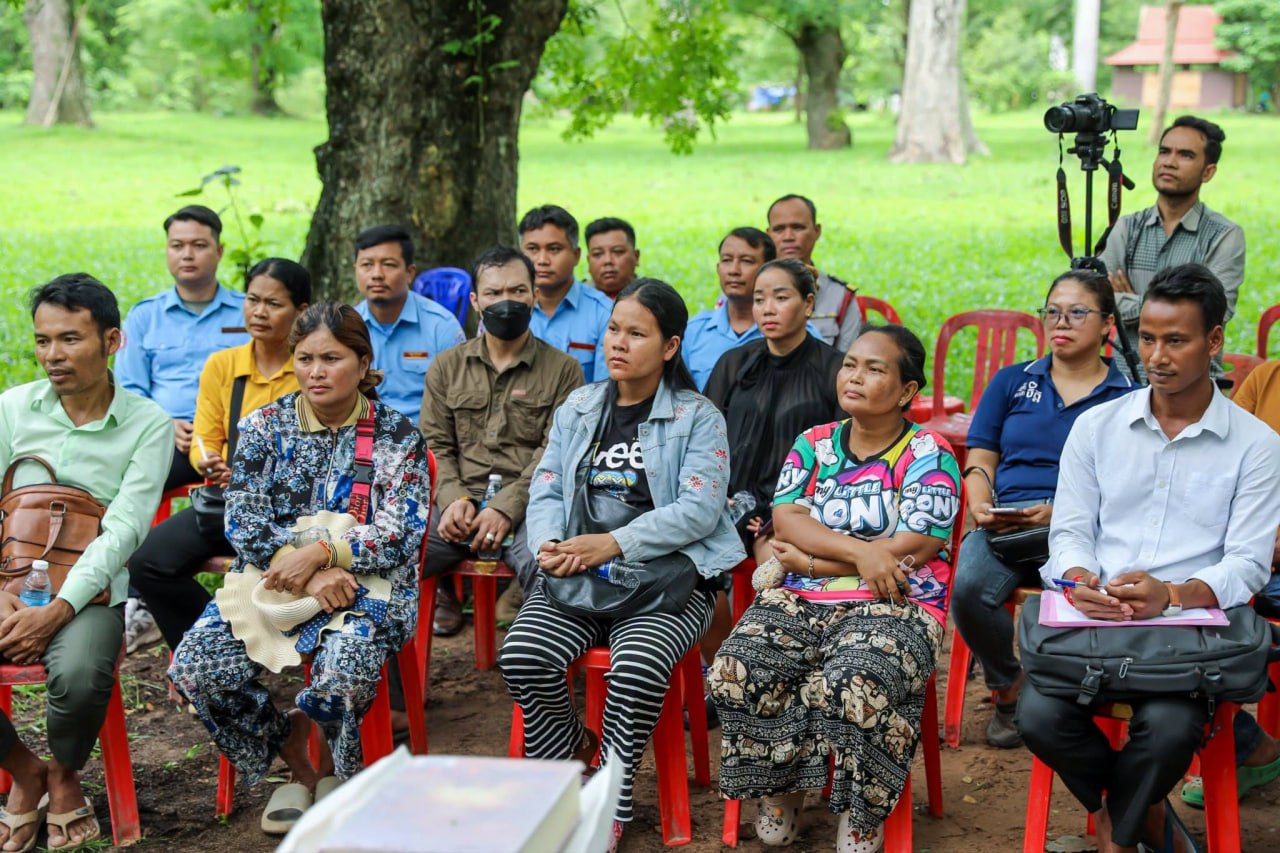
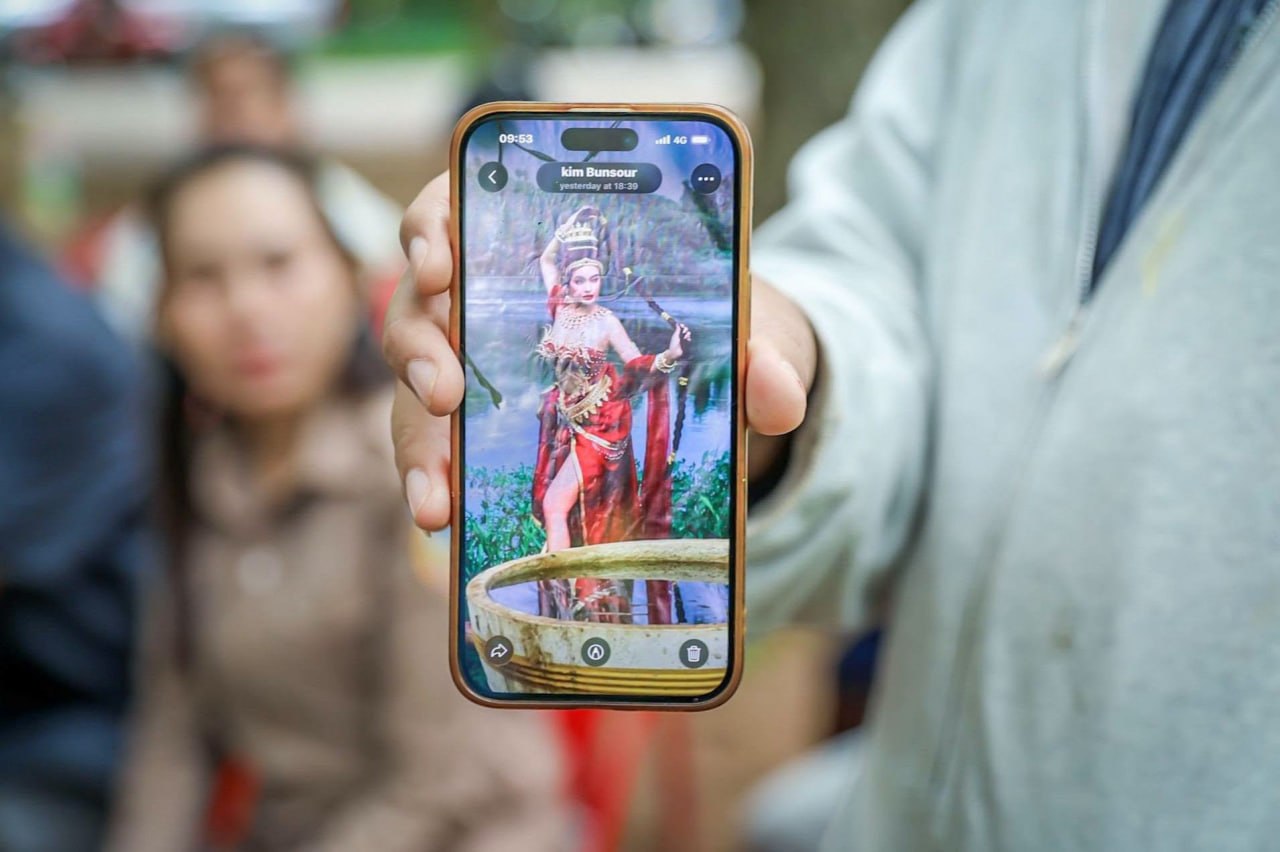
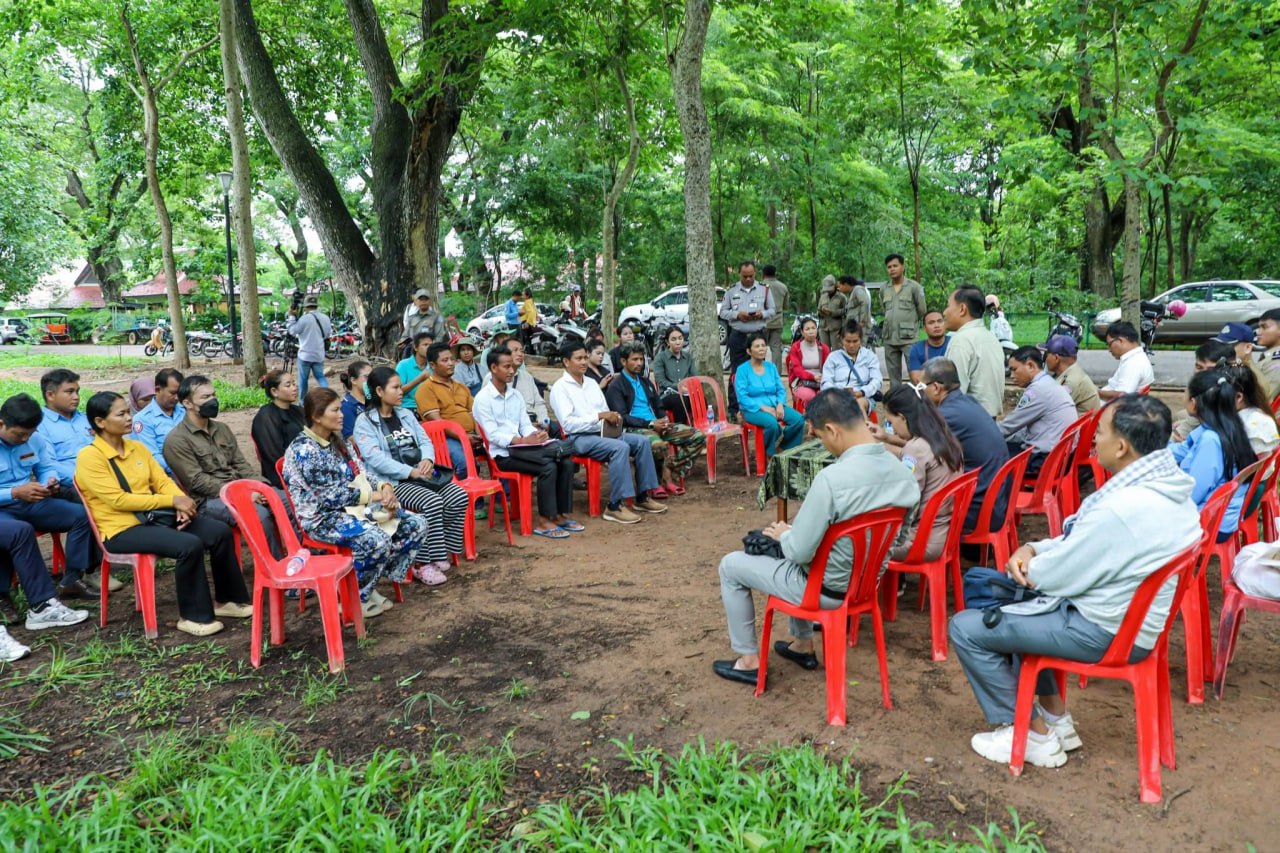
On July 13, 2026, APSARA officials, the Siem Reap Provincial Department of Culture and Fine Arts, local authorities and the Heritage Protection Police met vendors who rent traditional Khmer costumes to visitors to the temples in the Angkor area. Officials raised concerns about some rented outfits that departed from traditional designs and used imported fabrics or jewellery.
APSARA said the meeting was intended to help stylists and vendors renting costumes to Angkor visitors understand the designs and conventions of traditional Khmer dress. Officials also wanted vendors to recognise stylistic elements associated with other traditions.
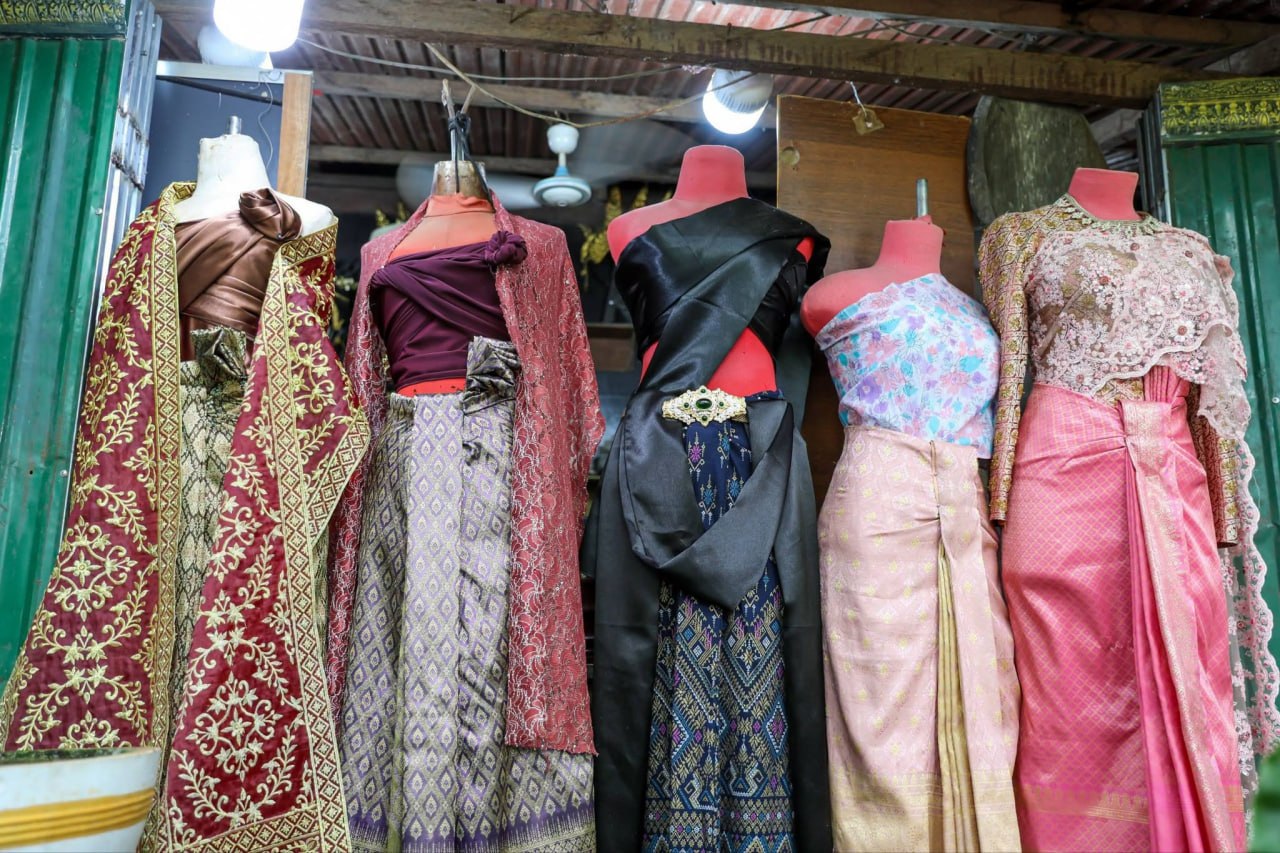
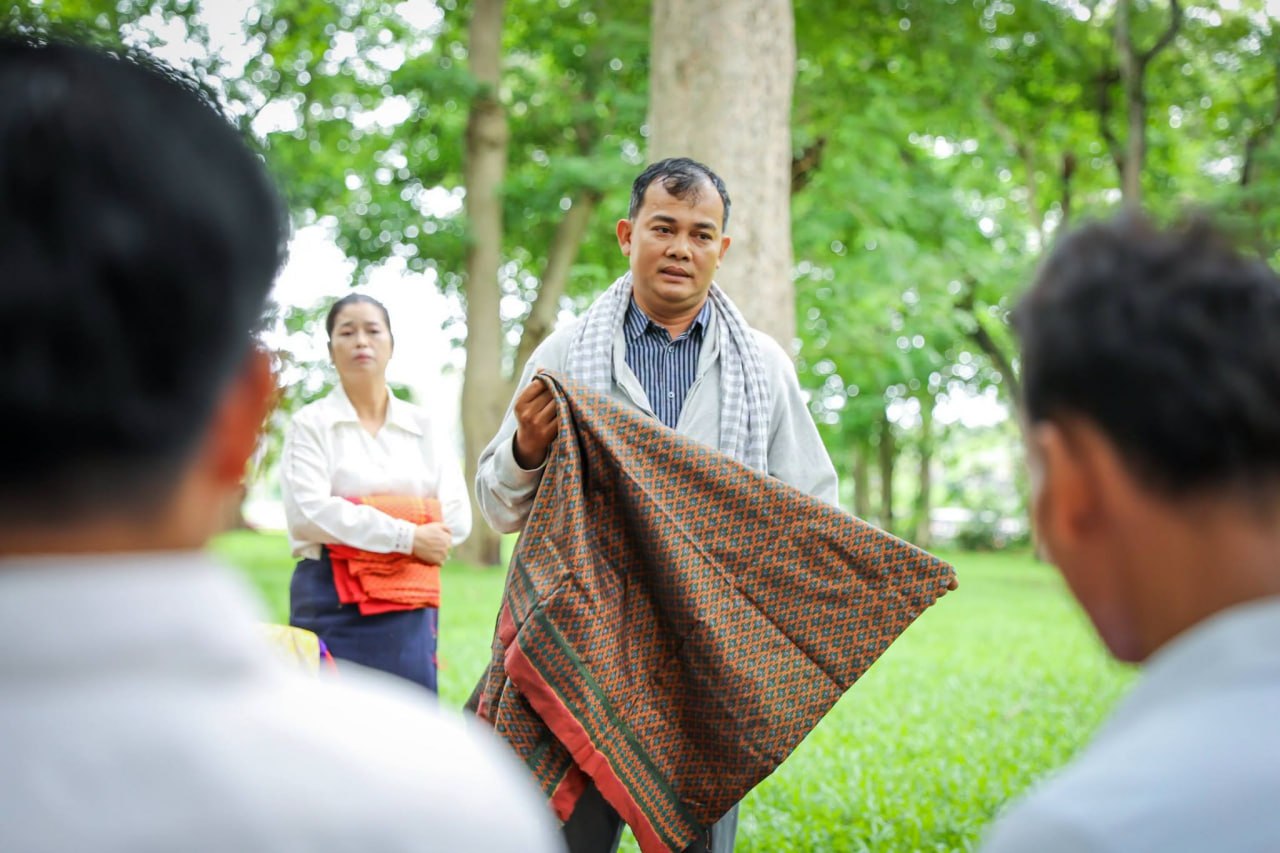
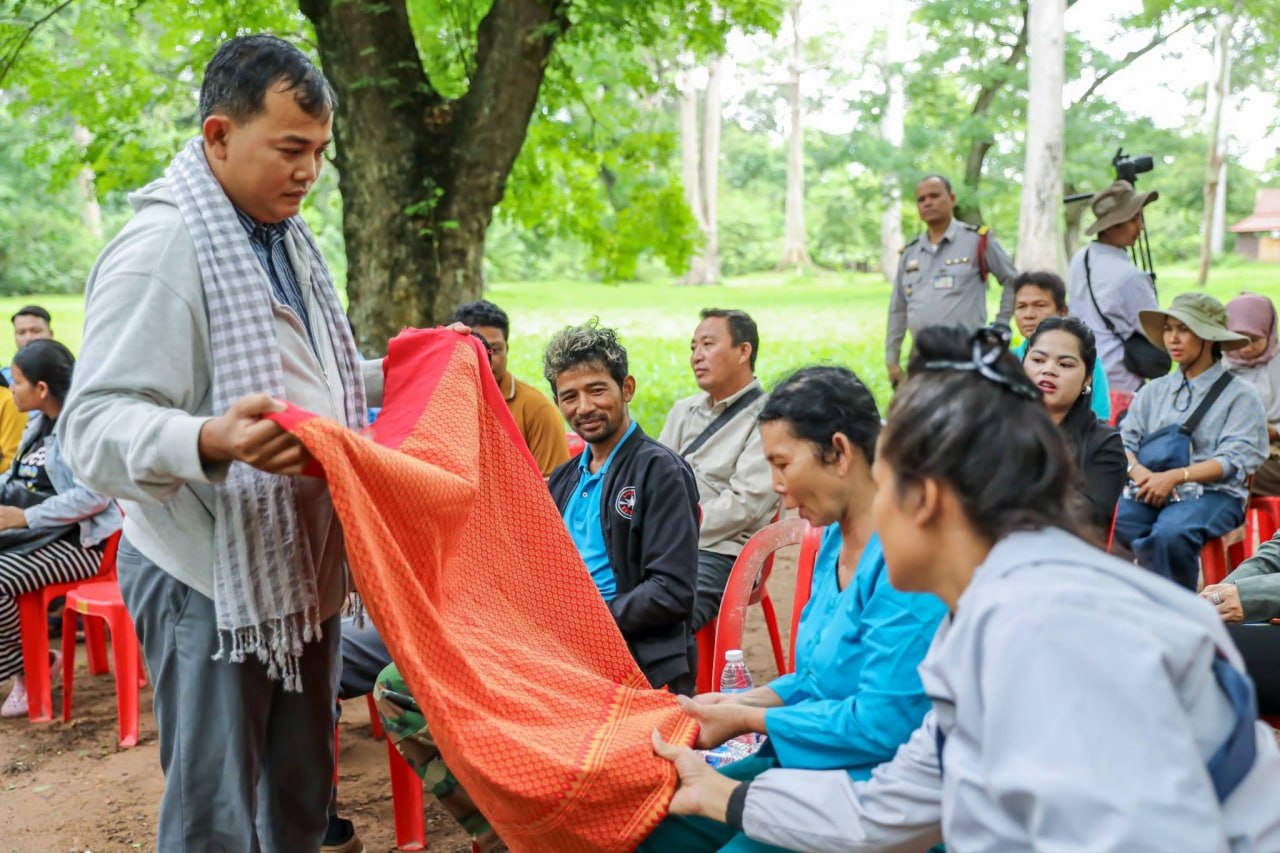
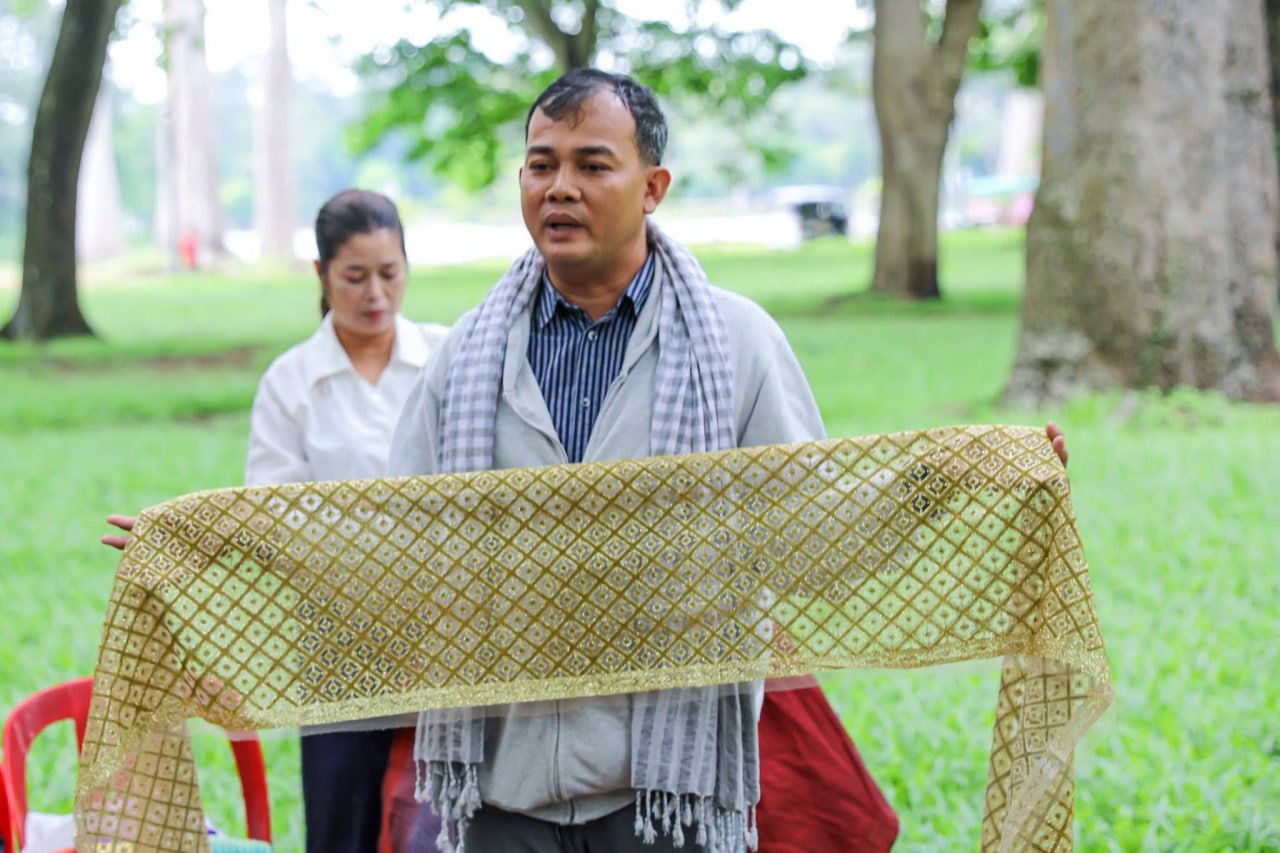
Chan Sophorn, an official in the Sculpture Office of the Siem Reap Provincial Department of Culture and Fine Arts who has studied traditional Khmer art and clothing for years, said that about 70% of the traditional costumes rented in front of Angkor Wat departed from traditional designs or ways of wearing them. He cited the use of fabrics and jewellery imported from Thailand, Laos and China, saying that it detracted from Khmer cultural identity.
Chan said that traditional Khmer dress should use Khmer fabrics and jewellery and follow Khmer conventions. In his account, some accessories and fabrics being used did not match the historical rank of the people represented. He said dress and adornment historically differed by social rank, from royalty to commoners. He gave silk hol garments for kings and queens, lboek and lboek chor cheung fabrics for wealthy people and householders, and woven cotton for commoners as examples.
Chan encouraged vendors to gradually adopt Khmer fabrics such as hol, silk, lboek pich and lboek rong cheung, and Khmer jewellery. He said the change would support local weavers and goldsmiths and help preserve Cambodian culture.
Tes Sothy, deputy director of APSARA’s Department of Tourism Development and Culture, said that some rental costumes in the Angkor area had repeatedly drawn criticism for departing from traditional designs. In his view, the practice harmed Khmer cultural heritage.
APSARA and the Siem Reap Provincial Department of Culture and Fine Arts asked costume rental vendors to reduce and eventually stop using foreign fabrics, including inexpensive fabrics imported from Thailand, Laos and China.
Reporting: ង៉ែត ពិសាន្ត