Information Minister says: Painful historic scars; the world knows who destroyed this World Heritage site
Cambodia possesses concrete, verified physical evidence of 1,599 projectiles and 501 firing directions—data that can be examined. Craters, unexploded ordnance, and damage to heritage sites constitute evidence on the ground. With such physical evidence already in hand, unsubstantiated assertions cannot outweigh the craters and the visible, verifiable damage.
The Preah Vihear temple deserves the truth, accountability, and assurance that this World Heritage site will never again become a target of armed destruction—an act of destruction that UNESCO ICOMOS has documented.
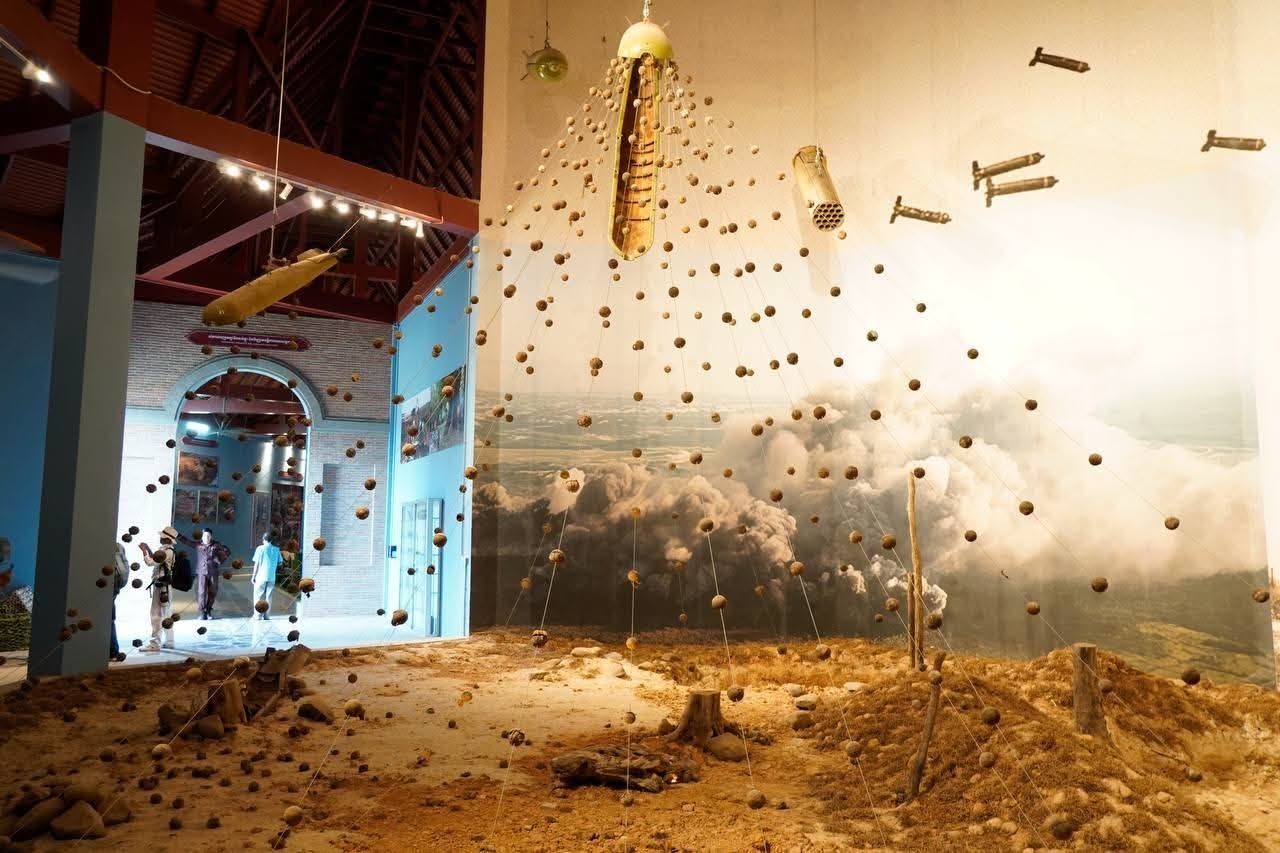
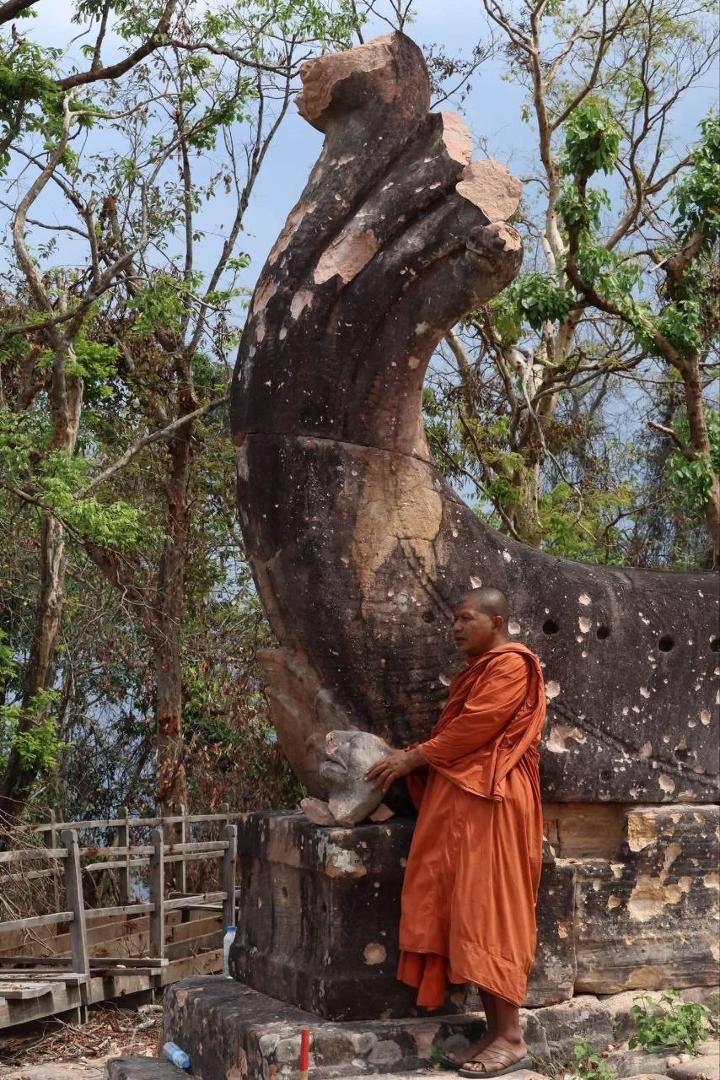
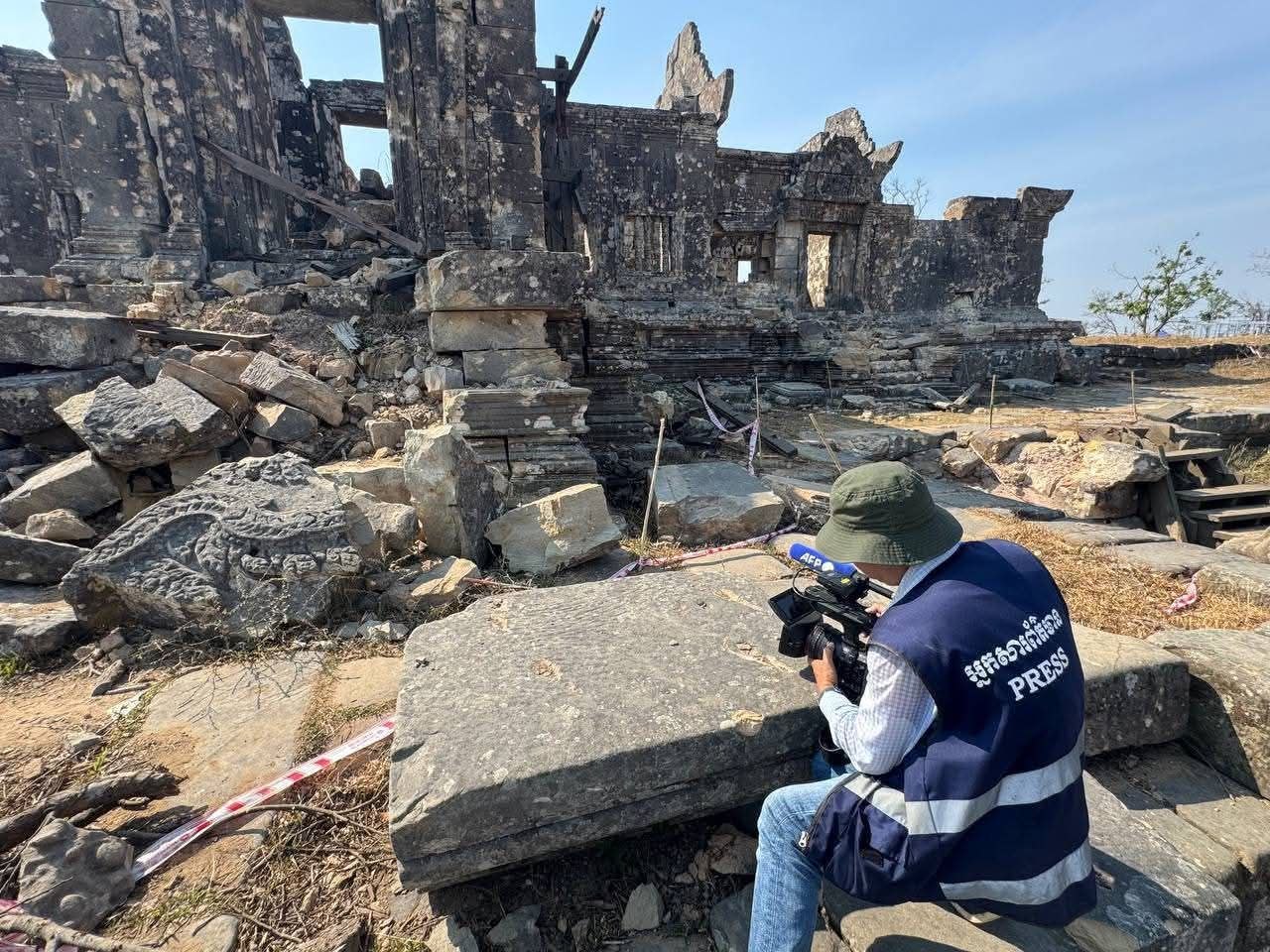
The 1,599 projectiles across 501 firing directions were aimed at Preah Vihear temple. This is no small figure, which the Thai military tried to mask behind the pretext of "striking a military target," concealing the destruction of a World Heritage site. The figures were presented by the Director General of the Cambodian Mine Action Center (CMAC) regarding ordnance that fell in the Preah Vihear area during the 2025 Cambodia–Thailand armed conflict. Yet more serious than the number of projectiles is the firing pattern of the Thai military and what remains on the ground—unexploded ordnance, cluster munitions, and temple structures scarred by shrapnel and other Thai munitions.
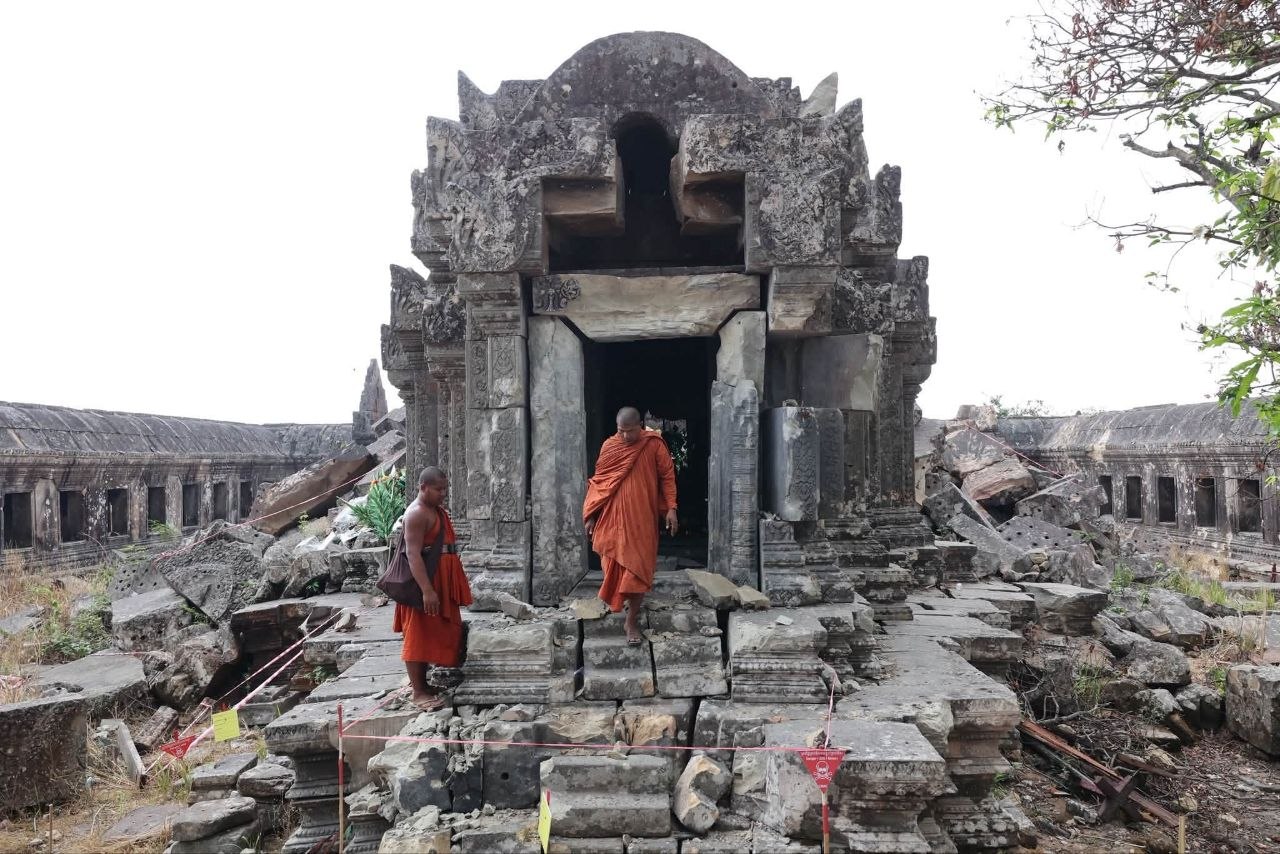
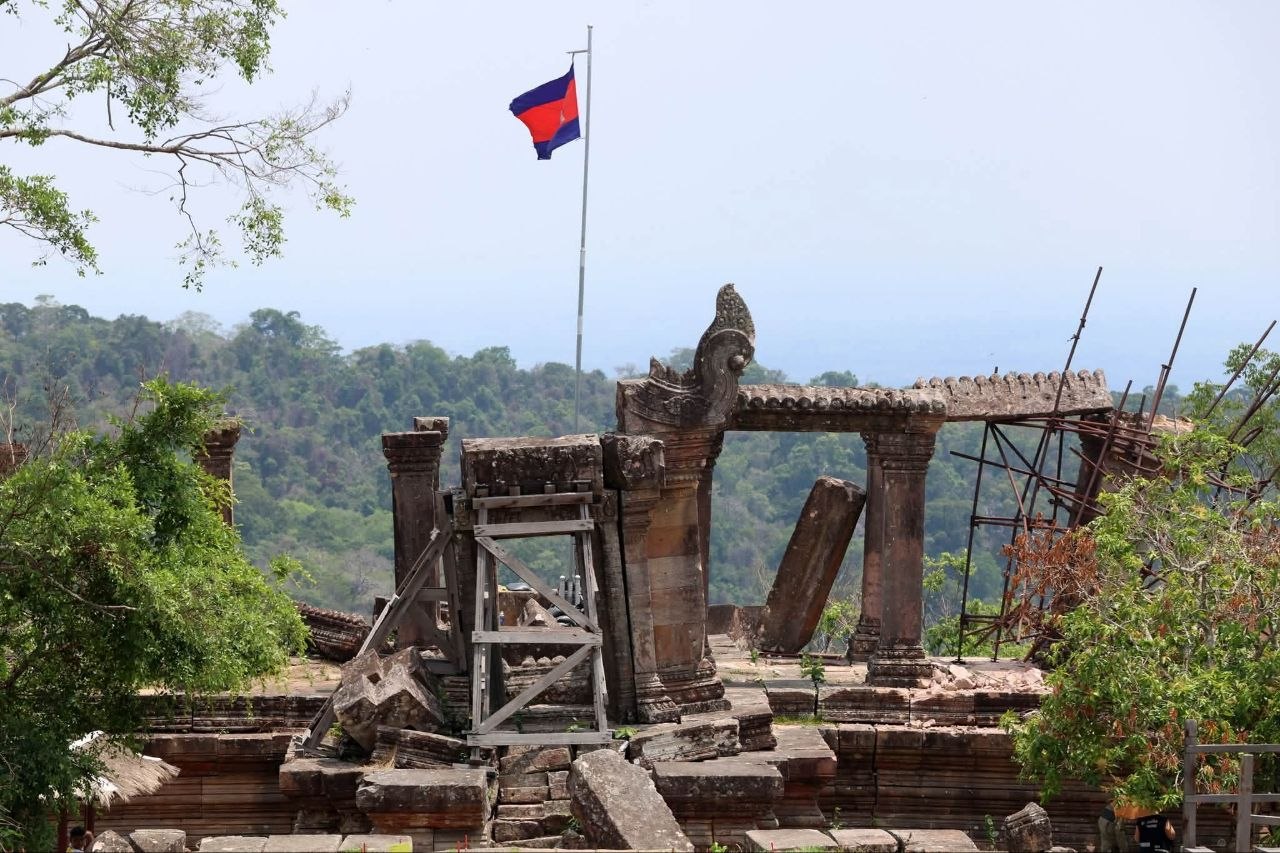
The heritage advisory mission report noted that the impact map shows that "no area was spared," and that every part of the temple, including its infrastructure and tourist facilities, was affected.
No assertion can erase a crater from the earth, nor can it erase the damage from the temple's stone. These are painful, historic scars.
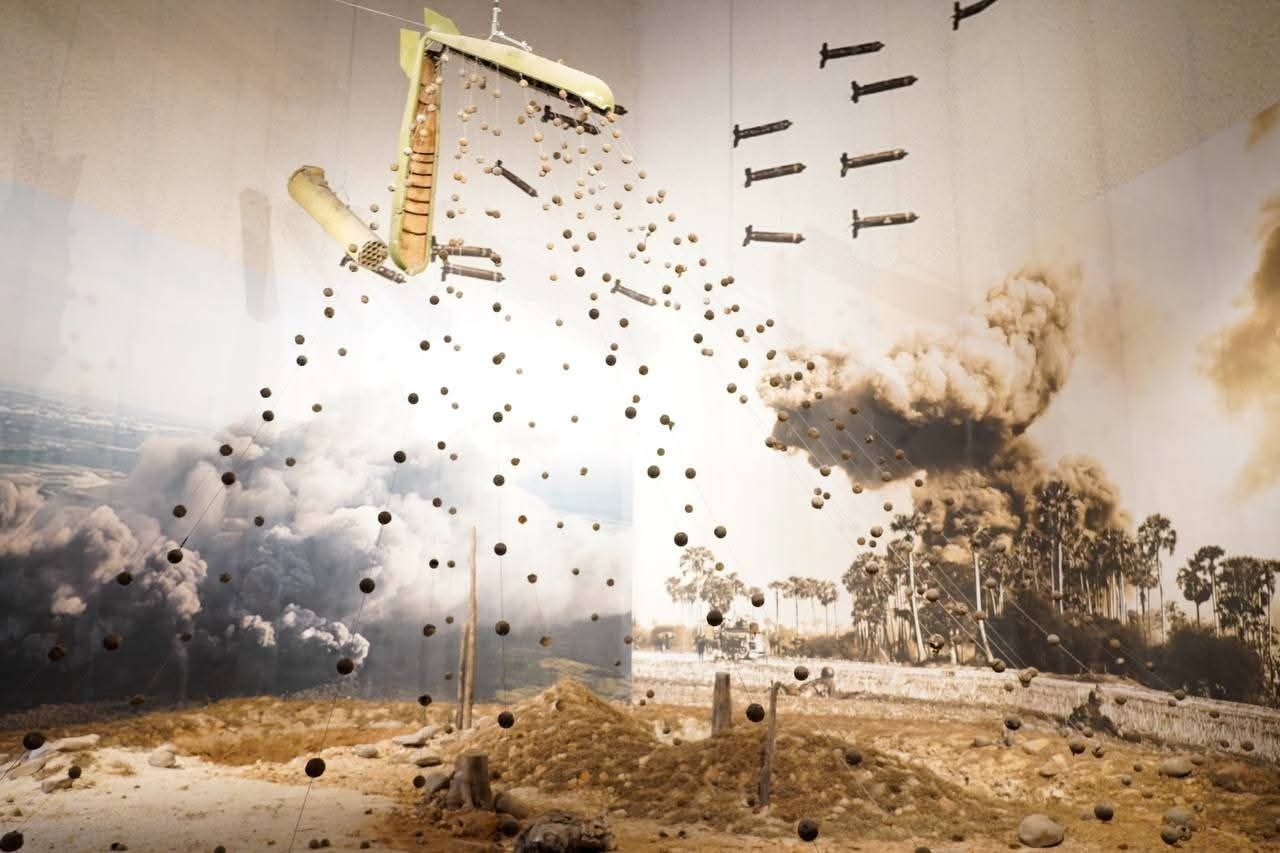
CMAC also reported that, following two invasions in 2025, it identified approximately 16,000 craters across broadly affected areas and, over six months, cleared roughly 10,000 pieces of ordnance. CMAC also flagged the use of large 155 mm cluster munitions, which generate risks from millions of small unexploded submunitions.
At Preah Vihear, the consequences did not end when the firing stopped. UXO continues to render the area unsafe, blocking access for structural inspection and hampering emergency conservation work. This means the ordnance the Thai military fired at Preah Vihear temple in 2025 continues to pose a risk to people and to heritage today.