
Cambodia’s Ministry of Post and Telecommunications recently issued an advisory, warning the public to be alert to online scams that use artificial intelligence “deepfake” technology.
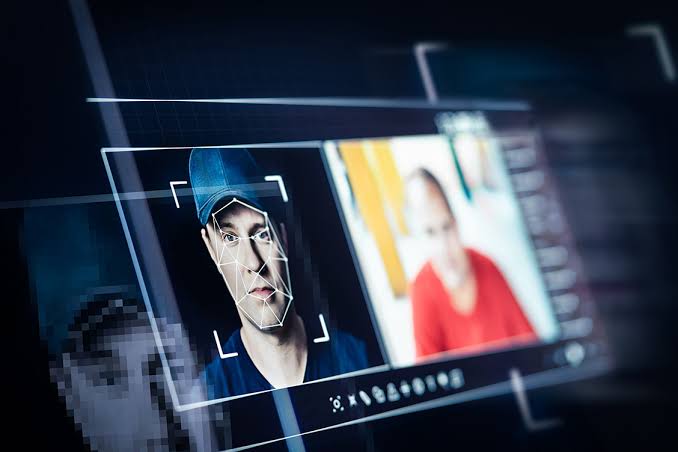
The Ministry pointed out that Deepfake uses deep learning and data synthesis technology to mimic a real person’s face, voice or movements, creating videos, images or audio that appear authentic yet have in fact never occurred.
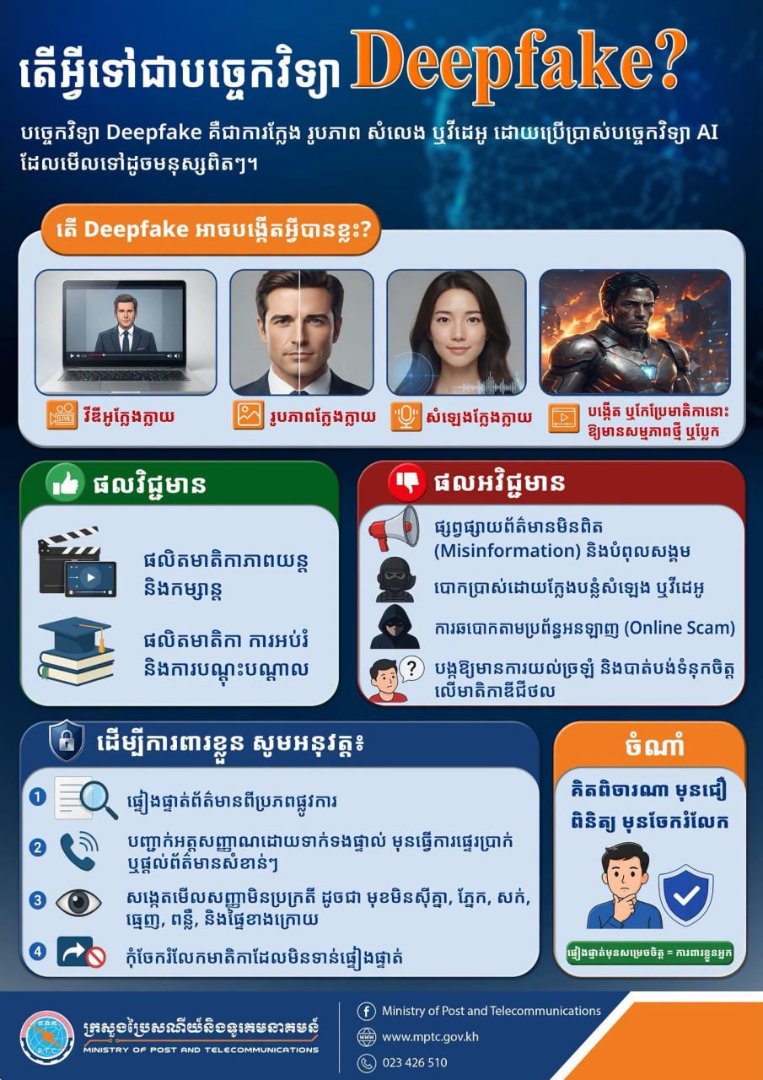
The technology has both practical applications and security risks:
Positive uses:can be applied in film production, education, entertainment and digital creativity.
Negative uses:may be exploited by criminals to fabricate false information, impersonate others to commit fraud, steal identities, and even harm individual reputations.
In response to growing digital security risks, the Ministry advises the public to:
Verify information sources:do not trust unverified videos, audio or messages.
Confirm by direct contact:if you receive a message from a friend or relative asking for a transfer, contact them directly through the phone number you normally use to confirm.
Watch for unusual details:check whether blinking appears natural and lip movements are synchronized with the voice, and whether there are abnormalities in facial lighting, shadows, voice and so on.
Protect personal information:do not casually provide OTPs, passwords, bank account details and other important information, and do not rush to make transfers.
Do not spread casually:do not forward or share unverified suspicious content.
Prioritize official information:follow updates from government and authoritative agencies, and use reliable digital content verification tools.
The Ministry reminds the public that, when faced with AI-generated content, they should “verify before believing, think before clicking, and check before sharing”—raising awareness of online fraud prevention and protecting the digital security of individuals, families and society.