
The dry season is a prime period for viewing Irrawaddy dolphins in Cambodia’s Mekong River. From December to May of the following year, water levels in the Mekong drop and the dolphins tend to gather in deeper areas. Visitors heading to spots such as Kampi in Kratie province have a chance to see these rare animals up close. Early morning and late afternoon are usually the easiest times to observe dolphin activity.
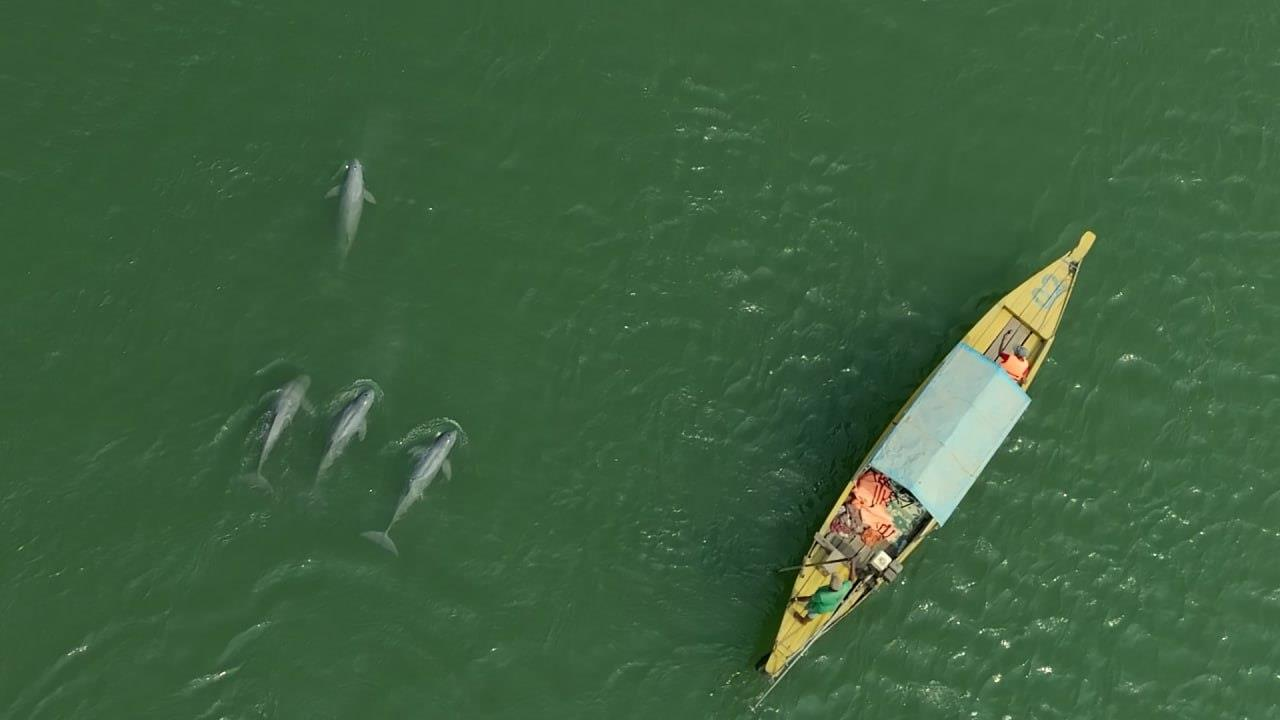
Even more noteworthy, the population of Mekong River Irrawaddy dolphins in Cambodia has rebounded in recent years. According to official Cambodian data, the dolphin population rose to 118 in 2026, and six calves have been recorded so far this year.
Conservation outcomes have also shown positive changes. Throughout 2025, Cambodia recorded no dolphin deaths caused by illegal fishing gear, while eight calves were born. Local authorities have continued to step up river patrols, crack down on illegal fishing, and protect dolphin habitats through community involvement and ecotourism.
International organizations such as the World Bank, WWF and IUCN have kept a close watch on dolphin conservation in Cambodia in recent years, viewing the rebound in population numbers as a positive signal. However, the Mekong River population of Irrawaddy dolphins remains critically endangered, and threats such as gillnets, illegal fishing and changes in the Mekong's ecological environment persist.
For travelers, a visit to Kratie today is not only an opportunity to take in the scenery of the Mekong, but also a chance to experience the area's distinctive dolphin-focused ecotourism. Protecting the dolphins is also a way of protecting the ecological environment of the river itself.