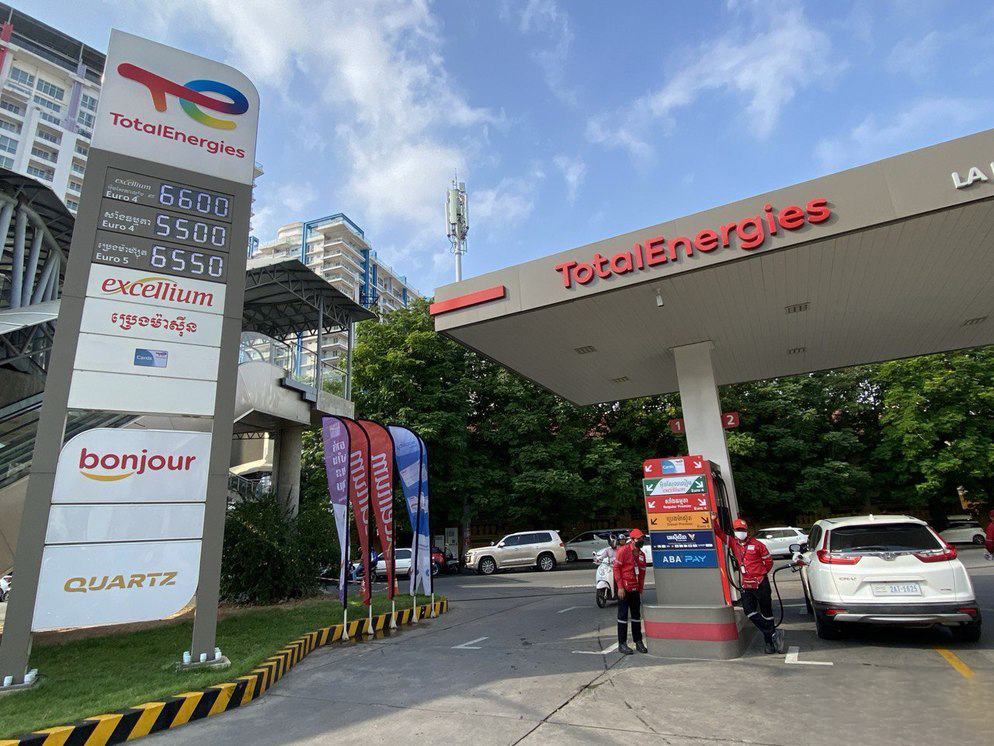
The Cambodian government recently announced that, in order to cushion the impact of rising international energy prices on domestic households and businesses, it has so far invested nearly US$500 million to stabilize fuel and electricity prices. Prime Minister Hun Manet said the government hopes to minimize the cost-of-living pressure brought by rising energy prices through a series of measures.
Prime Minister Hun Manet noted that more than US$350 million of that amount has been used to stabilize fuel prices, including subsidies and cuts to related taxes and fees. With international oil prices having risen sharply, domestic fuel prices in Cambodia could have climbed a further 9% to 10% without government intervention.
On the electricity side, the Electricité du Cambodge has also invested about US$50 million to help absorb the pressure from higher energy costs and keep current electricity tariffs as stable as possible.
Why is the government spending so much? Because when oil prices rise, the impact is not limited to more expensive fuel at the pump. Transport, shipping, food and even everyday goods may all become more expensive. Once prices rise across the board, the pressure on ordinary households' wallets grows even heavier.
In addition to stabilizing fuel and electricity prices, the government is also preparing to offer cash aid to poor and vulnerable households to help them cope with rising living costs.
In short, this nearly US$500 million is meant to provide a safety net for the public: keep fuel prices from rising too fast, hold electricity tariffs as steady as possible, and offer extra help to households in difficulty. For ordinary people, the ultimate goal is one thing: keep the cost of living from rising too quickly.