
Cambodia and Vietnam are set to link their expressways! What does this mean? Doing business and shipping goods between the two countries could become faster and easier, while areas along the routes may also attract more investment and jobs. What Hun Manet is pushing is not just road-building, but using a single road to drive an entire economic corridor!
Recently, Cambodian Prime Minister Hun Manet and Vietnamese Prime Minister Le Minh Hung attended the Cambodia-Vietnam Business Forum, proposing stronger transport connectivity between the two countries and closer trade and investment cooperation.
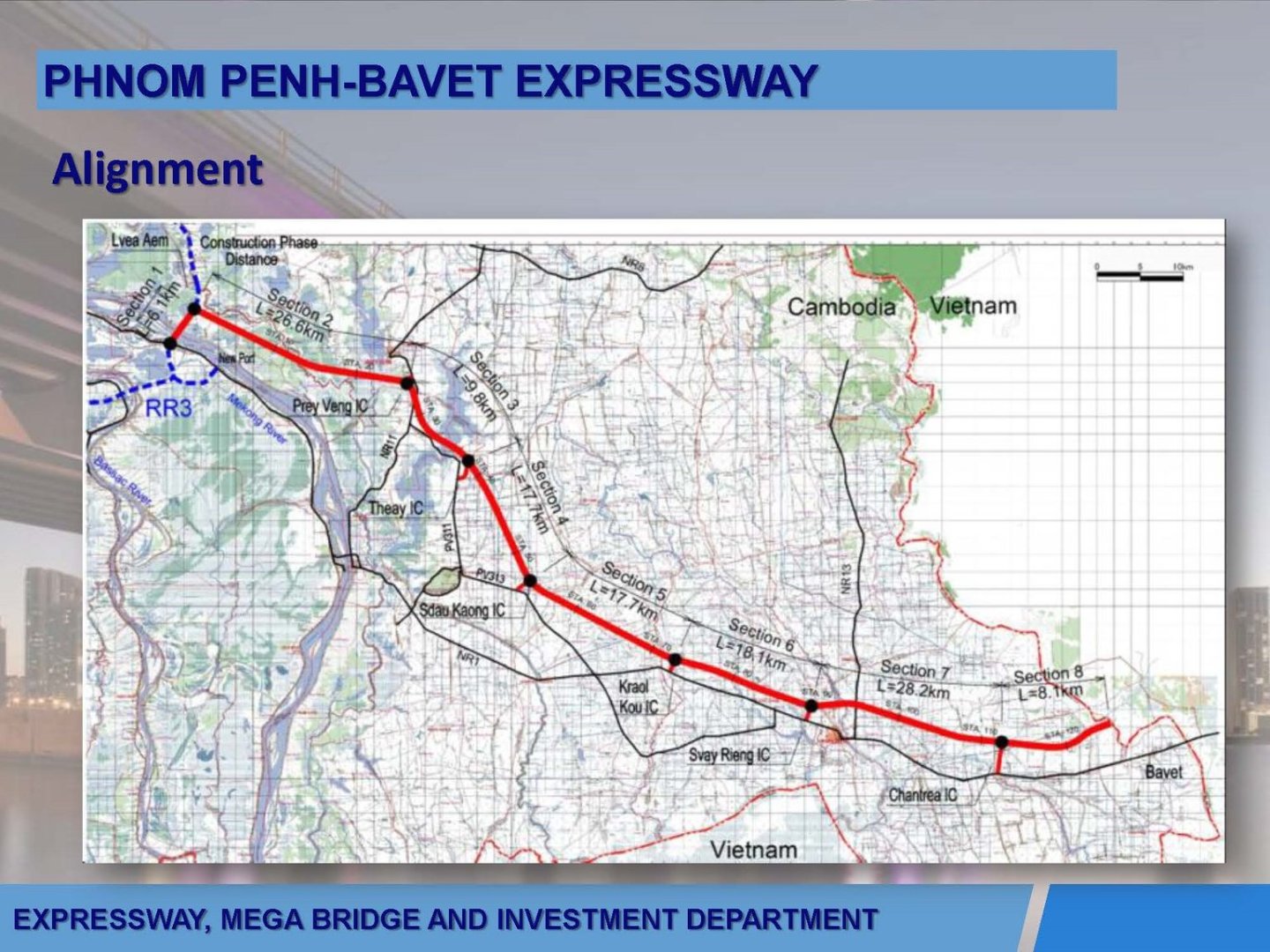
The biggest focus this time is connecting Cambodia's Phnom Penh-Bavet Expressway with Vietnam's Ho Chi Minh City-Moc Bai Expressway. If the two expressways are linked smoothly, cross-border transport is expected to become more convenient, giving businesses a chance to save time and costs on shipping.
Hun Manet stressed that building roads is only the first step. Next, factories, industrial parks, special economic zones and logistics enterprises along the routes need to be linked up so that goods flow more smoothly and industrial cooperation can truly take off.
Beyond roads, the two countries also plan to step up cooperation at border crossings and on cross-border transport to make customs clearance easier and help agricultural and industrial products reach each other's markets.
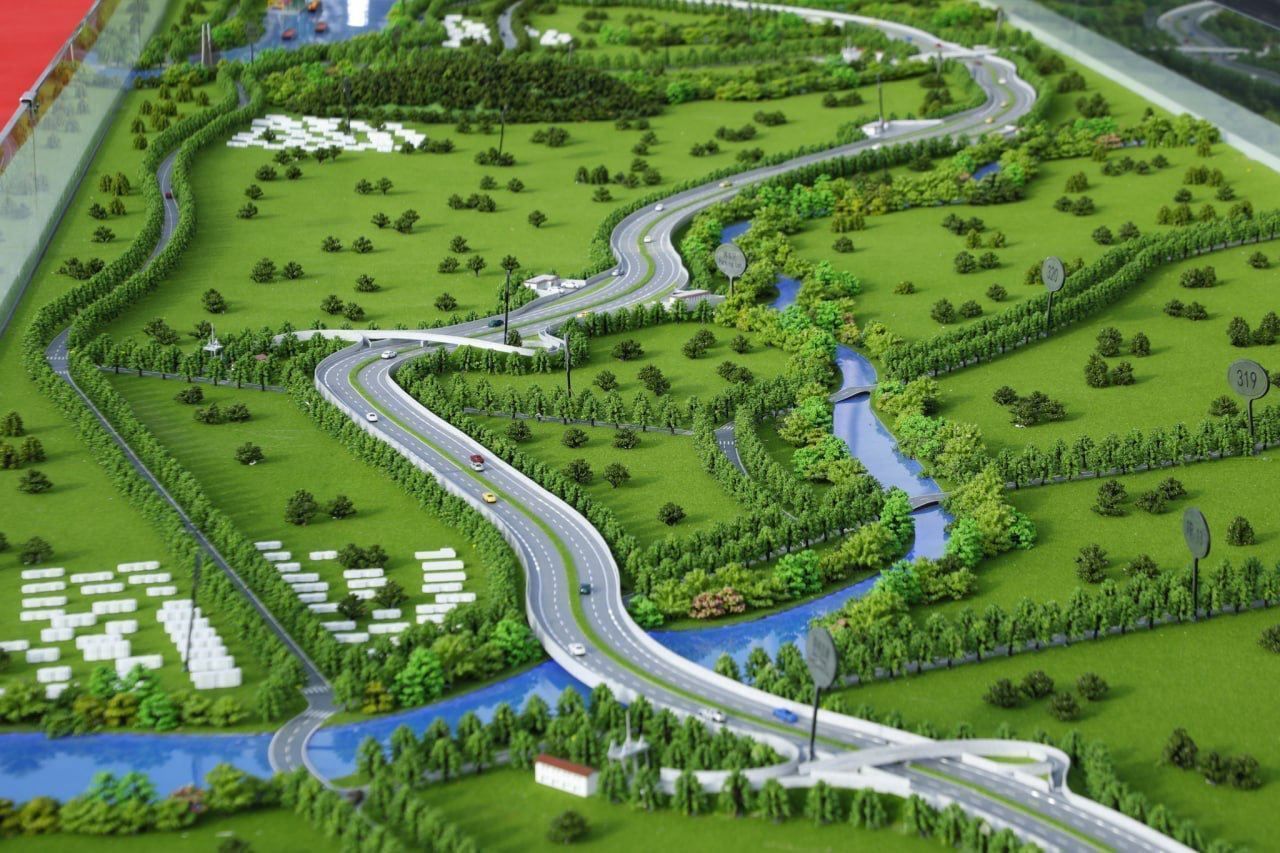
On trade, both sides set a goal of raising bilateral trade to 20 billion US dollars. The easier transport becomes, the more room there is to expand business cooperation, which could also give a fresh boost to commercial development and jobs along the routes.
Can a single road drive development across an entire region? The key going forward is whether the expressway connection and related cooperation projects can progress steadily, and how much real benefit they deliver to businesses and ordinary people in both countries.