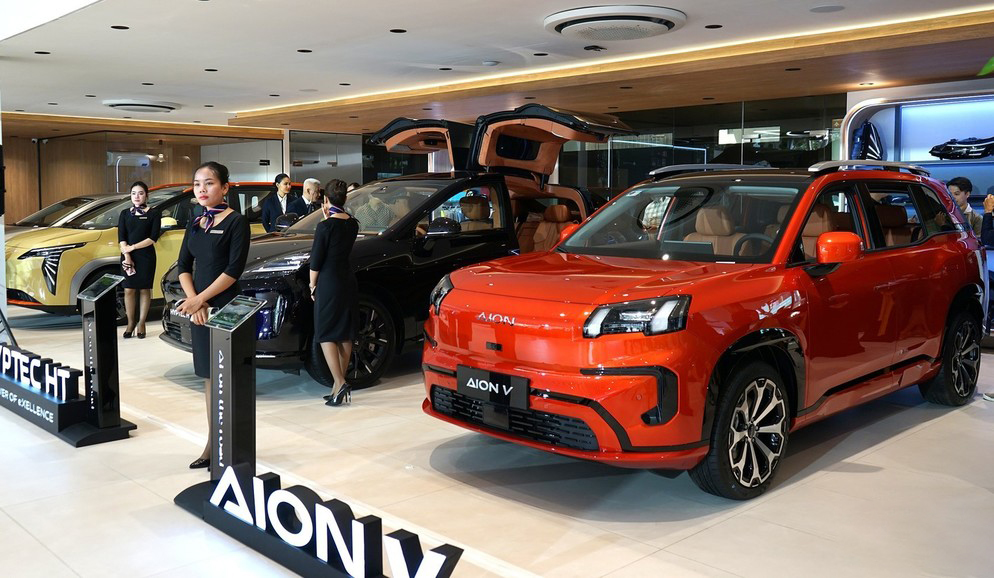
Attention, Cambodian consumers: China's export tax rebate policy for automobiles and batteries is about to be adjusted. With many Chinese-brand cars and electric vehicles on the local market, the change could affect suppliers' costs and quotes, but whether it will drive up local vehicle prices remains uncertain.
According to an official Chinese notice, effective January 1, 2027, the export tax rebate for the relevant battery products will be formally cancelled. Previously, the battery export rebate rate had already been cut from 9% to 6% in April 2026.
For new-energy vehicles, from April 1, 2027, the export rebate rate will be lowered from 13% to 9%. This means the relevant exporters will receive less in rebates and will need to recalculate their costs and profits.
So what does this mean for Cambodian consumers? If Chinese suppliers revise their export prices, local importers' procurement costs for cars, batteries and components could be affected, in turn influencing the retail price of some products. However, the final price still depends on shipping costs, import duties and taxes, the exchange rate and dealer pricing.
Meanwhile, Cambodia has previously cut import duties on some electric vehicles, lithium batteries and related equipment. China's export tax rebate and Cambodia's import duties are separate policies, and a rebate cut cannot simply be read as an automatic price rise.
For consumers planning to buy a car or replace a battery, there is no need at this stage to rush to judge the price trend. They are advised to compare the actual quotes, after-sales service and battery warranty policies of different brands before deciding on the timing of purchase.