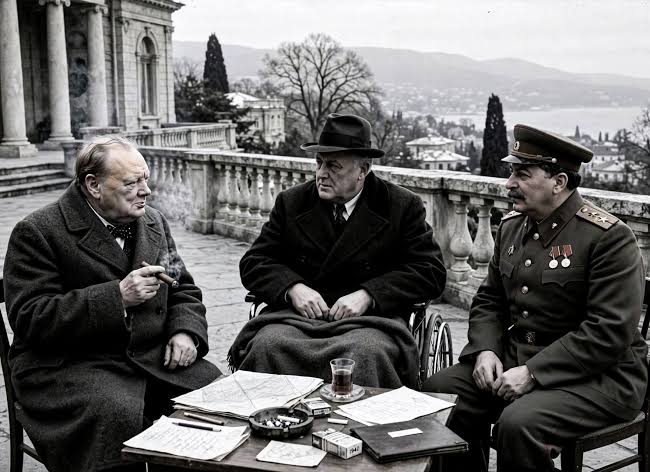
Ukrainian President Volodymyr Zelensky warned that a possible summit between the leaders of Russia, the United States and China could lead to a redistribution of global influence, comparing such a meeting to the 1945 Yalta Conference. Zelensky told reporters that what China, Russia and the United States might discuss had not yet been clearly defined. Russia has long sought stronger security arrangements with the United States, particularly concerning NATO expansion near its borders. Russia has cited what it describes as a threat from NATO as a reason for its war against Ukraine. The remarks came as representatives of Russia and Ukraine, along with US special envoys, were scheduled to hold talks in the United Arab Emirates next month. The meeting aims to revive efforts to end the war, although its exact date has not yet been confirmed. Zelensky stressed that Ukraine wants the talks in Abu Dhabi to take place before the trilateral summit that has been proposed. What was the 1945 Yalta Conference?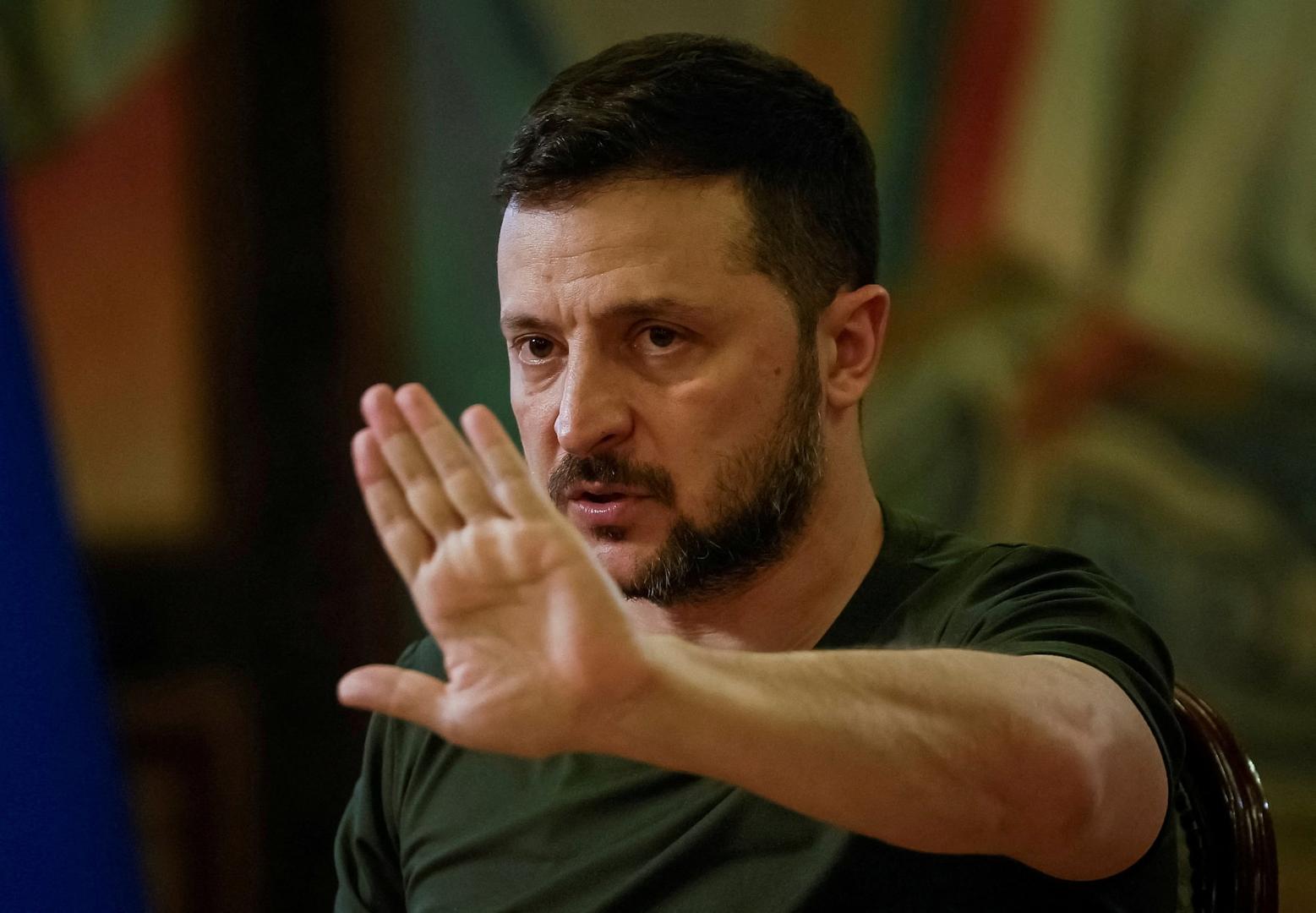 The Yalta Conference took place from February 4 to 11, 1945, as World War II in Europe was nearing its end. US President Franklin D. Roosevelt, British Prime Minister Winston Churchill and Soviet leader Joseph Stalin met in Yalta, in Crimea, to discuss defeating Nazi Germany and restoring the postwar international order. At the time, the three leaders agreed on plans to divide Germany and Berlin into four zones after the war, discussed the structure of the proposed United Nations, including the Security Council’s voting mechanism known as the veto, and secured the Soviet Union’s commitment to enter the war against Japan after Germany’s defeat.
The conference became a major event in shaping the new postwar world order, making it a historical reference point for concerns about major powers negotiating the future of other countries. Article: Rithy