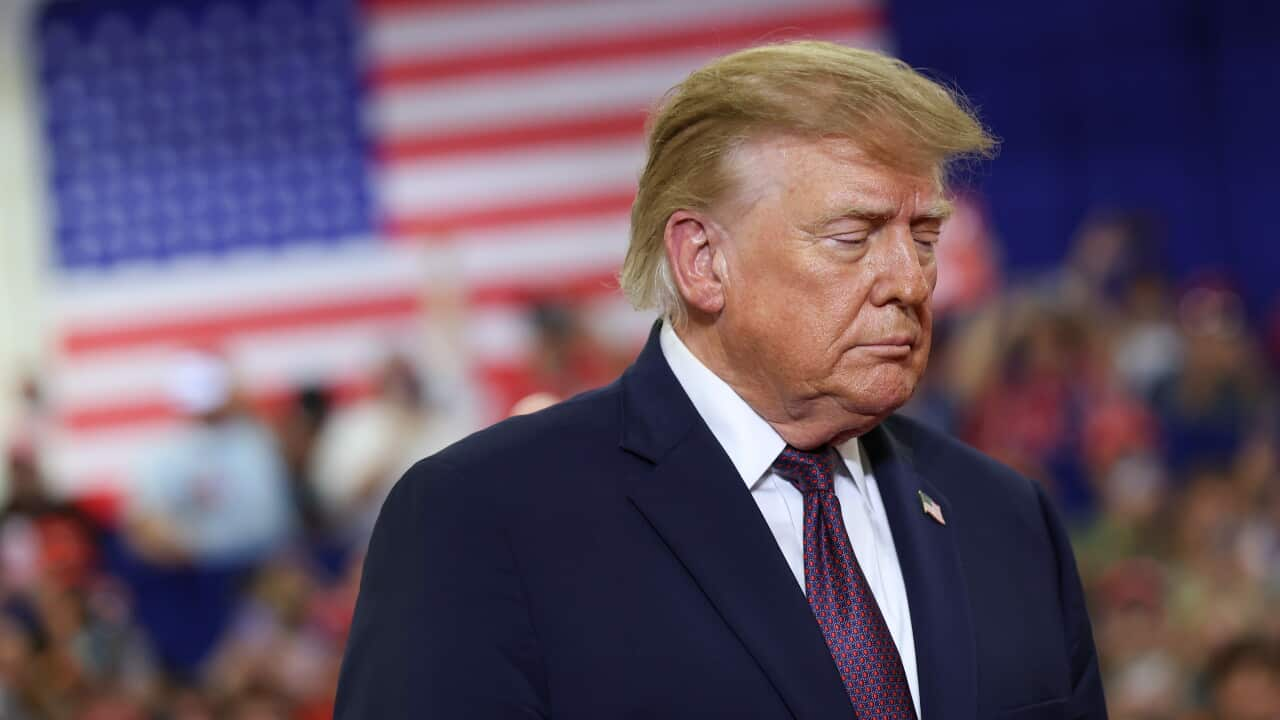
Reuters reported on November 4 that Democrats had won control of both the House of Representatives and the Senate in the 2026 midterm elections, a political setback for President Donald Trump's Republican Party. The newly elected members of Congress begin their terms on January 3, 2027, rather than taking office immediately after the November vote. This analysis considers whether the result could be part of a "strategic turning point" for U.S. policy in the Middle East, particularly its confrontation with Iran.
Could this electoral defeat help end the war or tensions between the United States and Iran, or open a way forward?
In this analysis, opposition control of Congress could bring closer scrutiny of the president's military policy. Presidential military powers are not absolute, but a change in Congress does not automatically mean that a war will end.
Congress has authority over "the national budget". Authorization to use military force and the appropriation of funding are separate matters. The legal requirements depend on the authority invoked and the specific circumstances; it is incorrect to say that every military operation requires prior congressional approval. As a historical example, on June 24, 2026, the U.S. administration requested about $67 billion in additional funding for the Department of War. That was a budget request made at that time, not evidence that it had been approved in November or that the whole amount represented spending on the Iran war.
Trump's approach to Iran has included economic sanctions and threats of force. Some members of Congress are concerned about economic difficulties, a prolonged war and rising gasoline prices.
This article's analysis is that ending the war or tensions with Iran would not be easy, and the election result cannot guarantee a ceasefire or any new agreement. Domestic political pressure could lead the U.S. administration to consider pursuing "a diplomatic victory" rather than a prolonged war. This is a possibility, not a guaranteed outcome.
Congressional pressure could add to the impetus for the Trump administration to consider negotiations or diplomatic agreements, including the possibility of a new nuclear agreement. It does not guarantee that talks will take place or that the war will end. Article: Rithy