The Iran-backed Houthi movement in Yemen has set out sweeping conditions, demanding $51 billion in US dollars together with official recognition of its forces as the legitimate authority of Yemen, in exchange for agreeing to halt attacks and end the armed conflict with Saudi Arabia.
According to a report in The Wall Street Journal, this enormous monetary demand was made after Saudi authorities had attempted to open peace negotiations with the Houthis, following attacks on Saudi oil tankers in the Red Sea and the capture of key strategic territory commanding the Bab Al Mandab strait, a critical corridor for oil and goods shipments after the Strait of Hormuz and a key economic artery for Saudi Arabia.
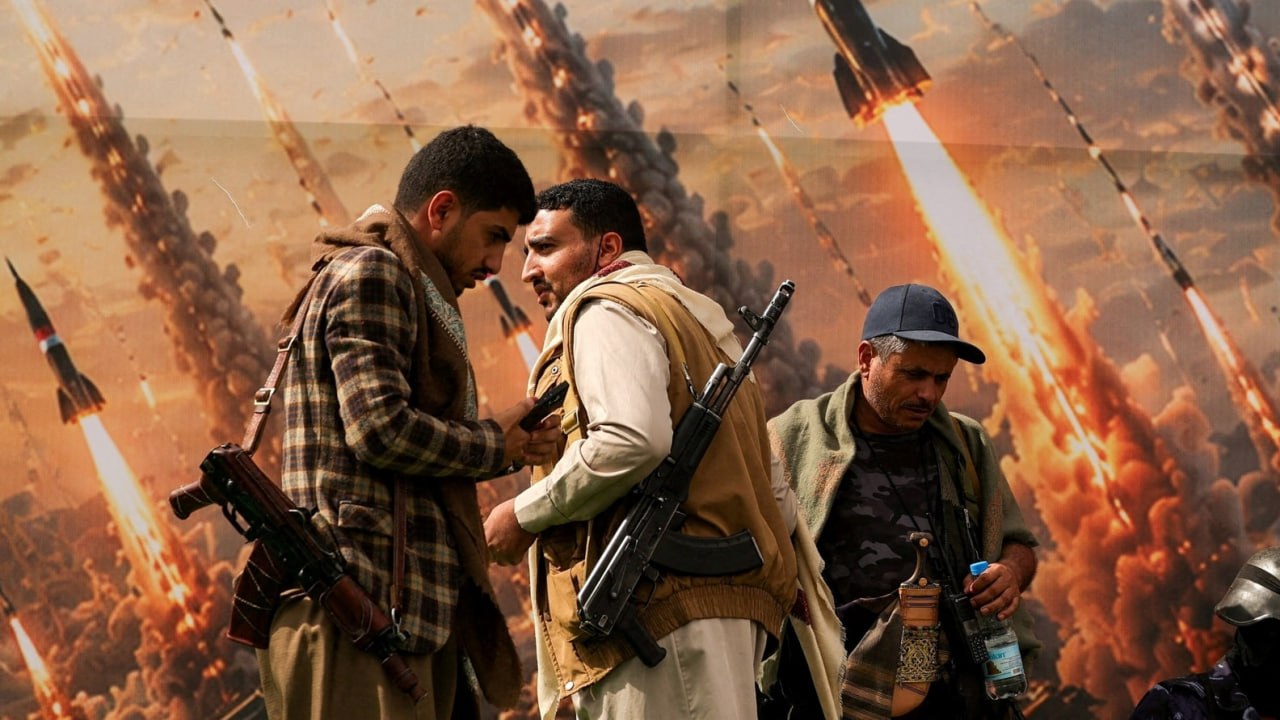 This situation has placed severe pressure on the Saudi government and pushed it into the most difficult political choices, as threats of missile and lethal-drone attacks by the Houthis continue to damage the oil infrastructure, airports and major cities of the country.
The demand for $51 billion in compensation and the insistence on being recognised as the «legitimate authority» of Yemen, voiced by the Houthis, are not an ordinary peace-negotiation proposal but a sharp «strategic pressure gambit», which is driving Saudi Arabia into the most complex decision-making crisis.
According to the report by The Wall Street Journal, the two major conditions set by the Houthis constitute a serious strategic trap for Prince Mohammed bin Salman of Saudi Arabia. Even though the Houthis assert that the $51 billion is reparations for the pain caused by years of bombing and the closure of many air and water routes, some strategic analysts see that if Saudi Arabia agrees to pay, it will create a «dangerous precedent», whereby the Houthis could continue to use military threats to extort money and impose further conditions in the future.
On the other hand, the condition of recognising the Houthis as the rightful authority in Yemen is tantamount to killing an allied partner; that is to say, if Saudi Arabia agrees, it will not only cause the internationally recognised Yemeni government to lose its influence, but will also encourage the permanent establishment of an «Iranian satellite state» right along its southern border.
So which path should Saudi Arabia choose?
The answer is that Saudi Arabia is currently in a deadlock, namely the weakening of supporting forces from the international community and the region. For example, although Egypt has approved military obligations, these have been limited only to «defence», while Pakistan has declined to participate directly in attack operations inside Yemeni territory. The United States has stepped aside and declined to participate directly in Saudi Arabia's renewed military campaign, while the withdrawal from the past Arab coalition military campaign has left Saudi Arabia severely lacking «ground forces».
In sum, the fact that Houthi forces have advanced to within about 80 km of the city of Aden, the provisional seat of the Yemeni government, shows that the balance of military power on the ground has tilted almost entirely in favour of the Houthis.
For Saudi Arabia, the choice now is not between "victory or defeat", but between «losing funds and political reputation» or «facing the destruction of its economic infrastructure» as a result of the Houthis' unrelenting attacks.
However, according to Arab News, the Saudi government, through the Ministry of Foreign Affairs, has officially and categorically rejected The Wall Street Journal's report, dismissing its claims entirely and calling the report a "baseless fabrication".
Rayed Krimly, Deputy Minister of Foreign Affairs of Saudi Arabia for Public Diplomacy, made clear that there are no negotiations and no conditions demanding $51 billion from the Houthis. He also recalled that Yemen has a legitimate government already recognised by the international community, and that the Houthi armed group remains a rebel group which has caused destruction and has rejected peaceful solutions in the past.
At the same time, sources also confirmed that the Houthis also publicly rejected this report, asserting that their movement has not sought political recognition from the Saudi government as published, and that the actual scale of losses resulting from the war in Yemen is far greater than the figures cited៕ Text: រិទ្ធី