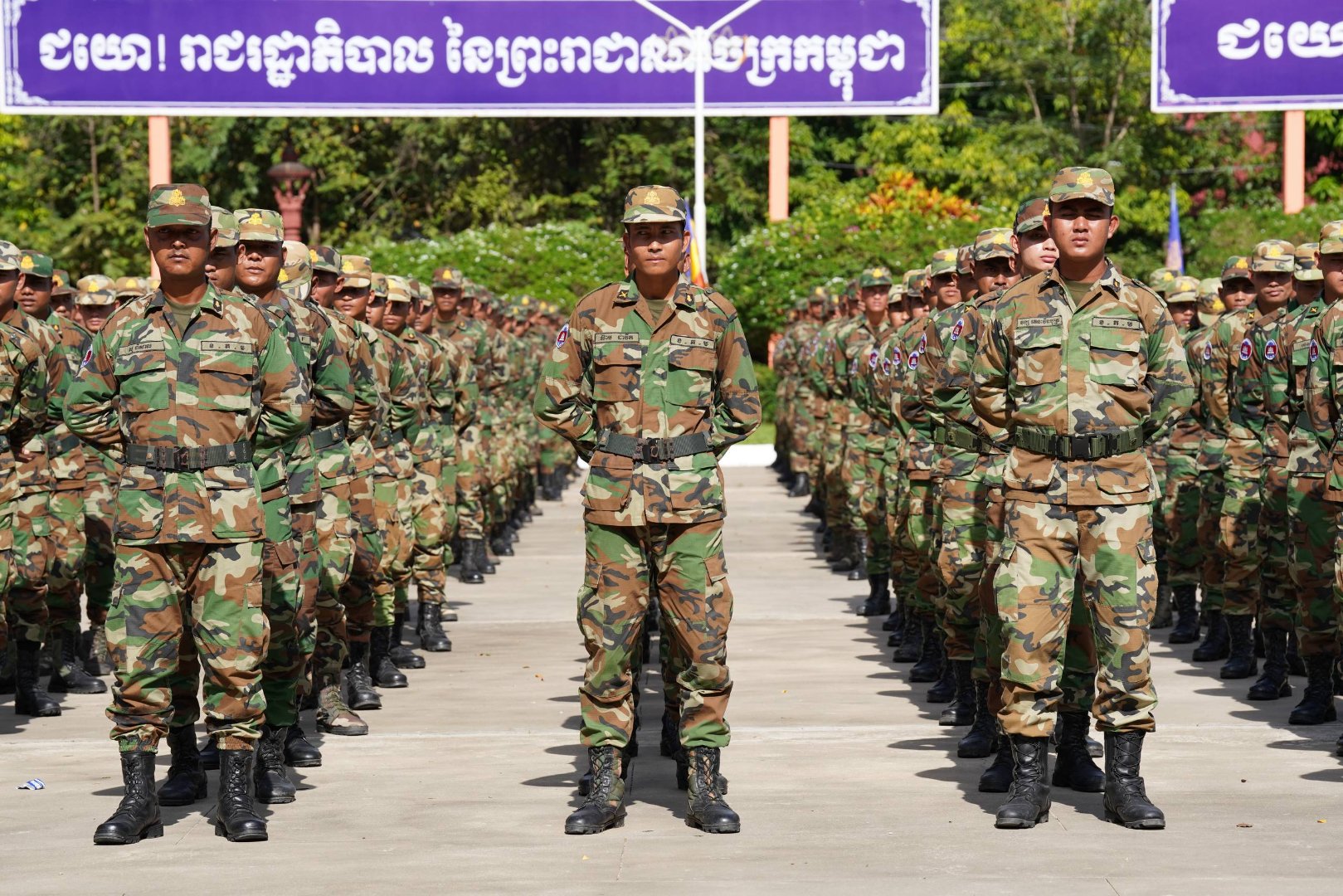
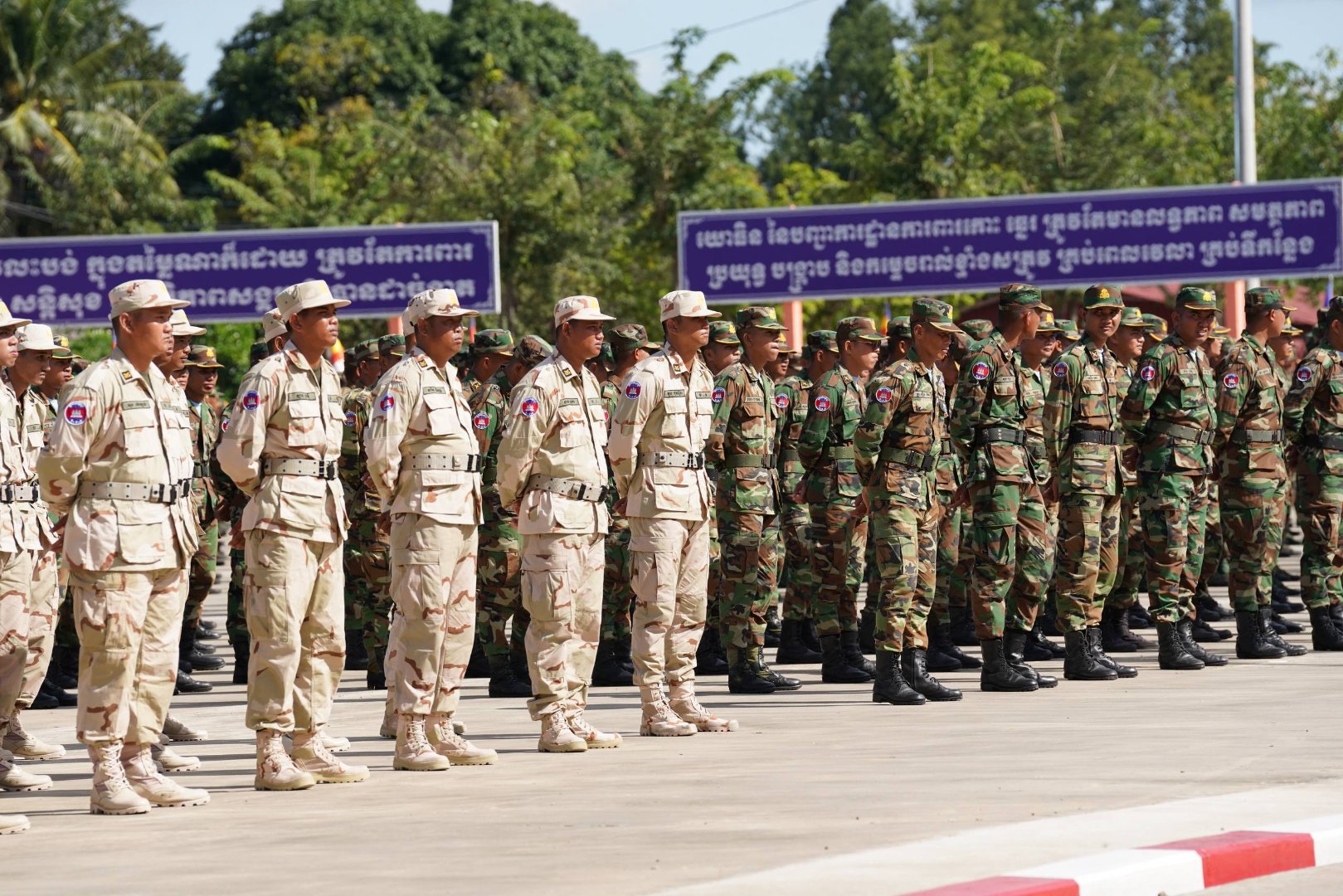
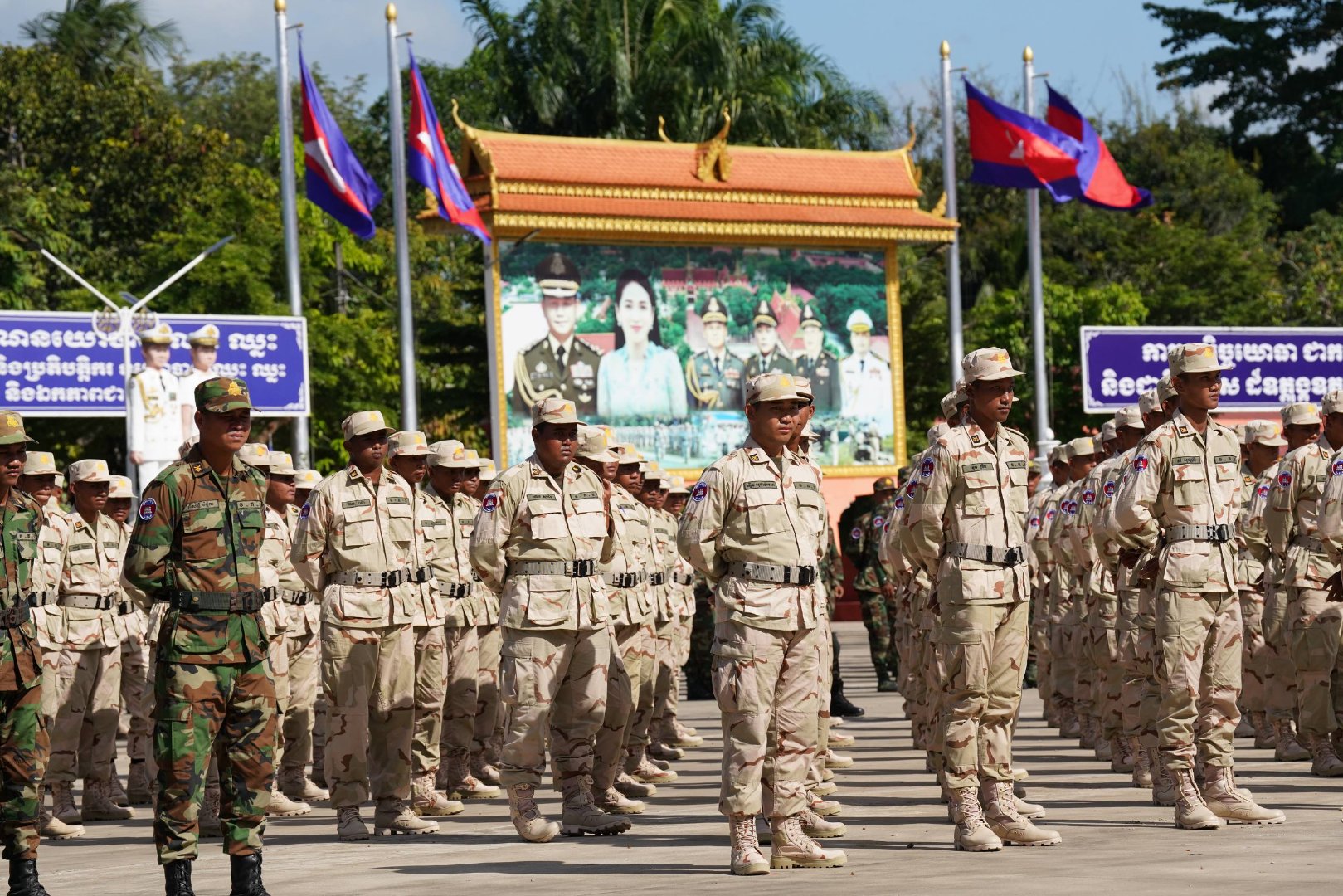
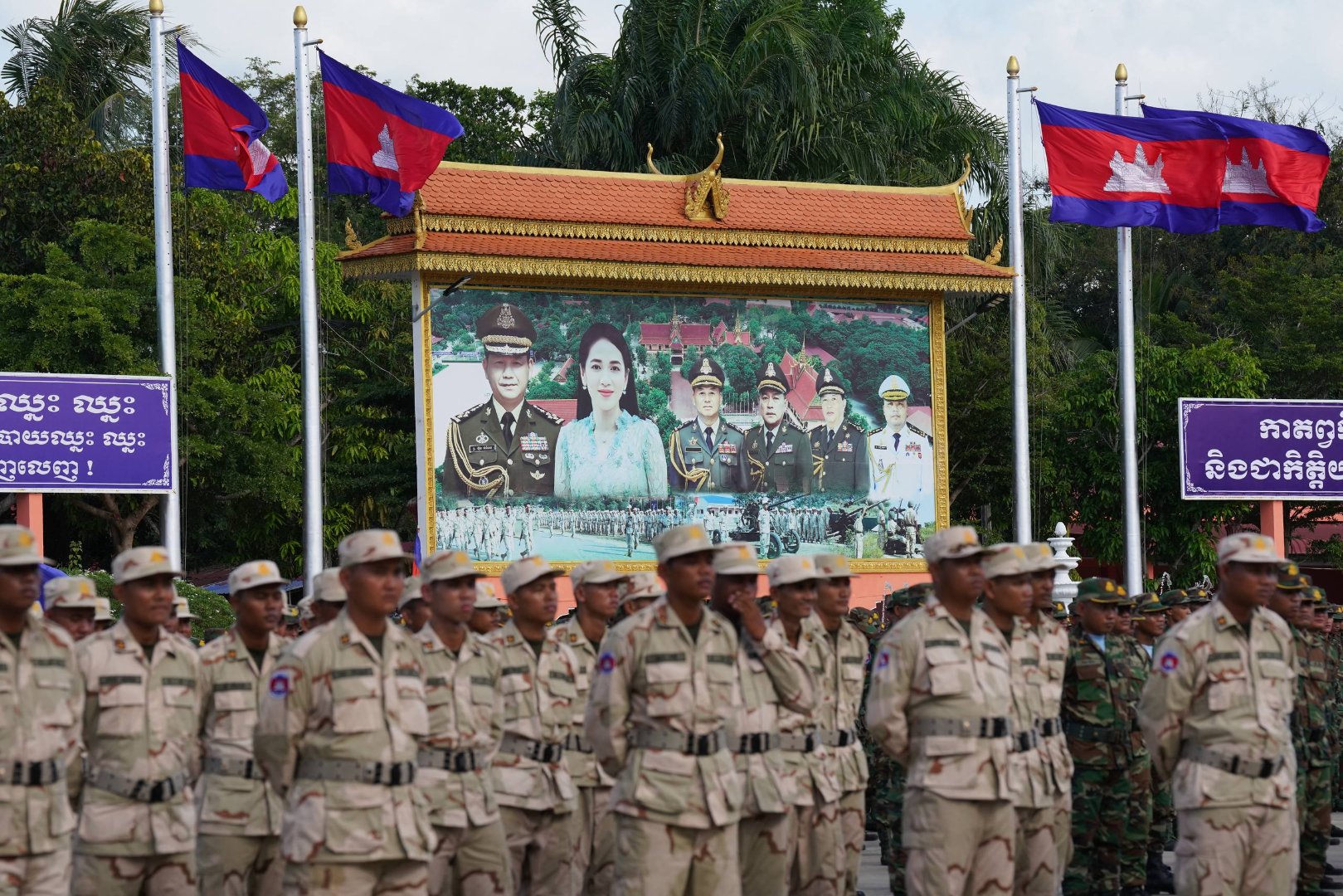
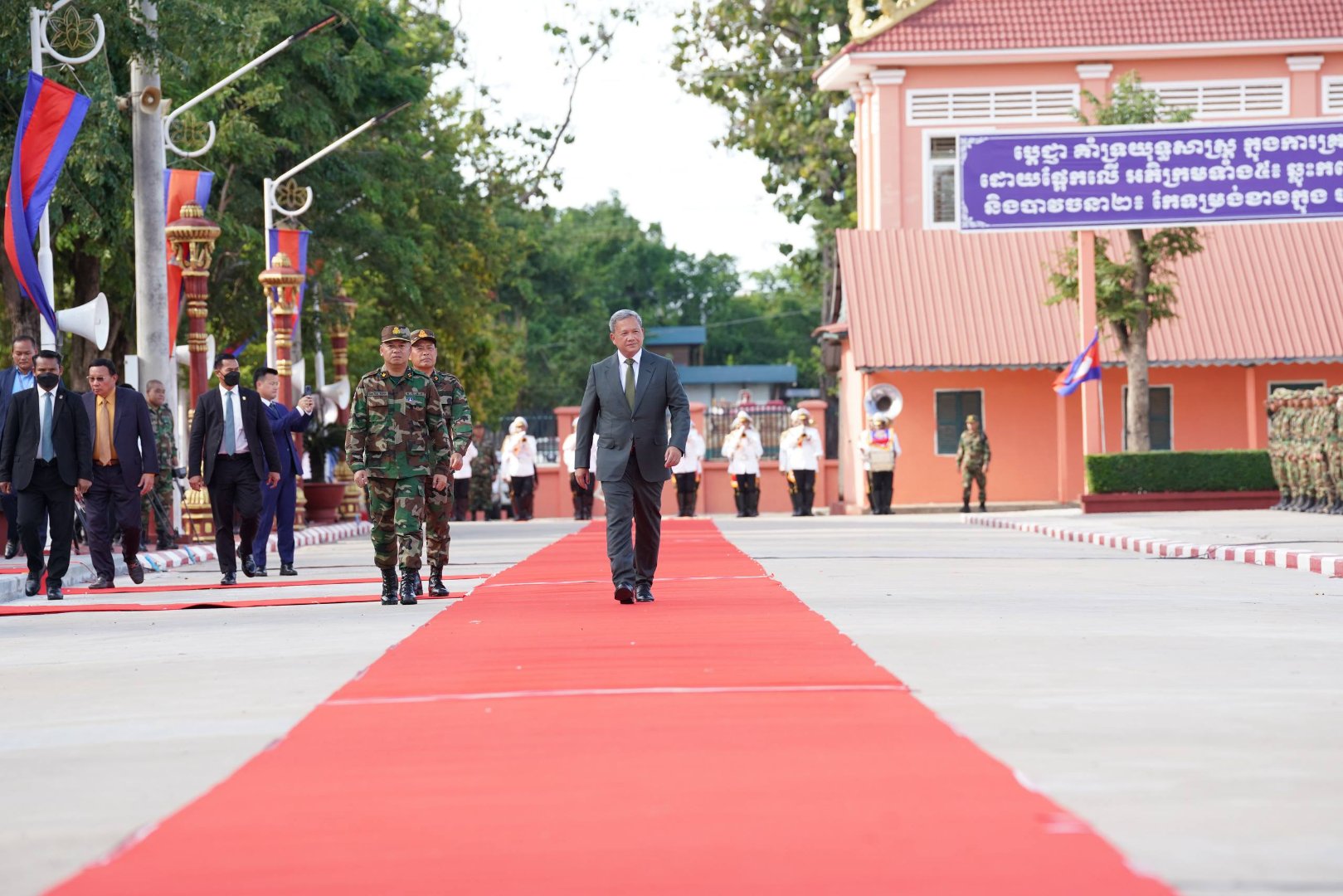
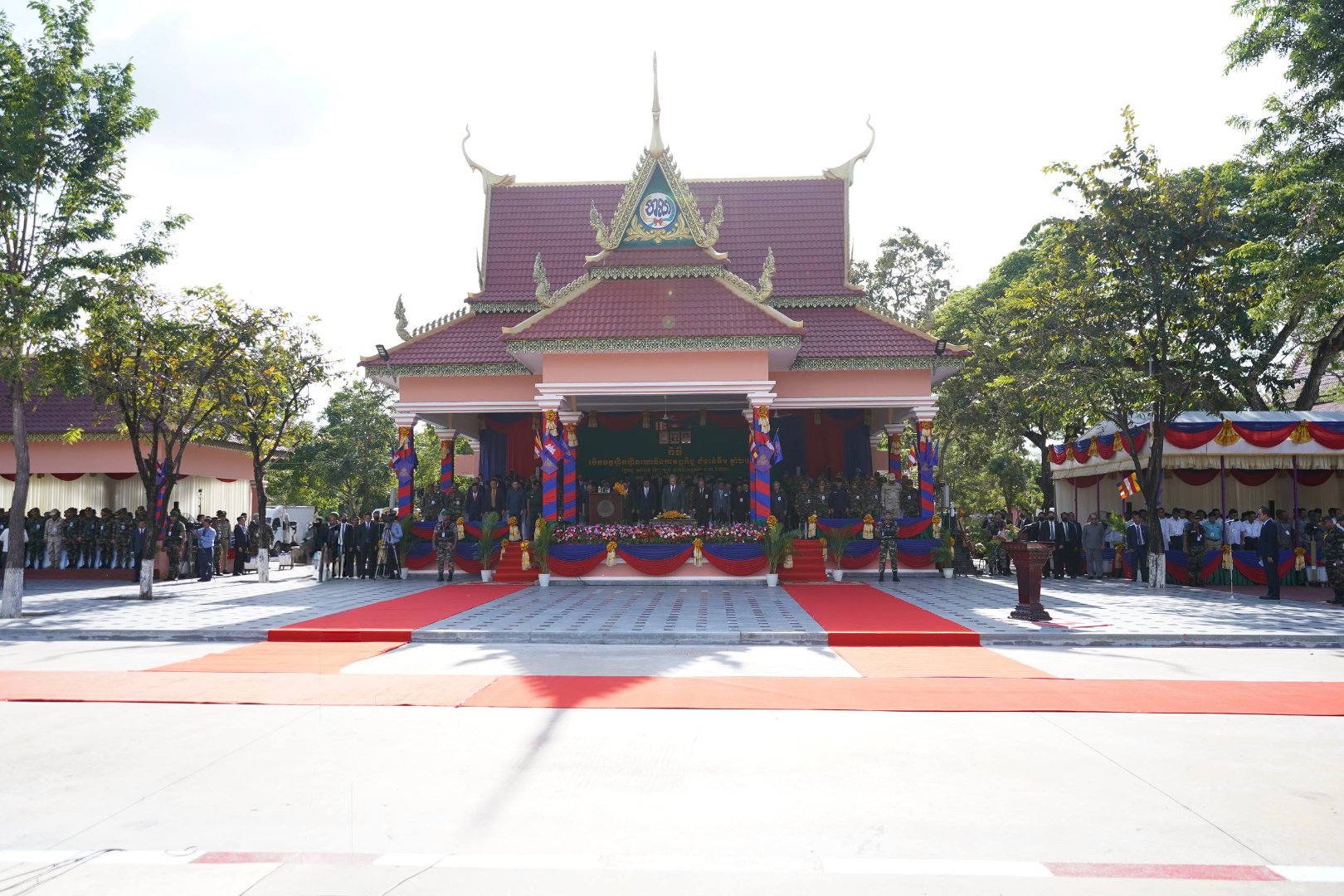
On the afternoon of 9 November 2026, Cambodian Prime Minister Hun Manet presided over the opening of the first compulsory military service training intake of 2026 at the Coastal and Island Defense Command in Kampong Speu province. Senators, National Assembly and government members, Ministry of National Defence leaders, commissioned and non-commissioned officers, soldiers and selected young recruits attended.
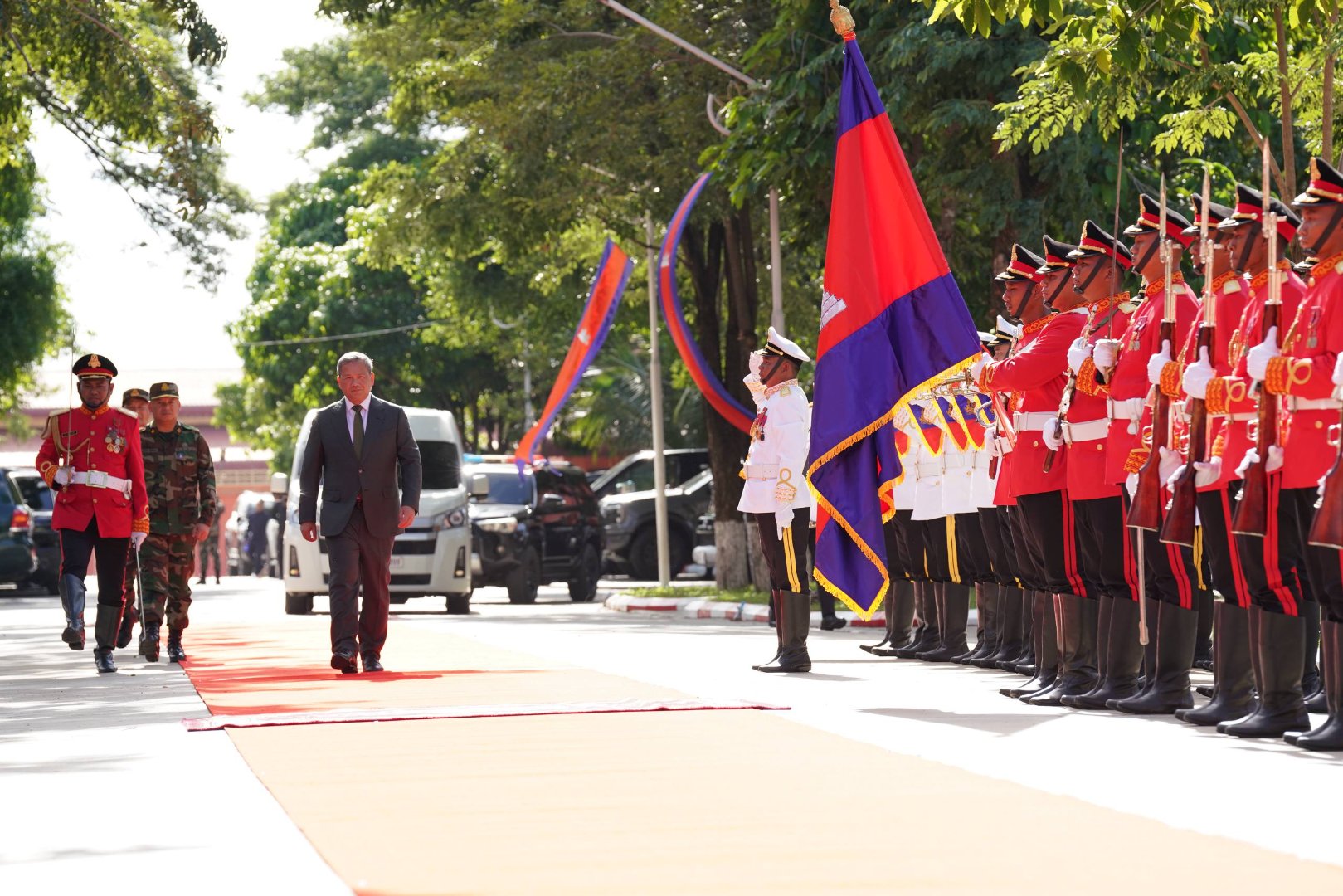
The launch forms part of the implementation of plans to strengthen national defence capabilities and safeguard territorial integrity and national sovereignty. Cambodia has had a law on compulsory military service since 2006, and the seventh-mandate government is organising its practical implementation.
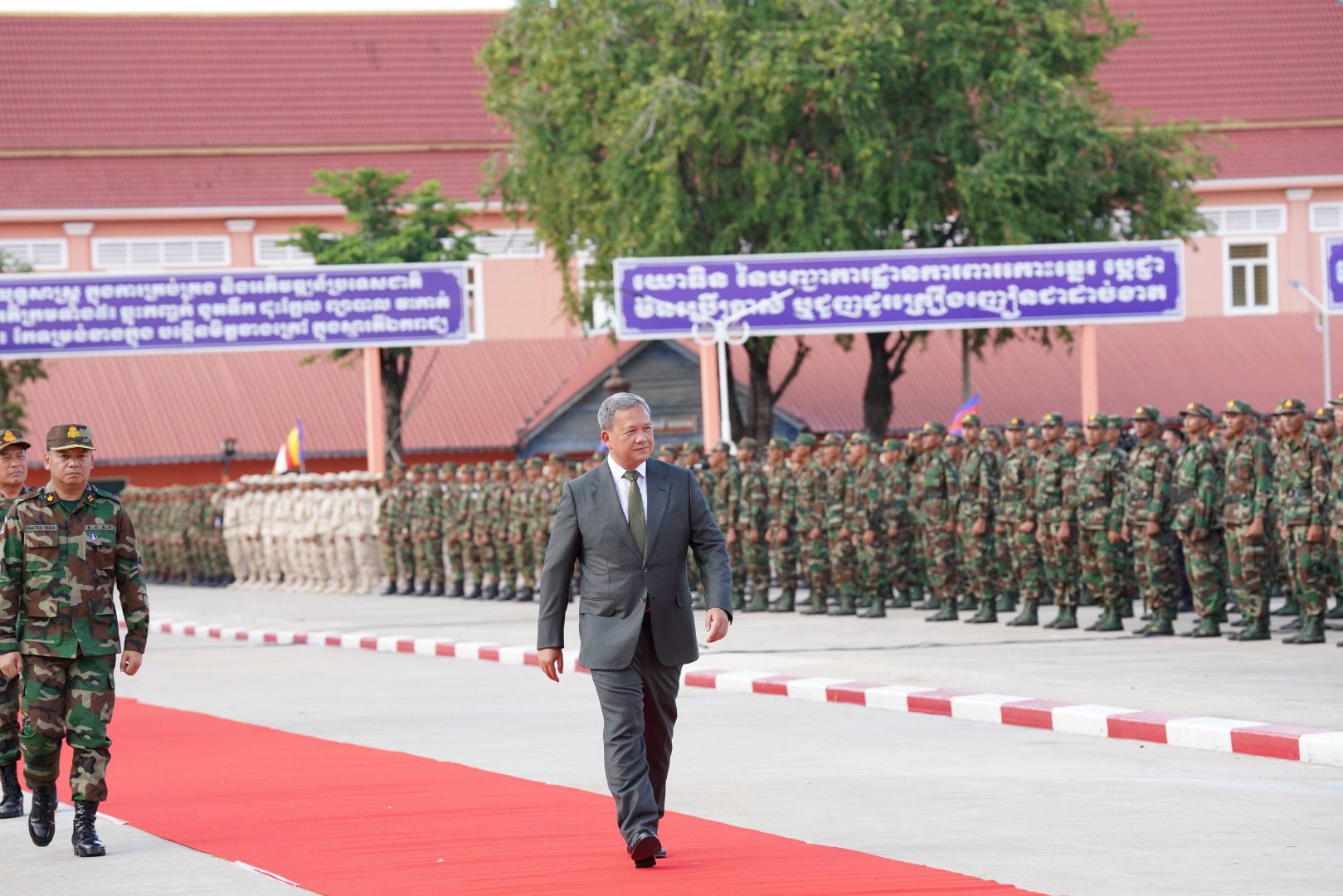
Cambodia’s defence chief said the Kingdom’s first law on compulsory military service was promulgated by Royal Kram No. NS/RKM/1206/030, dated 22 December 2006. However, the law did not comprehensively cover present and future needs and therefore needed to be redrafted. At the Prime Minister’s initiative, the Ministry of National Defence established an ad hoc working group to study and redraft the law, providing a foundation for building personnel resources for national defence, developing physical fitness, and fostering patriotism, attitudes and discipline in line with society’s needs.
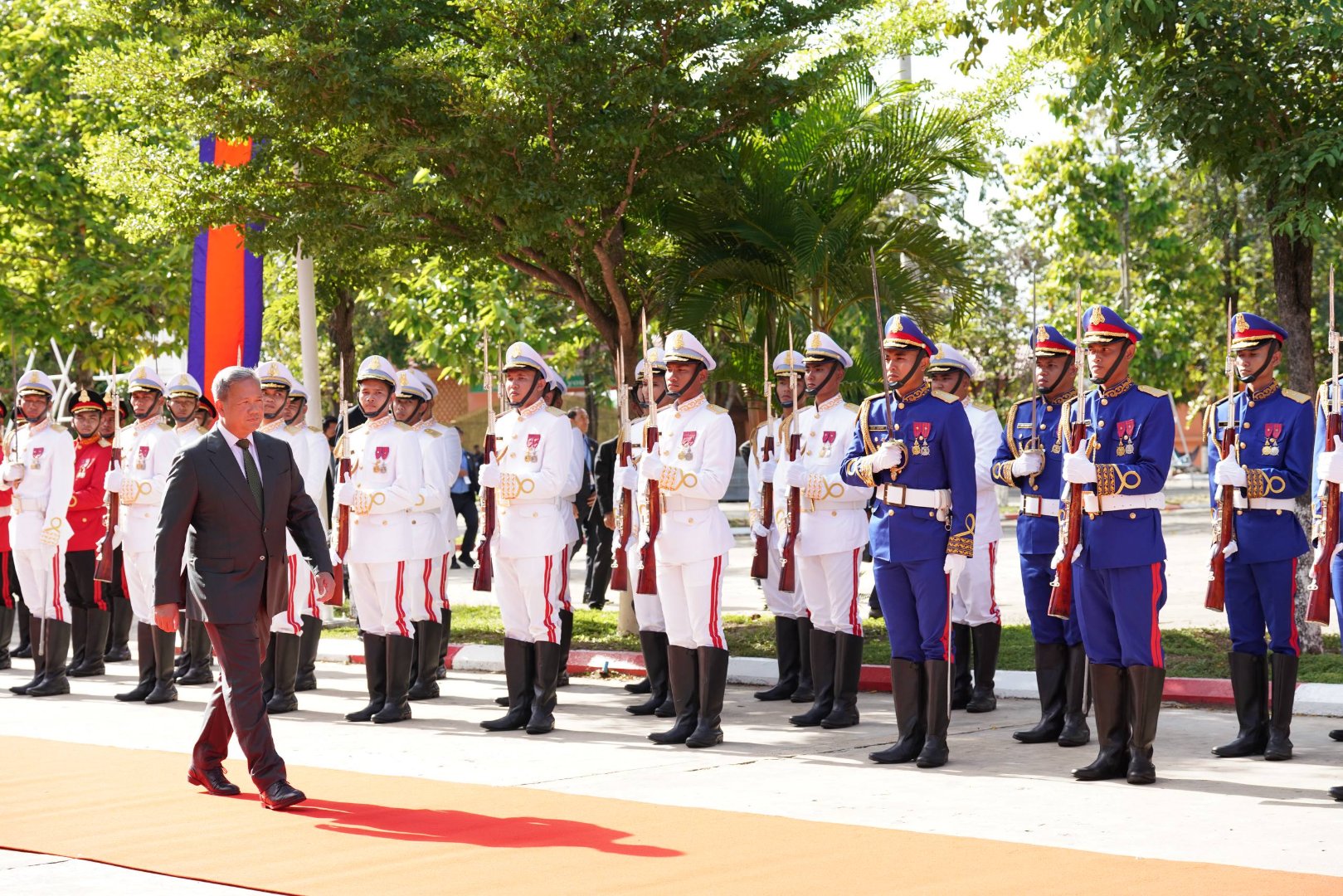
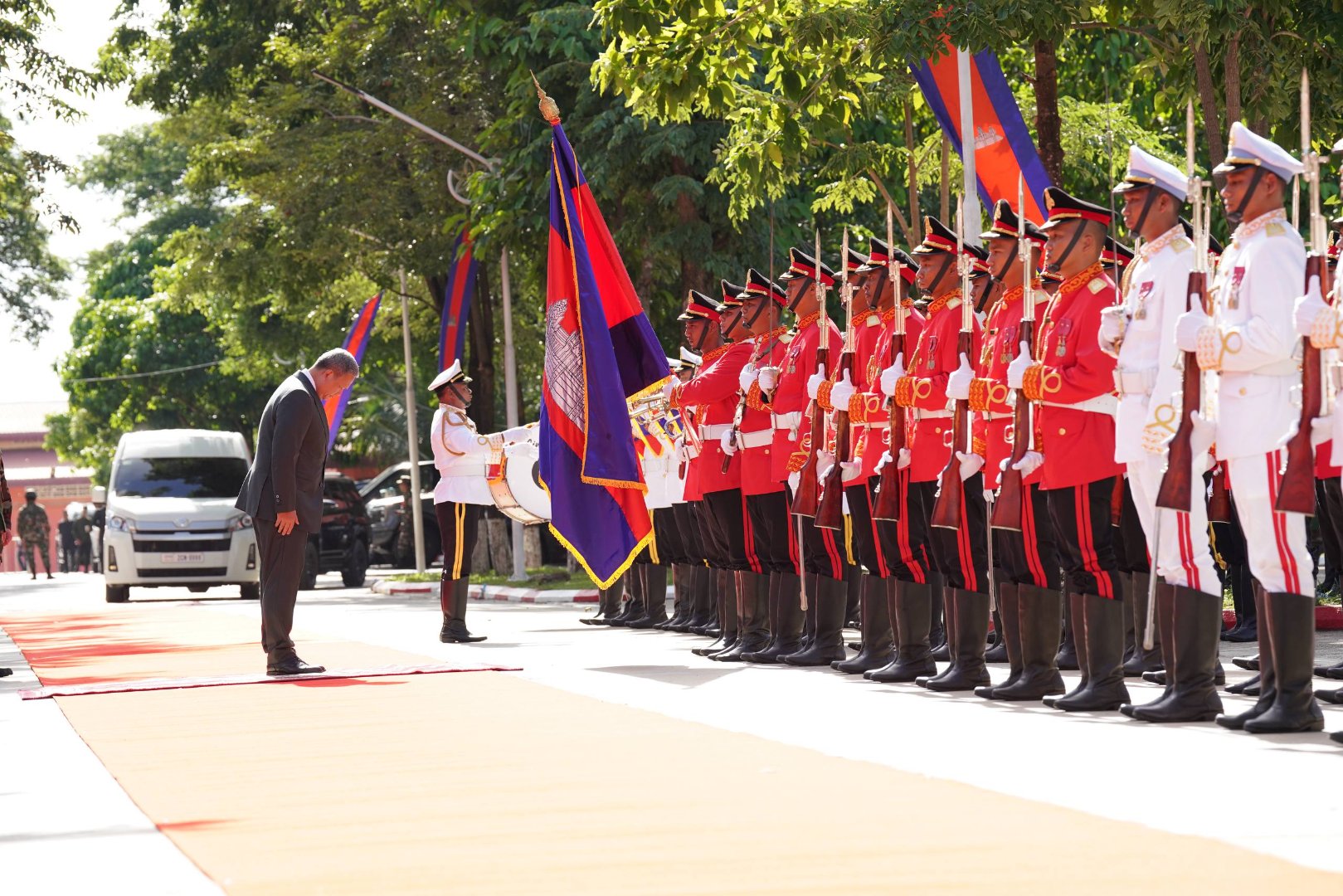
General Tea Seiha said that, acting on the government’s decision, the National Committee for Compulsory Military Service had selected a total of 5,000 candidates for the first intake in 2026 and notified those selected for service to gather at designated locations. In cooperation with the capital and provincial administrations, the committee organised gatherings, encouragement meetings and send-offs for the young recruits to undergo health and physical fitness examinations at eight training schools on 4 November 2026. The Ministry of Health supported the examinations by providing doctors, medical supplies and equipment.
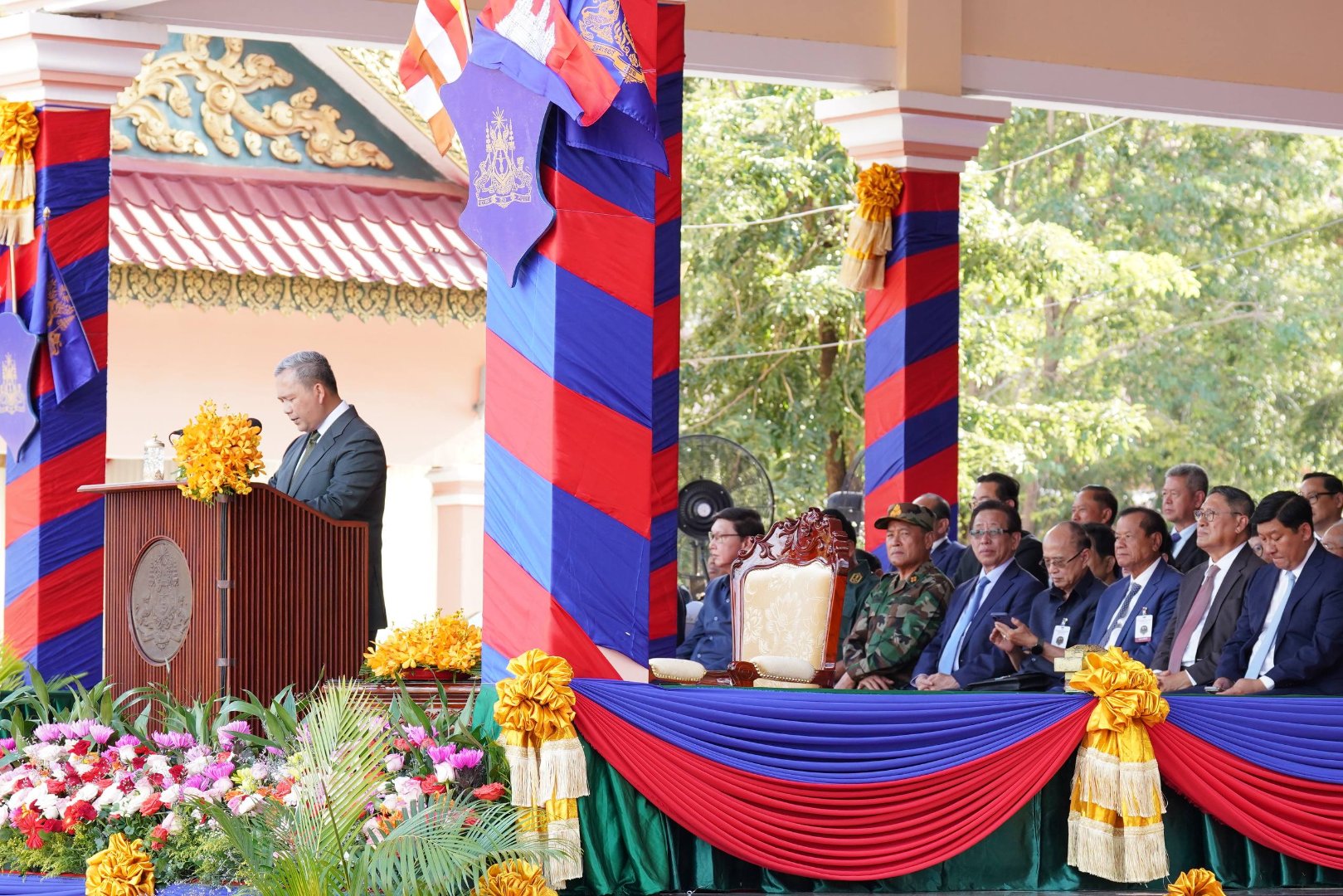
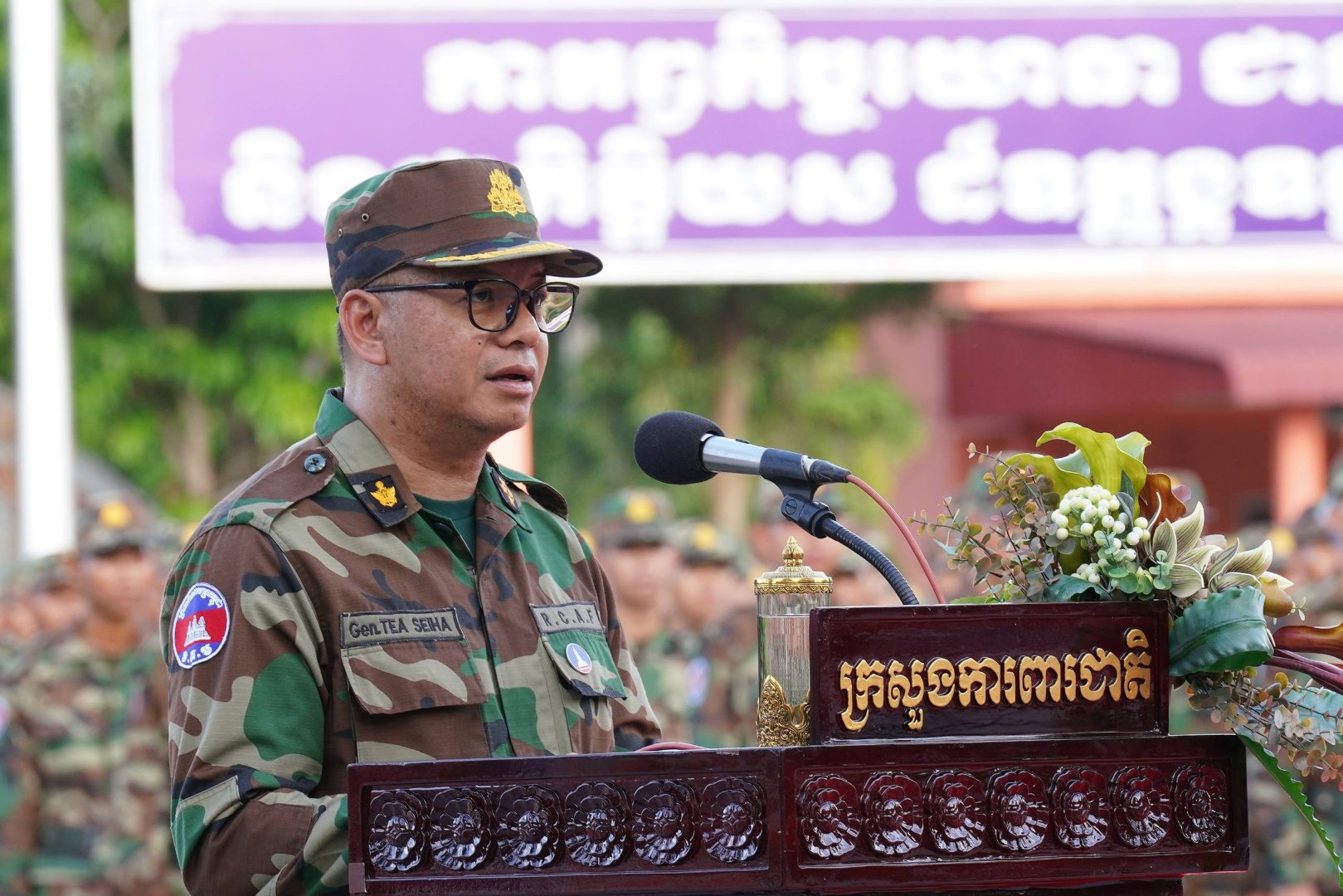
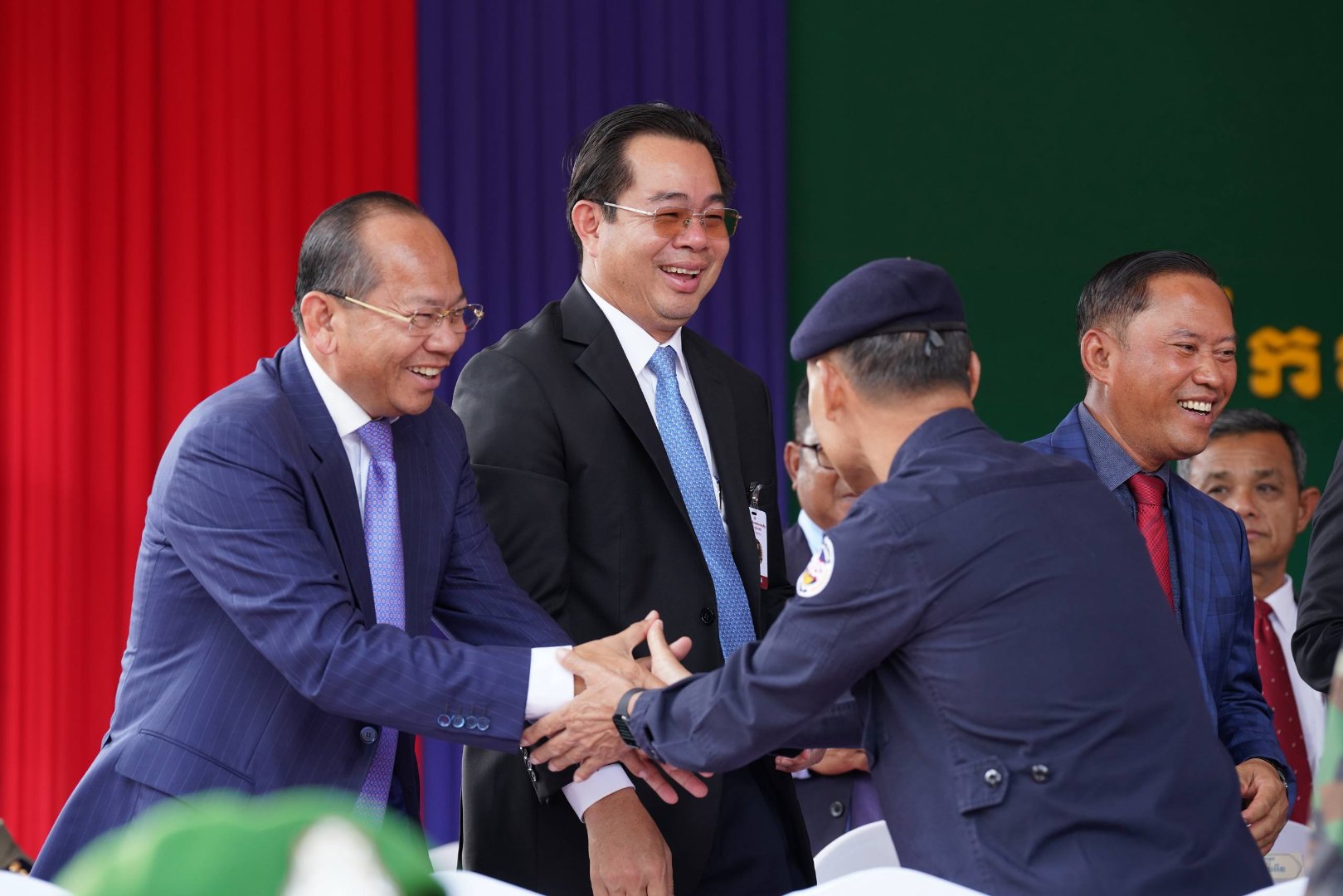
Prime Minister Hun Manet said fulfilling military service was an opportunity to serve the motherland, receive training in military skills and techniques, and develop oneself in areas such as discipline and leadership.
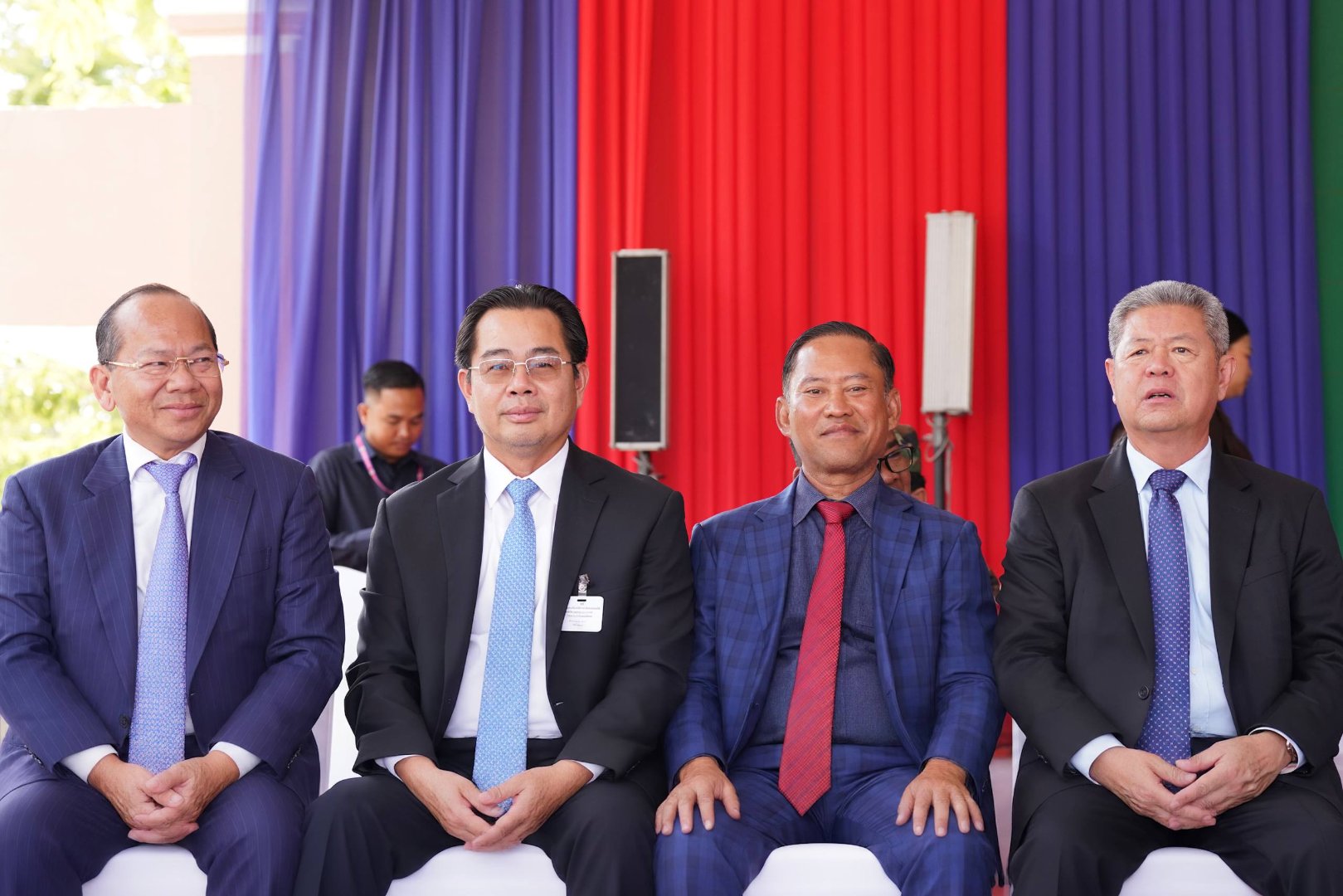 The Prime Minister said that conscripts would benefit and gain new knowledge, but challenges remained: first, changing their way of life; second, living within clear requirements, namely discipline; and third, changing how they work.
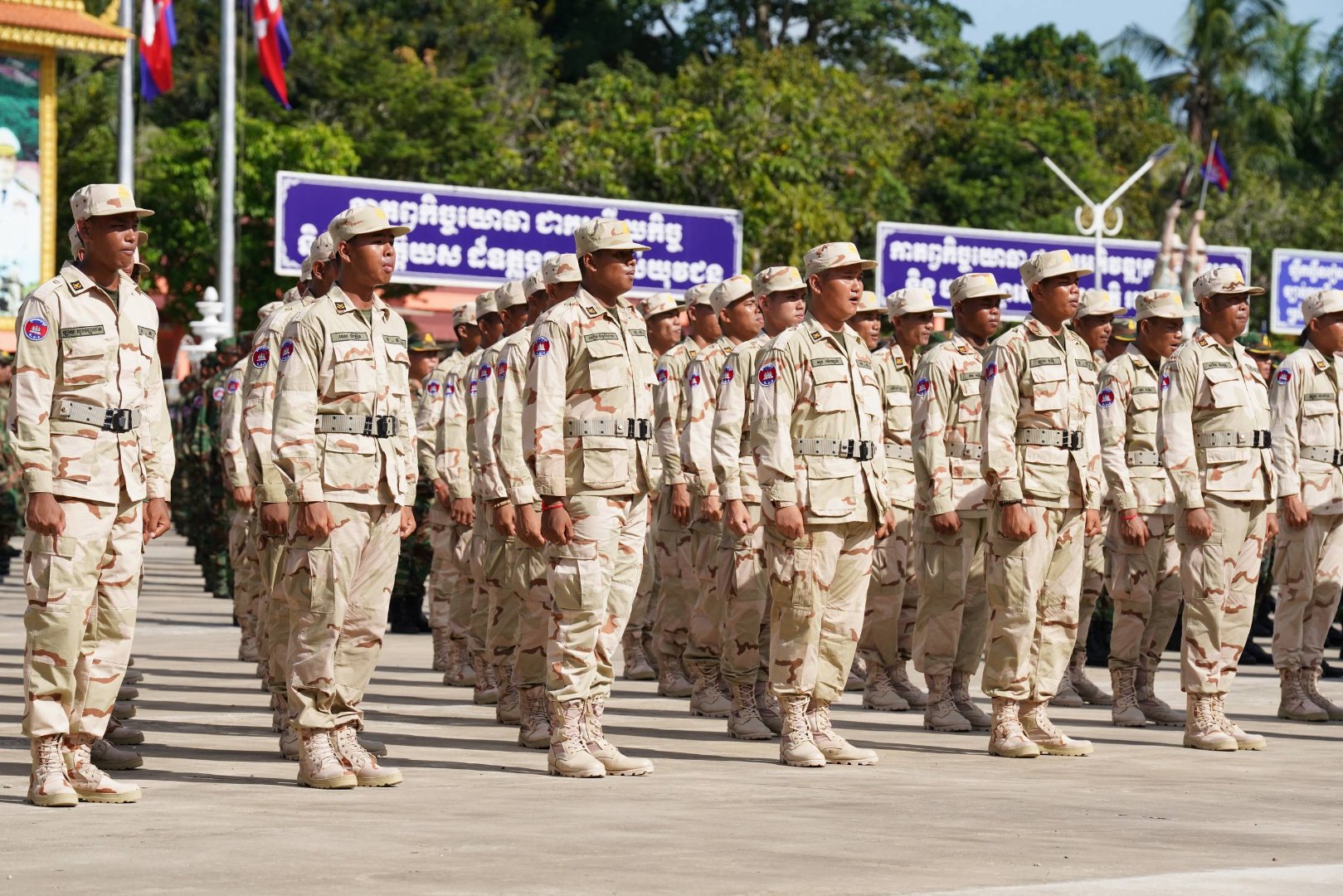
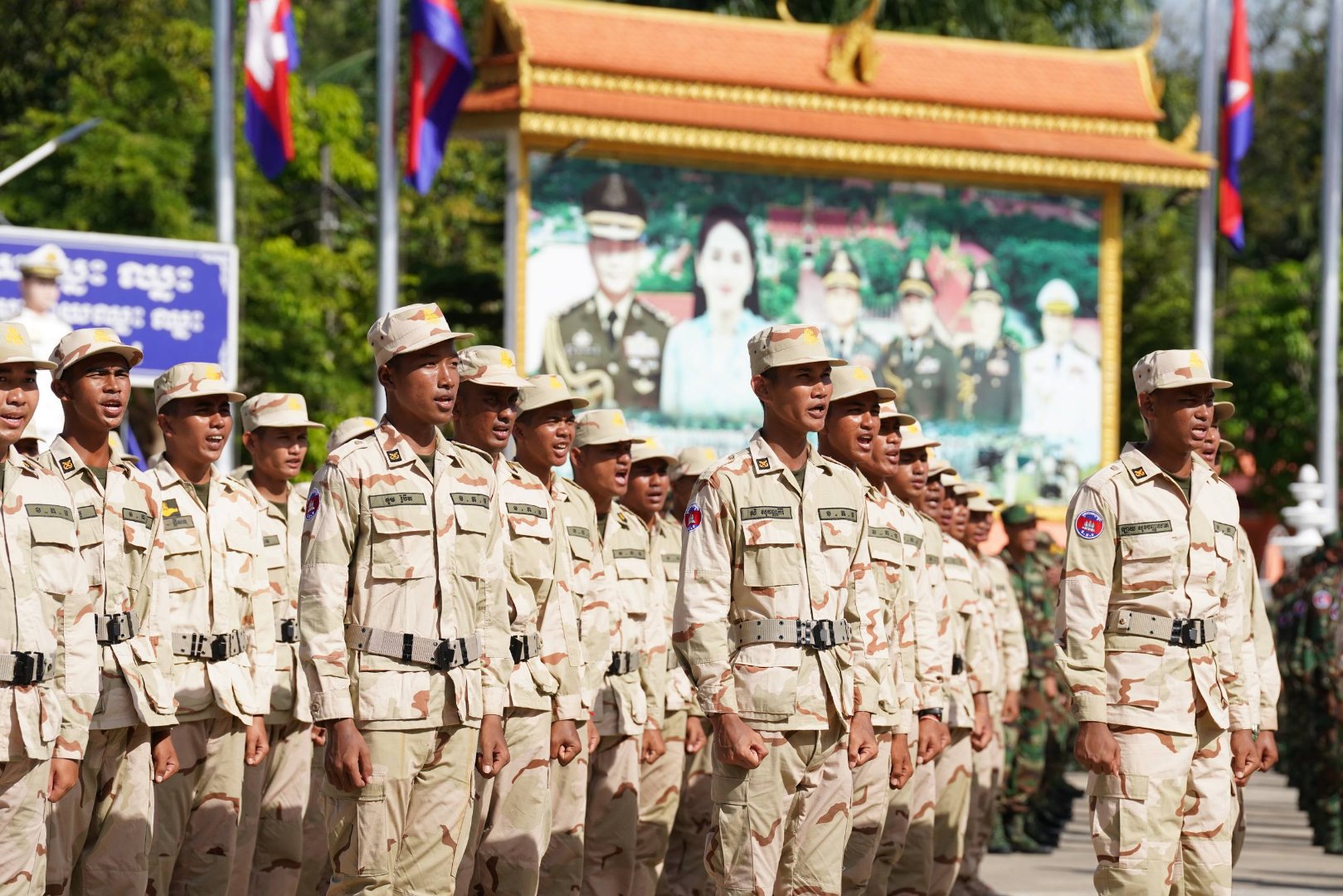
He added that the opening day was a special and historic occasion. He expressed hope that the 5,000 young people joining in the first year would persevere until completing their 24 months of military service and set an example for future intakes of conscripts.
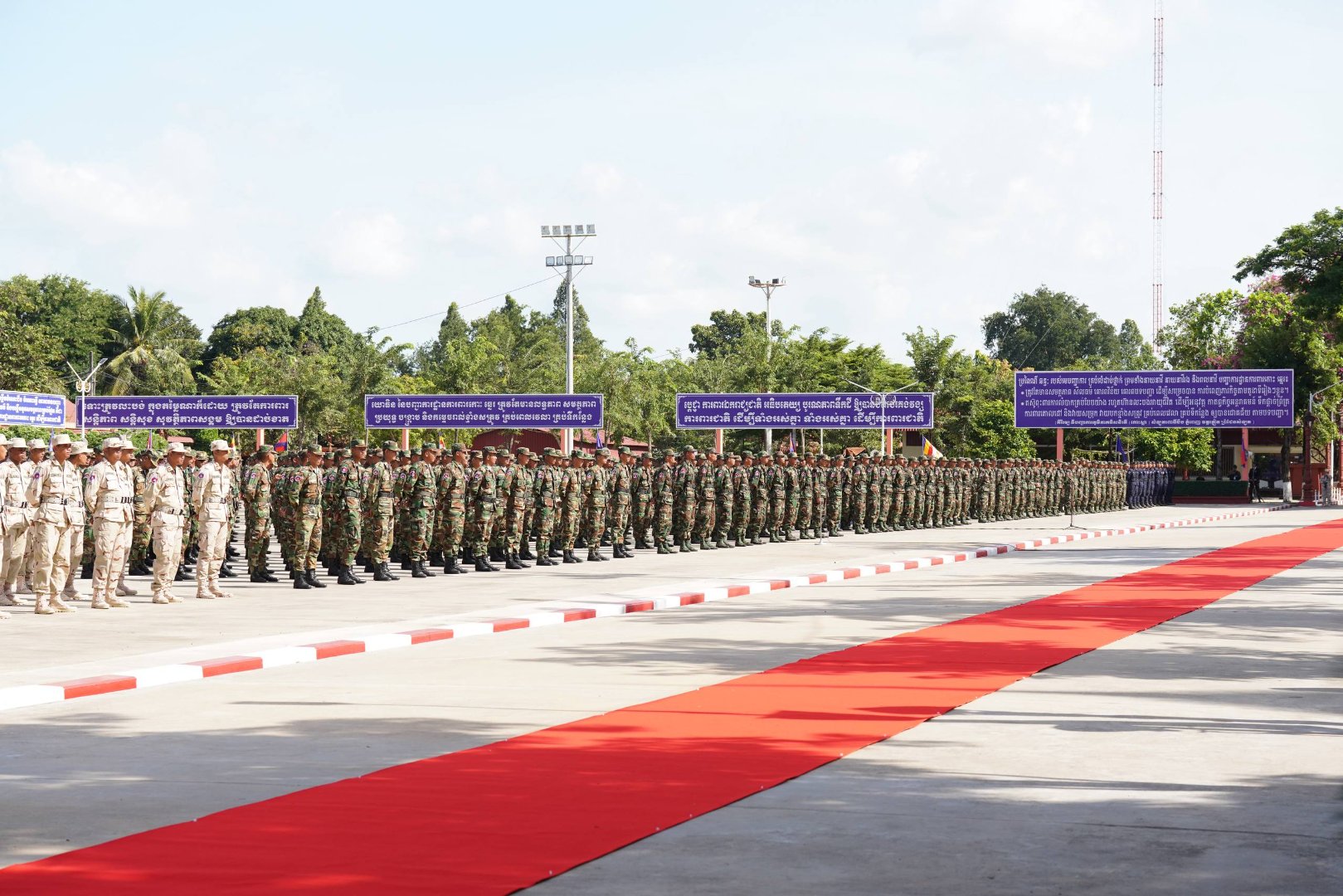
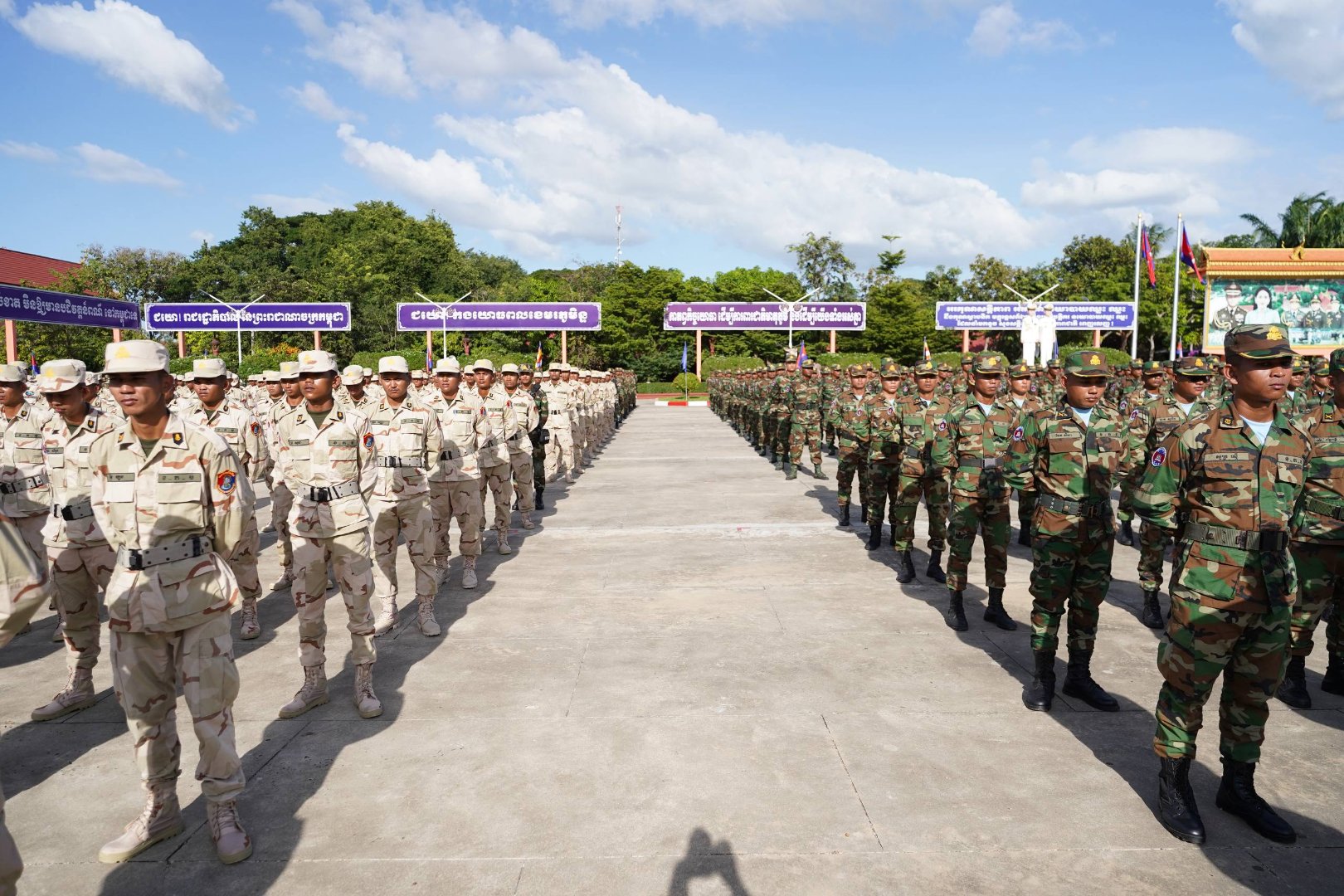
Based on actual needs, the government has authorised the Ministry of National Defence to recruit 10,000 male Cambodian citizens in 2026, divided into two training intakes of 5,000 each at eight training schools. By: Sopheak