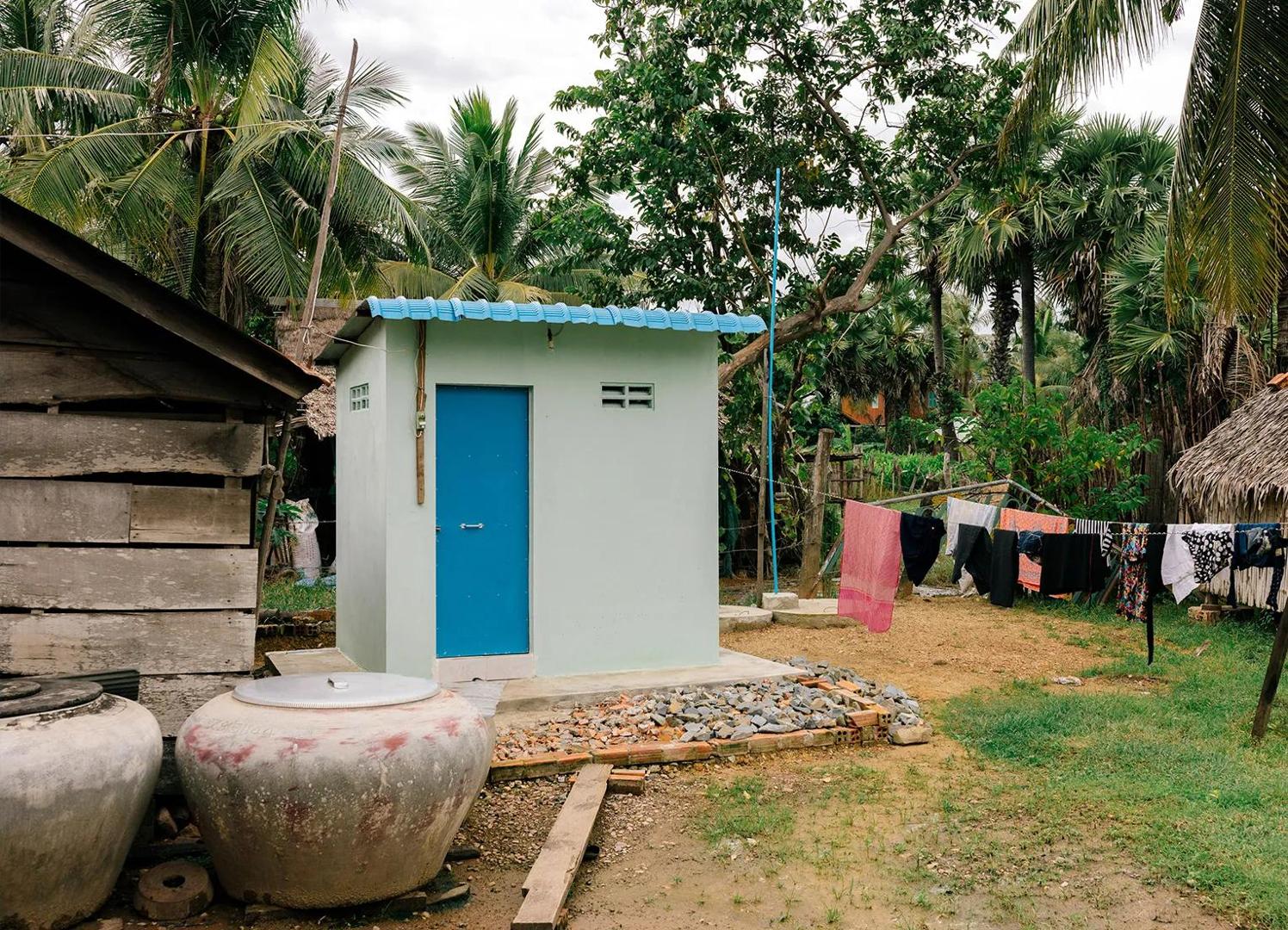
Ahead of the 17th National Rural Sanitation Day on November 13, 2026, Cambodian Prime Minister Hun Manet highlighted the commitment of the Royal Government serving during the seventh legislature of the National Assembly to continue expanding rural clean-water supply and sanitation, with the goal of achieving 100% coverage by 2030. Notable progress includes nationwide basic sanitation coverage reaching 95% and all 25 capital and provincial administrations achieving open defecation-free (ODF) status. Phnom Penh, Kandal and Prey Veng have attained the higher ODF+ level. This progress has helped improve people's health, reduce communicable diseases and healthcare costs, and create better living environments.
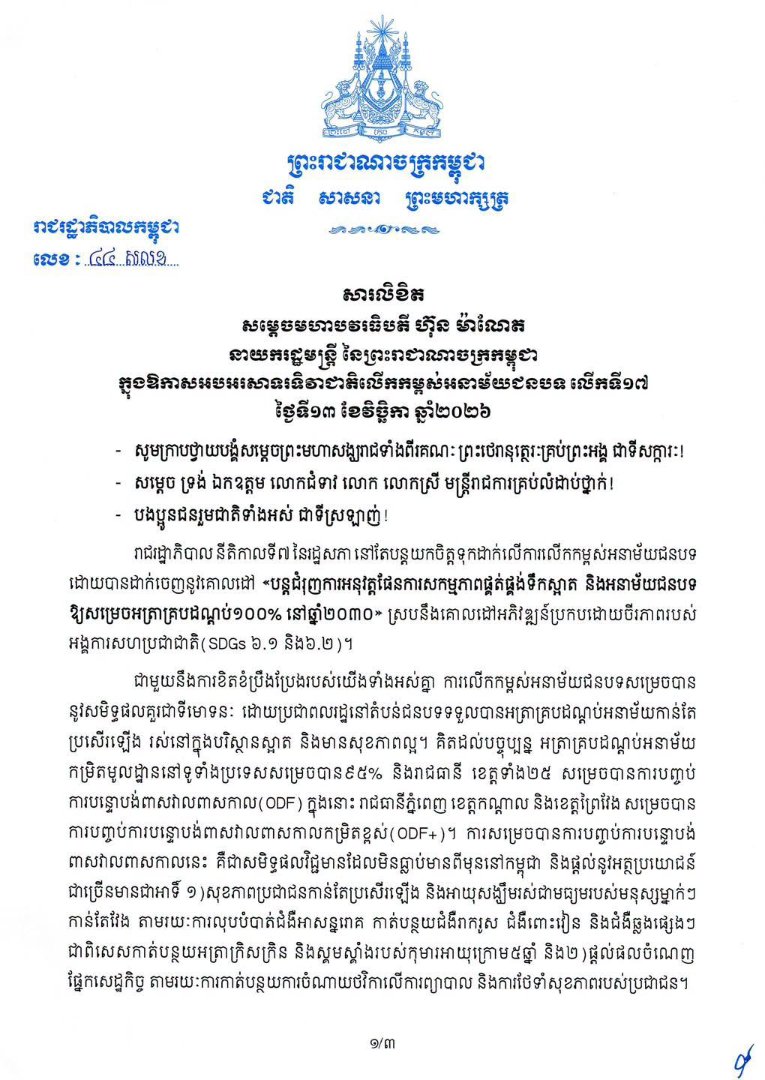
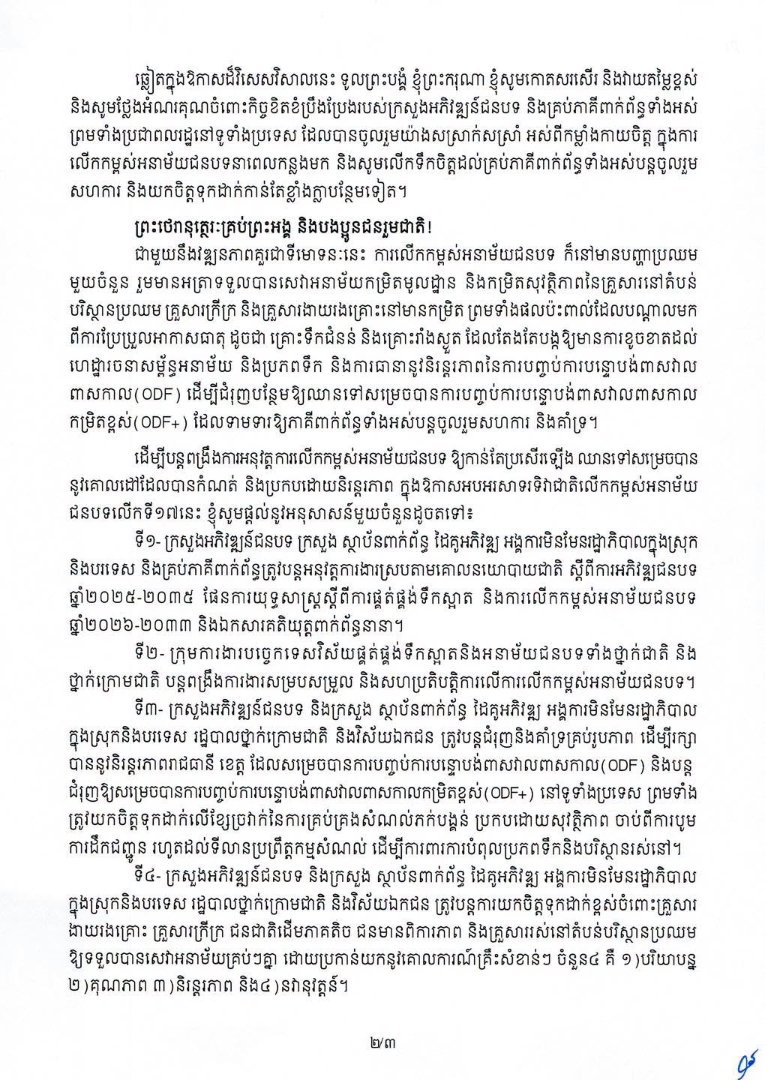
However, challenges remain, including access to sanitation services for poor and vulnerable households, inadequate infrastructure in at-risk areas, and the effects of climate change. To address them, the Prime Minister recommended that the Ministry of Rural Development, relevant ministries and institutions, development partners, non-governmental organizations and subnational administrations continue implementing the relevant policies and strategic plans, strengthen cooperation, sustain ODF achievements and advance nationwide progress toward ODF+. In particular, they should strengthen safe fecal-sludge management, provide inclusive, quality, sustainable and innovative sanitation services, and improve management and monitoring systems for rural clean-water and sanitation data.
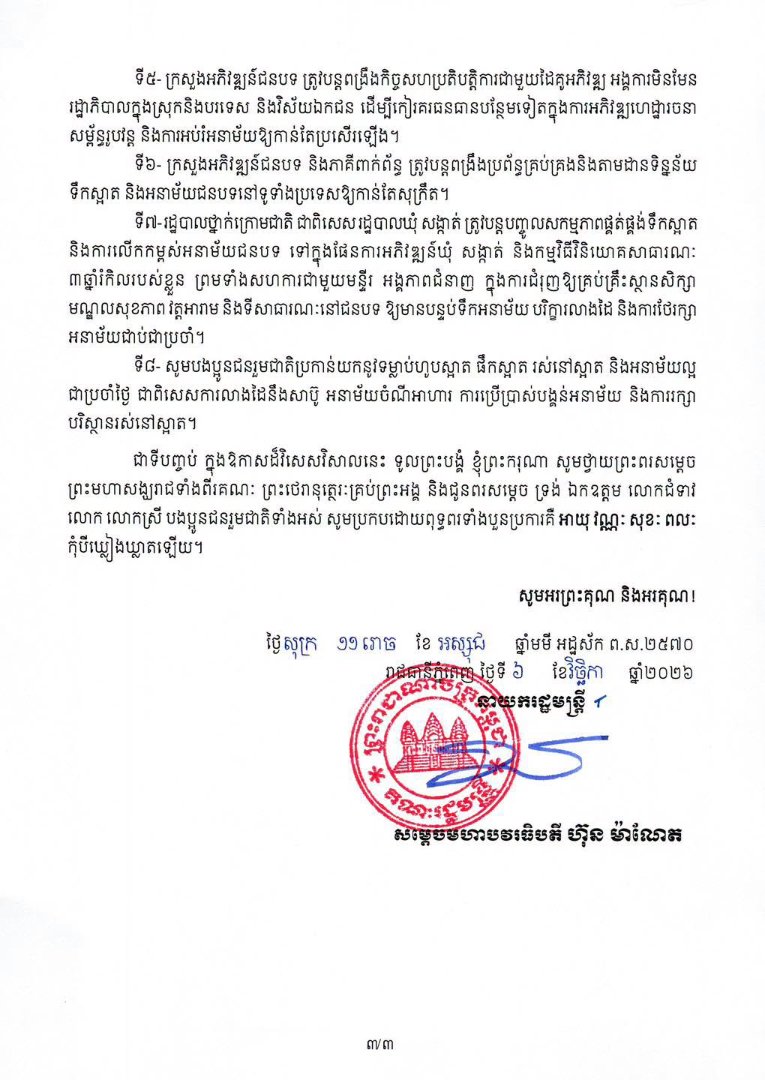
 Hun Manet also praised and thanked the Ministry of Rural Development, all relevant institutions, development partners, the private sector and people across the country for their contributions to rural sanitation. He urged commune and sangkat administrations to include clean-water supply and sanitation activities in local development plans and ensure that schools, health centers, pagodas and public places have sufficient sanitary toilets and handwashing facilities. Everyone should also eat food prepared hygienically, drink clean water, maintain clean living conditions, wash their hands with soap, use sanitary toilets and protect the environment, jointly safeguarding public health and sustaining rural sanitation development in Cambodia. By: សុភ័ក្រ្ត