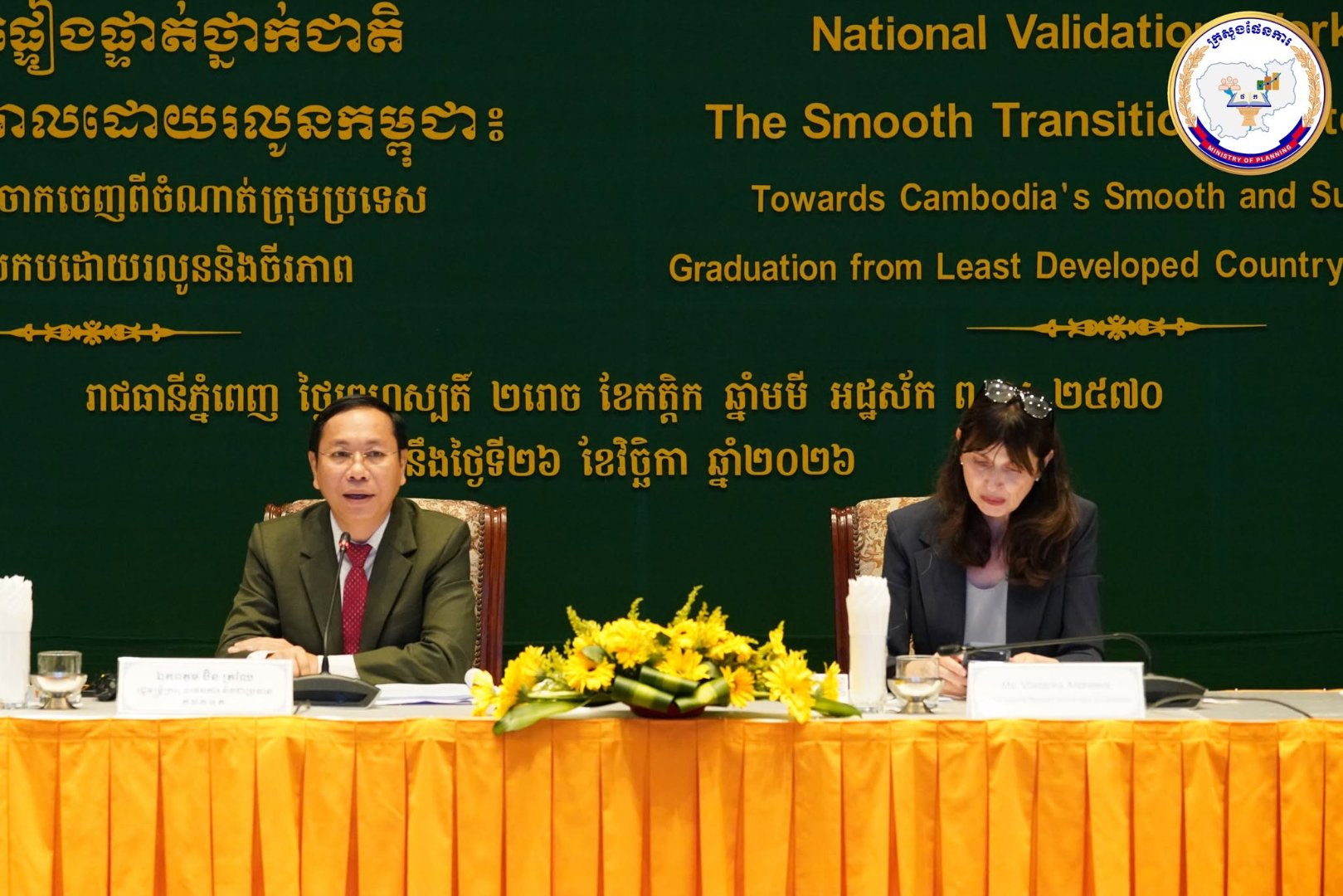
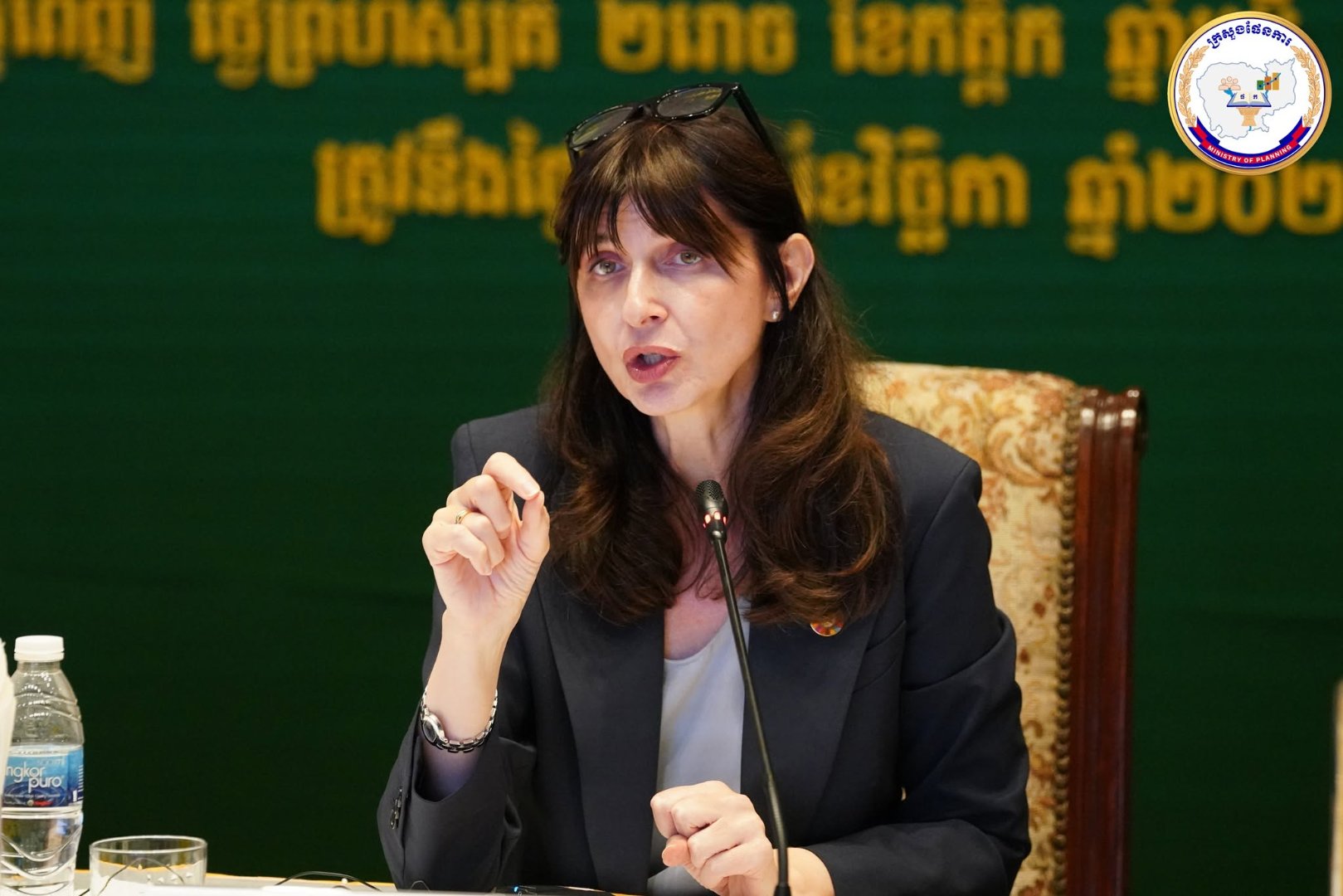
On 26 November 2026, the Ministry of Planning and the United Nations Resident Coordinator Office in Cambodia (UNRCO) organized a national validation workshop on the draft "Cambodia's Smooth Transition Strategy for Graduation from the Least Developed Country Category." The workshop was co-chaired by H.E. Bin Trochhey, Minister of Planning and Chairman of the National Committee for Graduation from the Least Developed Country Category, and Ms. Vladanka Andreeva, United Nations Resident Coordinator in Cambodia. Representatives of ministries, institutions, the private sector, civil society organizations and research institutions also took part. Cambodia has been in the Least Developed Country (LDC) category since 1991. It met all three United Nations criteria at two consecutive reviews, in 2021 and 2024: gross national income per capita of US$1,590, a Human Assets Index score of 77.8 and an Economic and Environmental Vulnerability Index score of 24.1.
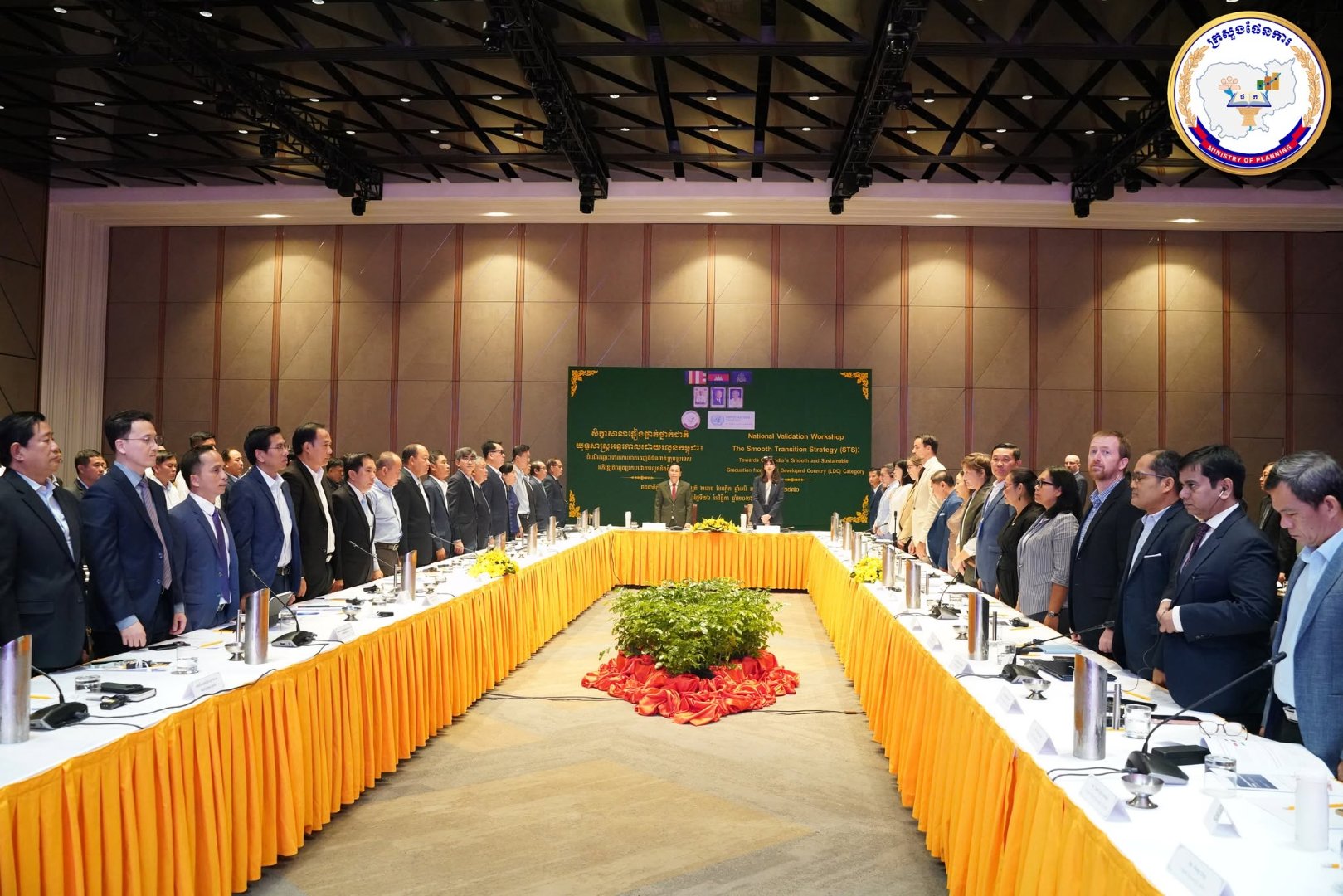
Under United Nations General Assembly Resolution A79.49, Cambodia will graduate from this category on 19 December 2029. Graduation from the Least Developed Country category is a major achievement, but Cambodia must also prepare for new challenges, especially in trade and exports. The country may lose some tariff preferences, such as the EBA scheme after 2032, and may face higher tariffs in major markets and stricter requirements on rules of origin, financing and international regulations. The change in status is also an opportunity for Cambodia to strengthen its economic capacity, reduce its dependence on external aid, boost investor confidence and expand its regional and global economic integration.
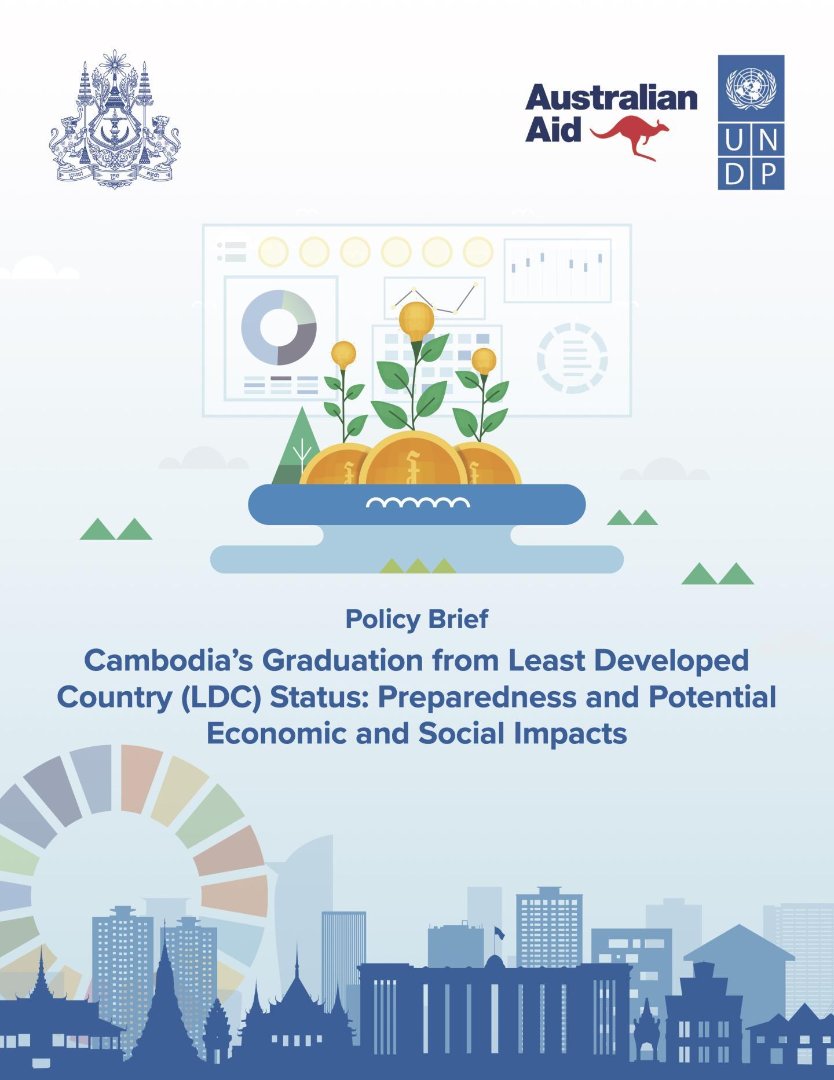
To respond to these challenges, the Royal Government of Cambodia, through the Ministry of Planning and in cooperation with UNRCO, is preparing a transition strategy built on five pillars: strengthening macroeconomic stability and domestic resource mobilization; diversifying trade and enhancing competitiveness; transforming the production structure and developing human capital; climate-resilient and sustainable development; and strengthening institutional capacity, governance, cooperation and partnerships.
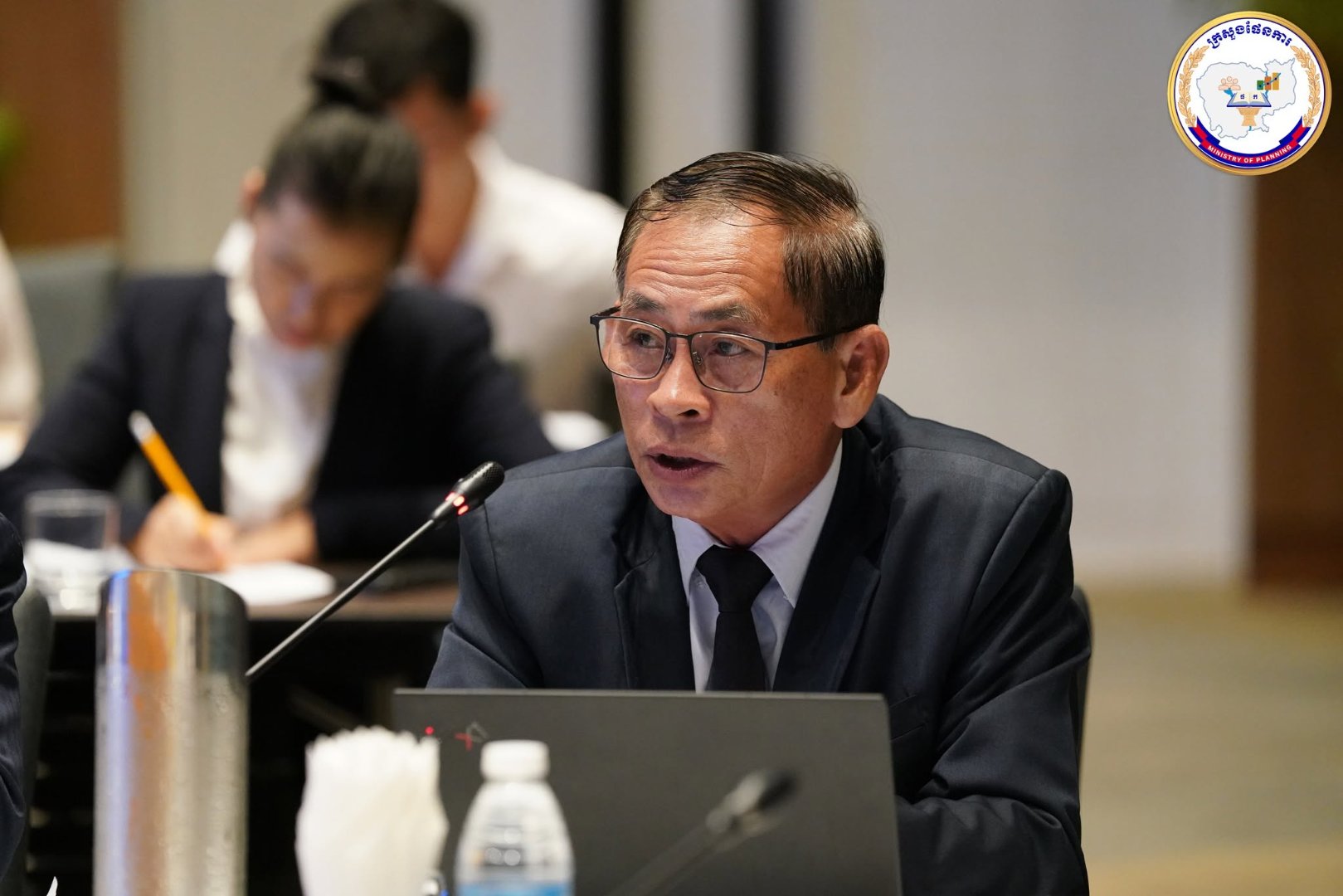
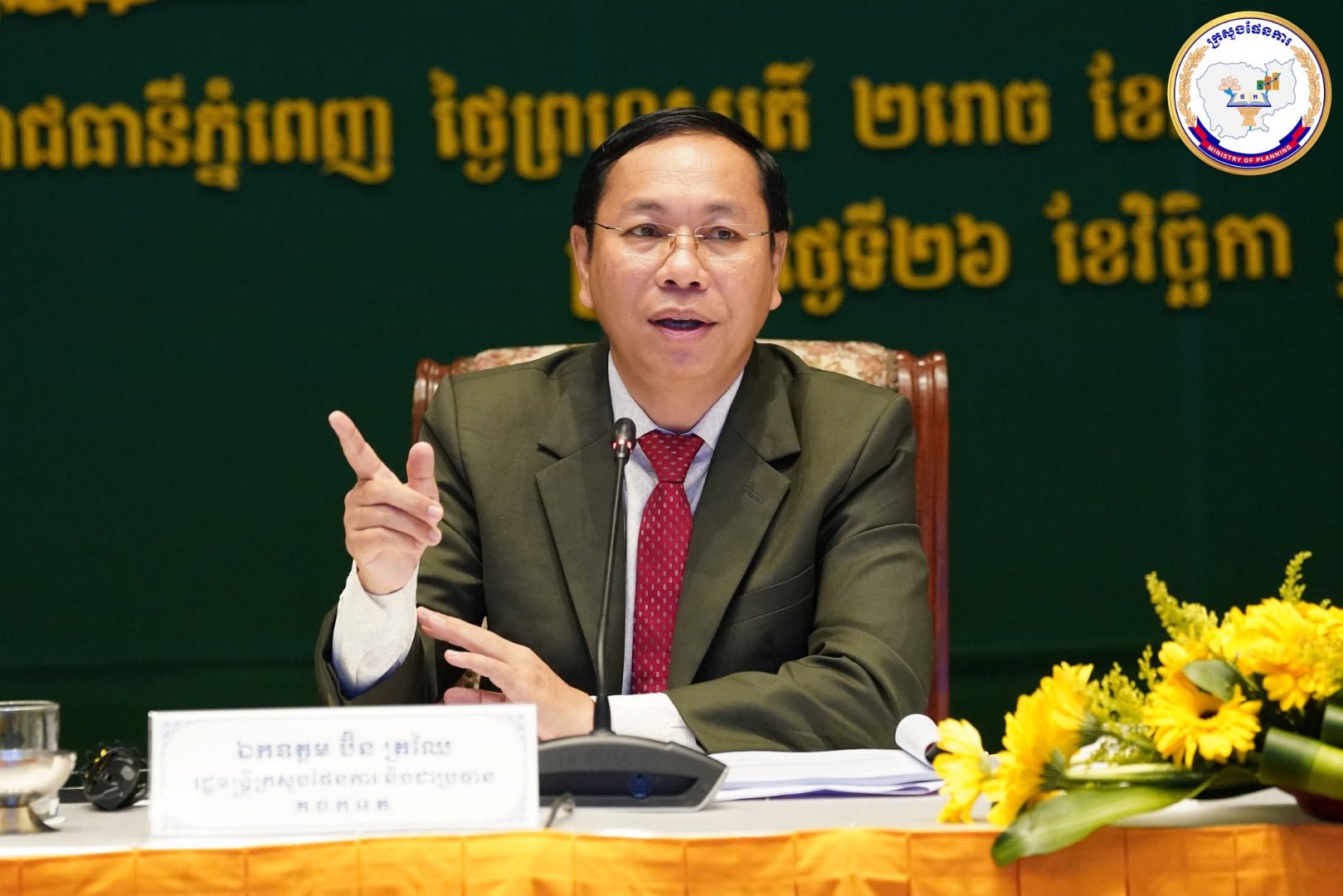
H.E. Bin Trochhey, Minister of Planning, described graduation from the Least Developed Country category as a source of national pride and as evidence of development achievements. He said these achievements came from peace, political stability and sustainable economic growth under the leadership of Samdech Techo Hun Sen and the continued leadership of Samdech Thipadei Hun Manet, along with the participation of people from all walks of life. He stressed that graduation is not the end of the development journey. He called it a strategic step toward Cambodia's vision of becoming a high-income country by 2050, and said the remaining time must be used to prepare thoroughly and to protect people's jobs and livelihoods, especially those of workers and vulnerable families. Ms. Vladanka Andreeva, United Nations Resident Coordinator in Cambodia, said graduation is the result of Cambodia's efforts. She added that the main priority now is to ensure the transition is smooth, sustainable and irreversible. ដោយ៖ សុភ័ក្រ្ត