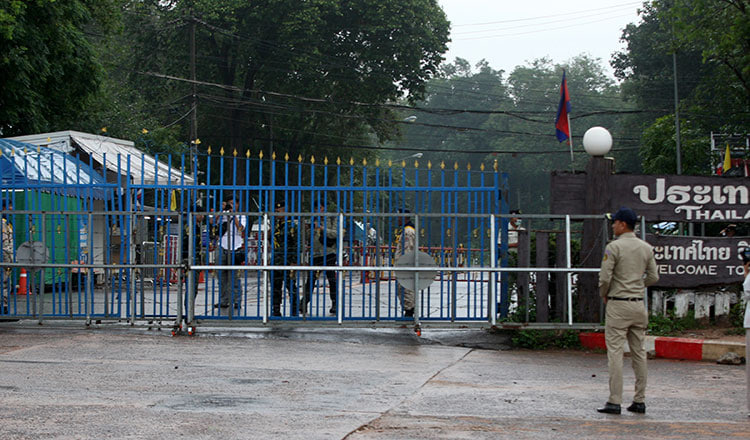
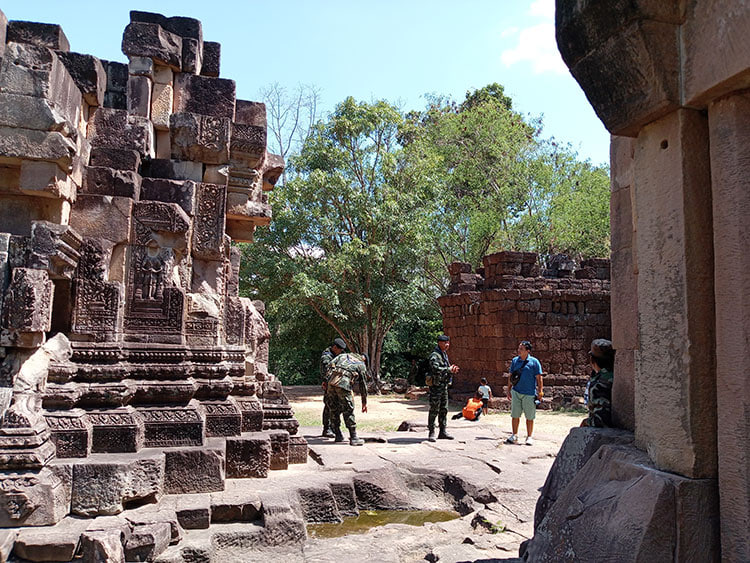
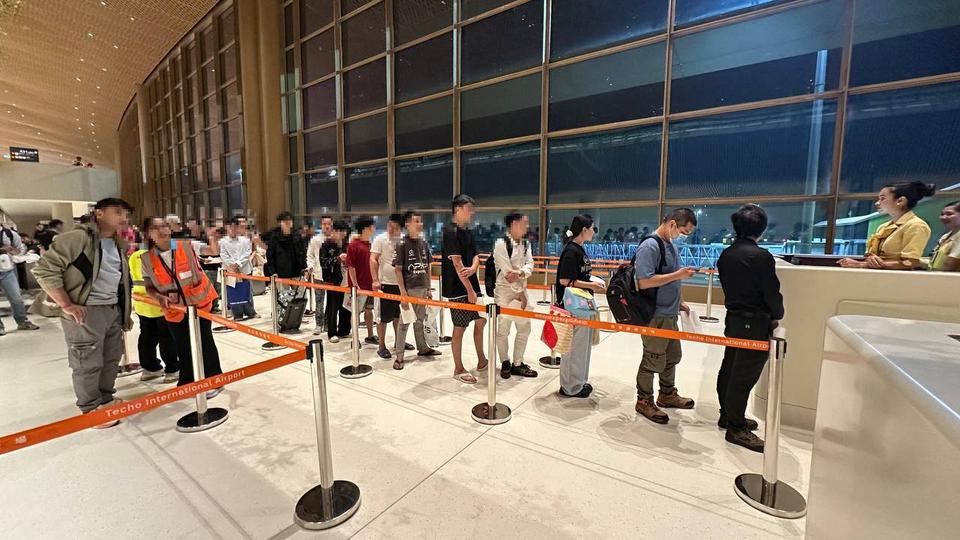
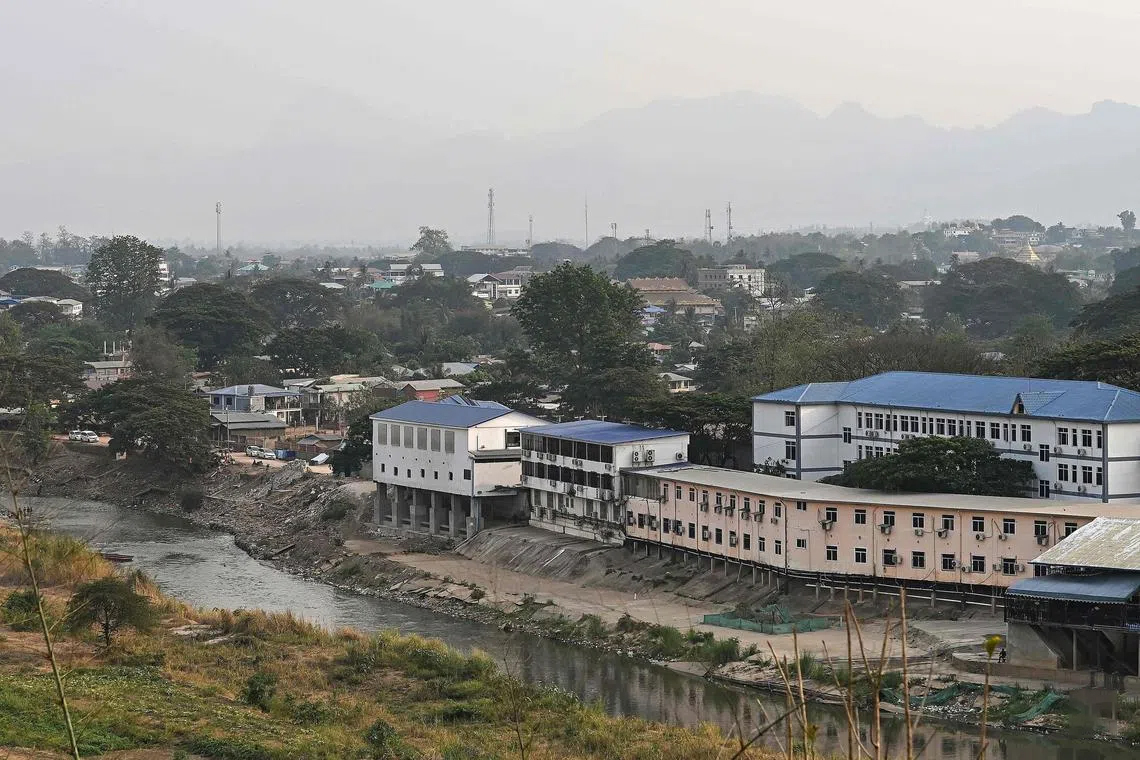
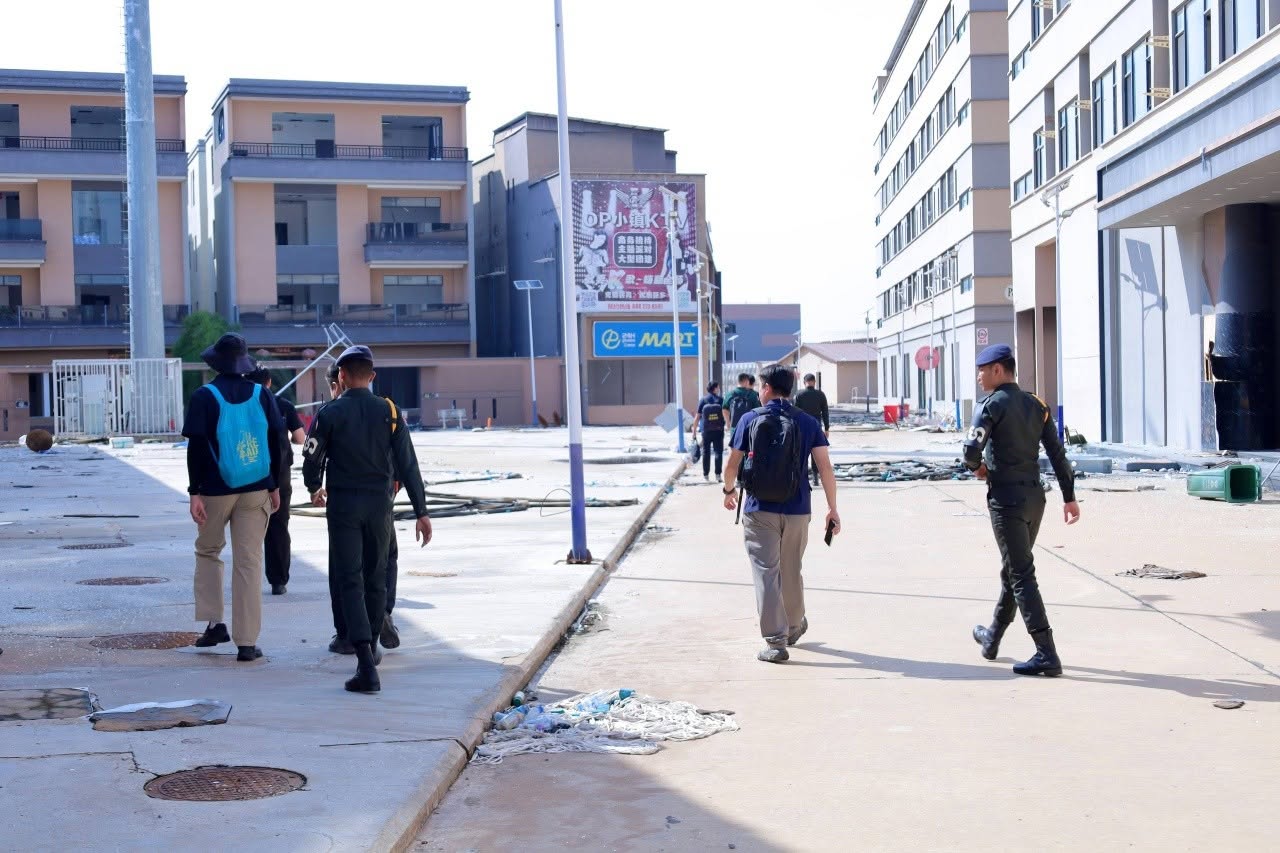
Thailand’s continued refusal to release 18 Cambodian soldiers detained on July 29 has cast major uncertainty over the Kuala Lumpur peace declaration signed in October. Although the two sides pledged to withdraw heavy weapons, clear landmines and restore border stability, relations have continued to worsen amid rising nationalism and political turbulence in Thailand, putting the credibility of regional peace mechanisms under strain.
Analysts cited in the report say Thailand’s government is influenced by domestic hardliners and is trying to use the detained soldiers as bargaining chips to make Cambodia accept a map drawn unilaterally by Thailand and keep border issues within a bilateral process rather than the International Court of Justice or ASEAN. Cambodia has repeatedly called publicly for the soldiers’ release, saying Thailand’s delay violates the spirit of the ceasefire and undermines the peace agreement. Fierce border clashes this year forced many civilians to evacuate, while the report says Thai use of drones and powerful weapons further aggravated the situation.
Diplomatic and security experts cited in the report warn that tensions could escalate again if Thailand continues to prioritise domestic nationalism and electoral politics over its commitments. Some see room for renewed dialogue after Thailand’s election, provided both sides rebuild trust and cooperate transparently on demining and border management, with continued pressure through international and regional mechanisms. The impasse threatens bilateral relations and tests ASEAN’s ability to uphold a stable regional peace framework.
Compiled by this station