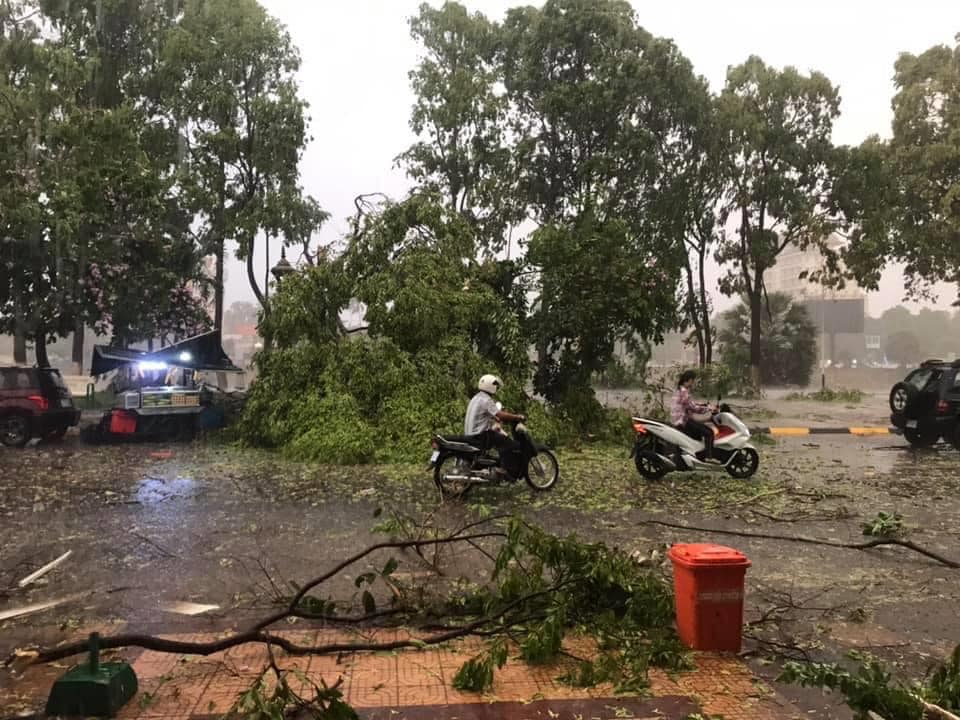
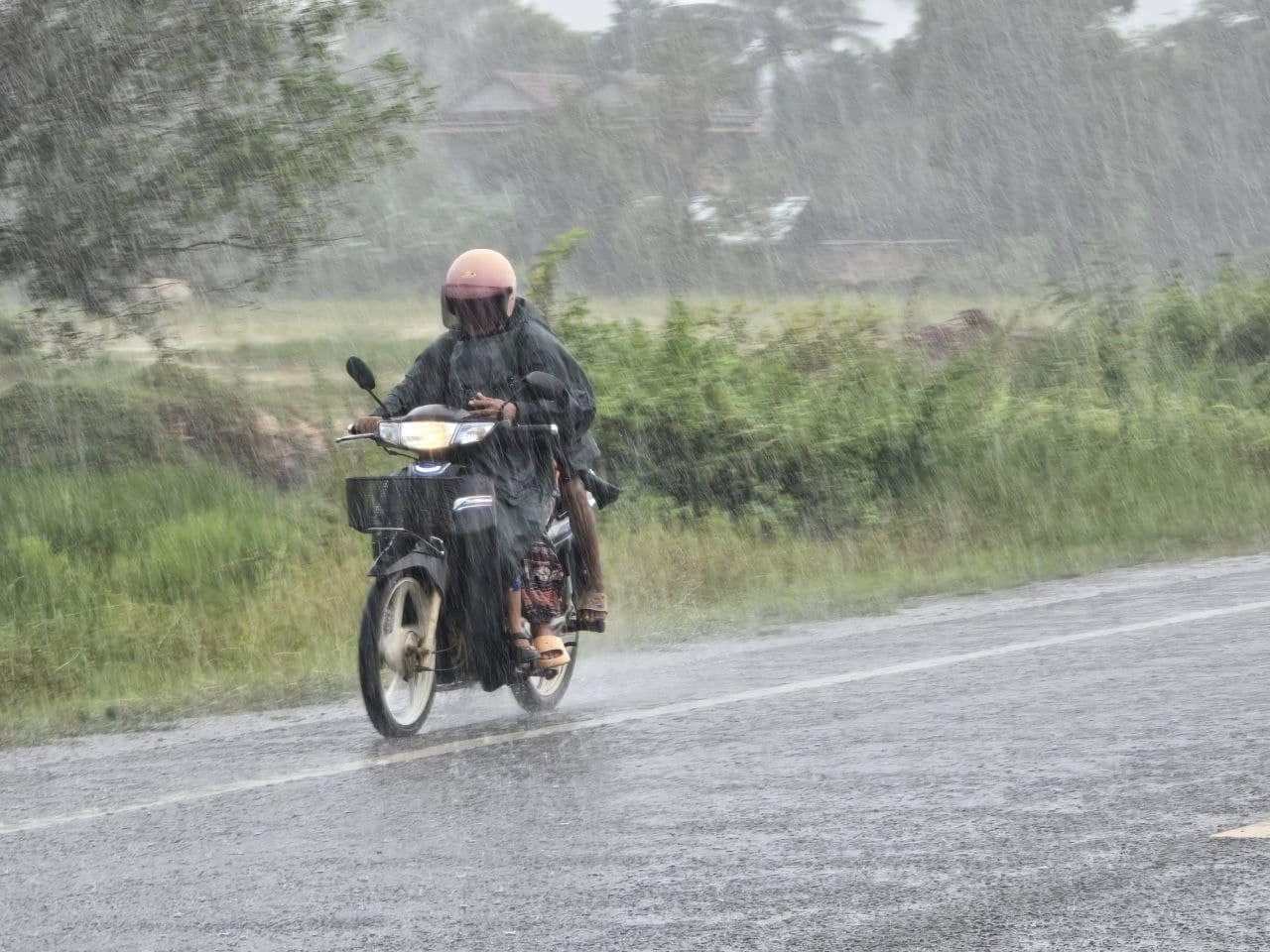
The first dry-season weather outlook covering January through the beginning of the rainy season in May 2026 indicated that thunderstorms, lightning and gusts could occur frequently. The Ministry of Water Resources and Meteorology therefore urged people to remain highly alert to such events during pre-monsoon rains and the early rainy season.
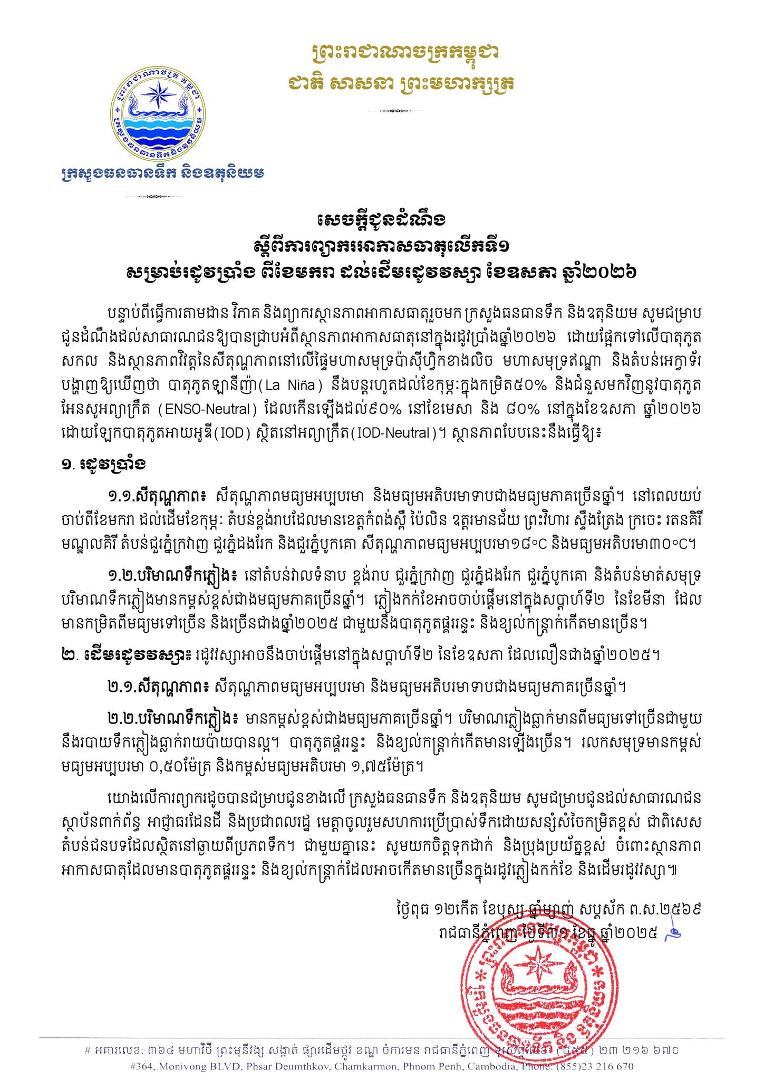
In a December 31 notice, the ministry said its monitoring, analysis and forecast, based on global phenomena and evolving sea-surface temperatures in the western Pacific, Indian Ocean and equatorial region, indicated a 50% probability of La Niña continuing through February. It would be replaced by ENSO-neutral conditions, with probabilities rising to 90% in April and 80% in May 2026. The Indian Ocean Dipole (IOD) was neutral.
These factors meant pre-monsoon rain in the dry season could begin in the second week of March, with moderate to heavy amounts exceeding those of 2025 and frequent thunderstorms, lightning and gusts. Early rainy-season rainfall was forecast to exceed the long-term average, with moderate to heavy rain and good spatial distribution. Thunderstorms, lightning and gusts would also be frequent. The rainy season could begin in the second week of May, earlier than in 2025. The ministry also called on the public, relevant institutions, local authorities and residents to cooperate in conserving water as much as possible, particularly in rural areas far from water sources.
By: Nget Pisant