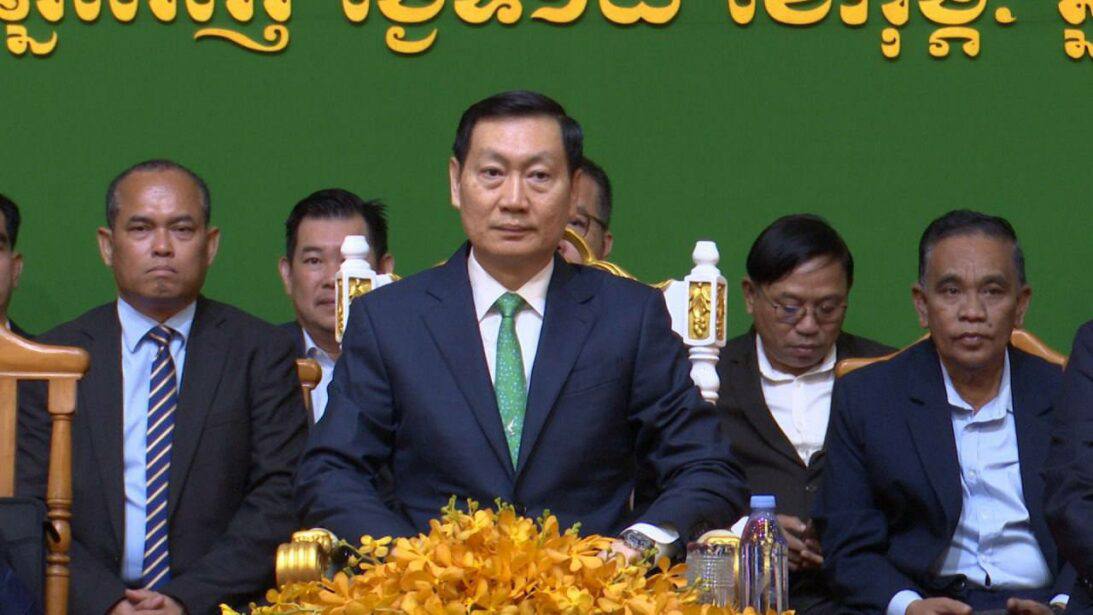
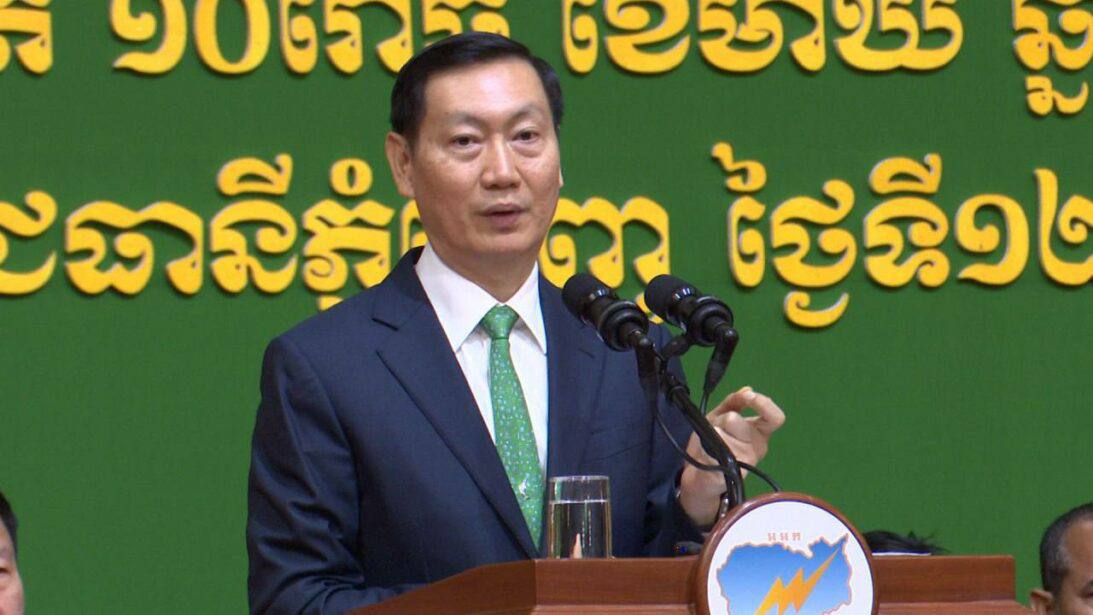
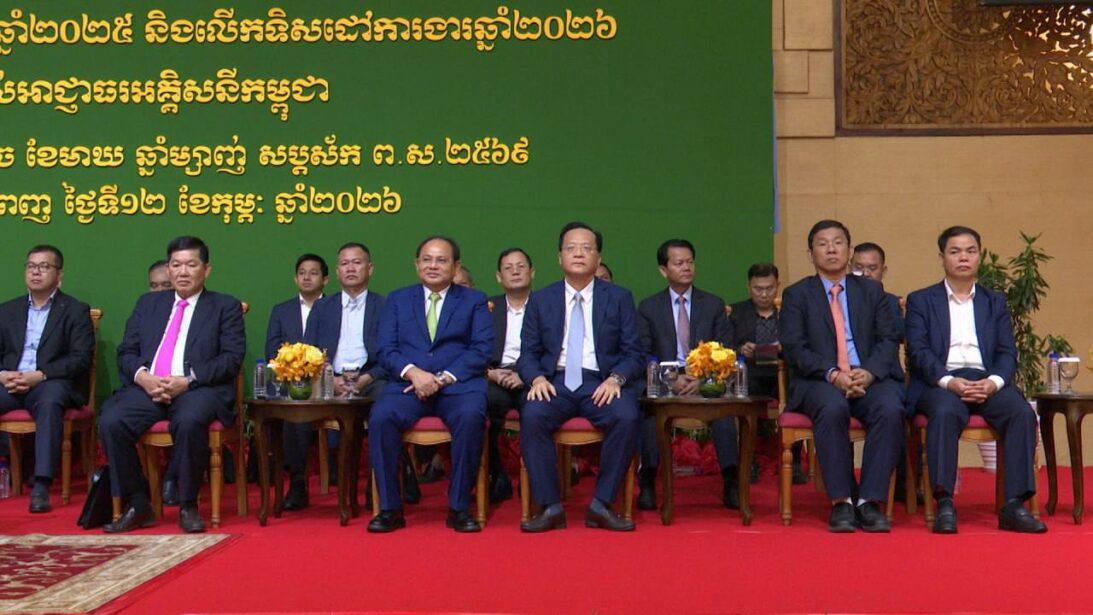
Minister of Mines and Energy Keo Rottanak said the Electricity Authority of Cambodia had achieved four major advances in 2025:
1. Supplying sufficient electricity to meet customers’ needs. 2. Expanding clean energy, attracting foreign investors to Cambodia, promoting clean-energy industries and export industries that create millions of employment opportunities for people, and advancing digital industries. 3. Reducing and avoiding power outages in Cambodia. 4. Increasing electricity supplies to tourism areas to meet visitors’ needs conveniently and strengthen those areas’ potential.
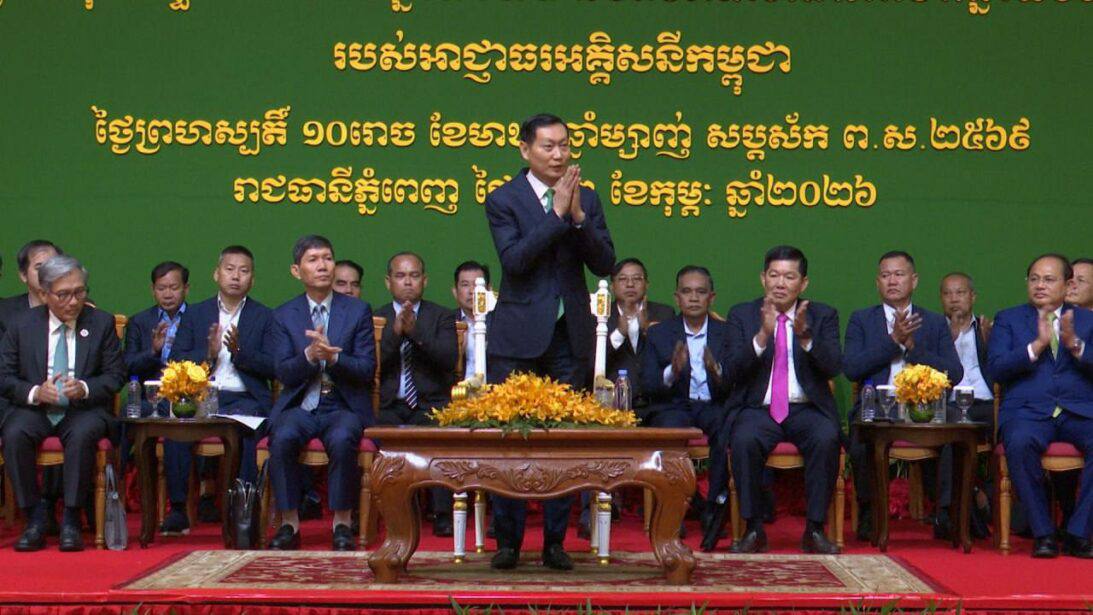
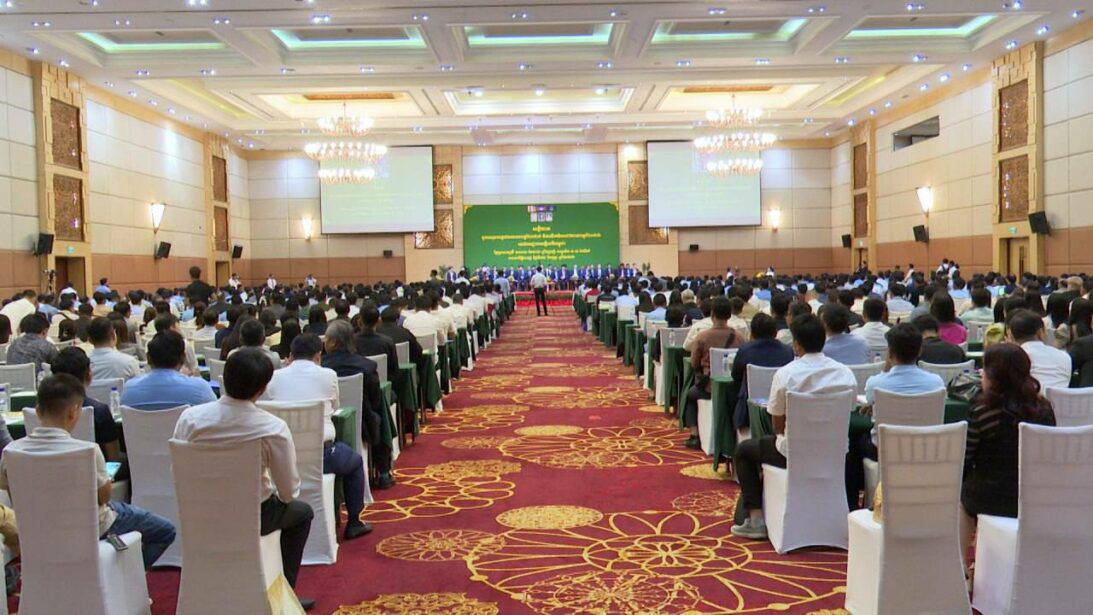
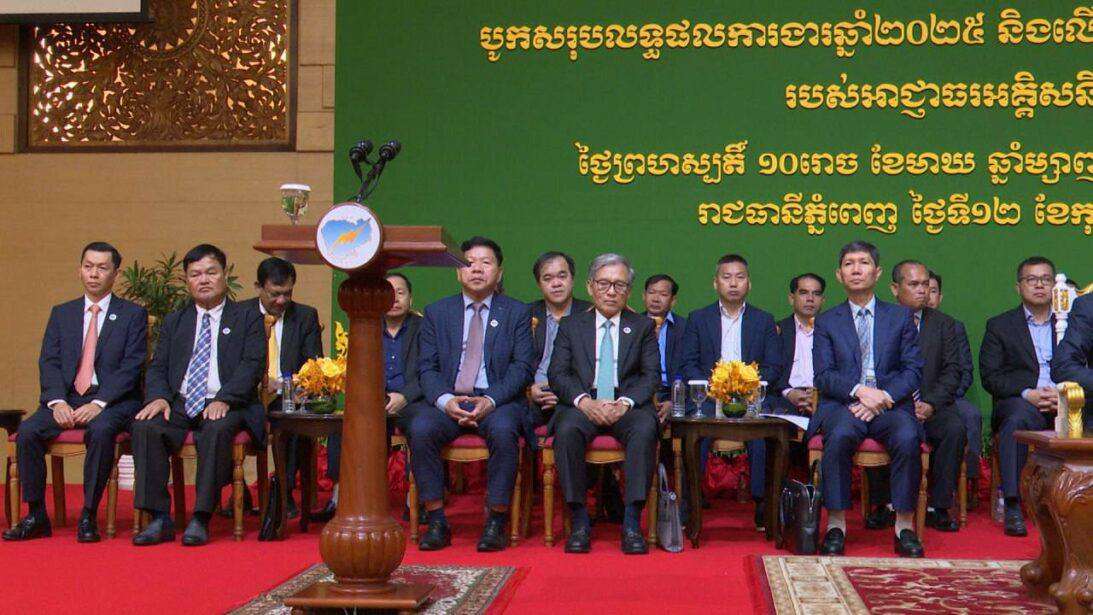
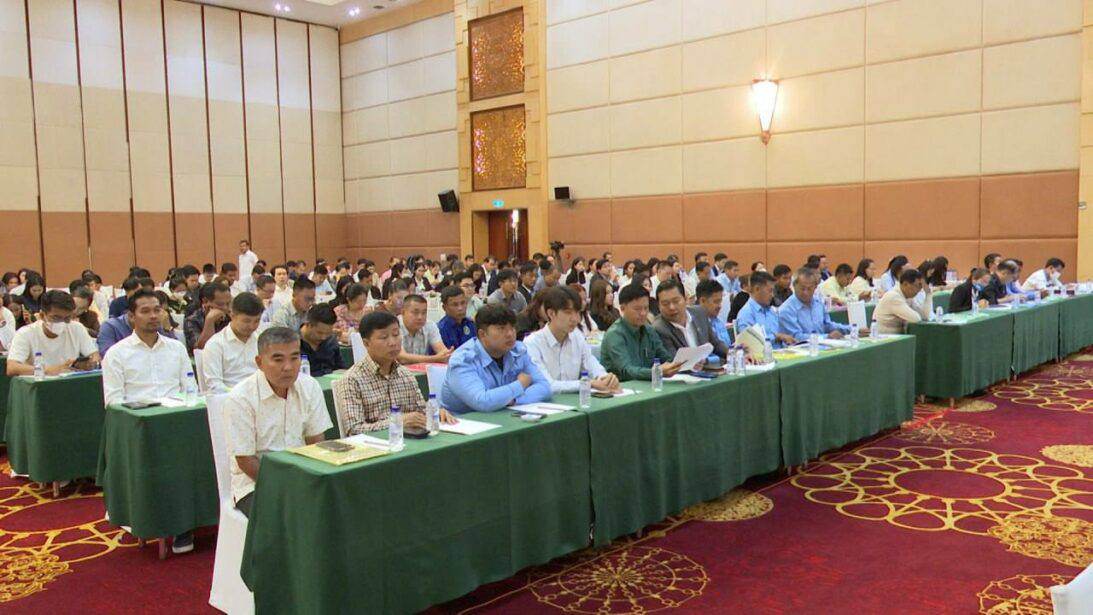
He made the remarks at the Electricity Authority of Cambodia’s conference reviewing 2025 work and setting directions for 2026 on February 12, 2026.
Keo Rottanak praised the authority’s efforts and significant progress in line with the four main policy objectives of the seventh mandate, which Prime Minister Hun Manet had put into implementation from 2023.
For 2026, he said the authority must continue reforms for better results, including increasing and expanding new energy sources, especially clean energy, and deploying more solar power to reduce environmental impacts; continuing to take responsibility for electricity supplies to war-displaced civilians and Cambodian soldiers at their various gathering locations; introducing measures to simplify services, provide quicker service and reduce electricity-connection procedures for customers; and broadening customer services through digital systems.
The 2026 reforms aim to provide customers with better electricity-use services, customer support and problem-resolution services, delivered quickly and efficiently.
Electricity Authority of Cambodia chairman Yim Viseth said that during the seventh mandate the electricity sector had developed rapidly and effectively, increasing energy supplies and supporting economic growth on the solid foundations built in previous mandates.
The article says Cambodia currently has the region’s second-highest clean-energy share, an important step towards its target of at least 70% clean energy by 2030.
By: Pai Sokhim.