Today is the 1st Ben Day: The Story of the Ben and Pchum Ben Festival - Roots of Khmer Tradition, Faith and Gratitude
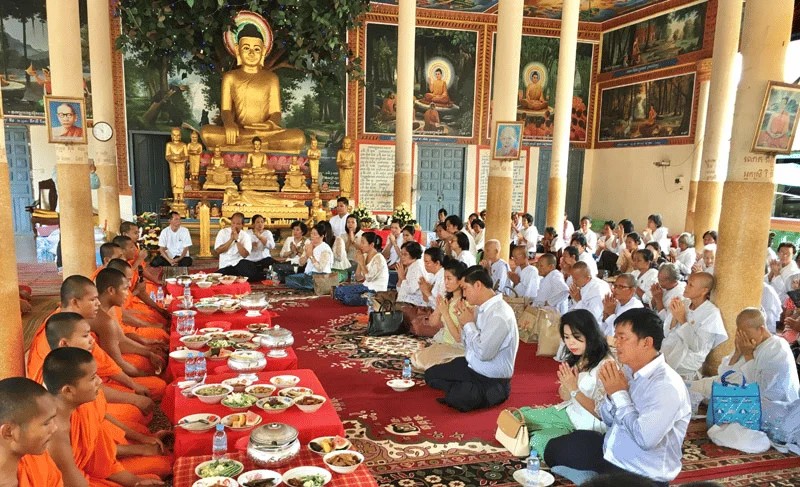
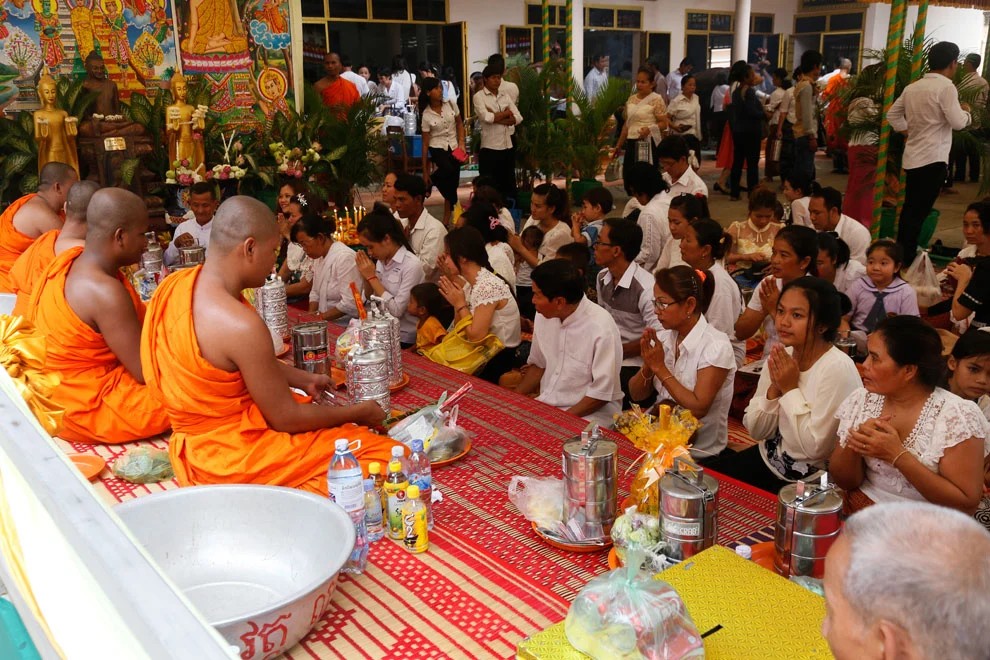
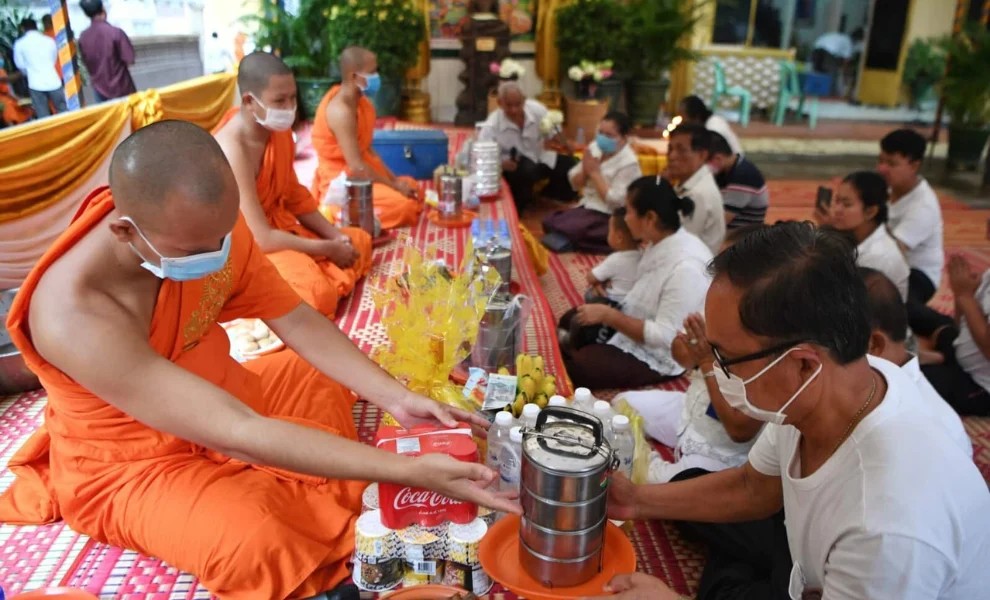
The Pchum Ben Festival is one of the most important and venerable Buddhist traditional ceremonies of the Cambodian people. Every year, when this season arrives, Khmer people both near and far always return to reunite with their families and parents in their hometowns in order to prepare food offerings to present to the monks at the pagoda. This is a long-standing fine tradition of gratitude and solidarity since ancient times.
According to the roots of history in Khmer historical records, this ceremony has its origins dating back to ancient times. At first, our ancestors did not collectively call it the "Pchum Ben Festival"; they clearly divided it into two distinct stages: Stage 1 (Var Kat Pheak): This takes place from the 1st waning day to the 14th waning day of the month of Photrobot, during which food offerings are prepared and presented to the monks on a daily rotating basis.
Stage 2 (Pchum Ben): This takes place on the 15th waning day of the month of Photrobot, which is the final great gathering day.
In the present era, these two stages of the ceremony have been combined together, and it is commonly referred to simply as the "Pchum Ben Festival."
The reason and meaning behind the celebration of this ceremony embed two main purposes: to supply the monks during the rainy season, during the three-month rains retreat, especially when heavy rains fall and monks face great difficulty in going on alms-rounds for their daily food. For this reason, Buddhist devotees have collectively organized Sanghkat Pheak in order to support and provide food offerings for the monks who reside at the pagoda throughout the rainy season retreat until the end of the rains retreat.
To dedicate merits to deceased ancestors: This is an important opportunity to broadcast wholesome merit through the strength of the monks' recitation of the Ovadak Kathinat offering, dedicated to the departed, relatives of all seven generations, and relatives who have departed to many eons, so that they may be freed from suffering, hunger, and all bad karma.
The Pchum Ben Festival is held for a full half-month (15 days), starting from the 1st waning day until the 15th waning day of the month of Photrobot. Division of the alms-giving rotation groups (Day 1 to Day 14): The committee and the elder monks of the pagoda always divide the Buddhist devotees under the pagoda's jurisdiction into small groups (approximately 3 to 4 groups) in order to be responsible for preparing food offerings, dishes, and sacred items for each rotation.
Pagoda duties at dawn: When the sound of the rains retreat drum is heard beating, the person in charge of the rotation begins to hurriedly prepare the food offerings. Meanwhile, the elder men in the group gather to prepare the Ben rice and the Batteybor rice, then go together to the pagoda to pay respects to the monks, and listen to the monks preach the Dharma (such as the Ovadak Sukha and Parovath Sutta).
In the morning of the Aroeun Ottey ceremony, Buddhist devotees and children in the household together carry, hold, and transport food offerings toward the pagoda. The elder monks lead the Buddhist devotees in performing the ceremony of counting the bowls on the sala stage, pouring the offerings, and pouring the Batteybor rice offerings to the monks.
After the monks finish performing the Ovadak Anumodana (Anumodana Sutta) in full, the head of each rotation must arrange food for the elder monks of the pagoda, and serve as hosts to welcome Buddhist devotee guests who attend on their assigned rotation day, with a generous heart and a smile. By: Pai Sokhim