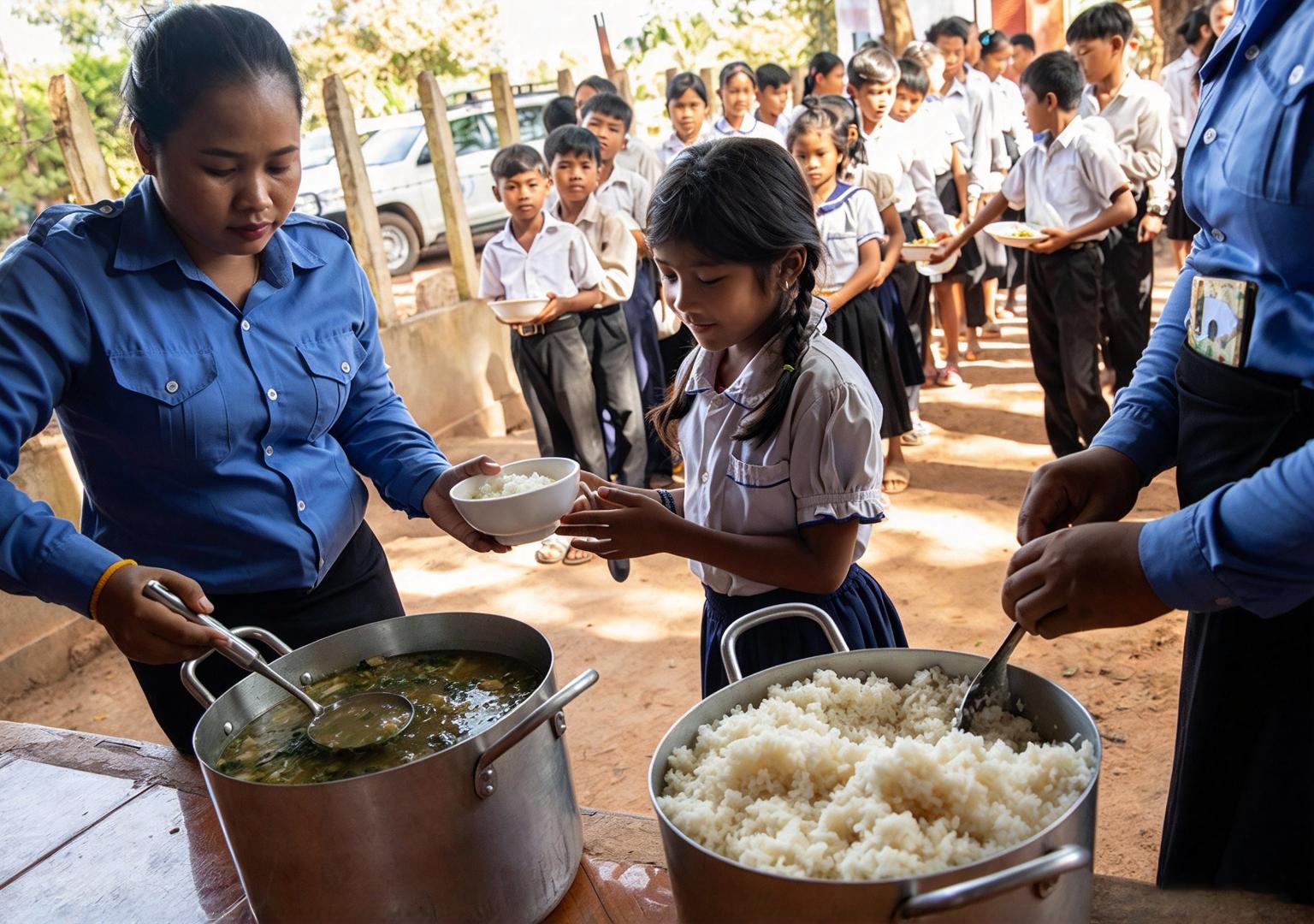
Cambodian Prime Minister Hun Manet said the government would cover the cost of nutritious meals at more than 200 schools as the United Nations World Food Programme (WFP) gradually reduces its assistance in the years ahead, ensuring that students continue to receive regular, nutritious meals, according to a recent report by Cambodia’s national news agency, Agence Kampuchea Presse (AKP).
Cambodia’s school meal programme began in 1999, when the WFP and the Cambodian government initially worked together to provide meals at 64 schools nationwide.
After years of expansion, the programme had reached 1,114 schools across the country by 2026, benefiting around 300,000 students. The Cambodian government currently funds meals at more than 800 schools, while more than 280 others remain supported by the WFP.
Hun Manet said that as the WFP plans to gradually reduce assistance to more than 200 schools over the next two years, the government would take over the funding to ensure that the school meal programme continues without interruption caused by reduced external assistance.
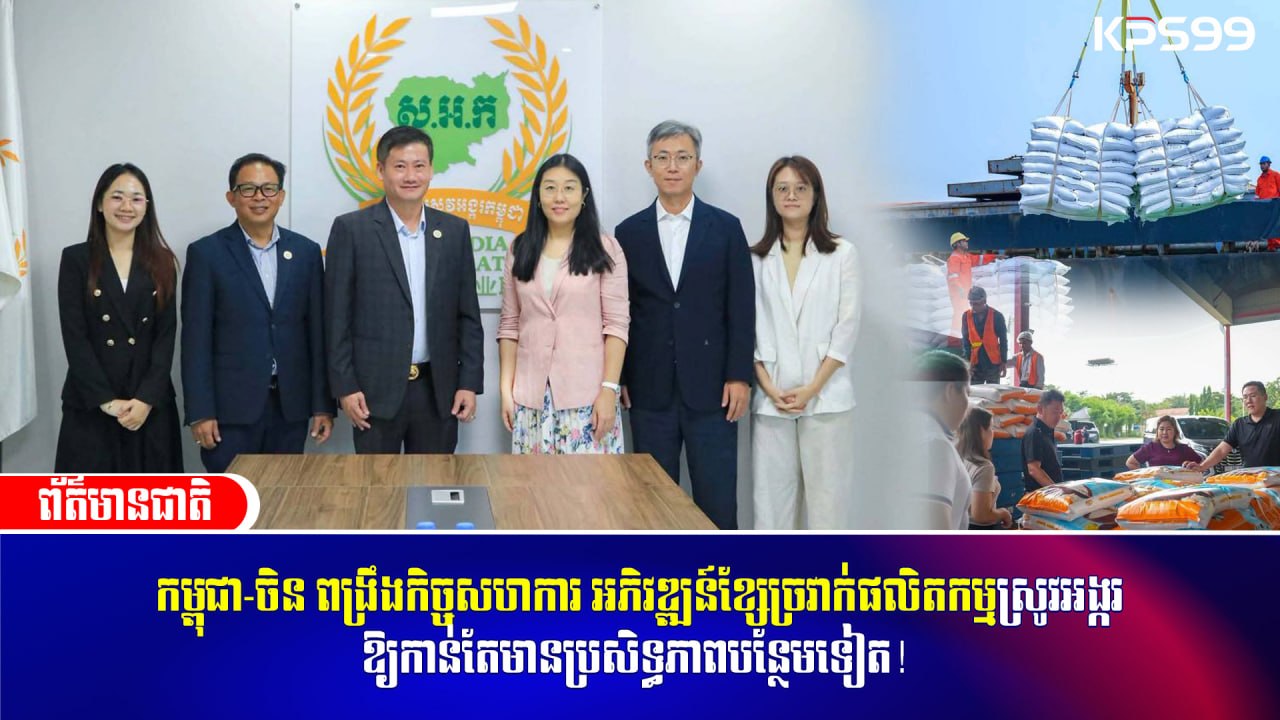
In addition to securing funding, the Cambodian government plans to buy agricultural produce directly from local farmers to provide school meals. This can improve students’ nutrition while increasing farmers’ incomes and supporting local agricultural development.
Hun Manet stressed that investment in education must go beyond school buildings, teacher training and improved teaching facilities. Students’ physical health and nutritional needs are equally important. The government will continue advancing the school meal programme to support children’s healthy growth and educational development.