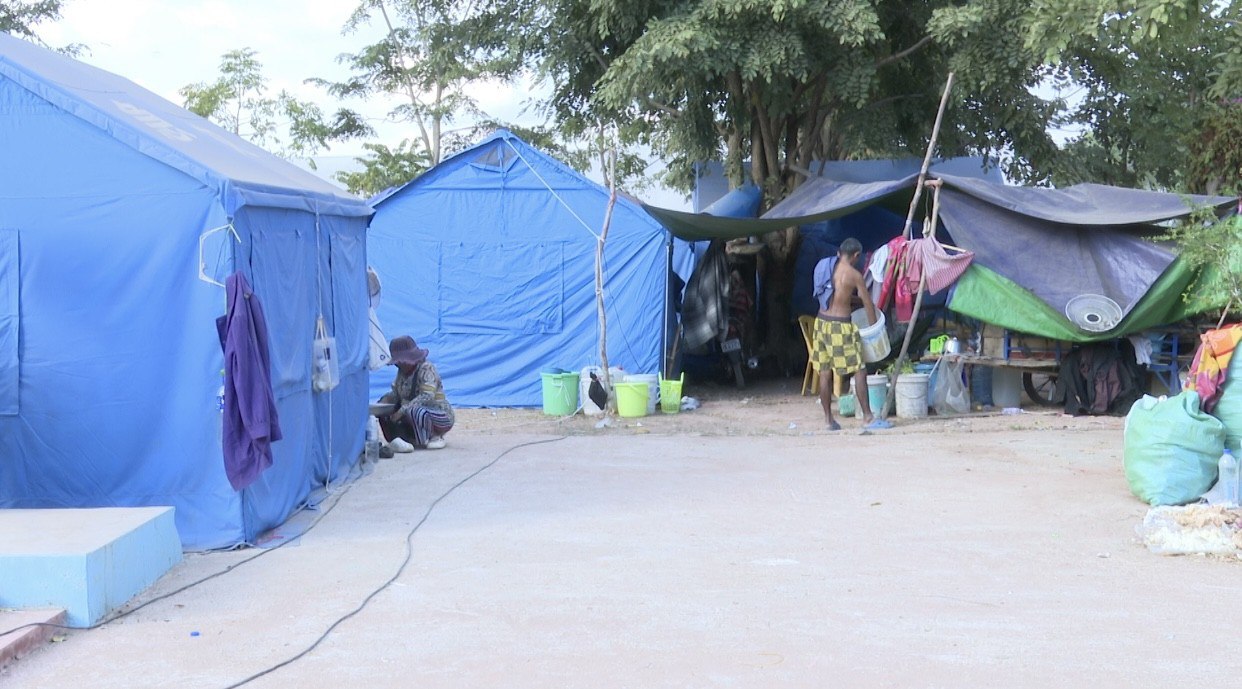
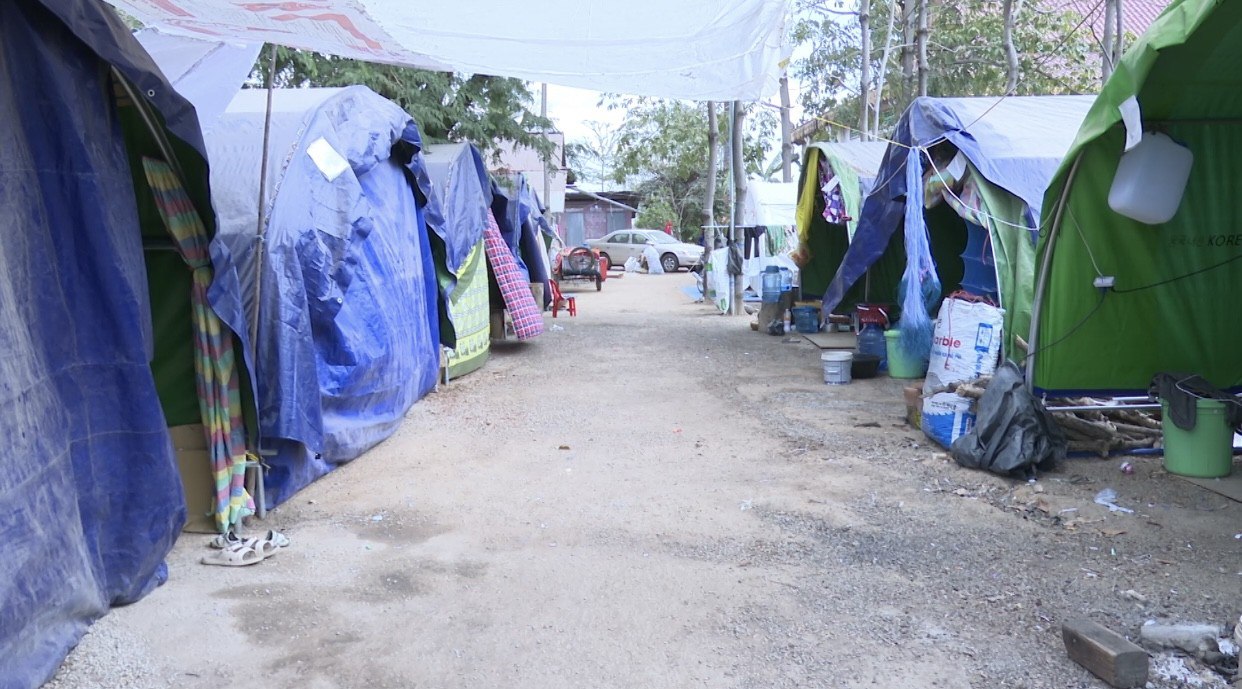
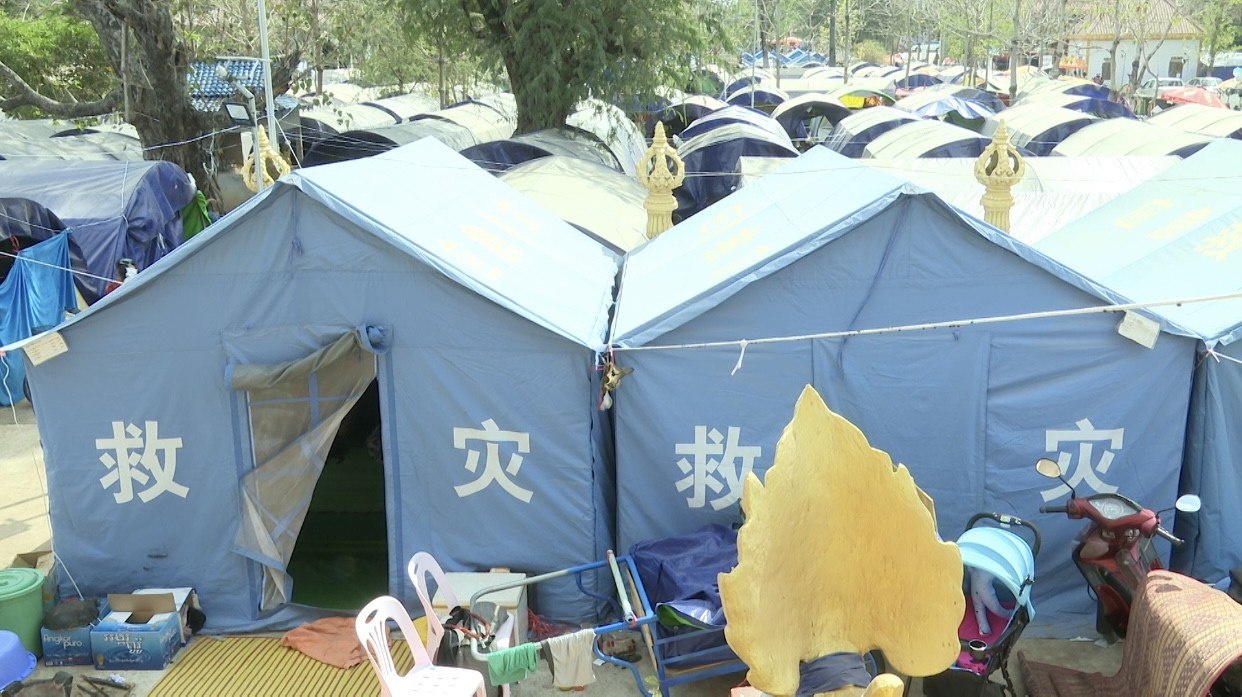
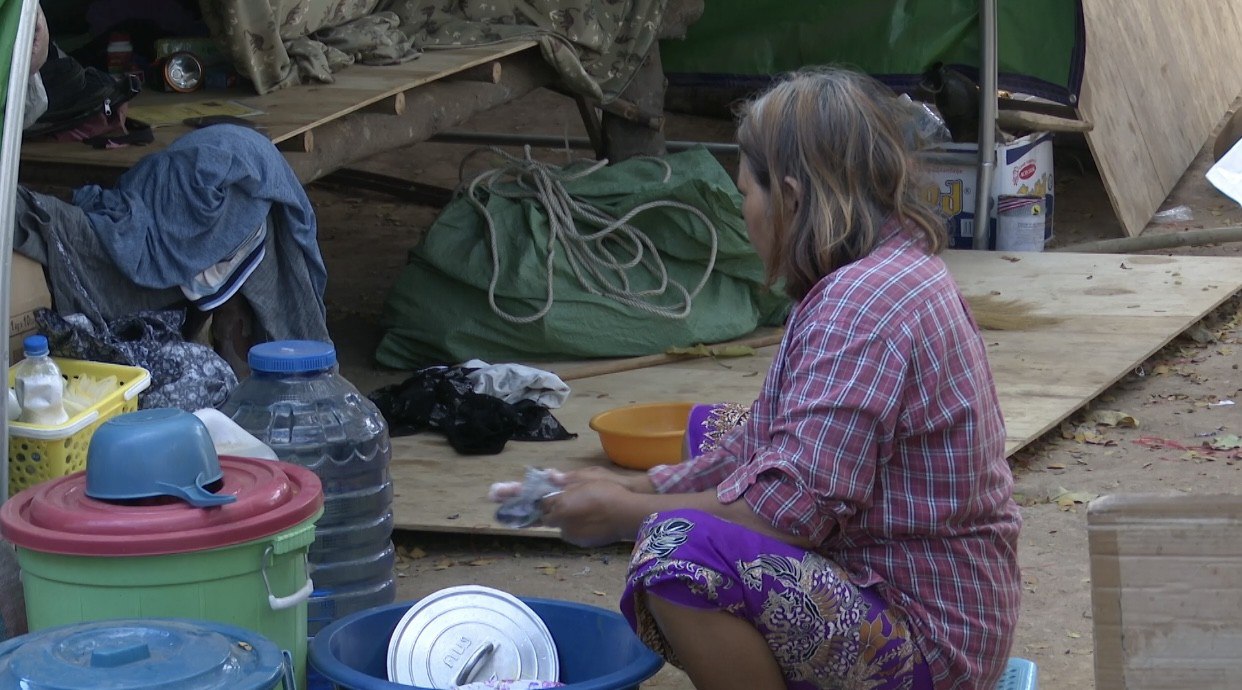
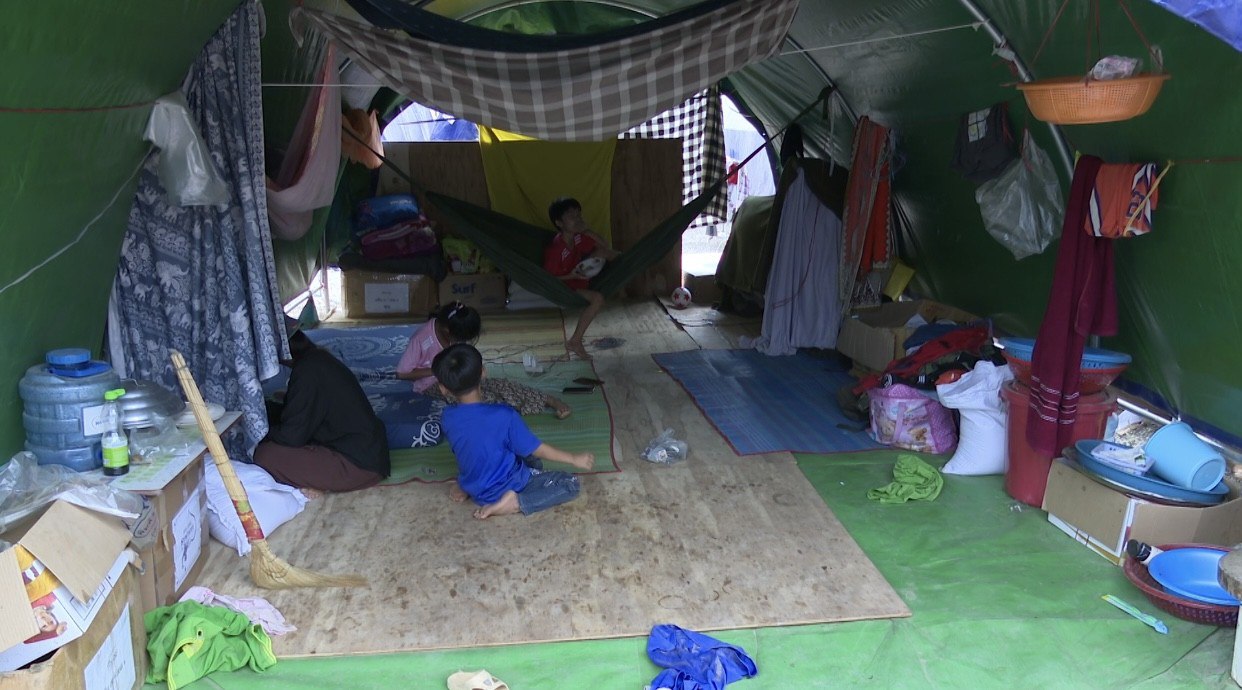
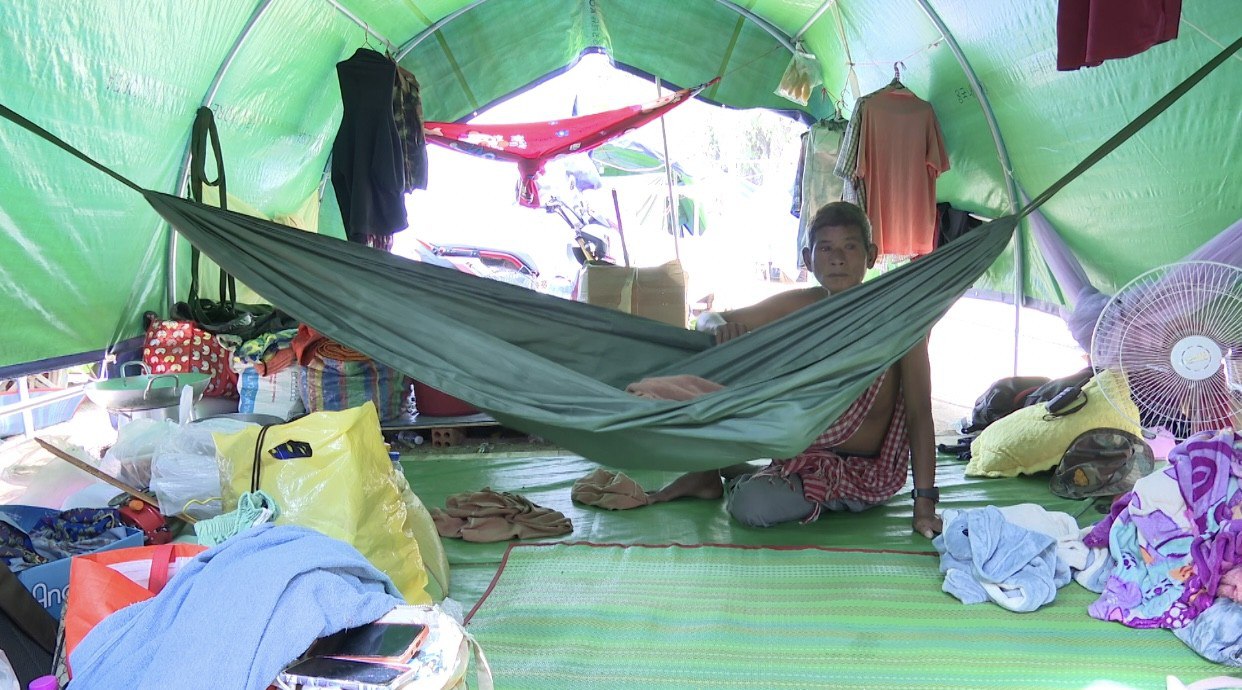
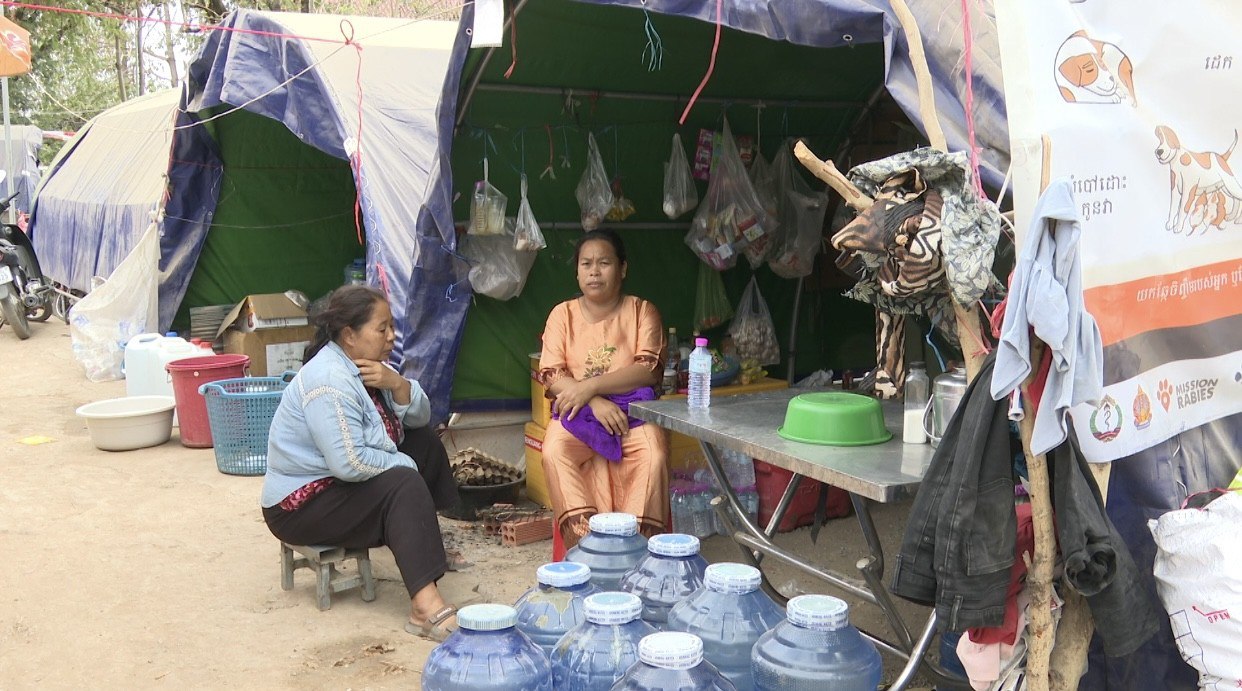
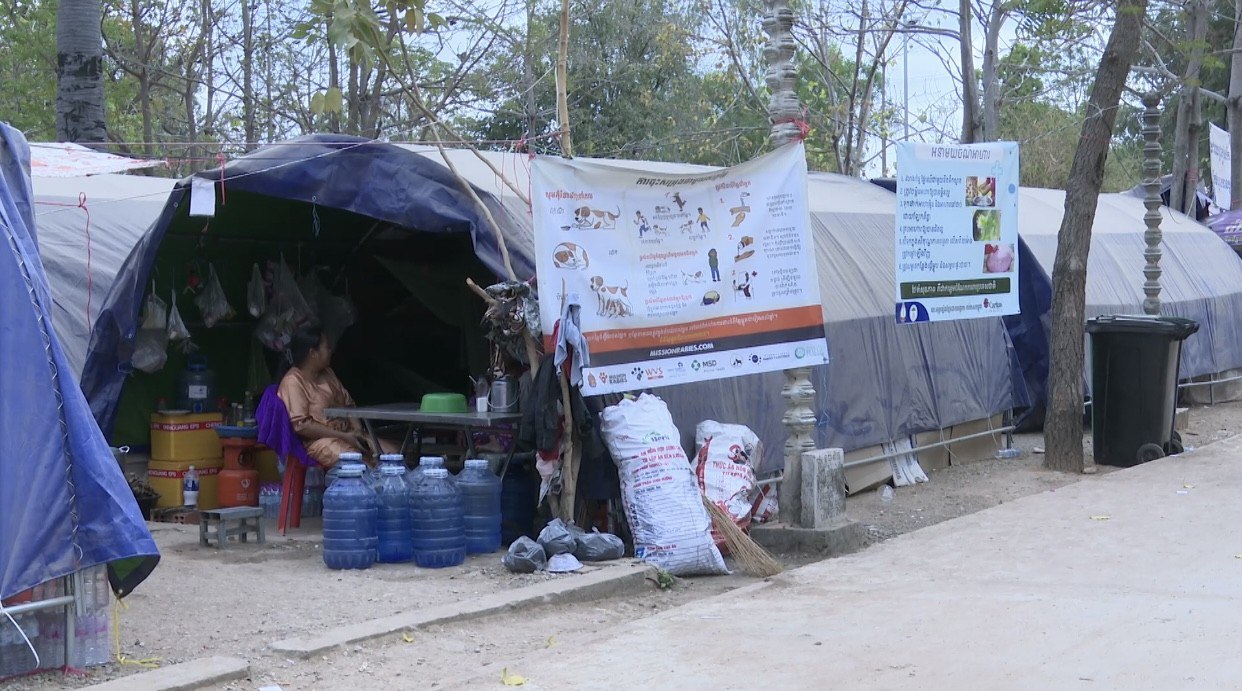
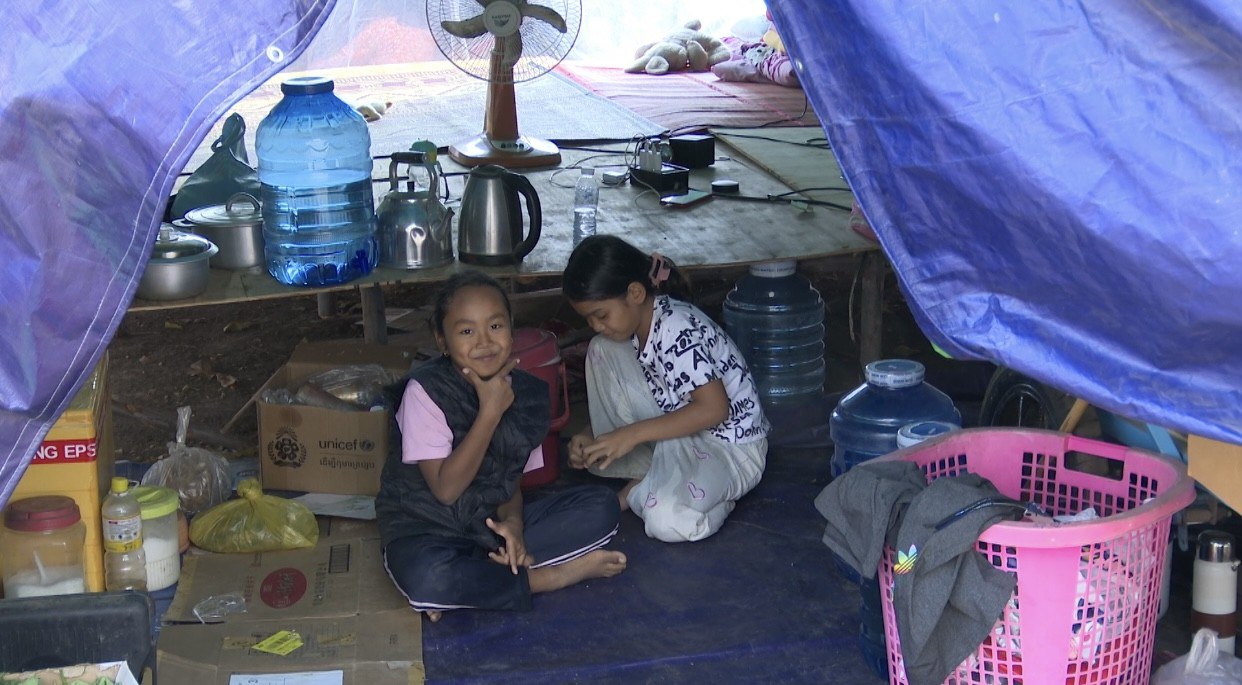
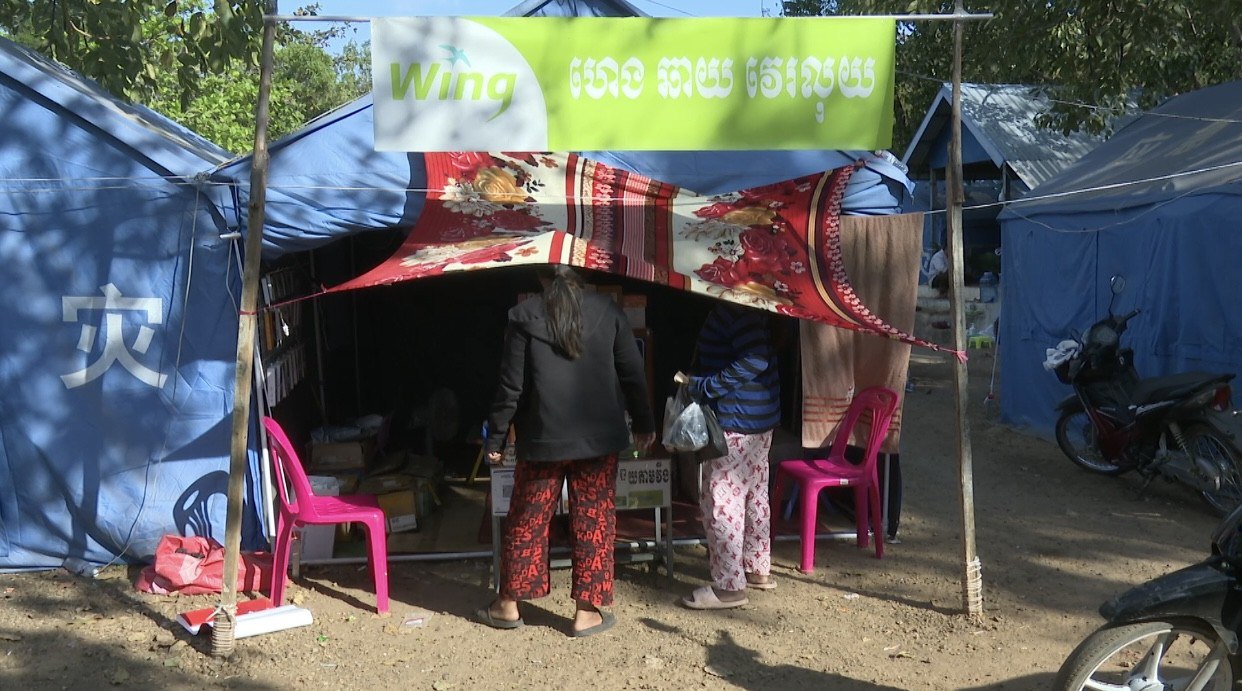
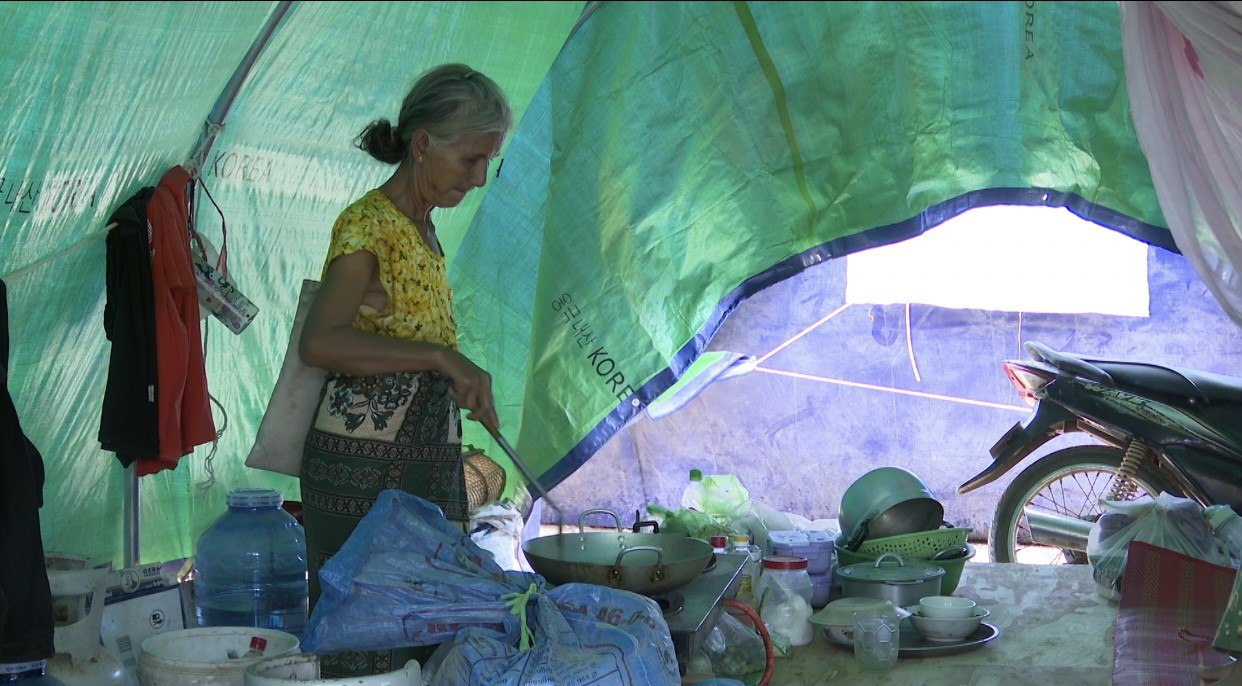
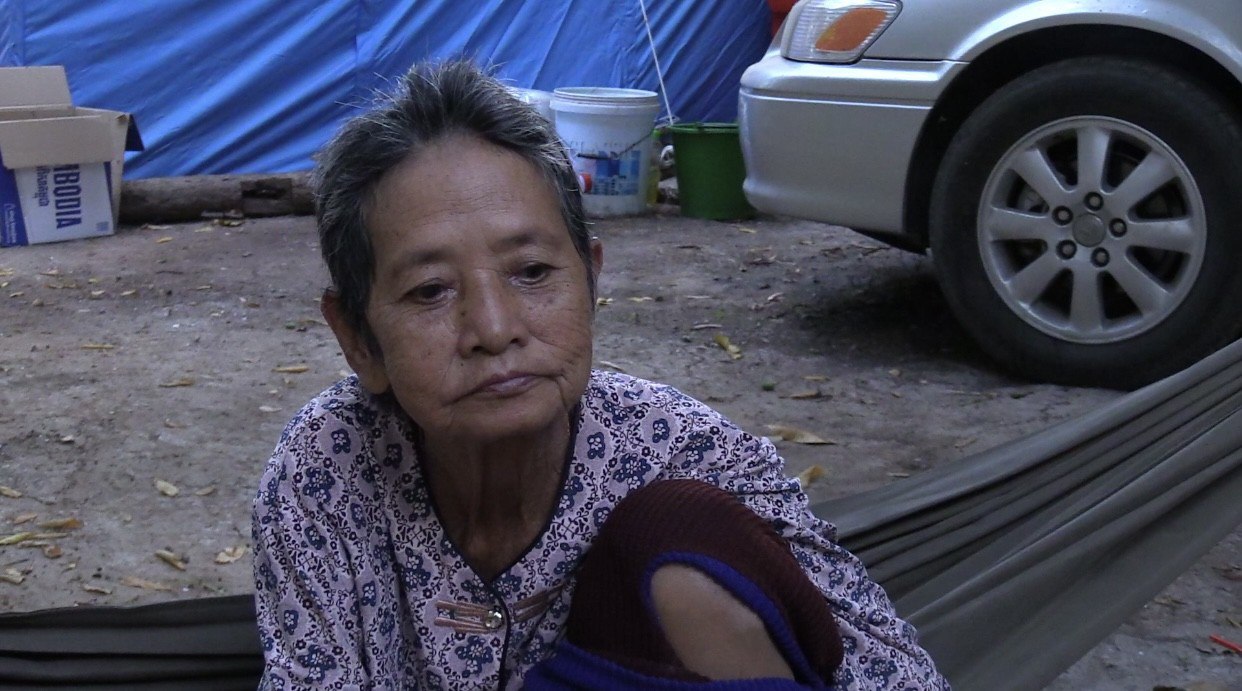
Displaced residents from Prey Chan and Chok Chey villages and the Boeng Trakuon area continue to live in difficult conditions exposed to rain, wind and heat, with hopes of returning home seemingly remote. After the ceasefire, most residents of white and yellow zones returned, but authorities strictly prohibited returns to red zones because of major risks, including scattered unexploded ordnance, threats from Thai forces and homes almost entirely destroyed. Much land and housing had also been enclosed by Thai forces with barbed wire and shipping containers, which the report described as a violation of international law.
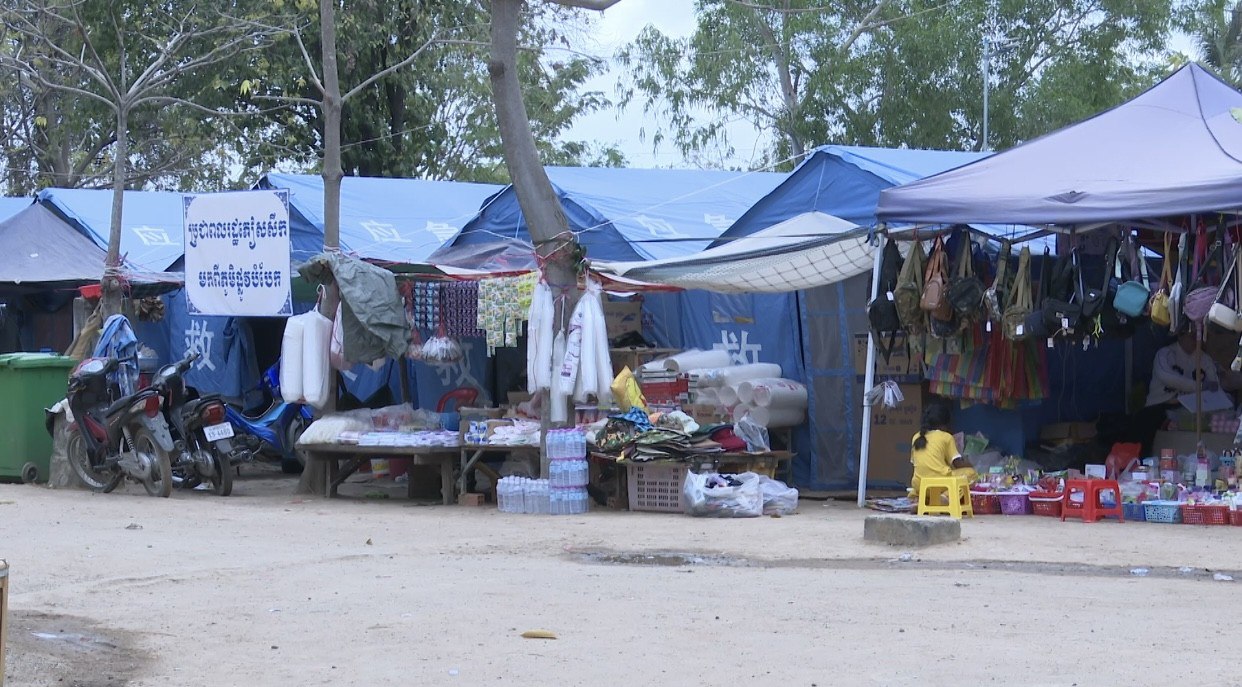
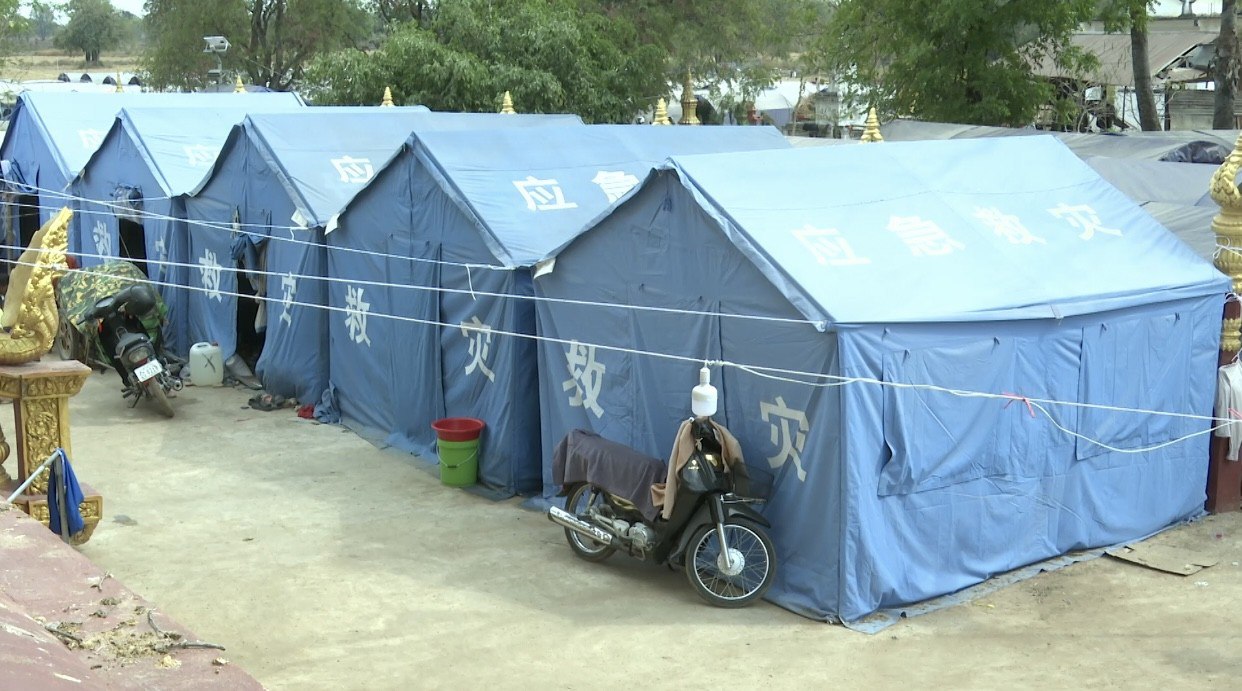
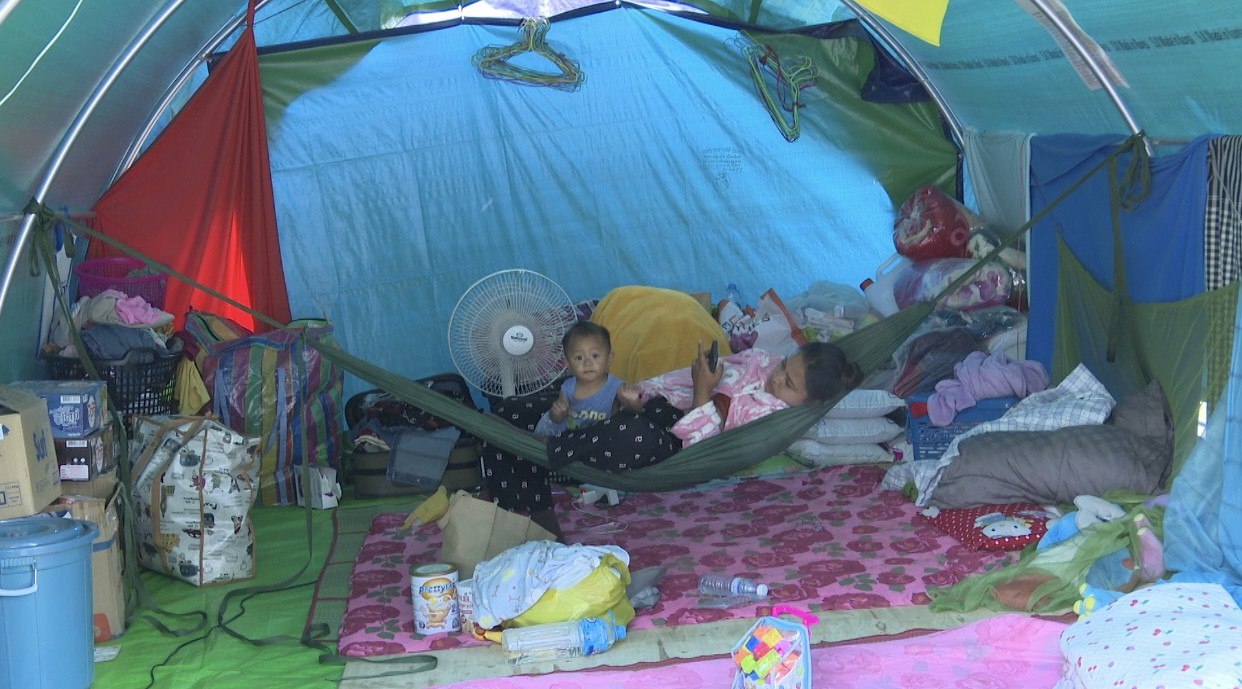
In Prey Chan and Chok Chey villages and the Boeng Trakuon area of Banteay Meanchey, residents cannot return home and continue living under small, cramped tents in temple grounds that do not fully protect them from rain, wind or sun.
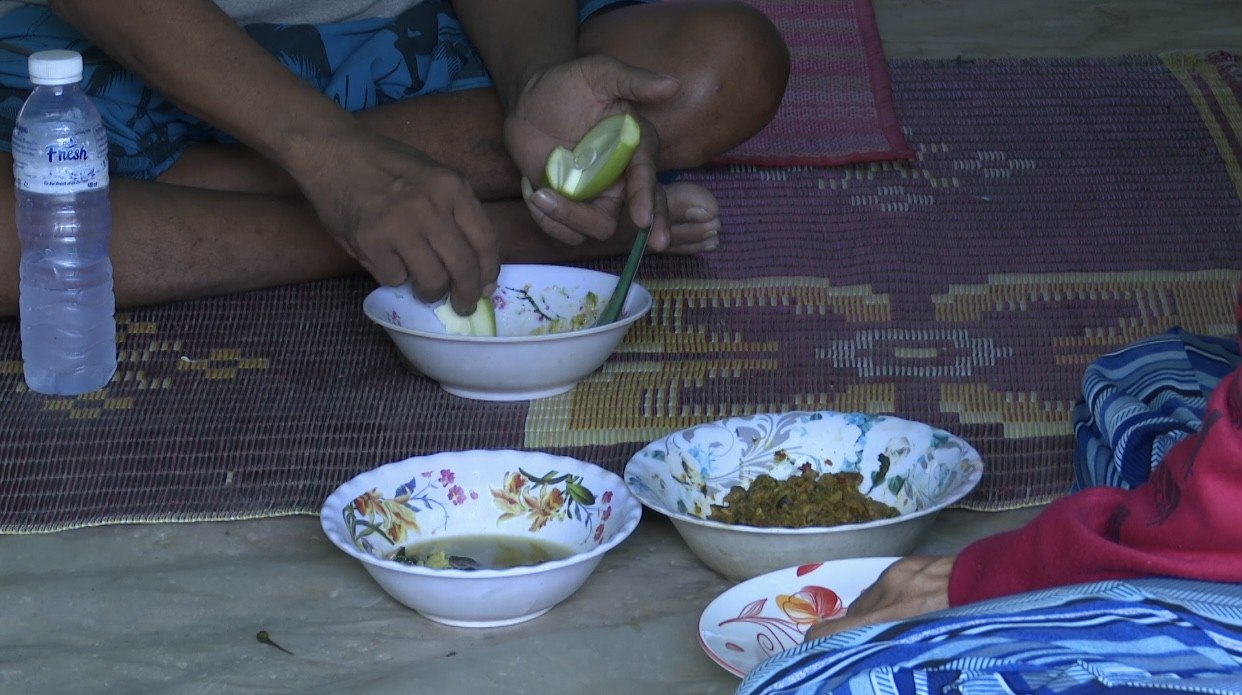
Although the government and provincial authorities have carefully arranged sufficient food, clean water, health services and learning spaces for children, camp life cannot compare with the peaceful lives residents had at home before the Thai military invasion. Those homes have now been almost completely destroyed.
These conditions have affected many displaced people’s mental wellbeing, especially older people living with illness. They also face risks of diseases spreading within the camps and deep anxiety over when they can return to their former homes, a question that still has no clear answer.
Although the second ceasefire between Cambodian and Thai forces took effect on December 27, 2025, the tragedy described in the account as Thailand’s war of aggression against Cambodia left severe psychological wounds and suffering among many innocent Cambodians.
Addressing the issue on January 31, 2026 while visiting displaced residents in Preah Vihear affected by Thailand’s war of aggression, Prime Minister Hun Manet said the government had been and continued to pay close attention to these effects. It had introduced necessary measures, including strengthening temporary shelters or, where necessary, moving them to safer locations with better conditions.
The Banteay Meanchey provincial administration said it was accelerating construction of temporary shelters to ensure residents’ safety and comfort, aiming to finish before the rainy season.
According to an Interior Ministry report, as of the morning of February 3, 2026, about 550,000 people, or nearly 84 percent of more than 640,000 displaced residents, had returned home. Another 104,099 remained in camps, including 55,049 women and 33,696 children.
Some displaced residents, even after reaching their home villages, were forced to stay in temporary camps again because their houses had been razed and the areas were littered with unexploded ordnance, posing serious risks to life. By: Pai Sokhim.