At about 02:30 on March 30, a Thai woman in Bang Yai, Nonthaburi, encountered a visibly distressed Chinese man by the roadside. Because of the language barrier, they communicated through a translation application. The man, around 30, wore a black T-shirt, patterned shorts and flip-flops and carried a backpack. He was limping with an apparent leg injury and had large black oil stains on his body. He told her a Chinese scam group was chasing him and asked for help.
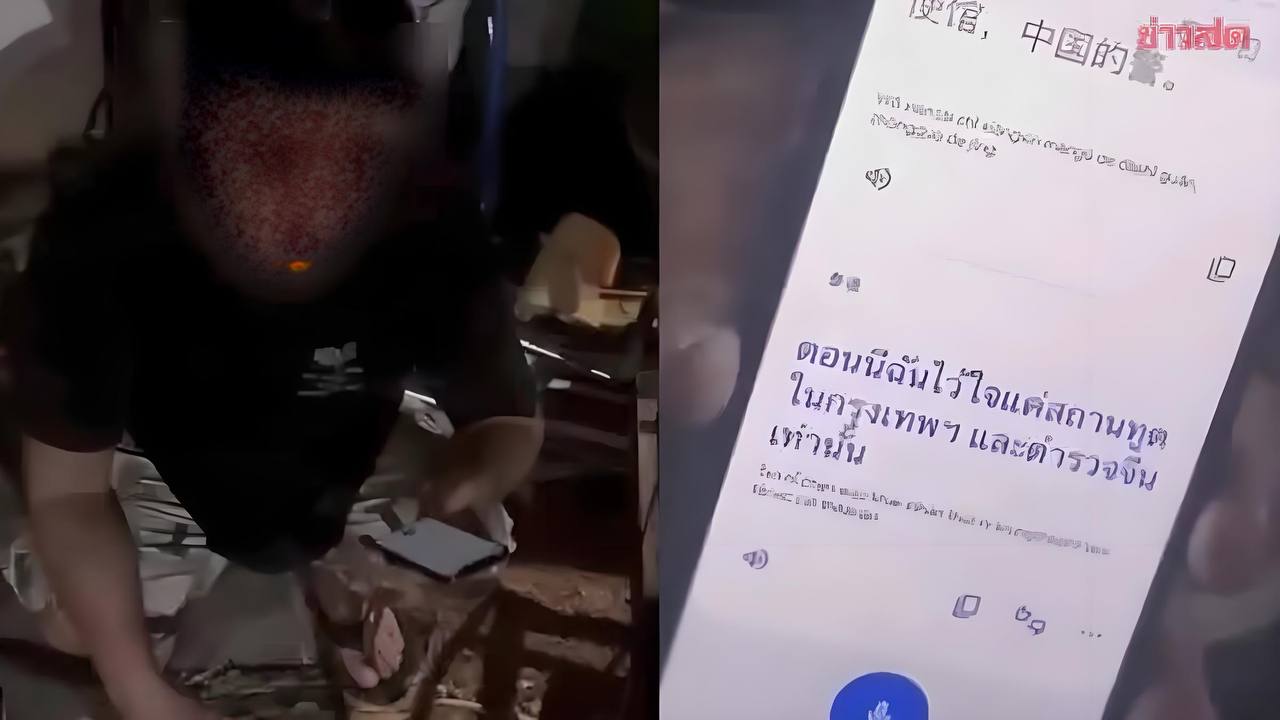

The woman, Rin, recalled that she and her younger brother were riding a motorcycle near the Kaew In junction by the M81 motorway when they saw him stumbling from the motorway in fear. After connecting to Wi-Fi, he said through the translation app that a Chinese scam group had held him in Cambodia and promised to send him home but instead took him to Thailand. He said he escaped by hiding beneath a truck until near Bang Yai, crawling out when it stopped, climbing over the motorway fence and entering an alley to seek help. He alleged that some pursuers had guns and might be driving around searching for him. He initially feared contacting police, wanted to reach the Chinese Embassy in Thailand and voiced an unverified suspicion that local police might be linked to the group.
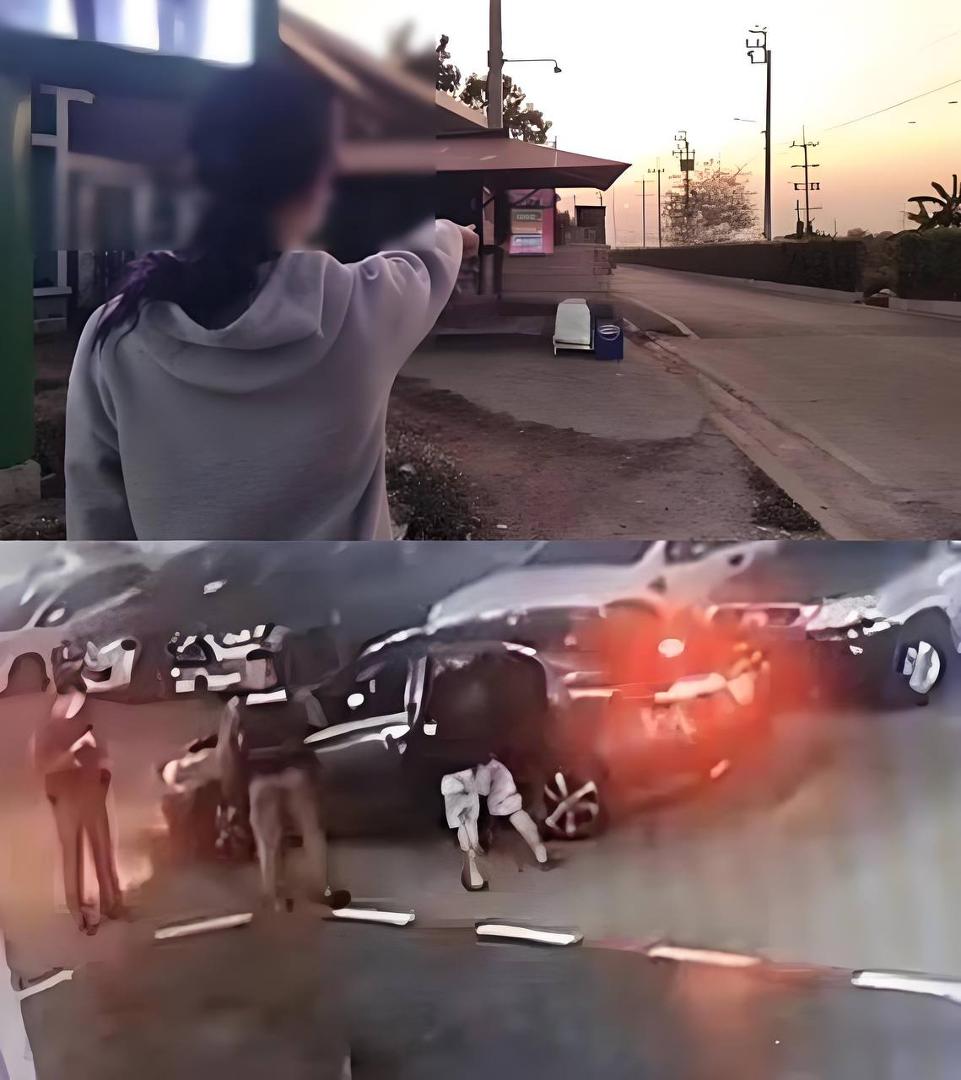
After Rin reassured him, he agreed to contact police but repeatedly tried to leave while waiting. Officers took him to the police station. Rin said that when she went to Bang Yai police station the following afternoon, she was told he had declined to make a formal complaint or explain his injuries and insisted on going to the Chinese Embassy. According to her account, police then arranged and paid for a ride-hailing car for him to leave before dawn. Rin worried about this handling because he had no passport and the embassy was not yet open. The article says no subsequent information had established whether he was safe.