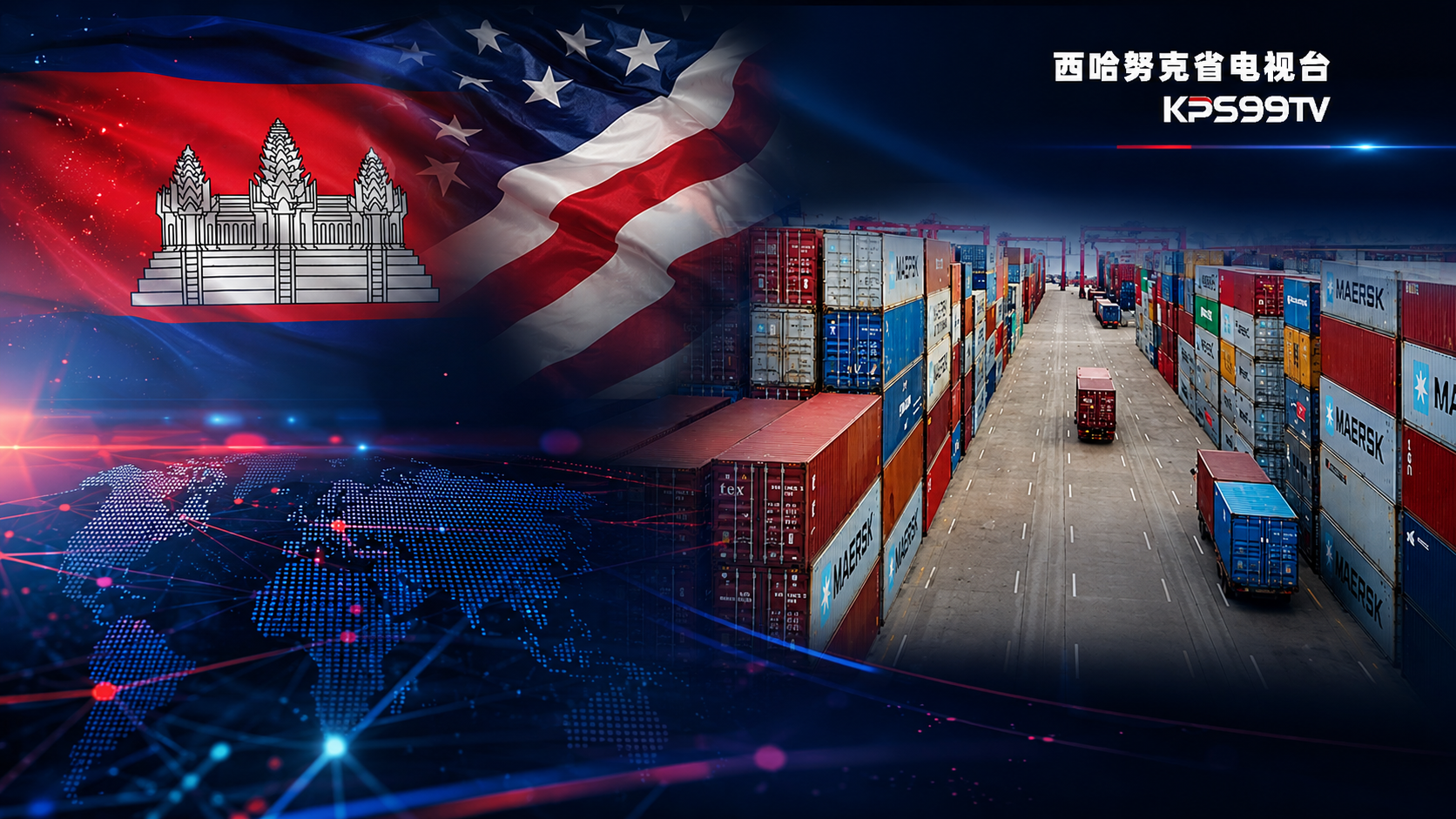
The Office of the US Trade Representative (USTR) has proposed additional tariffs of 10% to 12.5% on 60 economies, including Cambodia, alleging insufficient bans or restrictions on imports of forced-labour products. Under the Section 301 Trade Act investigation framework, the report places Cambodia in the proposed 10% tier because of reciprocal bilateral trade commitments.
The proposal remains at an initial public consultation stage and has not taken effect. The report says USTR set July 6 as the written-comment deadline and planned to begin a public hearing on July 7 before reviewing submissions and making a final decision.
The potential measure poses challenges for Cambodian manufacturing’s reliance on the US, described as its largest export destination and a major market for labour-intensive garments, footwear and travel goods.
 Royal Academy of Cambodia (RAC) policy analyst Sam Seun said additional duties would raise importers’ costs and weaken Cambodian goods’ competitiveness in international supply chains. Given US influence in global trade, he urged constructive dialogue rather than a purely resistant response.
Negotiators should clearly explain Cambodia’s policy commitment and reforms against forced labour, while objectively setting out practical enforcement obstacles to seek greater understanding and room for negotiation.
The article links the tariff dispute to major economies’ growing emphasis on environmental, social and governance (ESG) standards in trade and investment. Sam Seun advised using it as an opportunity to improve industrial structures and strengthen labour-rights protection and enforcement in line with international standards, preserving access to the key US market.
It also describes Cambodian authorities accelerating compliance efforts amid regional competition, consolidating traditional US, European and ASEAN markets while diversifying exports and seeking higher-value investment through improved labour standards for sustained economic and employment growth.