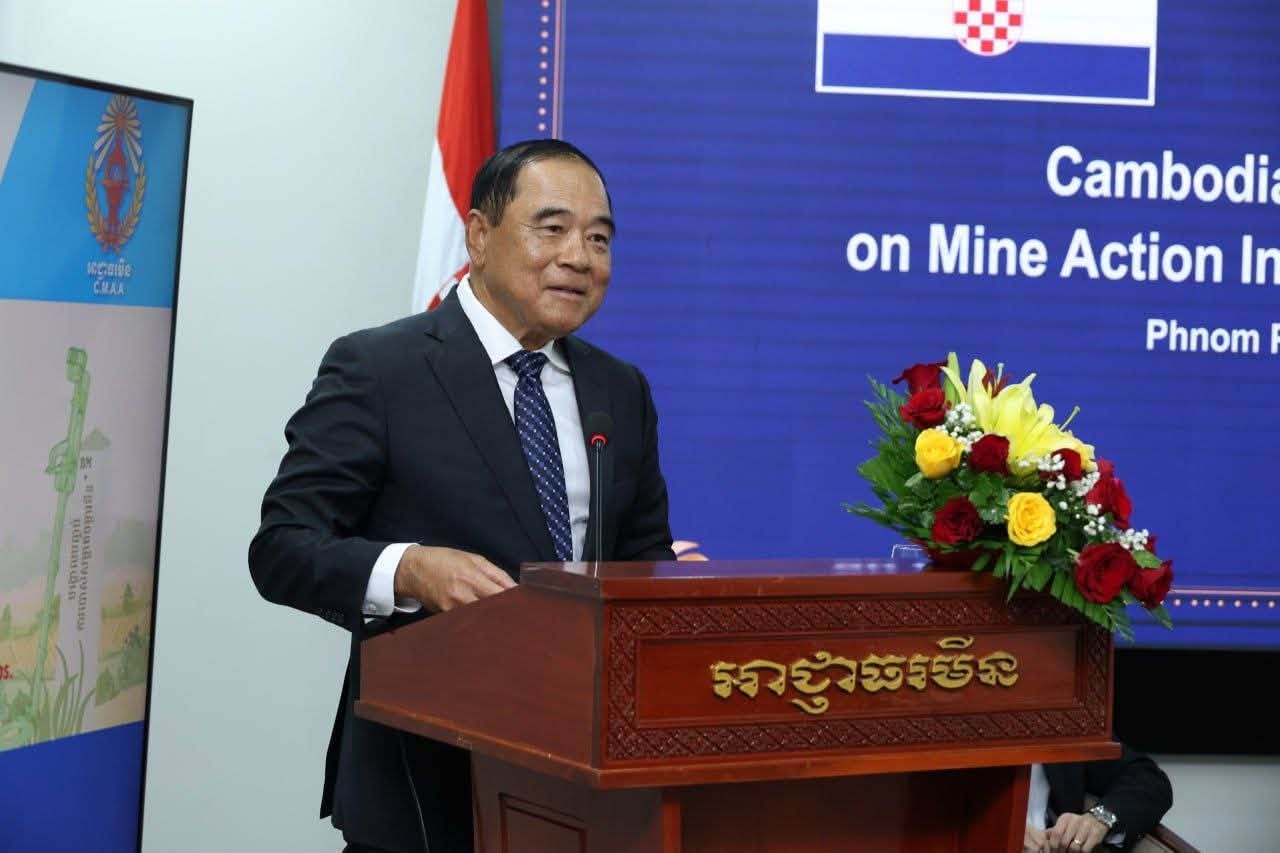
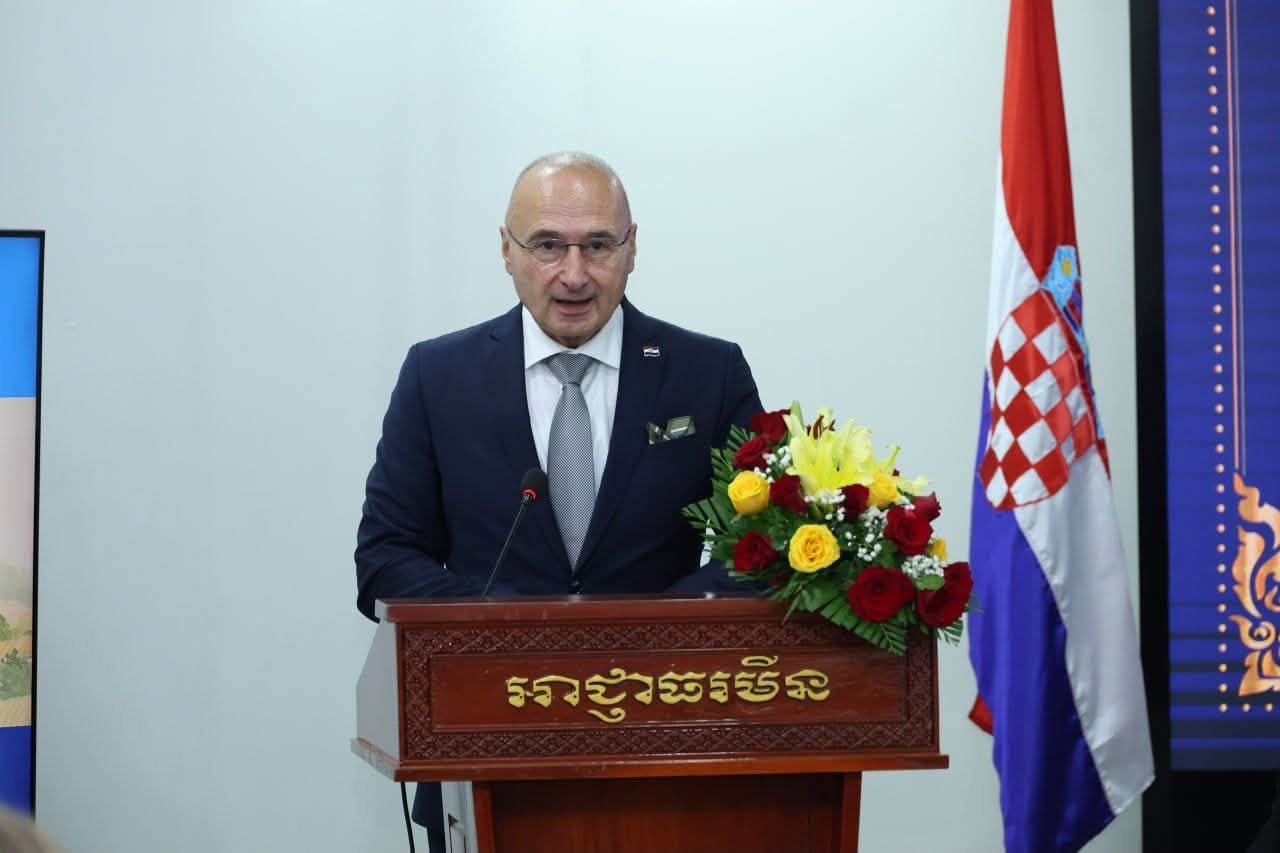
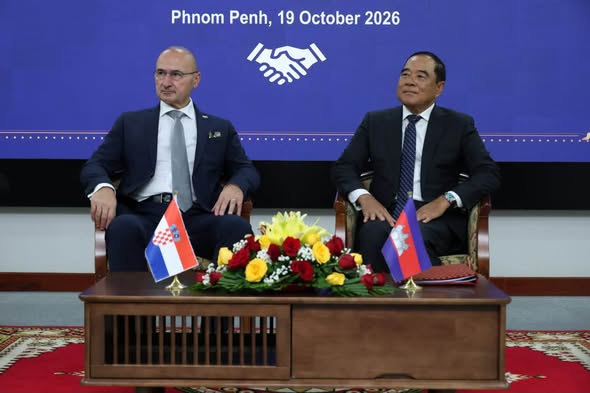
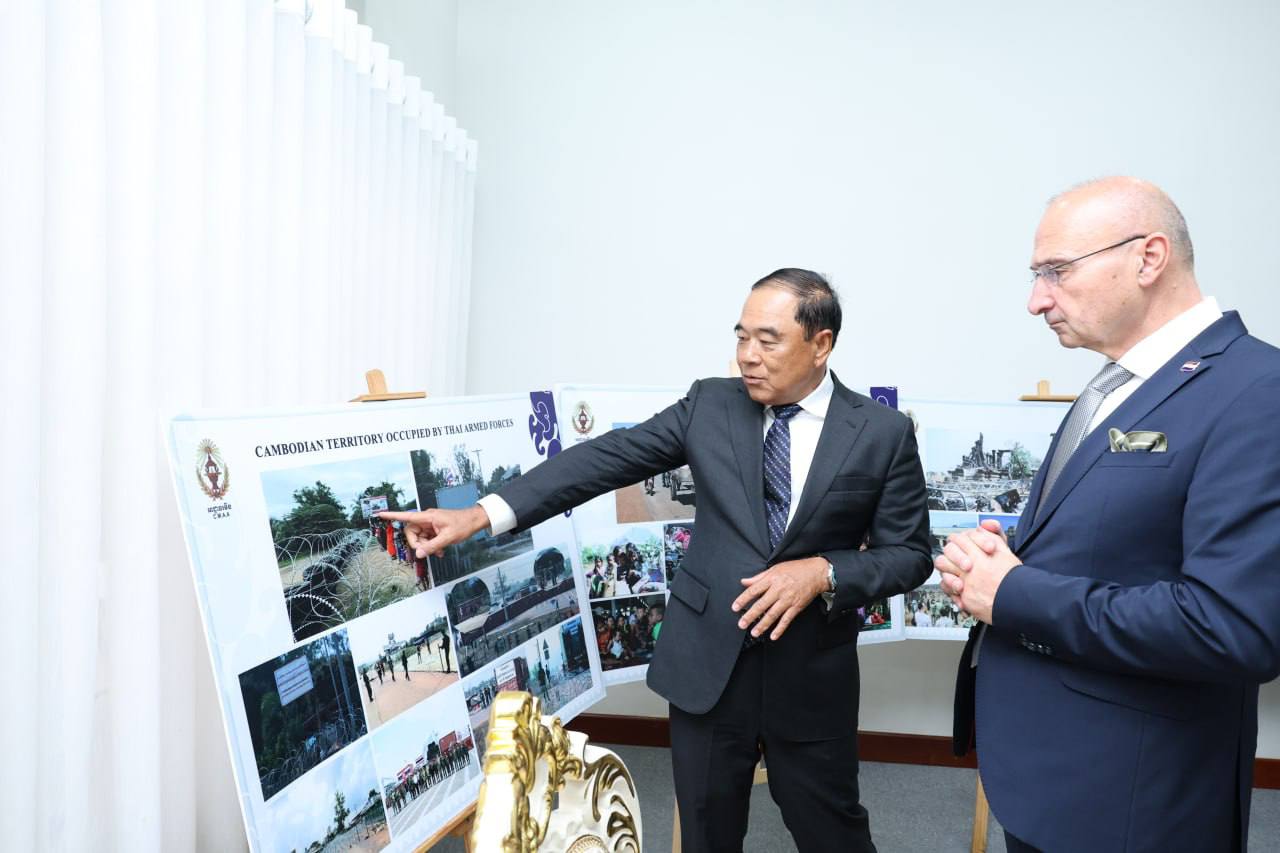
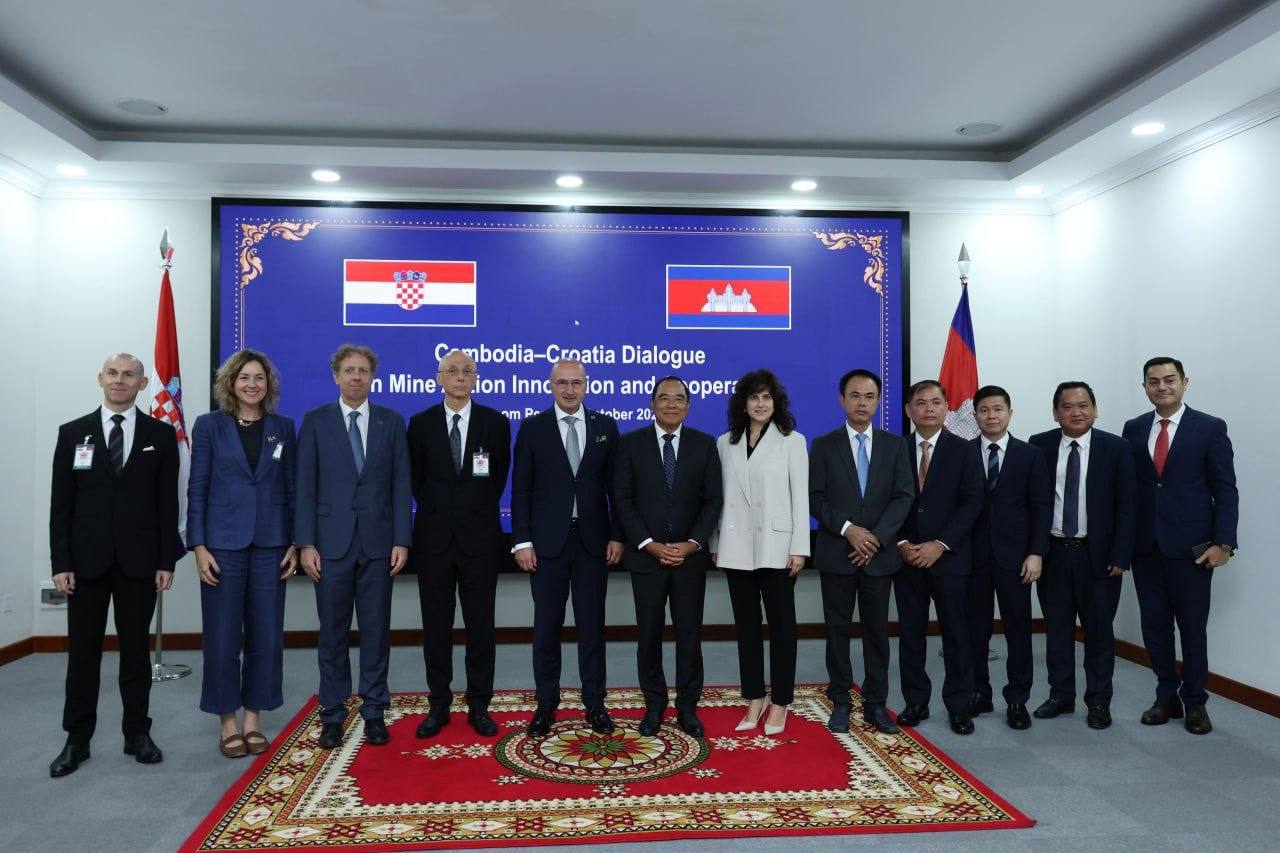
On October 19, 2026, His Excellency Dr. Ly Thuch, Senior Minister and First Vice-President of the Cambodian Mine Action and Victim Assistance Authority (CMAA), together with His Excellency Gordan Grlić Radman, Minister of Foreign and European Affairs of the Republic of Croatia, co-chaired the “Cambodia–Croatia Dialogue on Innovation and Cooperation in Mine Action” in Phnom Penh, with the participation of representatives from embassies, development partners and relevant operators.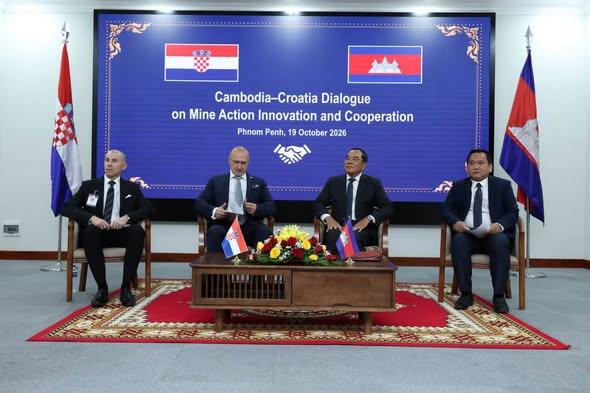
At the meeting, Cambodia congratulated Croatia on its successful completion of its mine clearance obligations under the Ottawa Convention, after 31 years of effort, having destroyed approximately 107,000 mines.
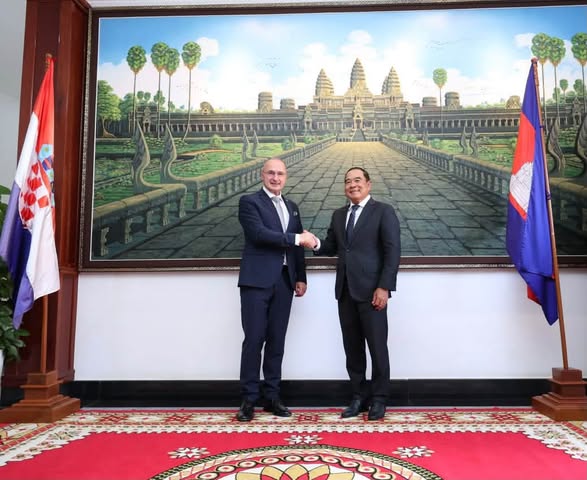
His Excellency the Senior Minister noted that since 1992, the country has cleared more than 3,500 square kilometres of land contaminated with mines and other explosive remnants of war, and destroyed more than 4 million mines and explosive ordnance. Despite the discovery of new ordnance along the border, Cambodia remains committed to achieving its goal of being “free from the impact of explosive ordnance by 2035.”
On the use of innovation and technology, both sides stressed the vital role of modern technology, satellite imagery, sensors and artificial intelligence to boost operational efficiency, while continuing to place the “human factor” and strong institutions at the core of success.
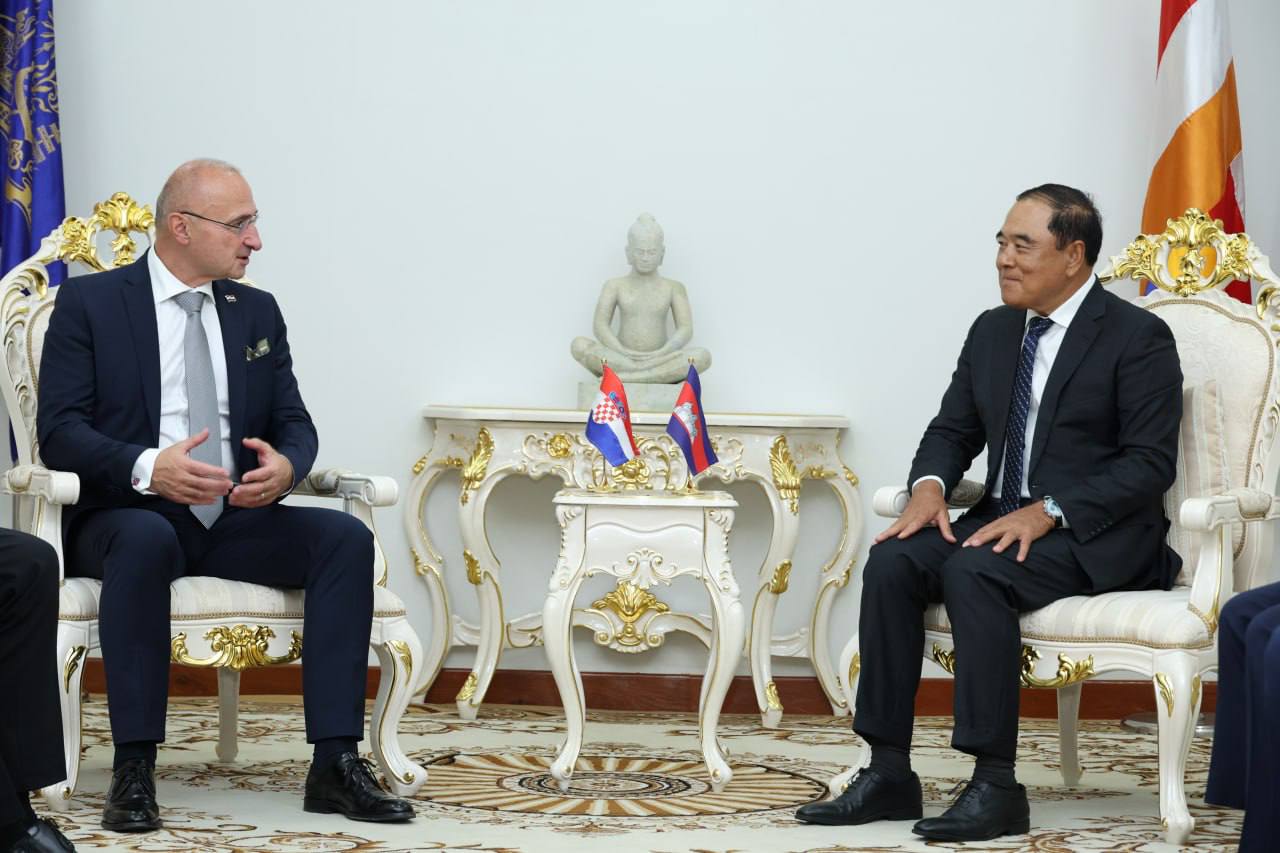 His Excellency Dr. Ly Thuch said that Croatia’s experience is a valuable lesson for Cambodia in addressing the remaining difficult areas and providing long-term assistance to victims. At the same time, Cambodia is also ready to share practical experience, including its participation in United Nations peacekeeping missions and the testing of new technologies.
As an outcome, both sides agreed to translate knowledge and cooperation into concrete action, including the exchange of trainers, joint field visits to mine-clearance sites, and strengthening support for victims, with the goal of ensuring that future generations can live on land that is safe and free from the threat of war remnants. By: Pai Sokhim