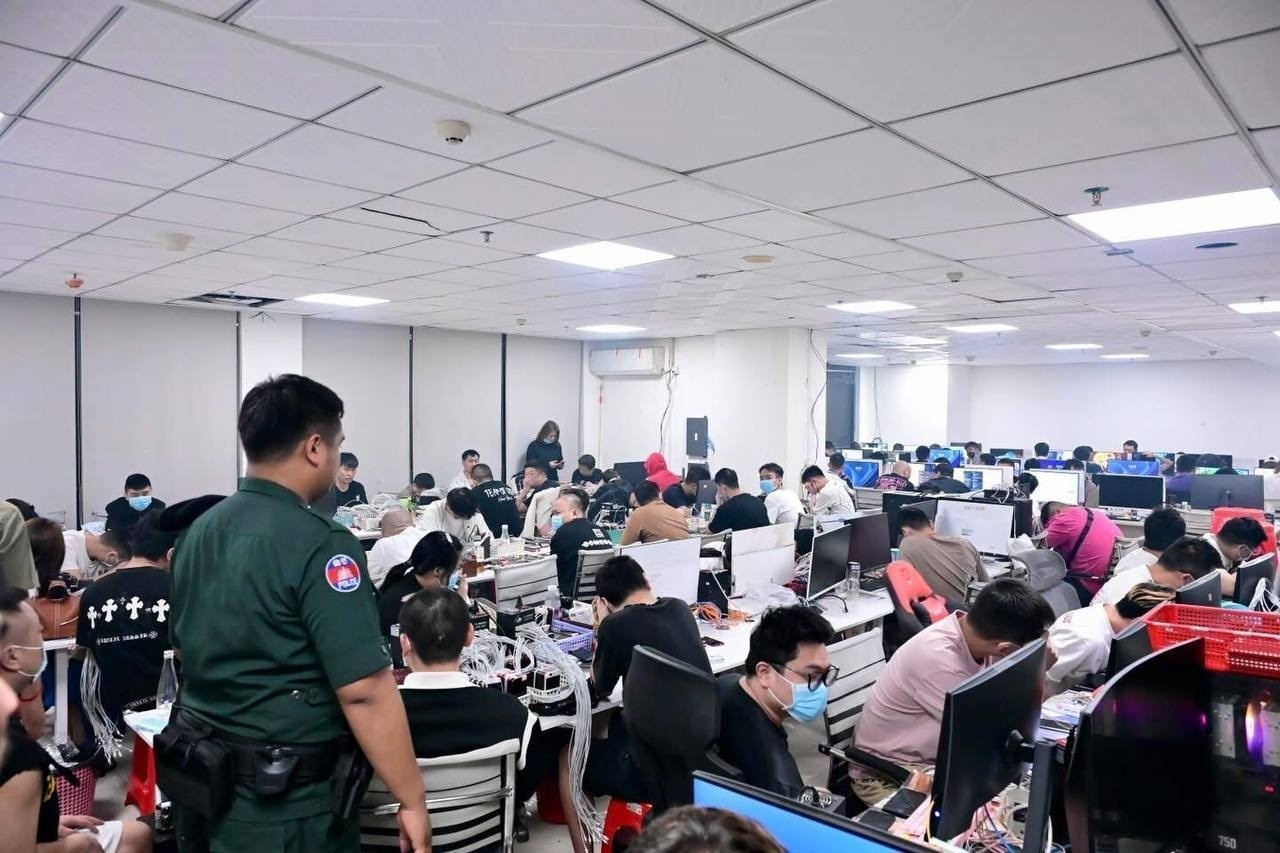
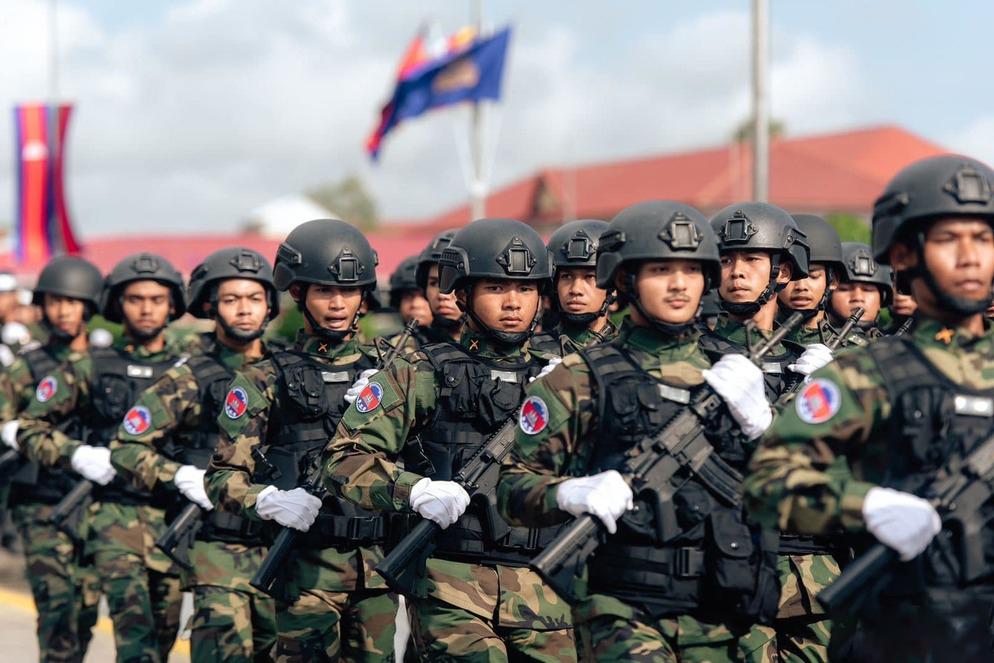
The Center for Strategic and International Studies (CSIS) recently published an article assessing Cambodia's progress in combating online scams. It noted that Cambodia has made visible progress through dedicated anti-scam legislation, enforcement operations and stronger international cooperation, closing some scam compounds and rescuing those held there.
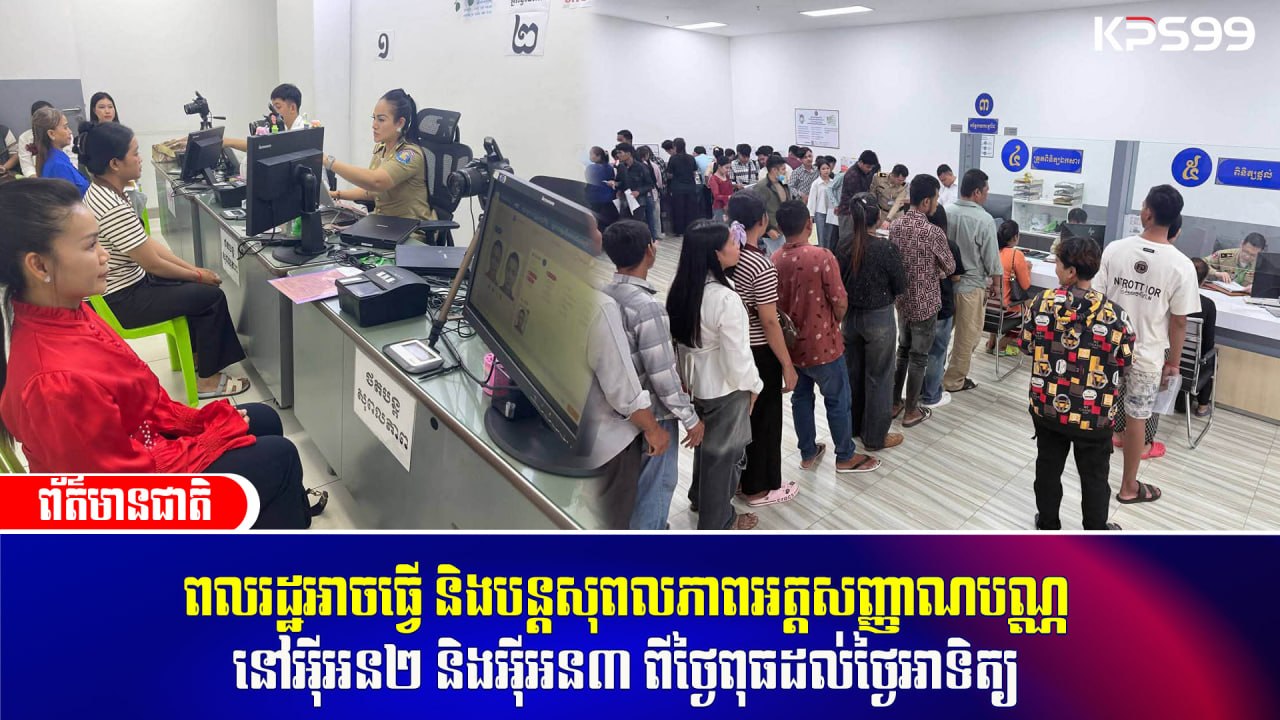
The article cited data showing that more than 200 scam compounds in Cambodia have been closed and about 200,000 people have been released from compounds as of June 2026. However, those released may still face lost identity documents, a lack of funds and difficulties returning home, with some even at risk of being drawn back into scam compounds.
The effectiveness and transparency of the operations have also drawn scrutiny. Citing an investigation by Amnesty International, the article said outsiders have difficulty independently verifying the specific investigations and which compounds were closed. More than 70% of the compounds identified by the organization appeared unaffected by enforcement operations. Some interviewees also said that compounds had advance notice of operations and shifted their operations elsewhere. These claims require further verification.
CSIS said that measuring anti-scam efforts requires looking beyond compound closures and the number of people released to determine whether criminal networks, funding chains and other networks of interests are being investigated and held accountable. Cambodia hosted an international anti-scam conference in September and adopted the Phnom Penh Declaration, demonstrating efforts to advance cross-border cooperation. However, protecting rescued people, disclosing law-enforcement information and holding those behind the operations accountable remain key to subsequent governance.