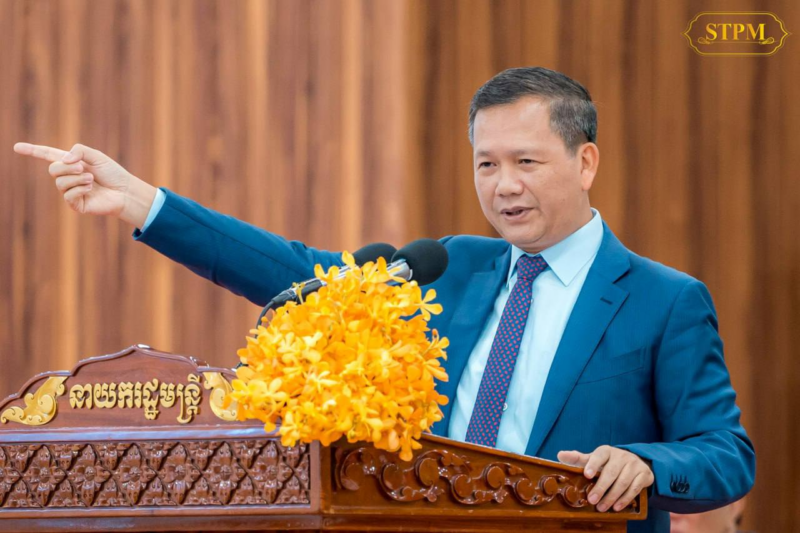
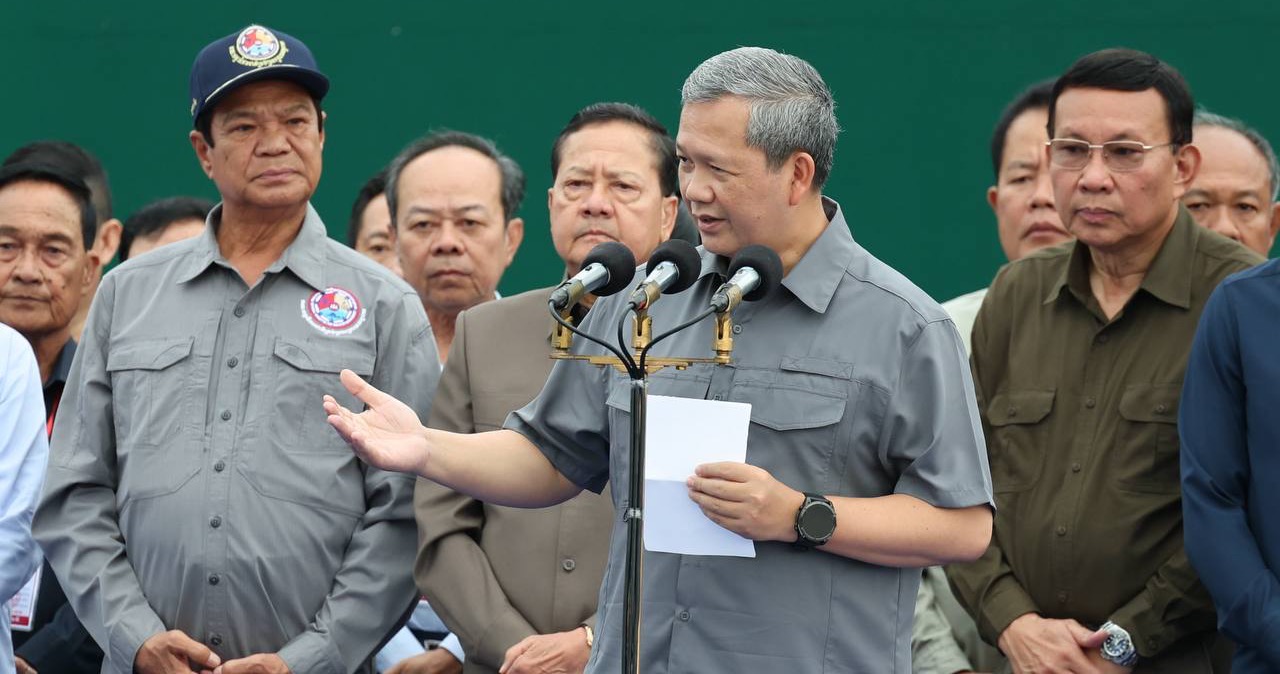
On the morning of December 29, Cambodian Prime Minister Hun Manet addressed the Cambodia–Thailand ceasefire, stressing that it was a strategic choice based on peace and the people’s interests. It did not mean surrender, trading territorial integrity for peace, or giving up Cambodia’s ability or lawful right to defend itself. He said the government had carefully assessed the situation and prioritised people’s lives and the country’s long-term welfare, despite external pressure and challenges.
He said Cambodia’s long history of war, including the dark period under the genocidal regime, had deepened the nation’s appreciation of peace. Cambodians therefore sought lasting peace and the ability to develop and progress in a stable environment. He acknowledged that even if it could continue fighting, prolonged conflict would exhaust a small country’s resources and run against its fundamental interests.
Hun Manet also stressed that the two militaries were implementing the ceasefire along the actual line of contact, without changing their countries’ positions on the boundary. He said Cambodia–Thailand boundary issues would continue to be addressed under existing treaties and conventions. Cambodia fully retained its lawful right to address border issues with Thailand through international law, existing treaties and conventions, and bilateral mechanisms.
Compiled by KPS99TV.