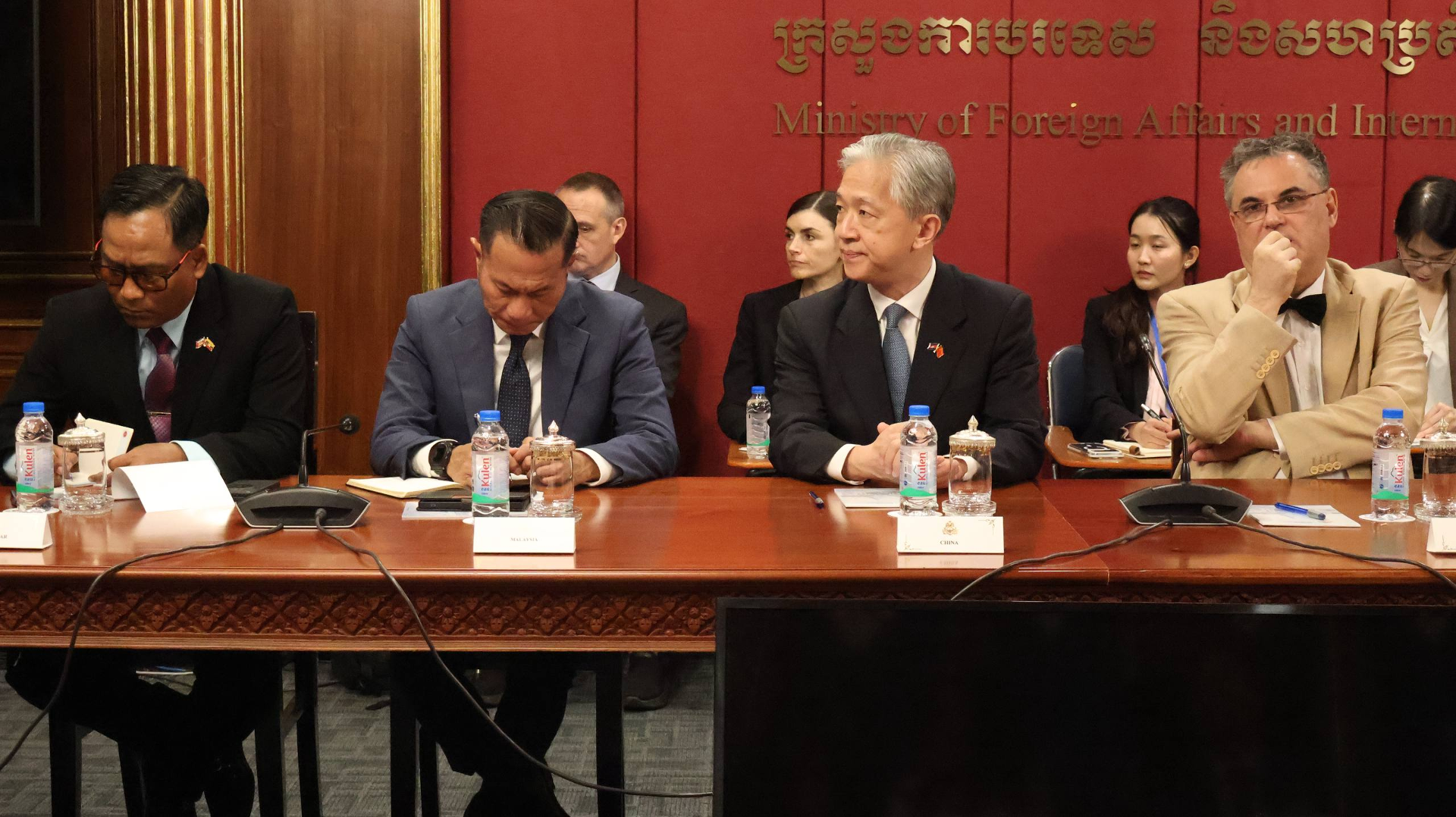
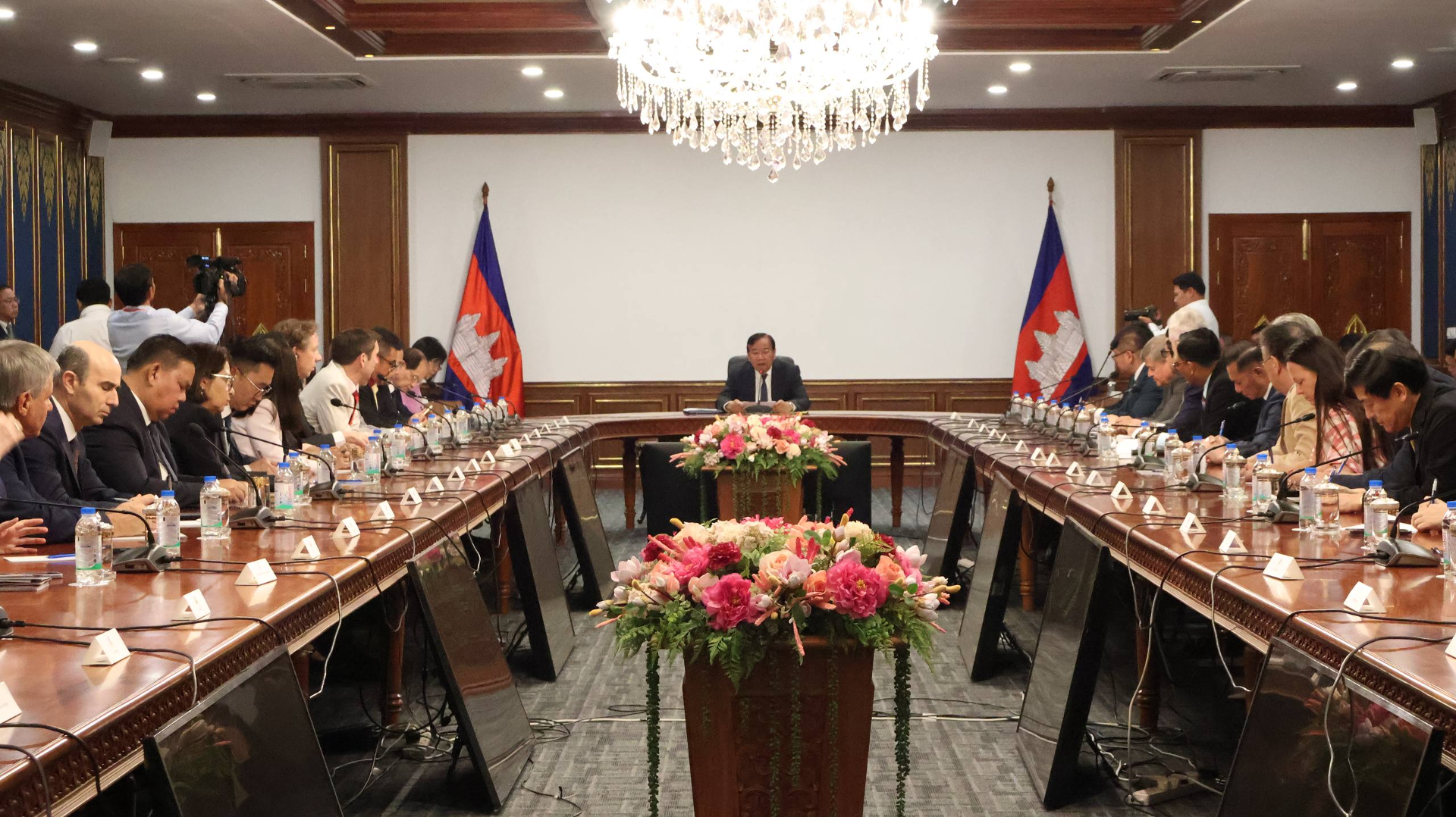
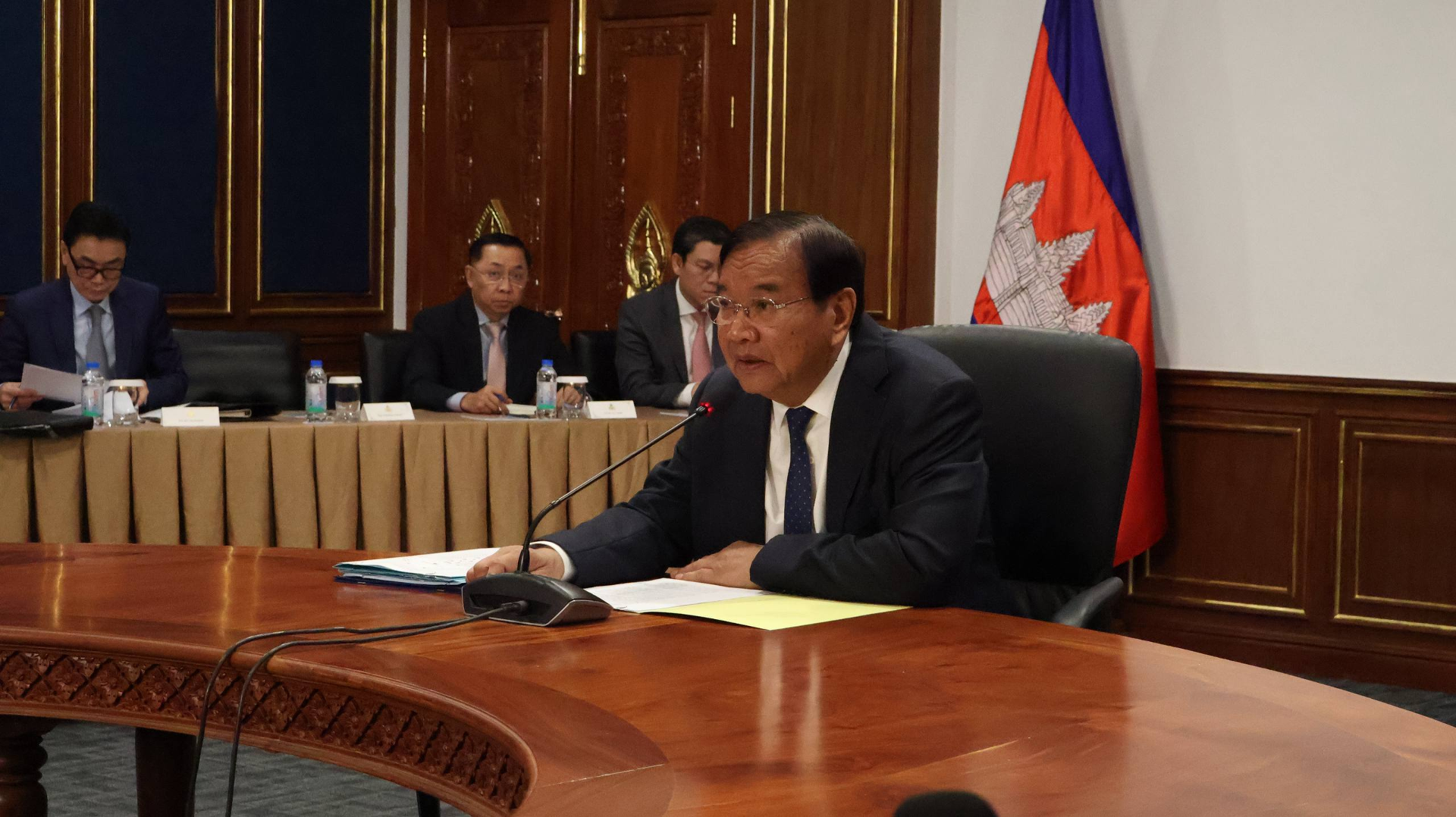
On the afternoon of June 2, Cambodia’s deputy prime minister and minister of foreign affairs and international cooperation, Prak Sokhonn, invited heads of foreign diplomatic missions and representatives of international organisations to a briefing on developments concerning the Cambodia–Thailand border situation, focusing on Cambodia’s decision to initiate compulsory conciliation under UNCLOS.
The meeting’s central purpose was to formally inform the international community about, and explain in detail, Cambodia’s decision to initiate the compulsory conciliation mechanism under the United Nations Convention on the Law of the Sea (UNCLOS), signalling its intention to address the international dispute through legal means.
 The diplomatic move followed the Cambodian leadership’s plans. On the same day as the meeting, Prime Minister Hun Manet delivered a special address, directly setting out a firm position.
Hun Manet announced that Cambodia had formally sent official notifications to Thailand and the UN secretary-general concerning the initiation of compulsory conciliation under UNCLOS. The move was intended to bring the relevant dispute with Thailand into an international legal process and seek to resolve the differences through peaceful, lawful and transparent means.
 In his address, Hun Manet described UNCLOS as the treaty setting out states parties’ rights and responsibilities in relation to the sea, and said Cambodia and Thailand were both parties. He described compulsory conciliation as a peaceful dispute-settlement mechanism under the Convention.
Hun Manet said the mechanism allowed both countries to present their positions before an independent commission of five conciliators. He described the conciliators as international law experts and the process as a means to facilitate a peaceful settlement.