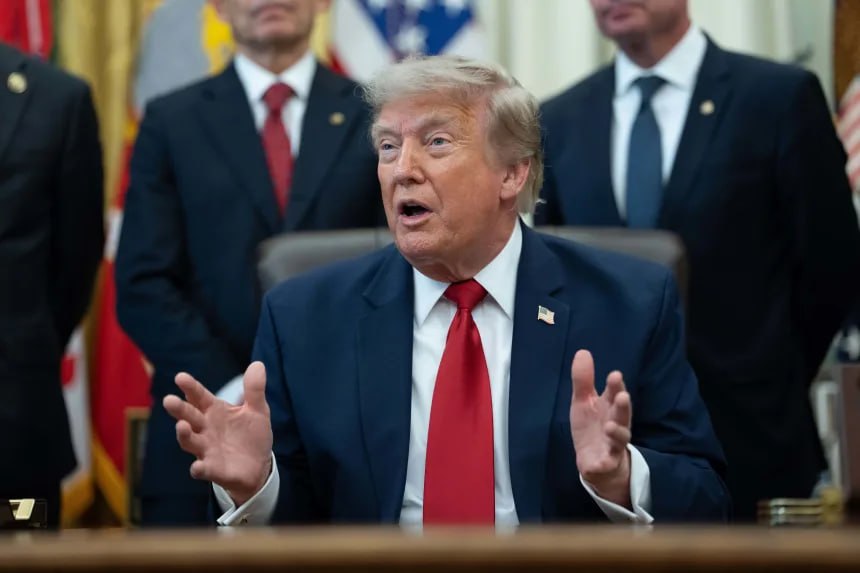
Washington — U.S. President Donald Trump reversed his controversial plan to charge a 20% fee on goods passing through the Strait of Hormuz within just 24 hours, following intense diplomatic pressure from Arab Gulf countries.
Trump announced the proposal on Monday, arguing that the United States should be reimbursed for protecting the Strait of Hormuz, one of the world’s most important oil shipping routes. The proposal surprised U.S. allies and senior White House officials, who warned that it could harm foreign policy, push up oil prices and conflict with international law on freedom of navigation.
Behind the scenes, White House officials rushed to work out implementation, while the leaders of Saudi Arabia, the United Arab Emirates, Bahrain and Qatar contacted Trump to urge him to abandon the idea.
On Tuesday, Trump announced that he was withdrawing the proposal, saying Gulf countries had promised increased investment in the United States, an alternative he considered more beneficial than charging a transit fee.
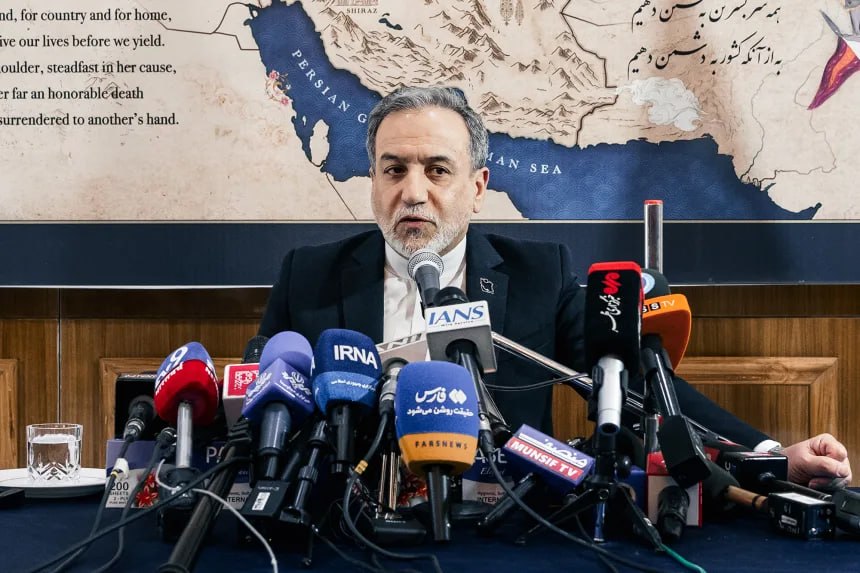
Analysts viewed the episode as illustrating Trump’s flexible, interest-based approach to foreign-policy negotiations. They warned that implementing the proposal could have pushed up global oil prices, affected energy markets and given Iran grounds to argue that countries providing security in the Strait of Hormuz should receive compensation.
Despite Trump’s abandonment of the plan, tensions in the Strait of Hormuz continued, with security threats in the area affecting shipping and pushing global oil prices higher.
Source: CNN