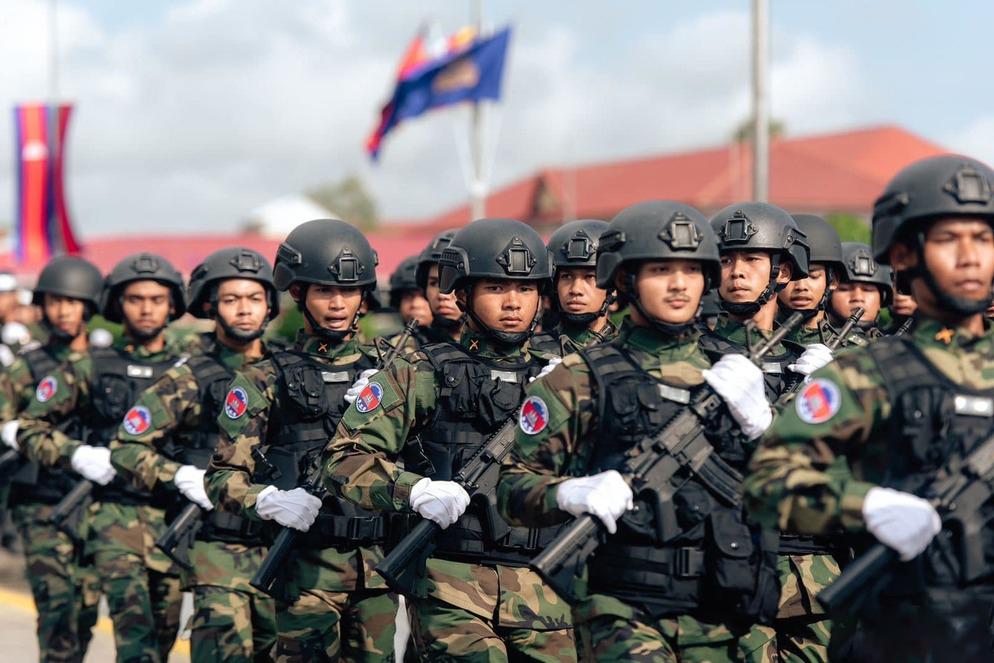
On July 15, Cambodia’s Ministry of National Defence said that, at an informal meeting of the Cambodia–Thailand border committee secretariats that day, Cambodia formally called on Thailand to immediately stop unilateral border activities, including road building, expansion of control and installation of barbed wire, in Cambodian sovereign territory and areas where the two countries have not completed boundary demarcation.
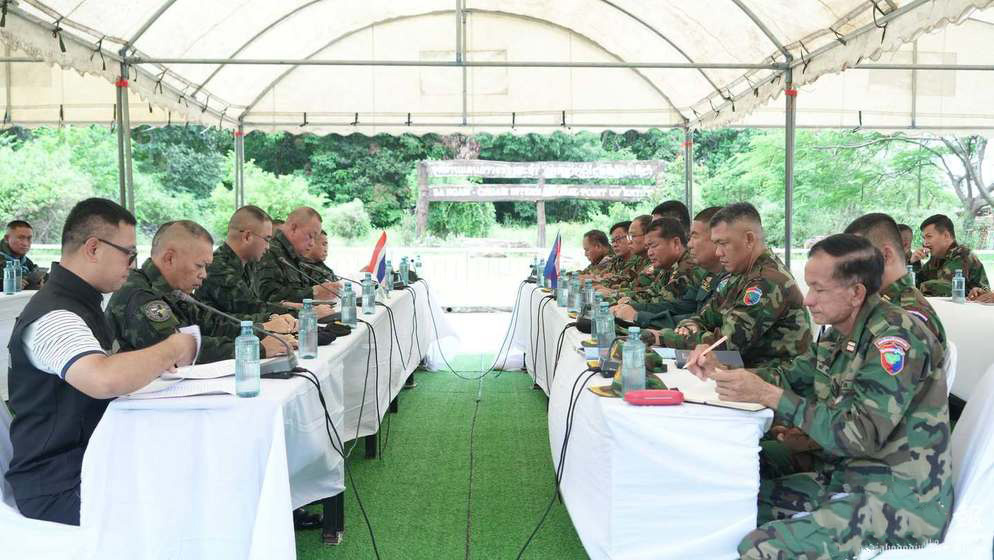
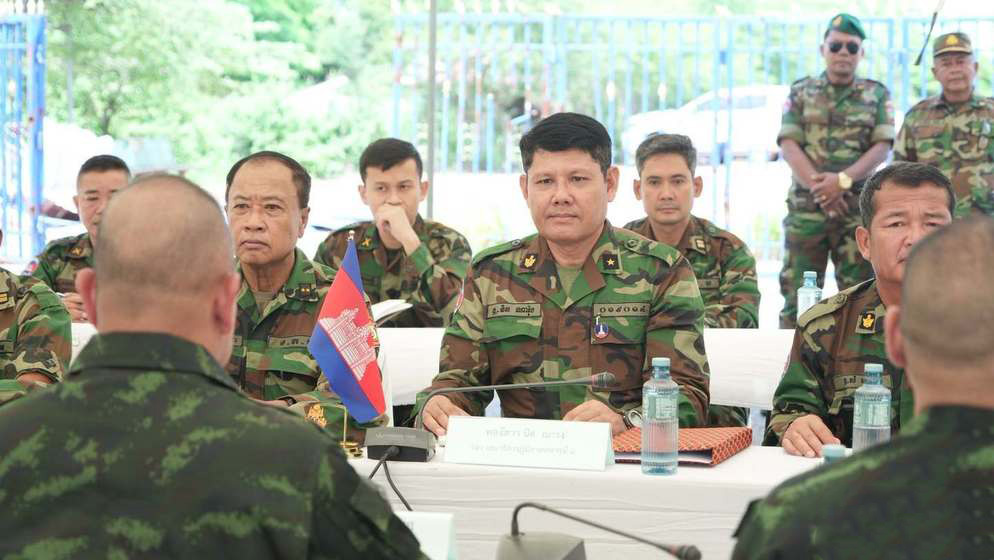
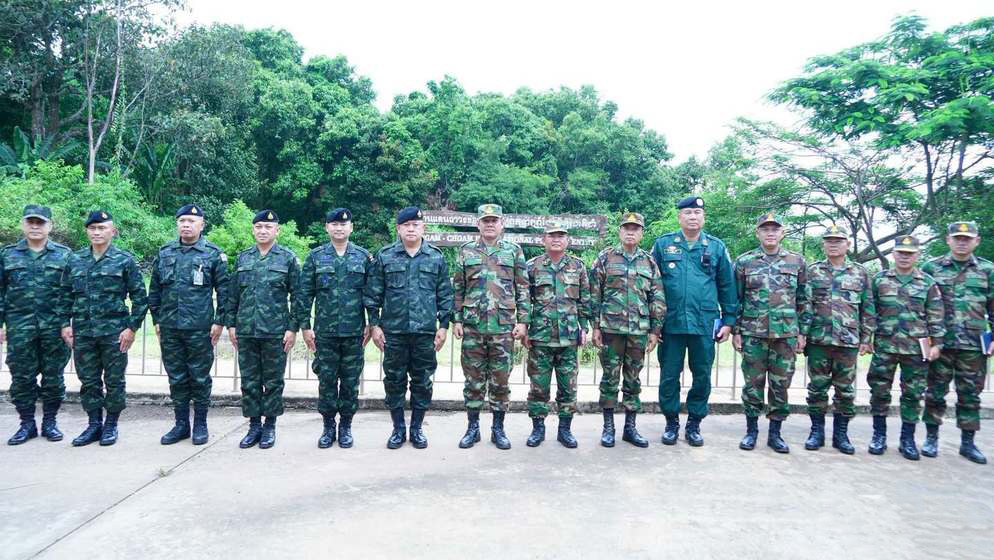
The informal meeting of the Cambodia–Thailand border committee secretariats took place at an international border checkpoint in Anlong Veng district, Oddar Meanchey province, Cambodia. During the meeting, Cambodia particularly urged the two countries to promptly resume surveying and demarcation through the Cambodia–Thailand Joint Boundary Commission, implement the boundary understandings reached by both sides in December 2025, and steadily advance subsequent boundary-demarcation work.
Addressing recent incidents of gunfire and explosions along the Cambodia–Thailand border, Cambodia called on both sides to strengthen verification of border conditions and regular communication and coordination, assess the situation accurately, and prevent misunderstandings or misjudgements from escalating into border conflict. Cambodia also urged Thailand to strictly control frontline troops, regulate their conduct on border duty and prevent unilateral actions likely to heighten tensions, including unauthorised gunfire and installation of barbed wire.
Cambodia further proposed that both sides work together to curb false information and inflammatory statements concerning the border, improve the public-information environment and create favourable conditions for peacefully resolving boundary differences through dialogue and consultation.
The meeting formed part of recent coordination and consultation under the Cambodia–Thailand border committee mechanisms. Cambodia’s Ministry of National Defence reiterated its adherence to bilateral agreements and international law, and its commitment to resolving border differences through peaceful negotiations and bilateral consultation, advancing a settlement of the boundary issue and maintaining peace and stability in border areas.