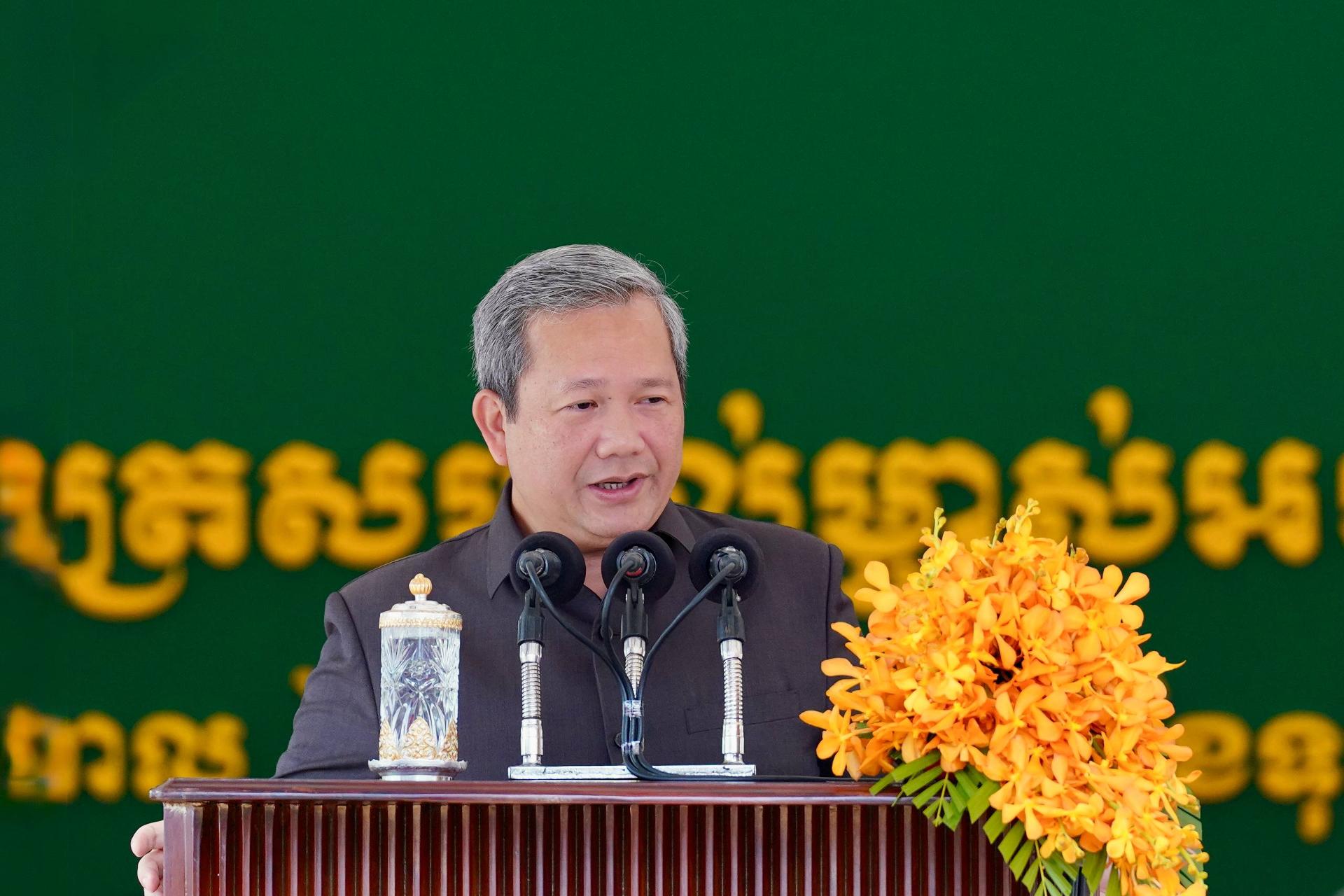
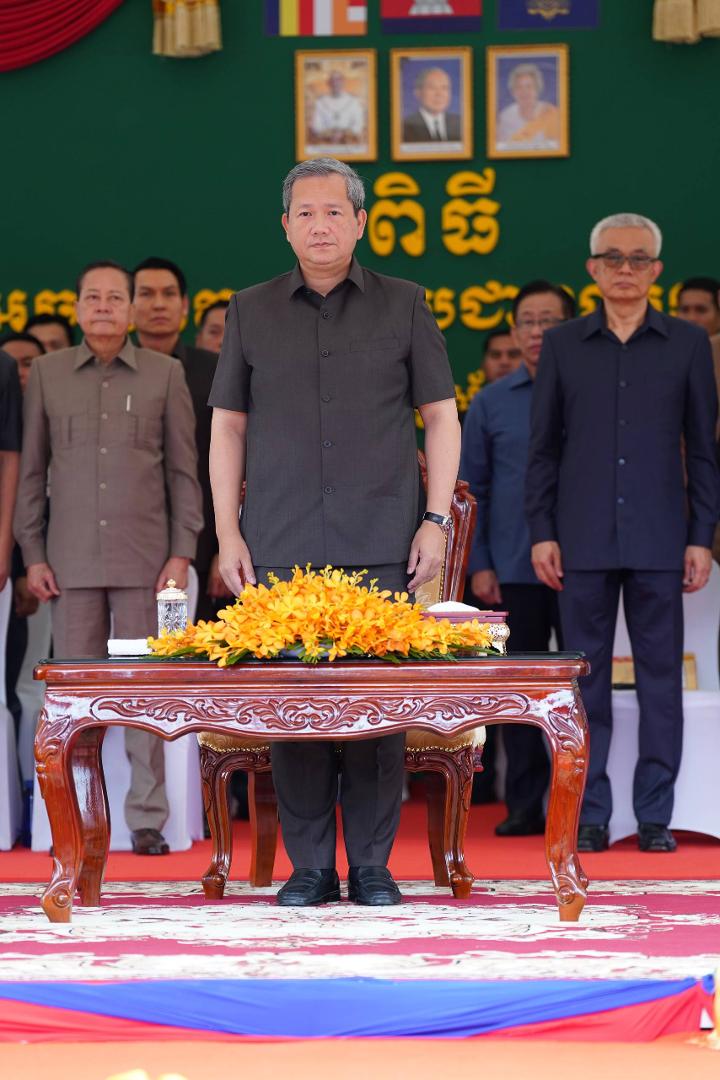
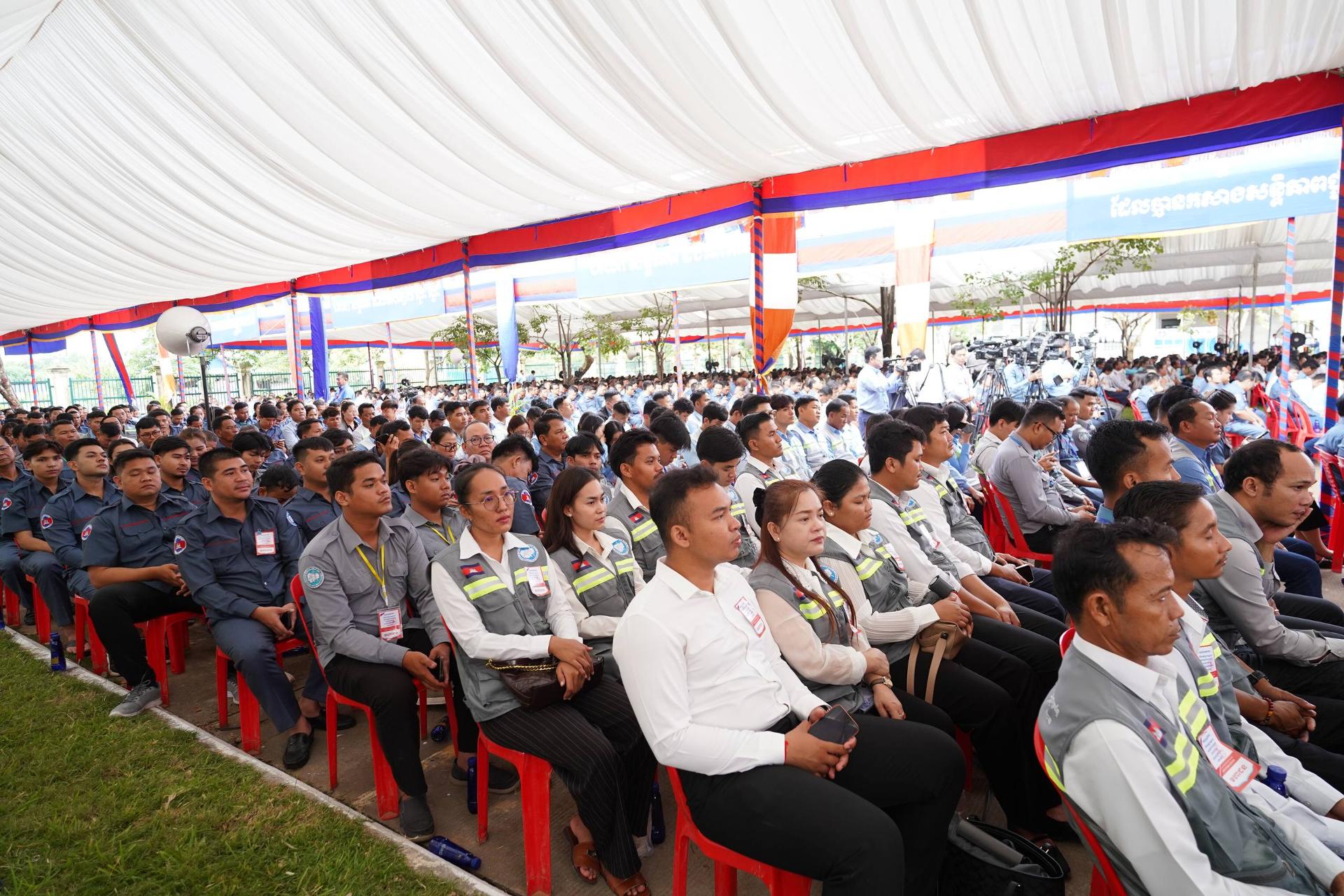
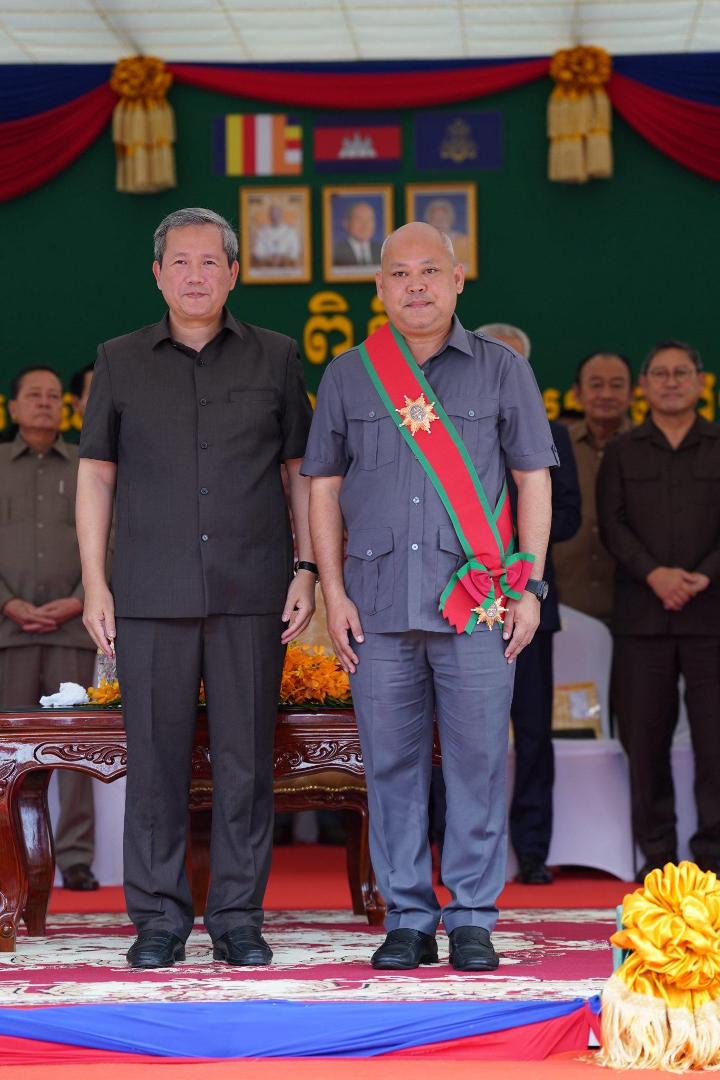
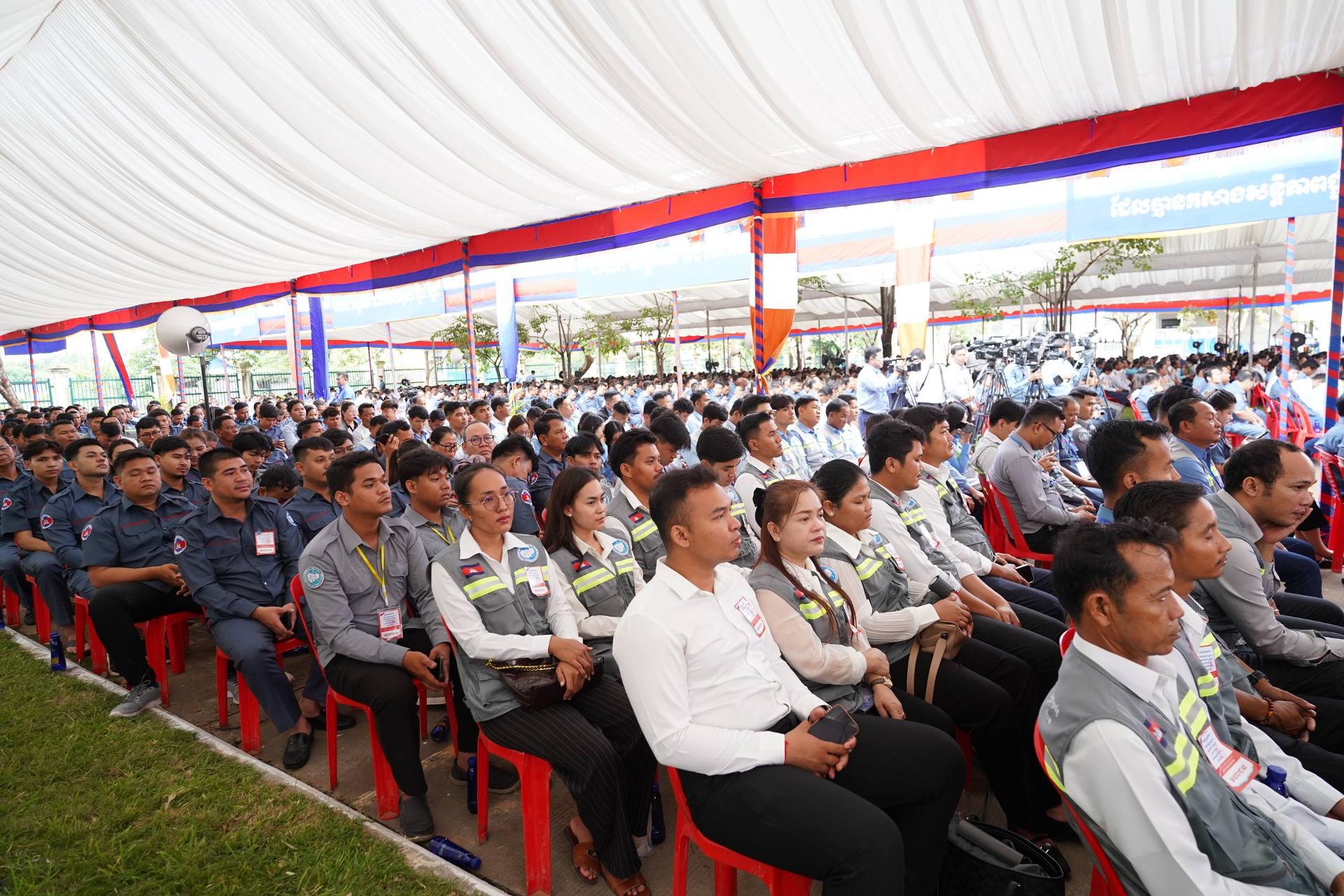
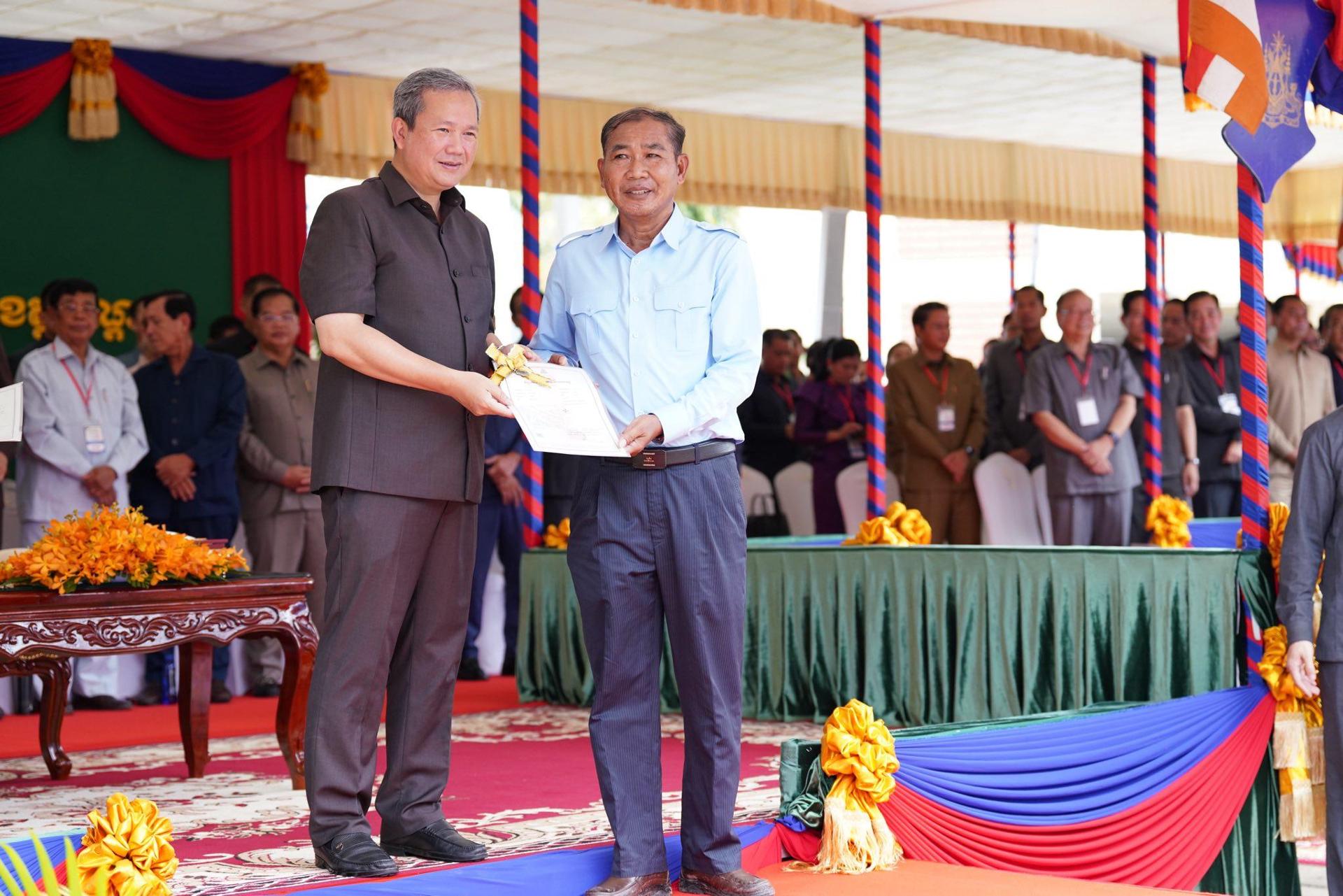
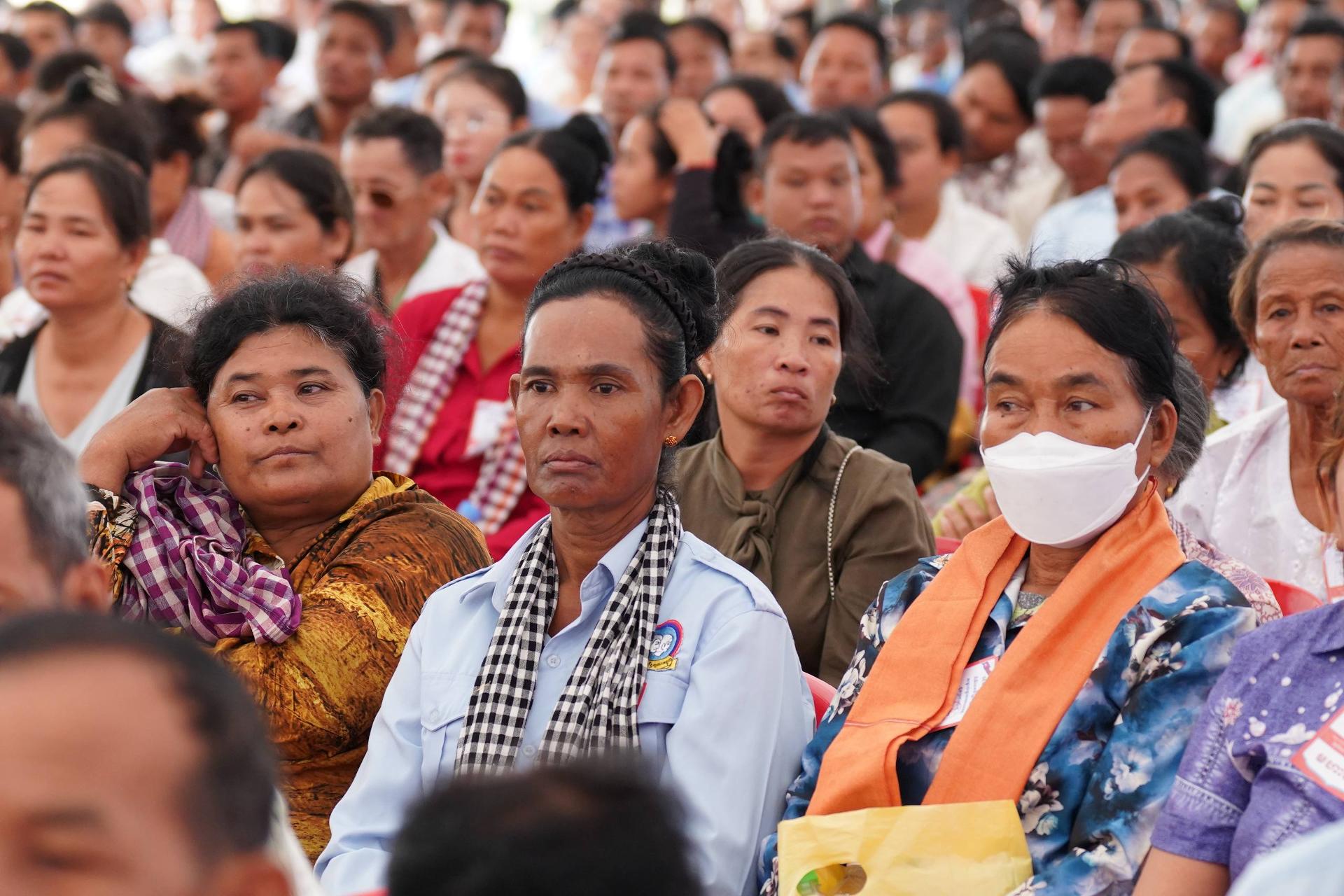
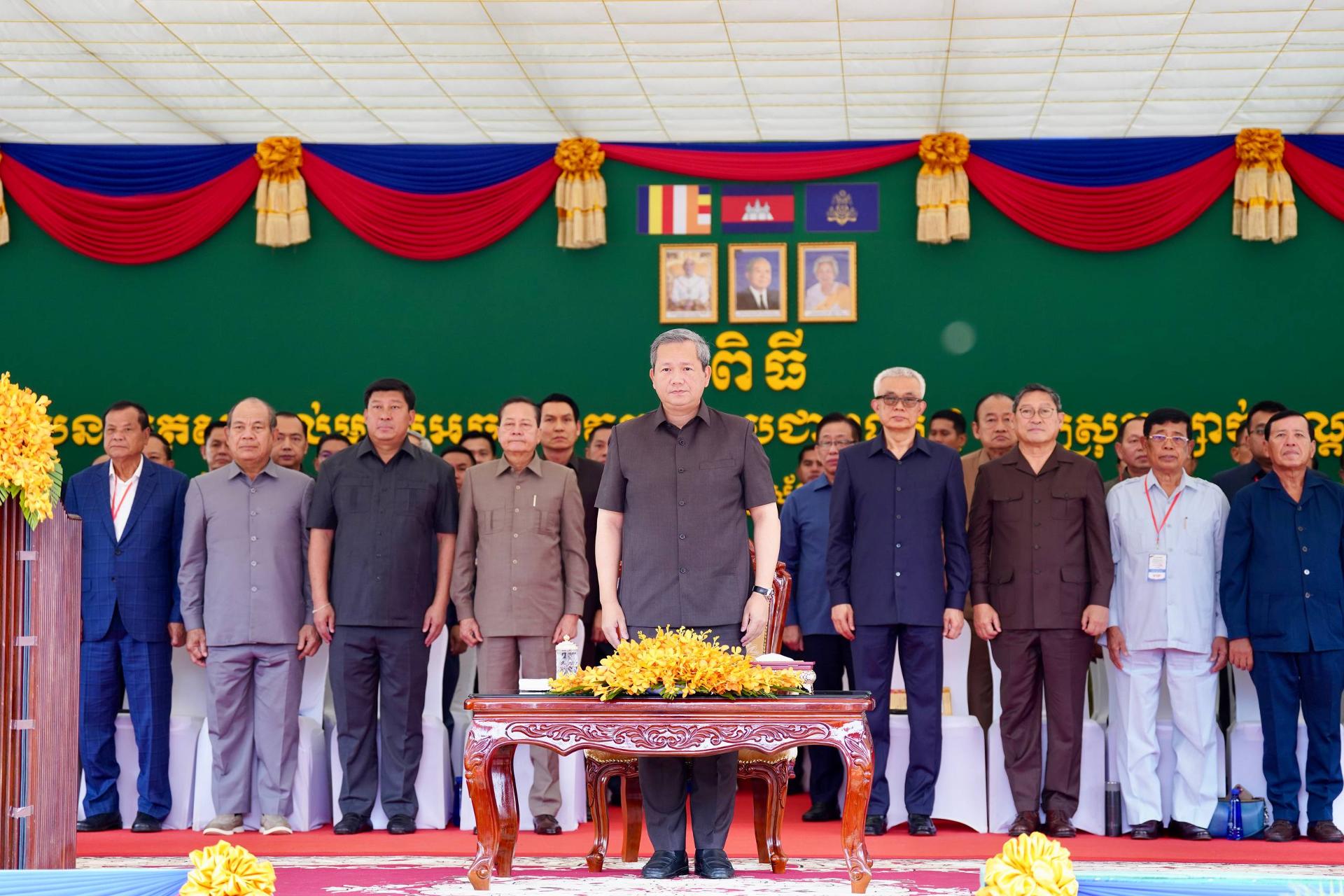
At a land-title distribution ceremony in Ksach Kandal district, Kandal province, on July 29, 2026, Prime Minister Hun Manet said Cambodia’s land reform could not rely solely on the market. Appropriate government intervention was needed to regulate land ownership management and support a well-functioning market. More than 20,000 land titles were distributed to local residents at the ceremony.
Hun Manet said land reform was a central focus of his academic research. His2002 master’s thesis in economics at New York University focused on land reform in Cambodia, arguing that fully market-based land allocation could not reconcile efficiency and fairness. He explained that gaps in information and unclear ownership had affected Cambodia’s land-tenure system, preventing market mechanisms alone from functioning normally. Government intervention to regulate management was necessary to lay the foundations for the market.
He stressed that government intervention was intended to enable market development rather than restrict it. Improved land laws and regulations, surveys and title issuance could clarify ownership, eliminate land disputes, bolster confidence in assets, facilitate transactions and ensure fair and orderly land allocation. Hun Manet also referred to “The Mystery of Capital,” acknowledging its value as a reference for formalising real-estate ownership.
According to official figures cited in the report, Cambodia had made significant progress in land titling. The ministry responsible for land management, planning and construction had surveyed more than13.95 million land plots, exceeding the expected coverage, and had issued more than 9.64 million land titles and distributed more than 8.76 million certificates to citizens. Hun Manet called for land surveying and registration to be completed nationwide by the end of 2026, and for land-title distribution to be completed in 2027.
Hun Manet said land titling could remove economic losses caused by ownership uncertainty, give people confidence to develop their livelihoods, stimulate local economic activity and lay stronger foundations for household incomes and national economic development.