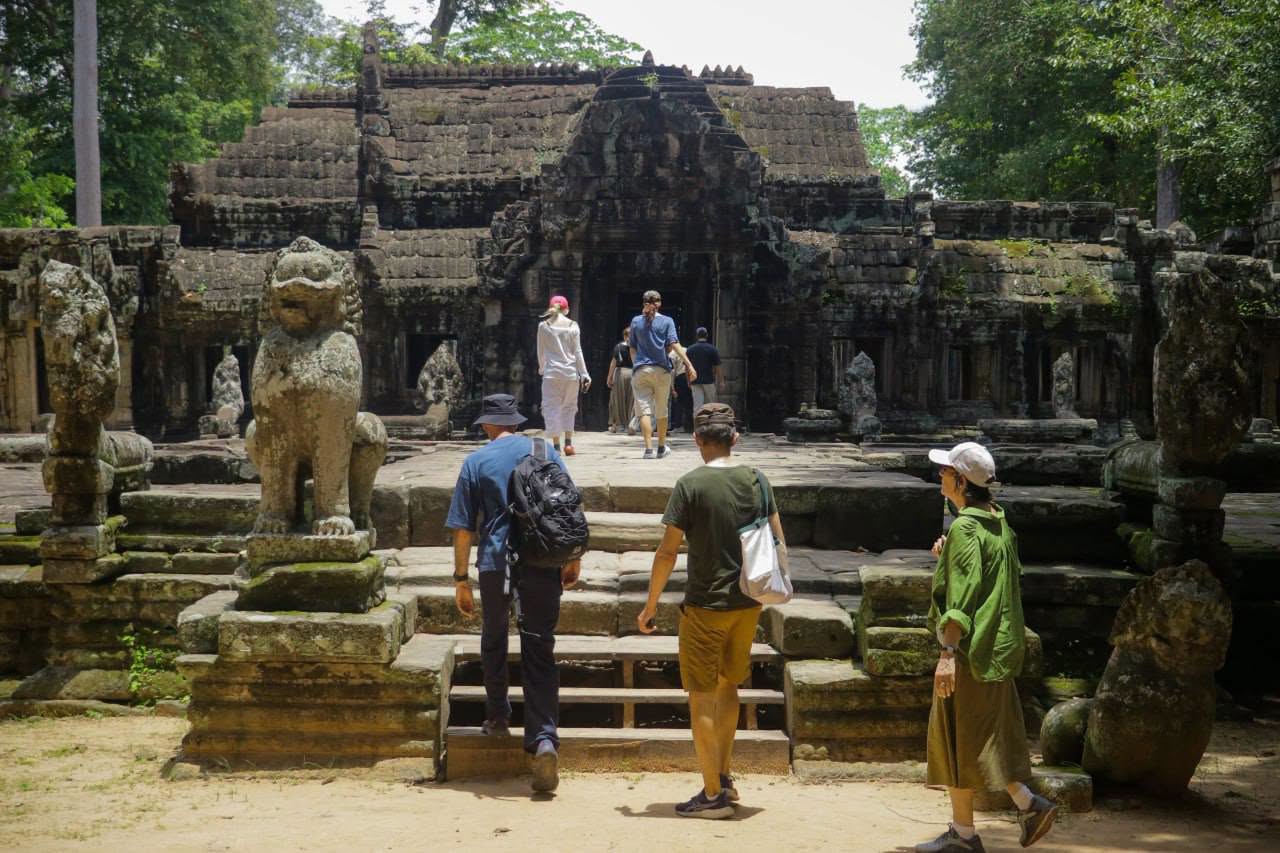
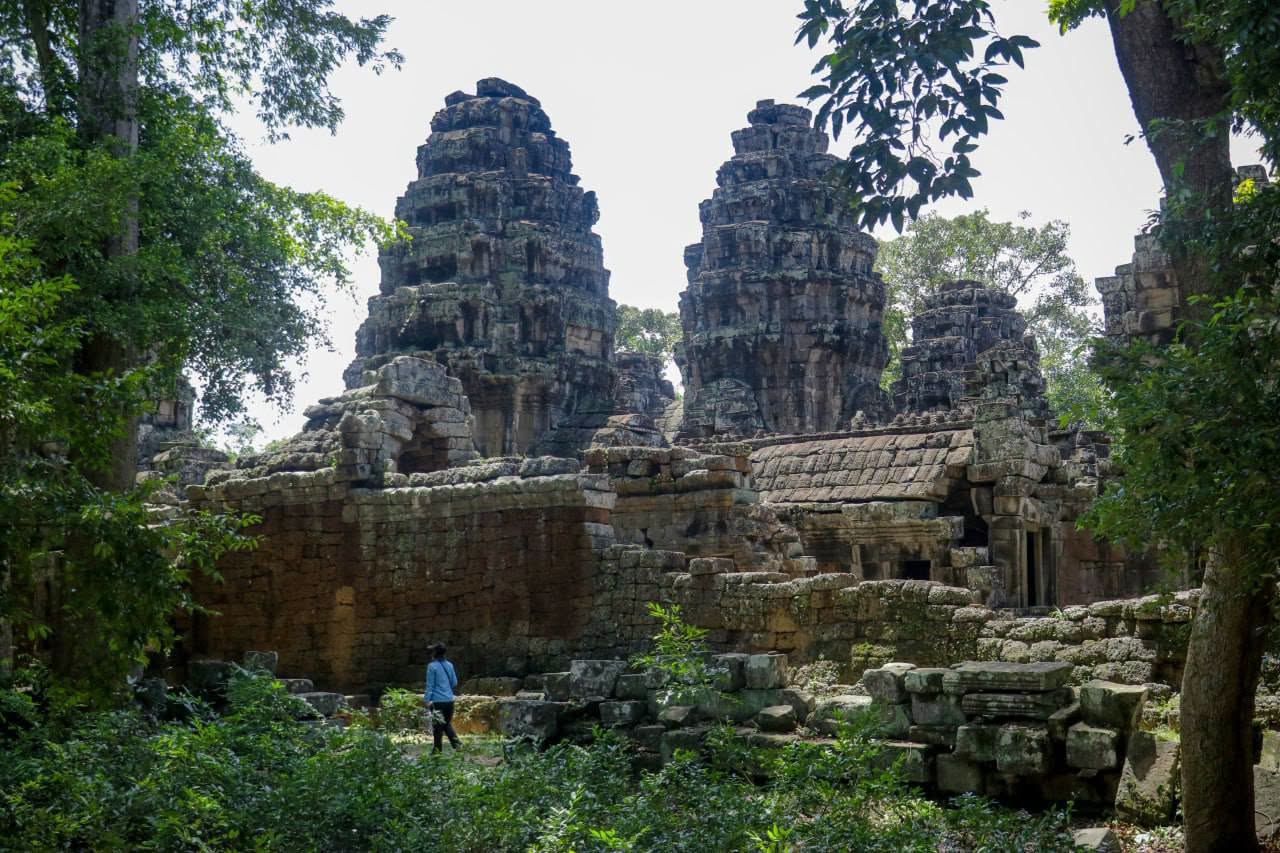
When visiting the ancient temples of Angkor, most people think of religious places of worship. But Banteay Kdei played an important role beyond religious ceremonies: it was an educational center, a living museum and part of an orderly urban system during the flourishing Angkor Empire, according to the APSARA National Authority.
Banteay Kdei is situated south of Ta Prohm and directly opposite Srah Srang. It was built in the late 12th century during the reign of King Jayavarman VII and dedicated to Mahayana Buddhism.
From historical and linguistic perspectives, “Banteay Kdei” may mean a “center of monastic cells” or an “assembly of learning centers.” It was not only a monastery where monks lived and practiced Buddhism, but also an educational center where students and novice monks studied religion, philosophy and the general knowledge of the time.
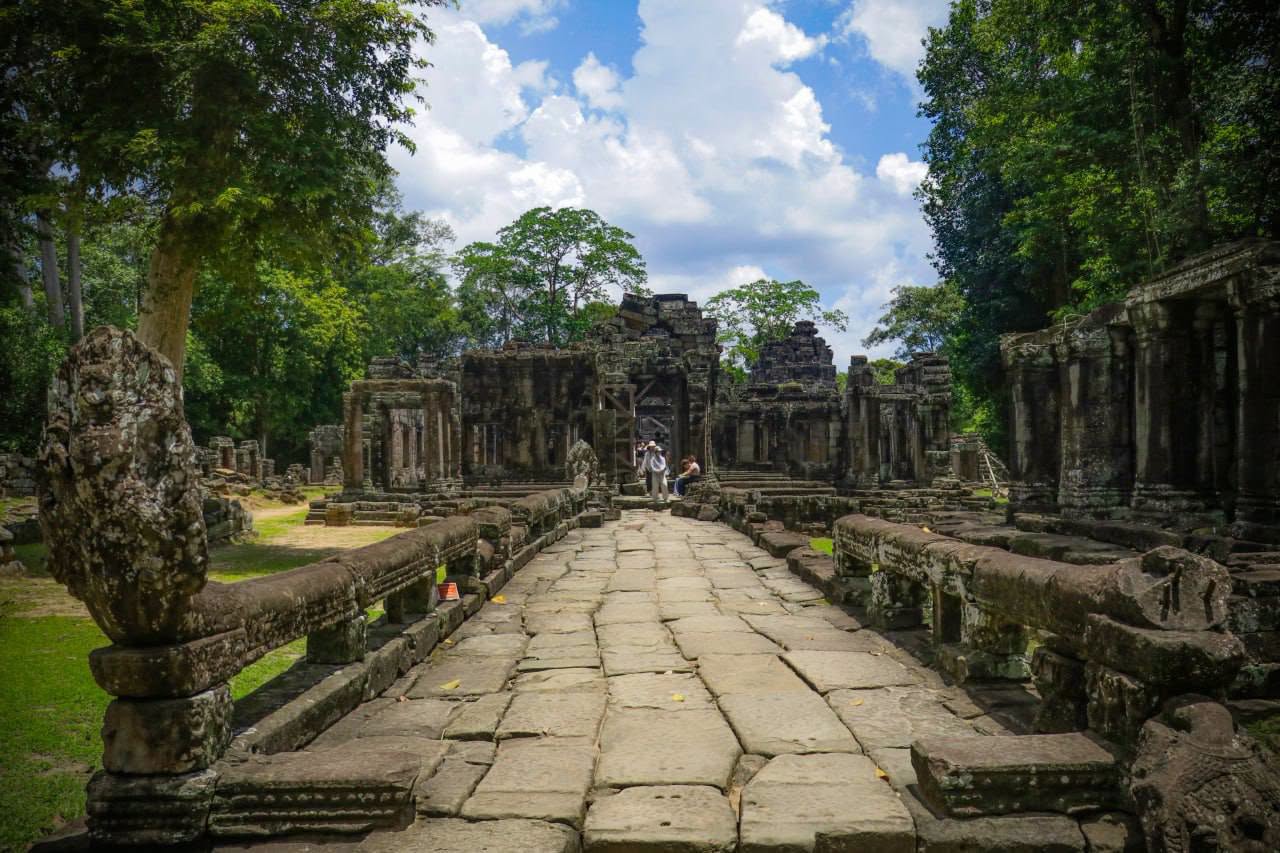
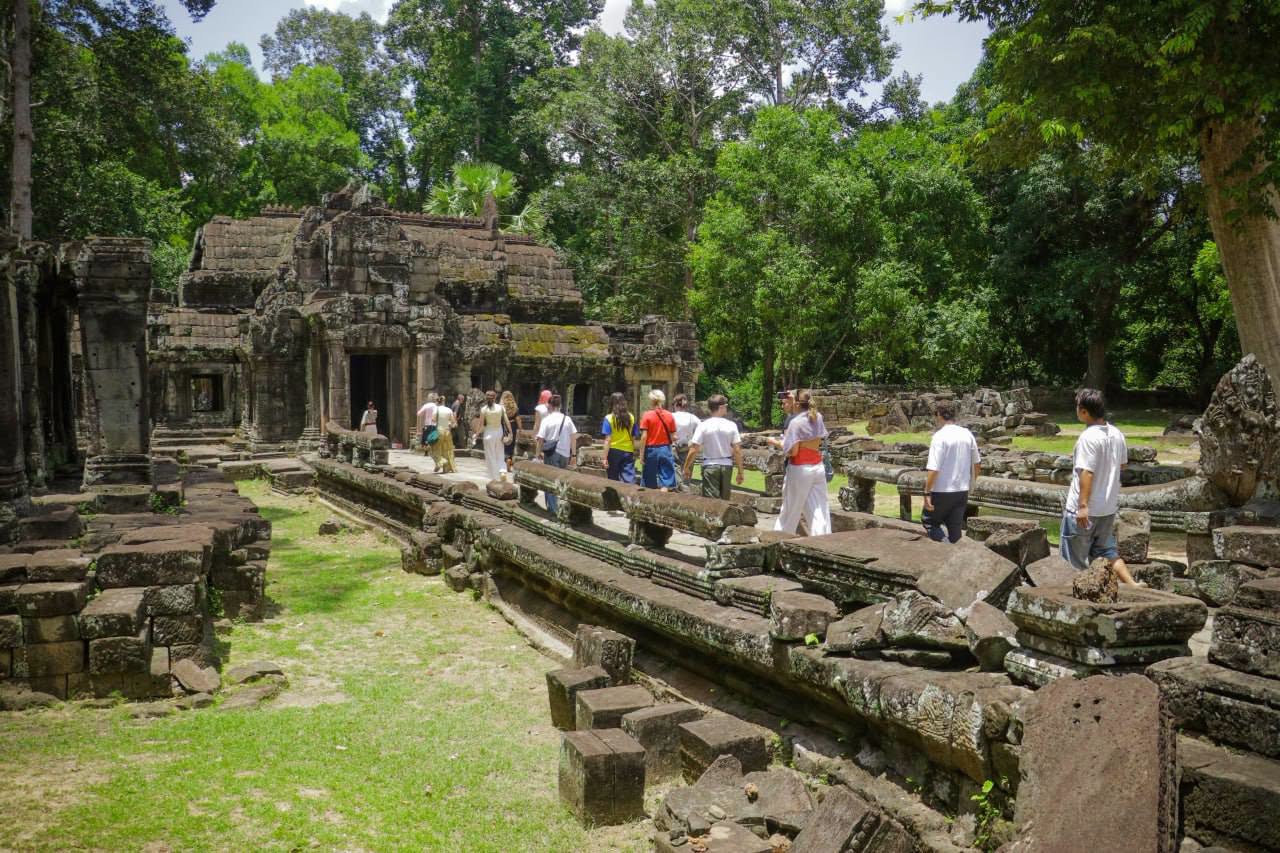
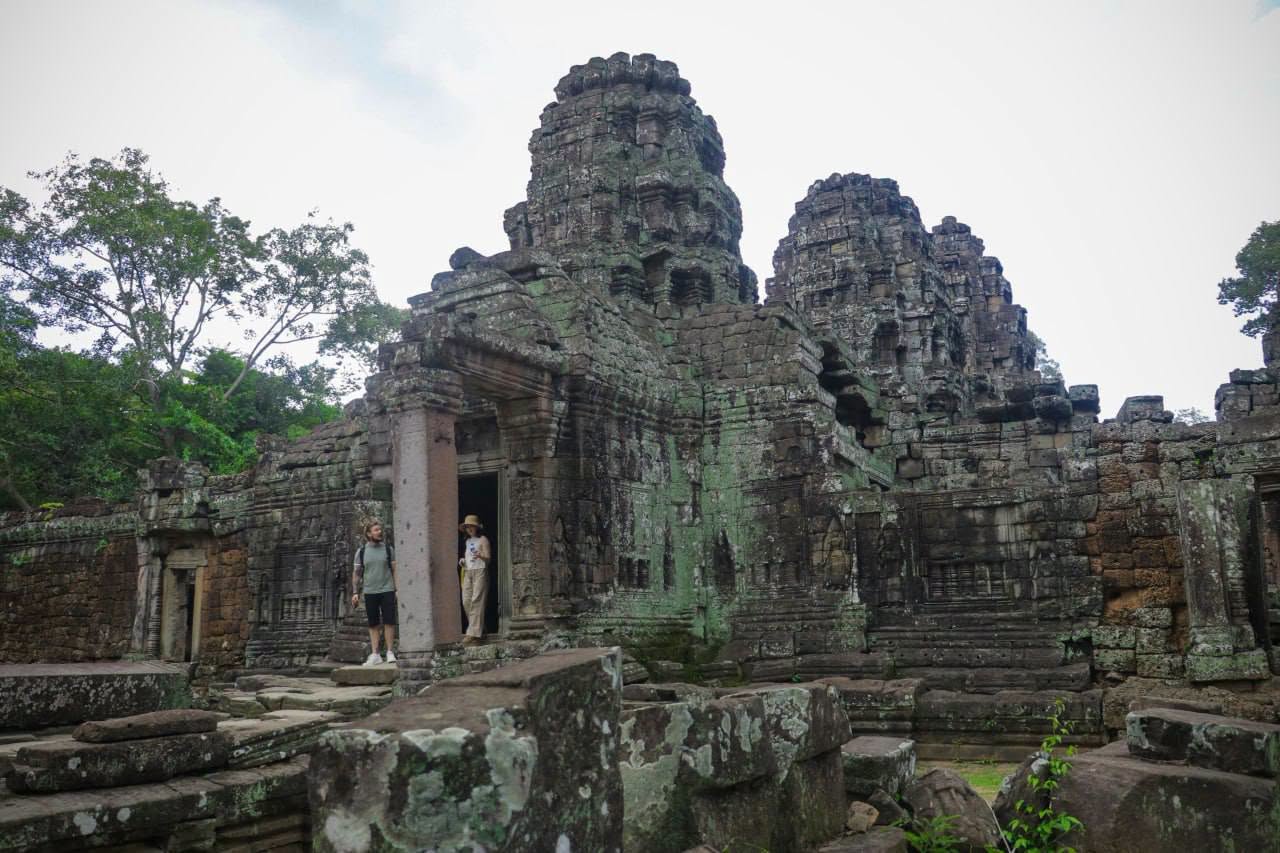
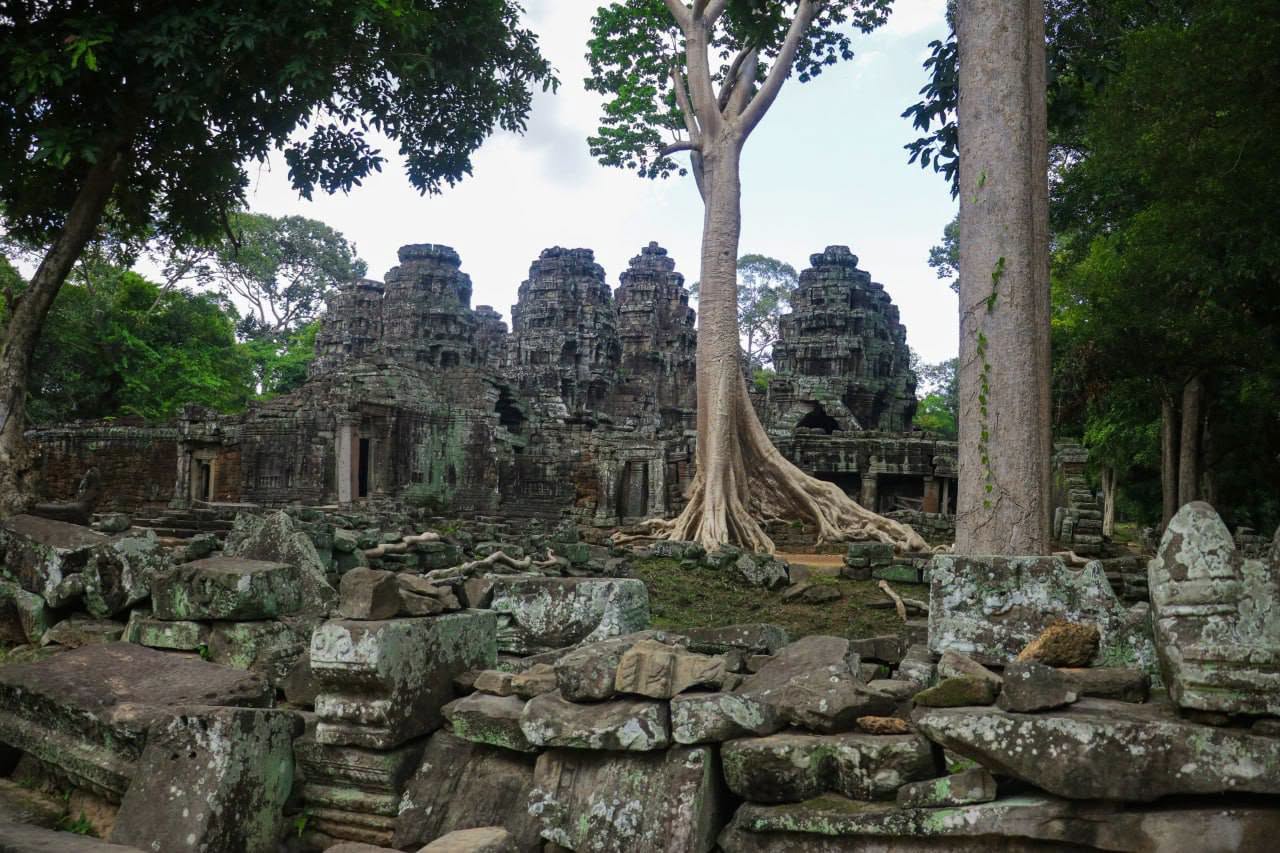
Built in the Bayon style from sandstone and laterite, Banteay Kdei resembles Ta Prohm and Preah Khan, but is of a moderate size, with an orderly plan and spacious grounds.
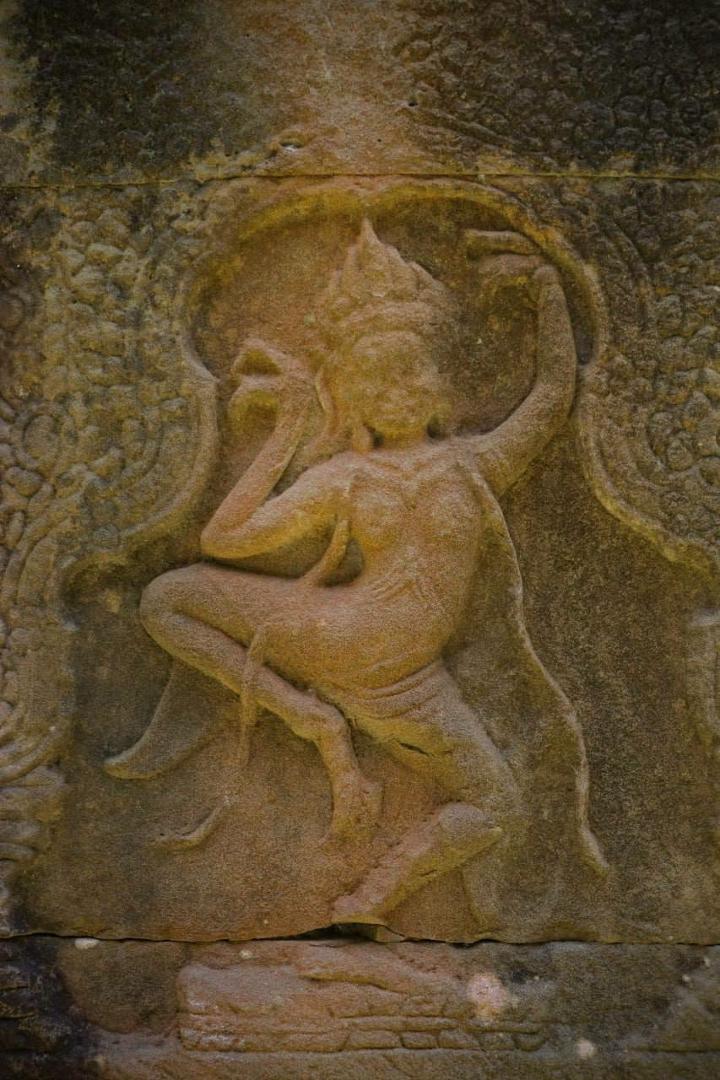
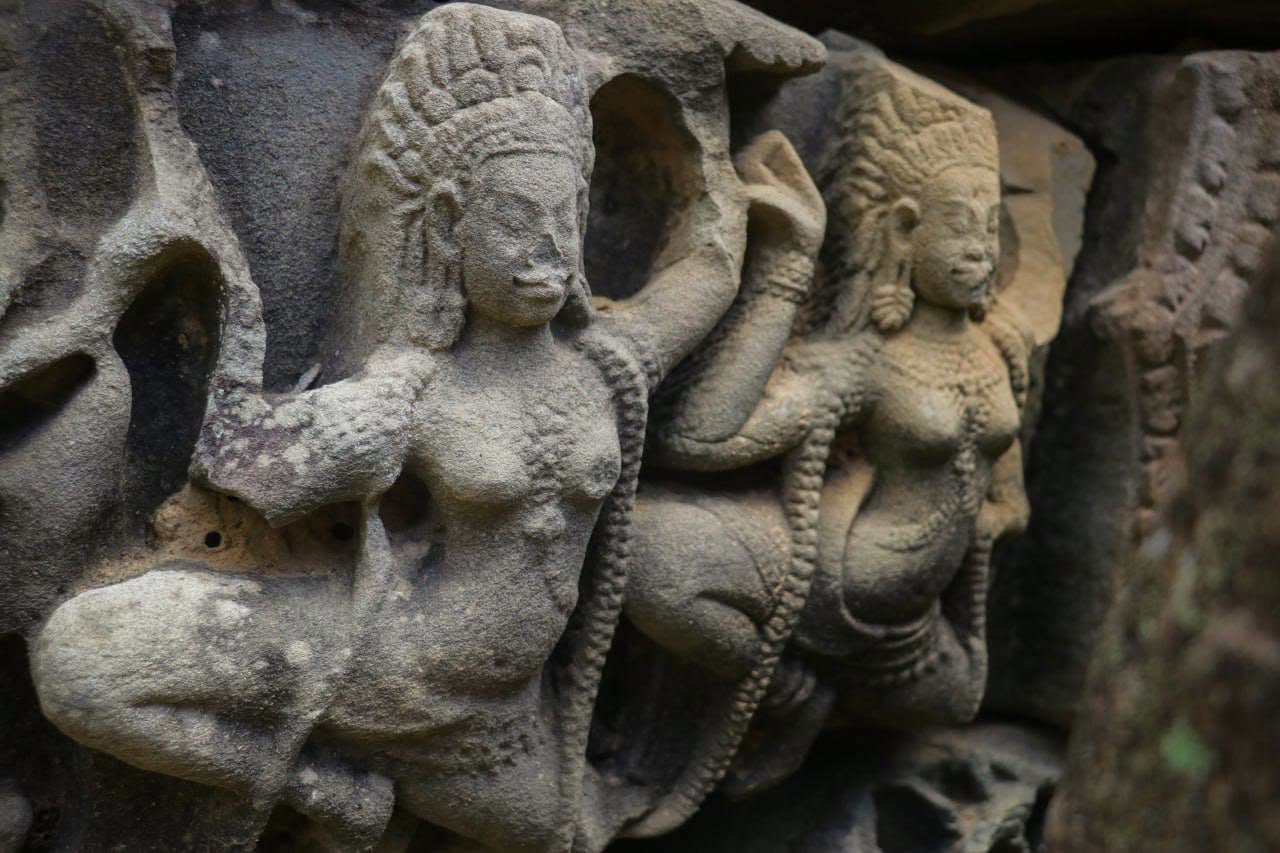
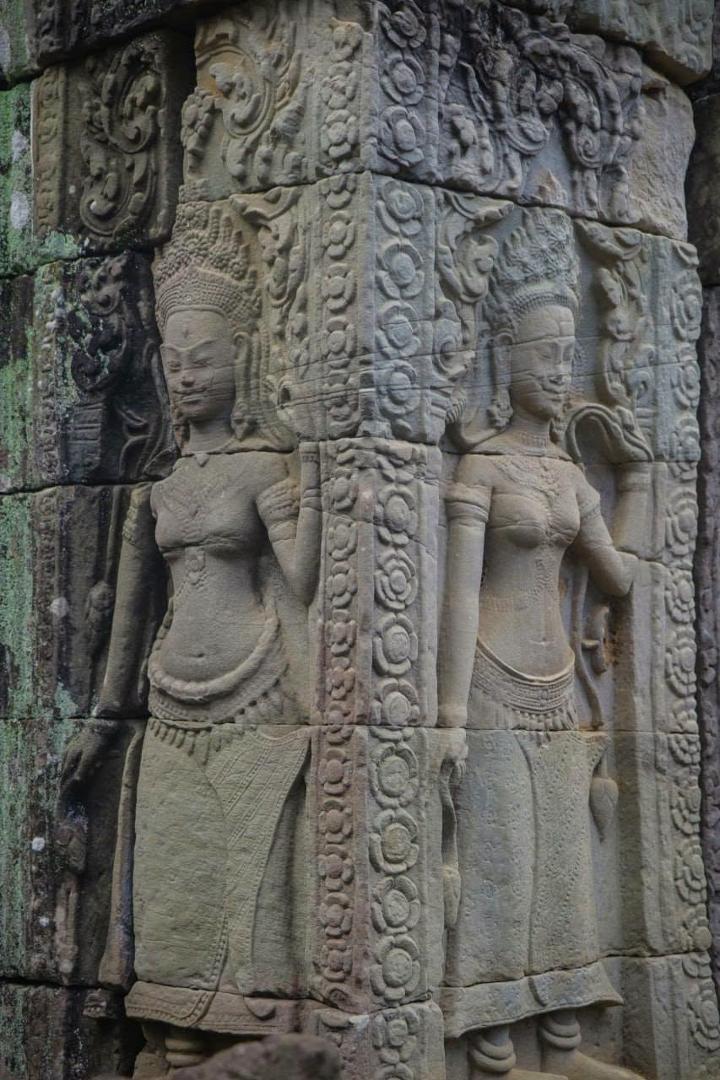
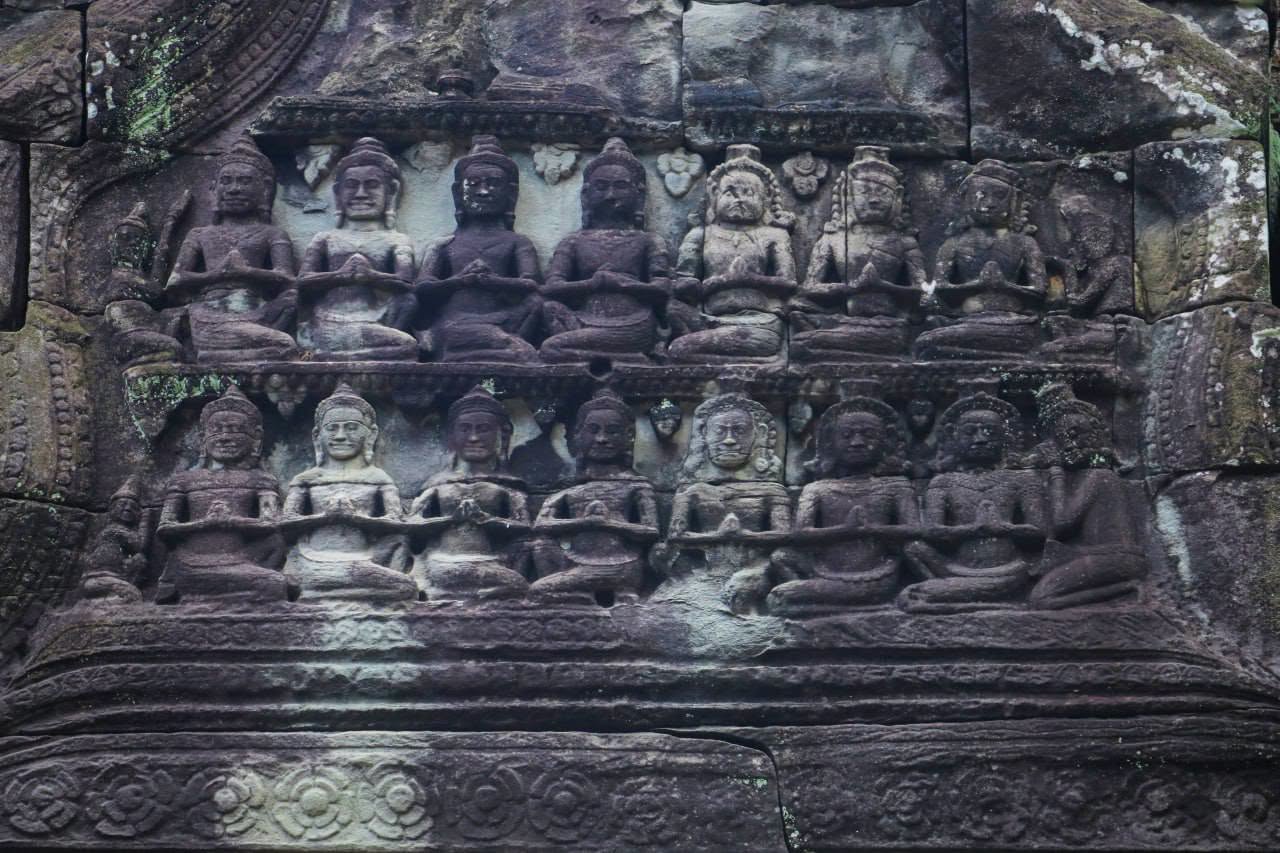
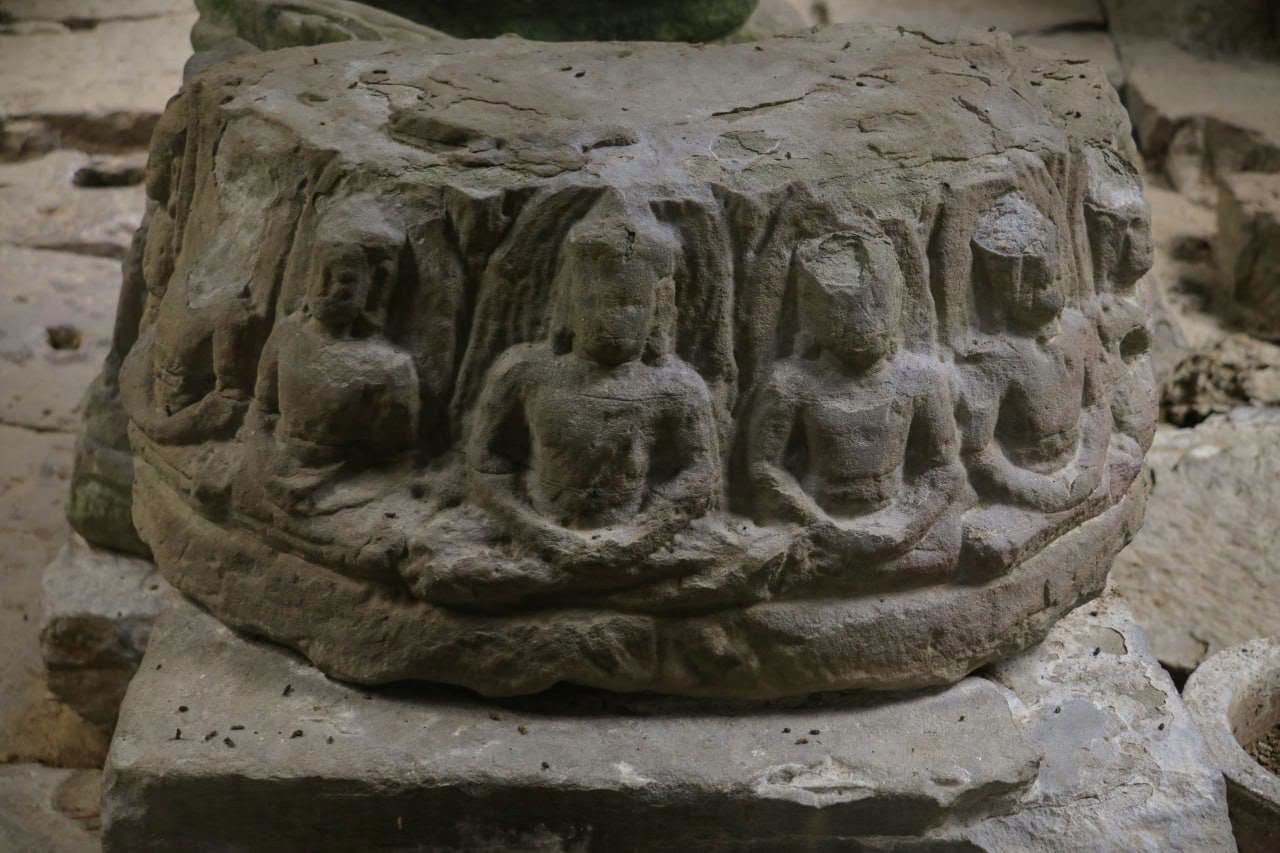
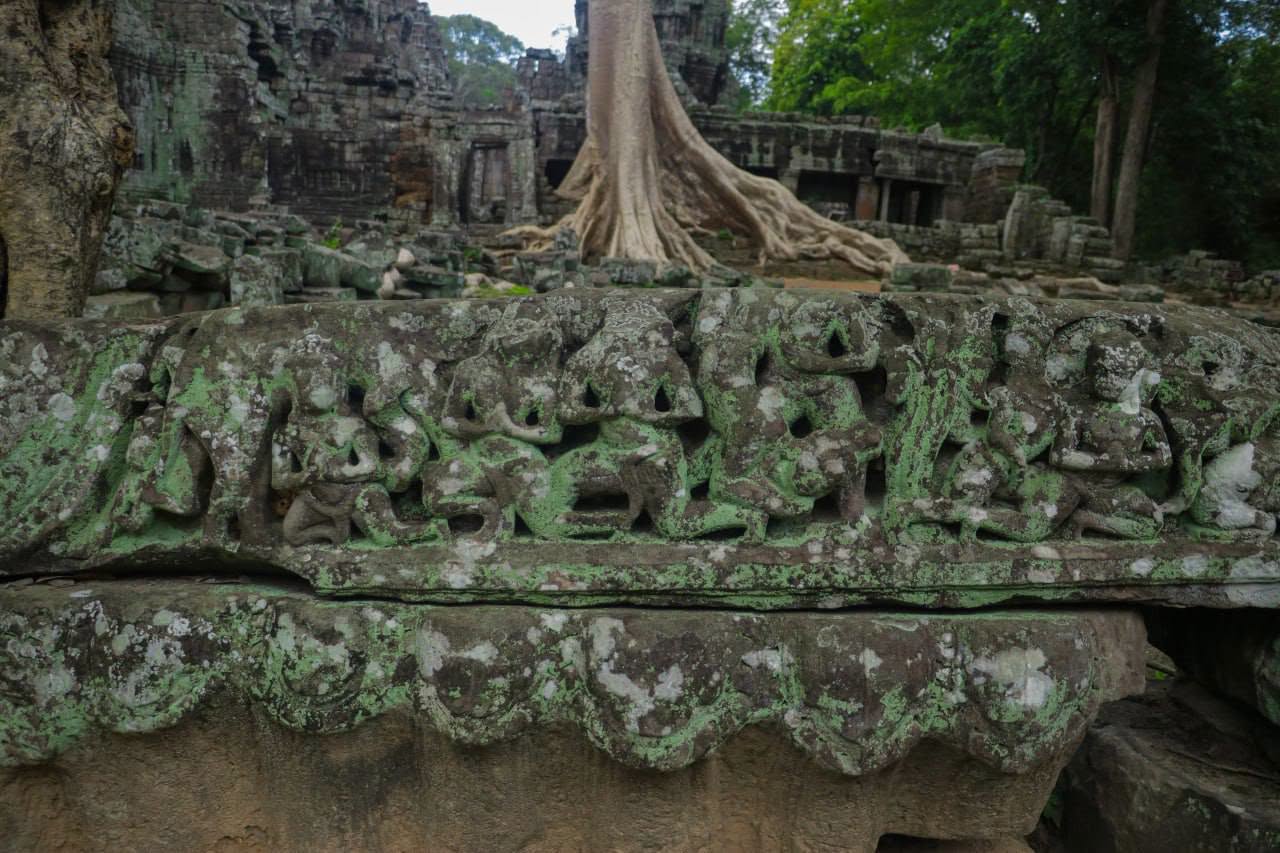
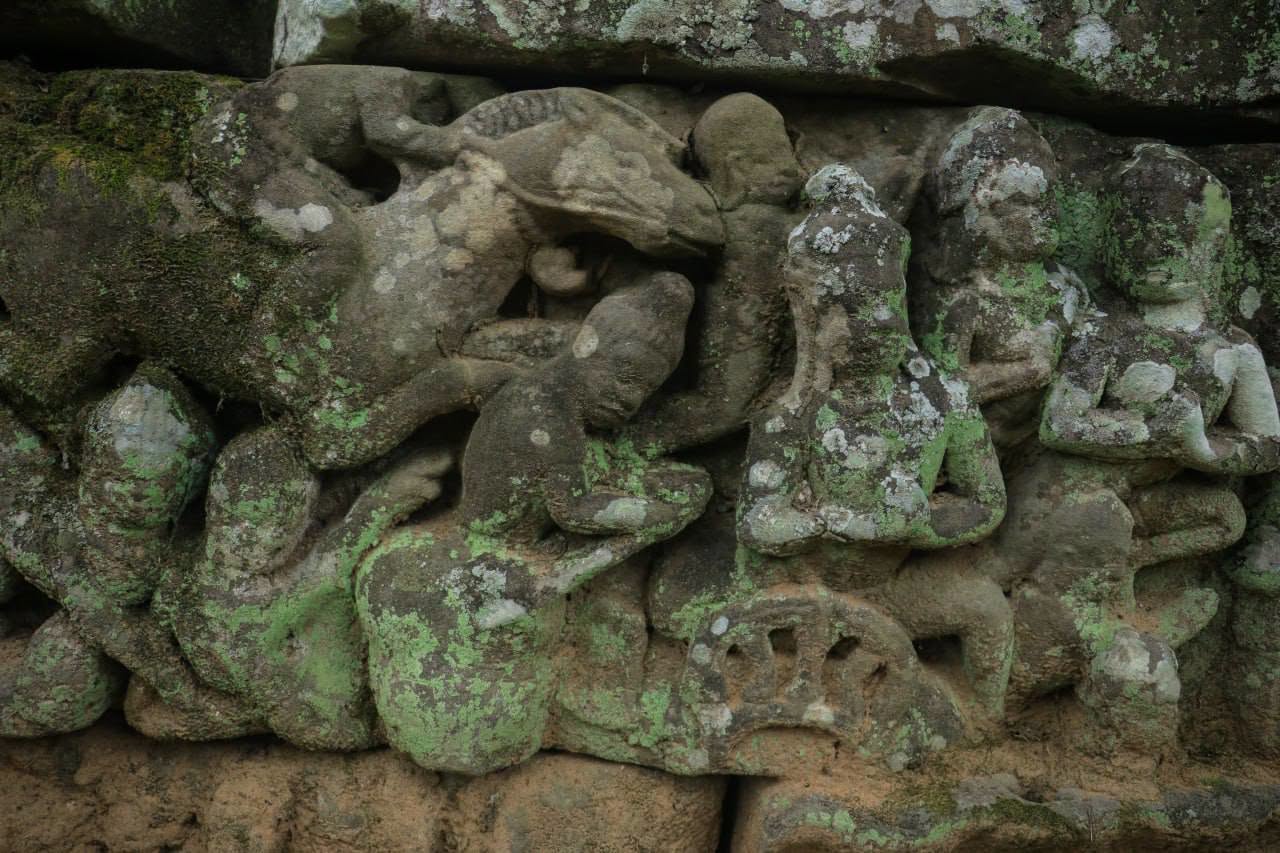
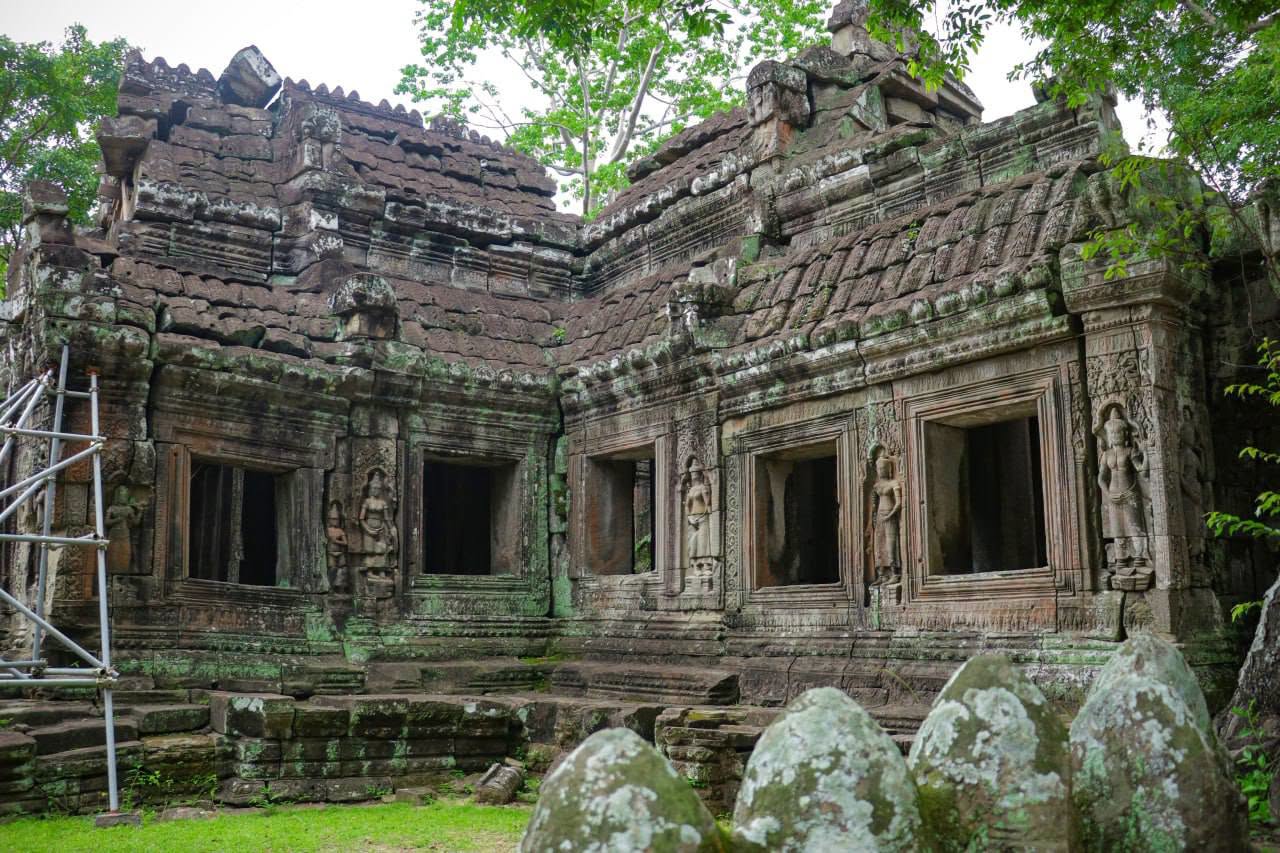
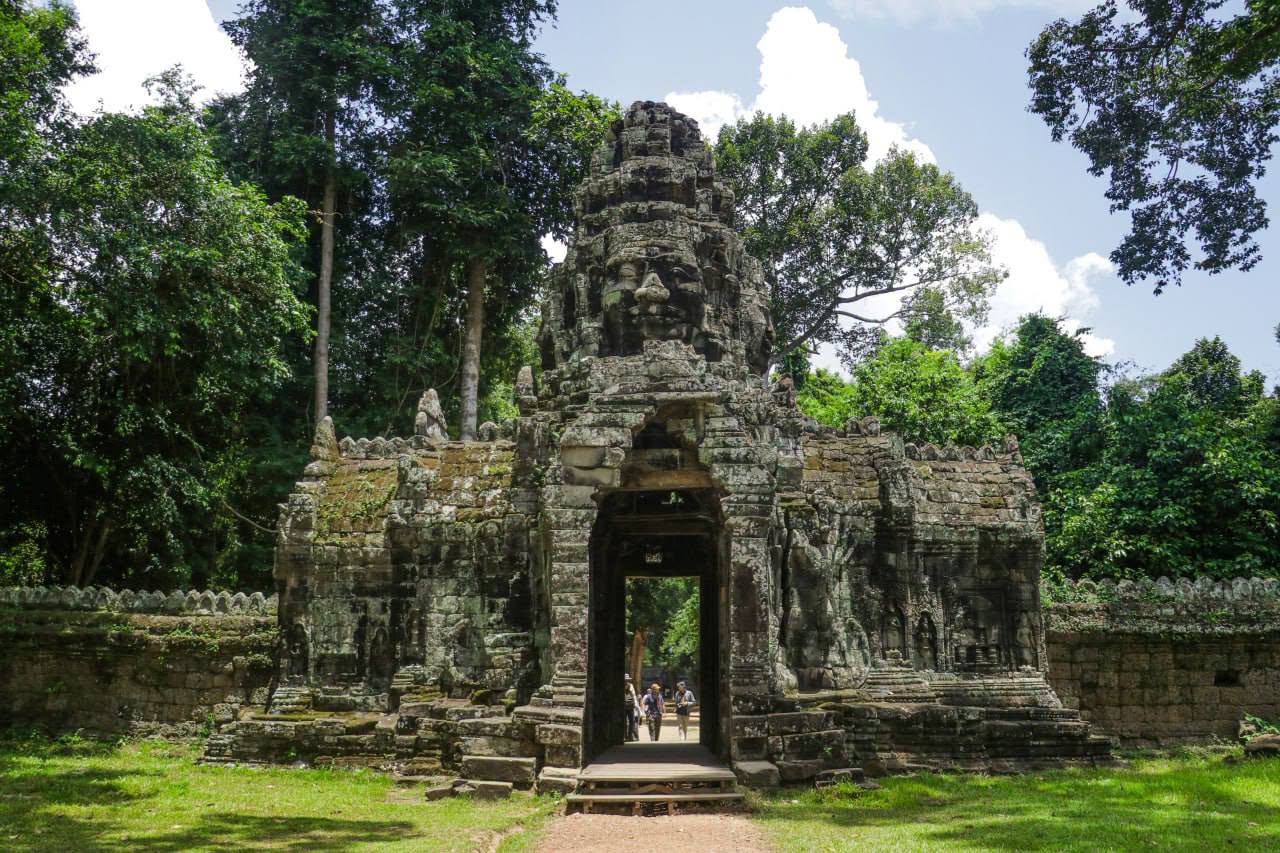
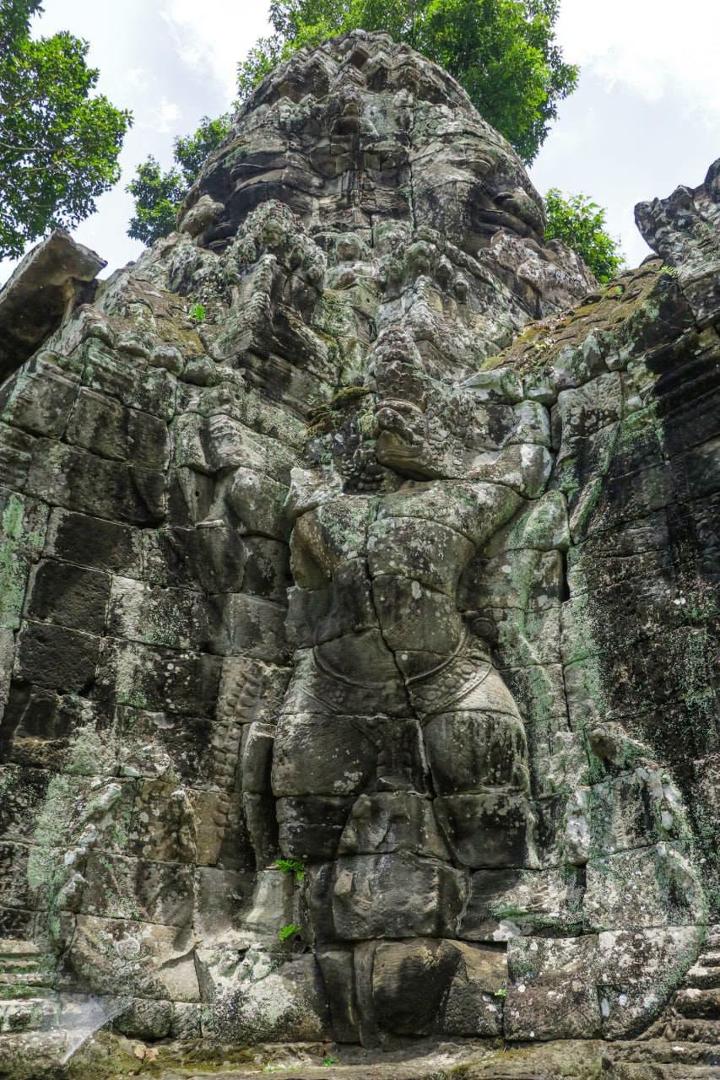
The four entrance gates are decorated with gently smiling, four-faced Brahma carvings above, expressing compassion and guardianship of the realm, like those at Bayon and the gates of Angkor Thom. A notable feature is the “Hall of Dancers,” whose pillars and pediments are adorned with beautiful dancing apsara carvings. According to research cited in the account, these are not simply ordinary apsaras, but “Yoginis,” or deities of spiritual practitioners, dancing to offer blessings and heavenly praise to the Bodhisattvas, creating a sacred and auspicious atmosphere at the entrance to the sanctuary.
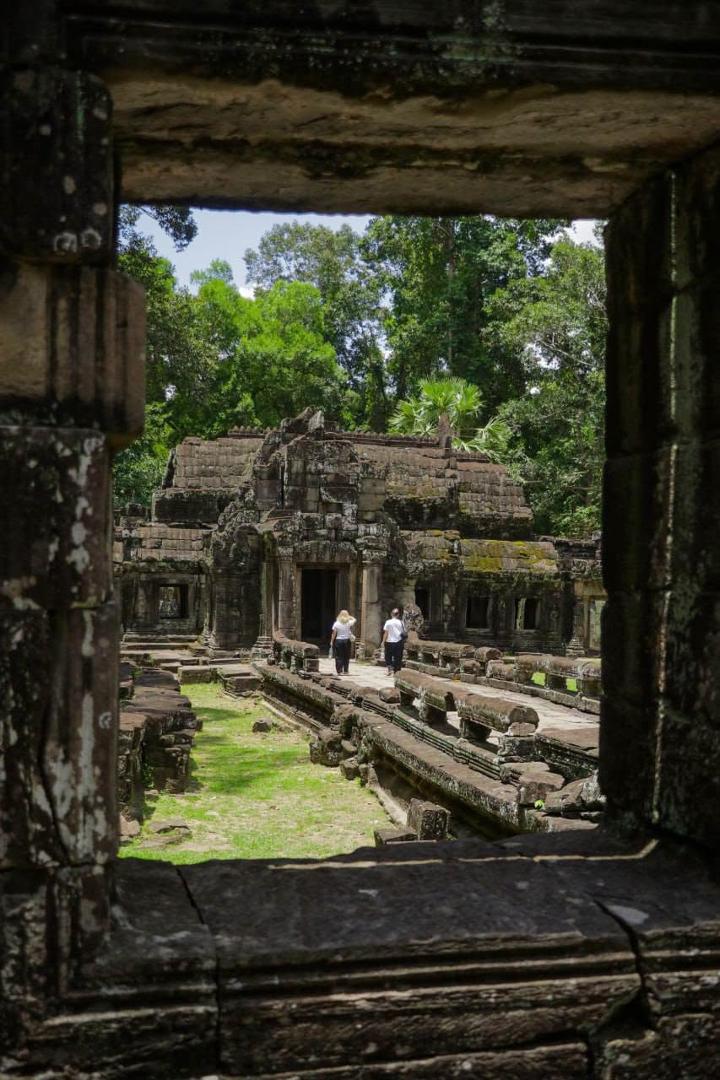
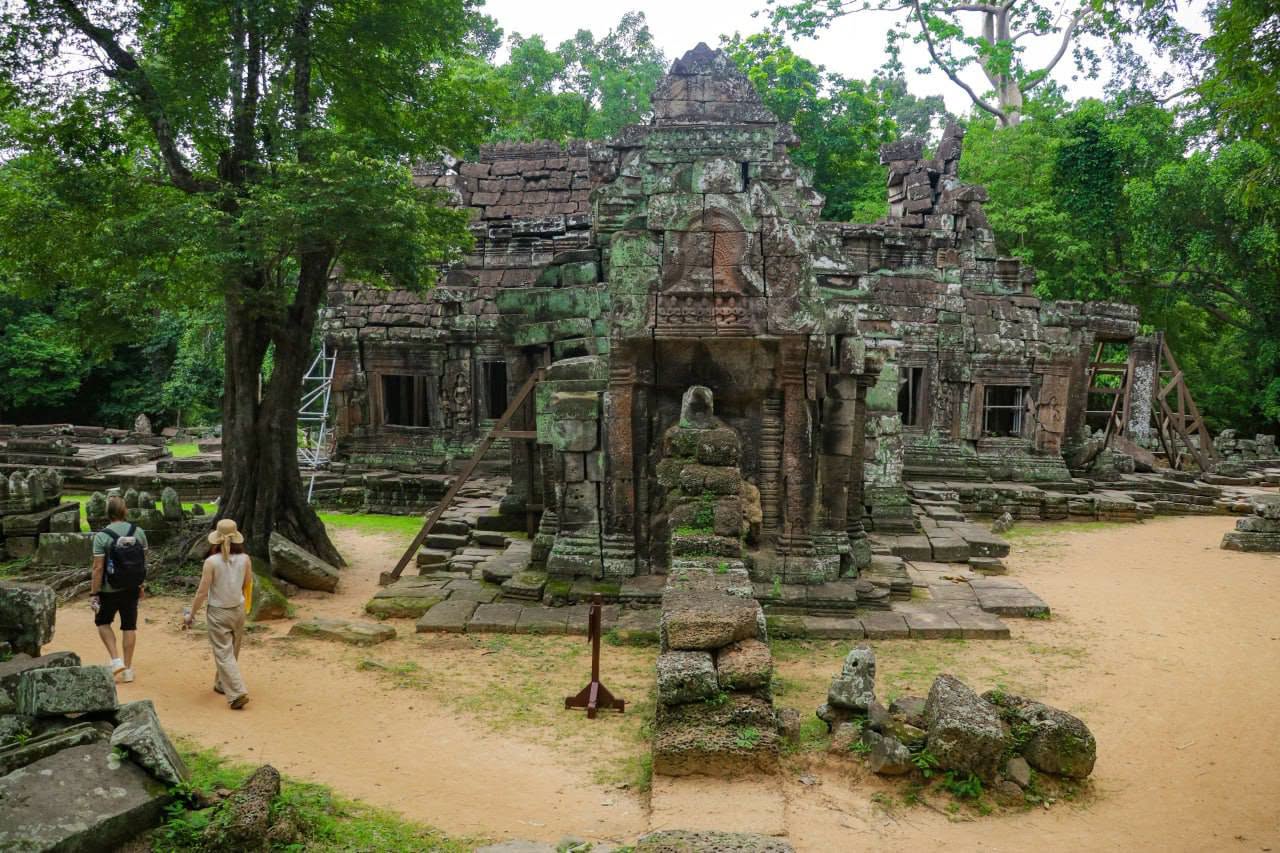
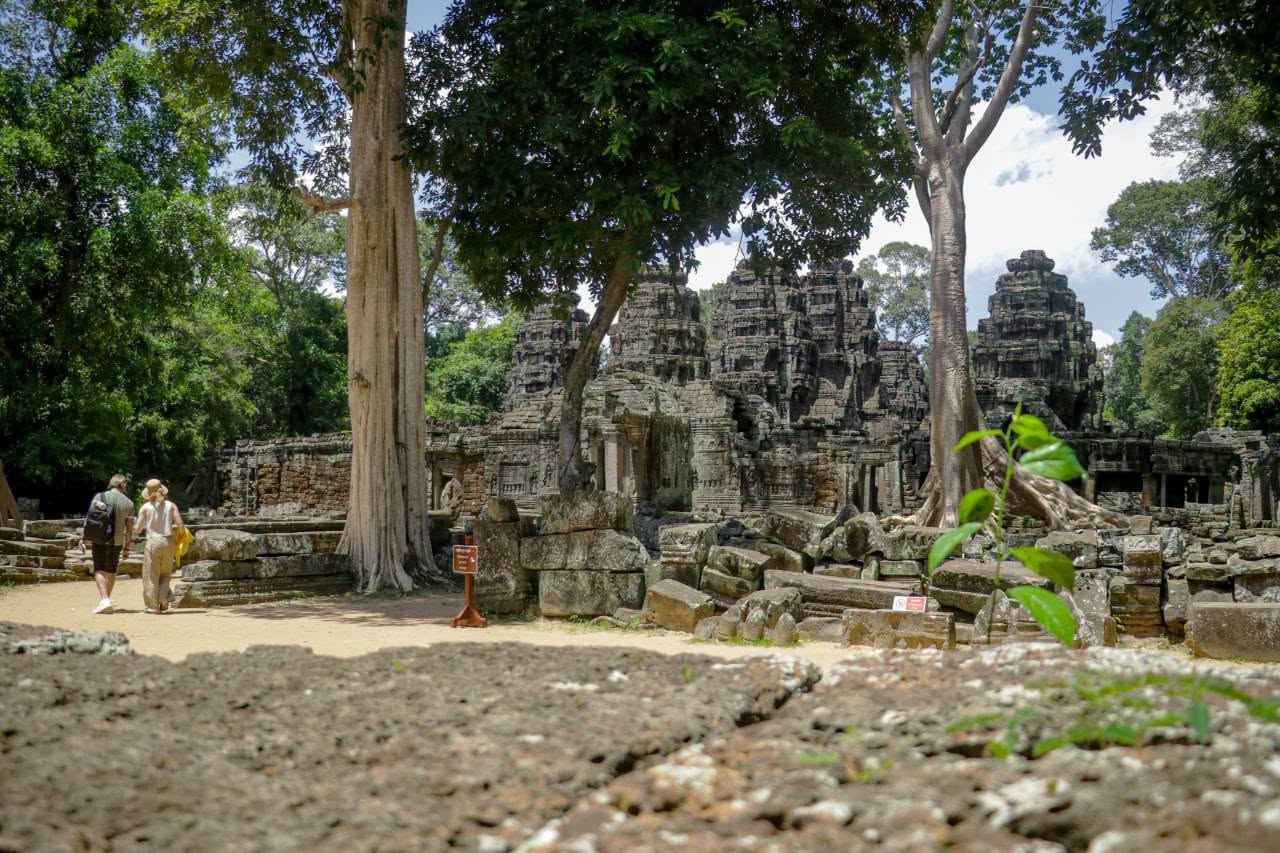
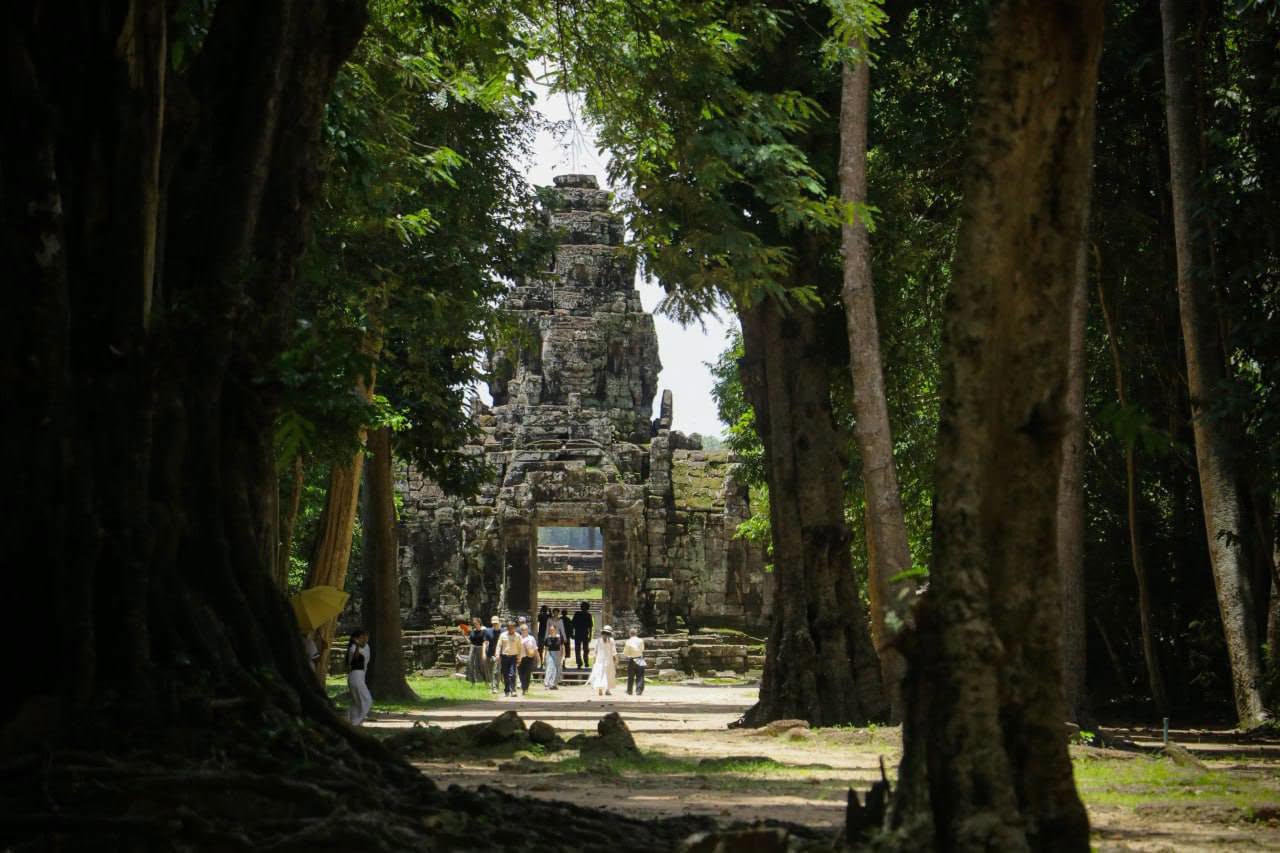
Unlike the crowds at Angkor Wat or Bayon, Banteay Kdei offers a peaceful and pleasant atmosphere, ideal for a detailed visit, studying carvings, learning about an ancient educational center and taking souvenir photographs.
Large trees growing among ruined stone structures create a remarkable landscape full of mystery and antiquity. The best times to visit are early morning and afternoon, when sunlight passes through the branches and casts delicate light and shadow on the stone walls.
After exploring and studying Banteay Kdei, visitors need only cross the road to reach Srah Srang, a large artificial reservoir. It is a suitable place to relax, enjoy fresh air, and watch the sunrise or sunset reflected on the water.
Banteay Kdei is not only a religious monument or valuable historical heritage, but also living testimony to the educational system, urban development, flourishing arts and Khmer civilization of the Angkor era. It is a place for Cambodians and researchers to learn about and take pride in the past.
By: ង៉ែត ពិសាន្ត