Kep
High-quality coastal tourism and specialty agriculture.
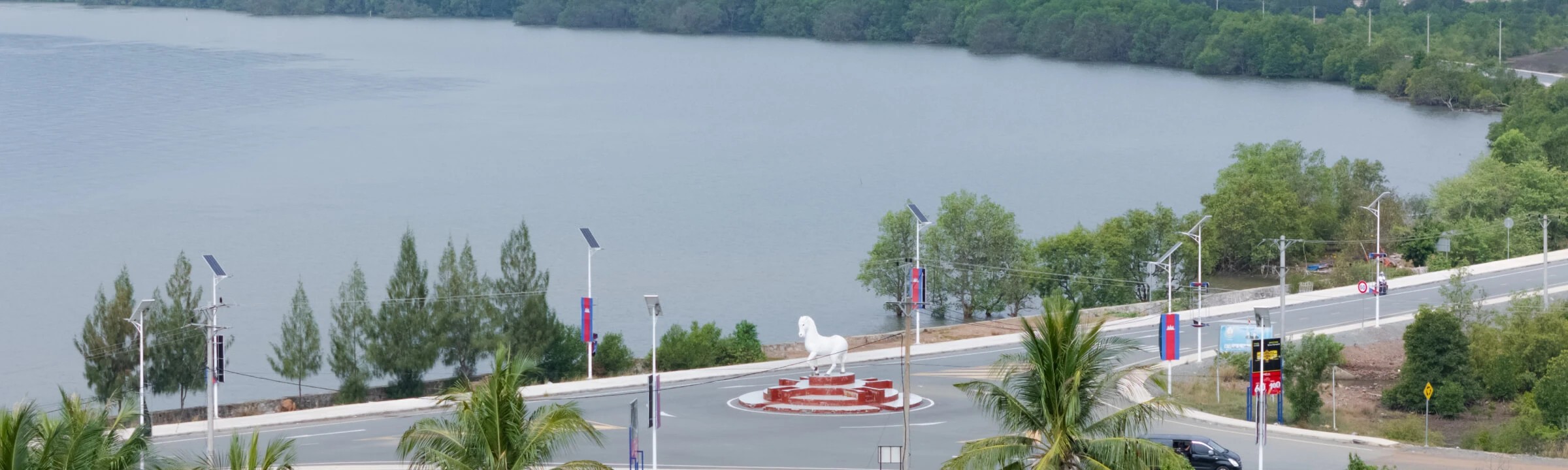
Kep’s development directions focus on high-quality coastal tourism, including wellness, nature and cultural experiences, alongside specialty agriculture and southern tourism connections with Kampot.
Tourism centred on coastal experiences
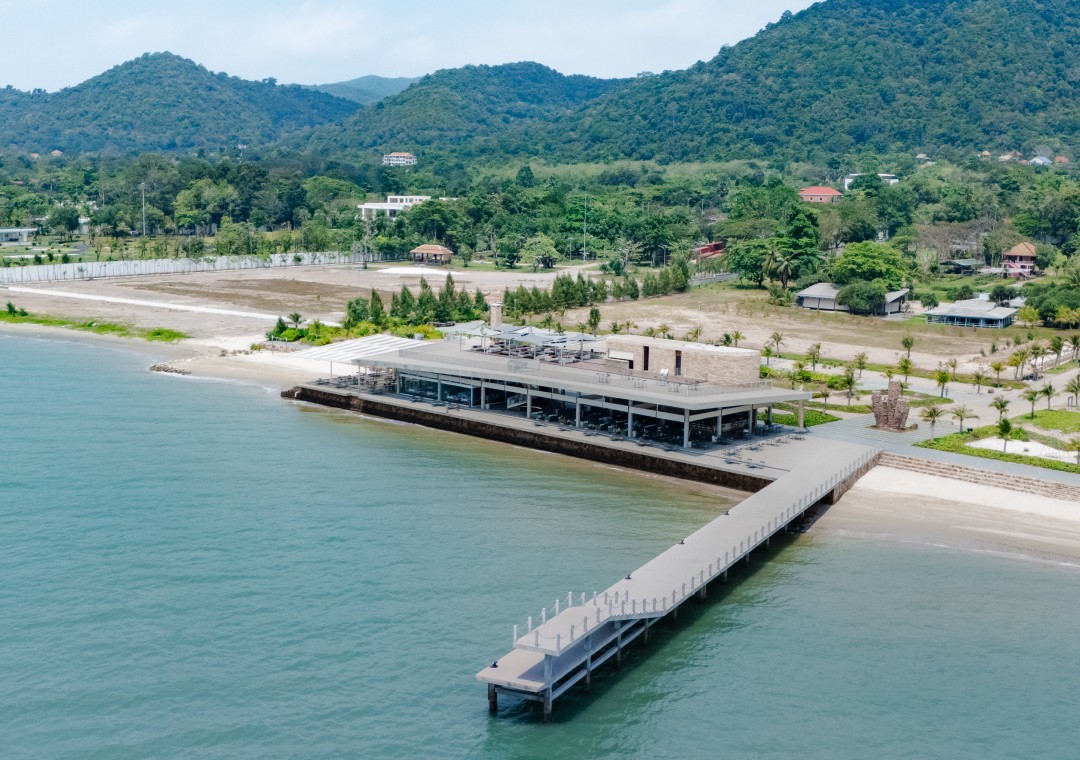
Kep’s tourism settings include Kep Beach, the national park, the Crab Market and Koh Tonsay (Rabbit Island). Business activities may extend beyond accommodation to food services, nature guiding, wellness, bookings and island transfers. Protection requirements, seasonal access and operating permissions differ by location; an attraction’s name does not establish an open investment project.
Seafood, salt and food experiences
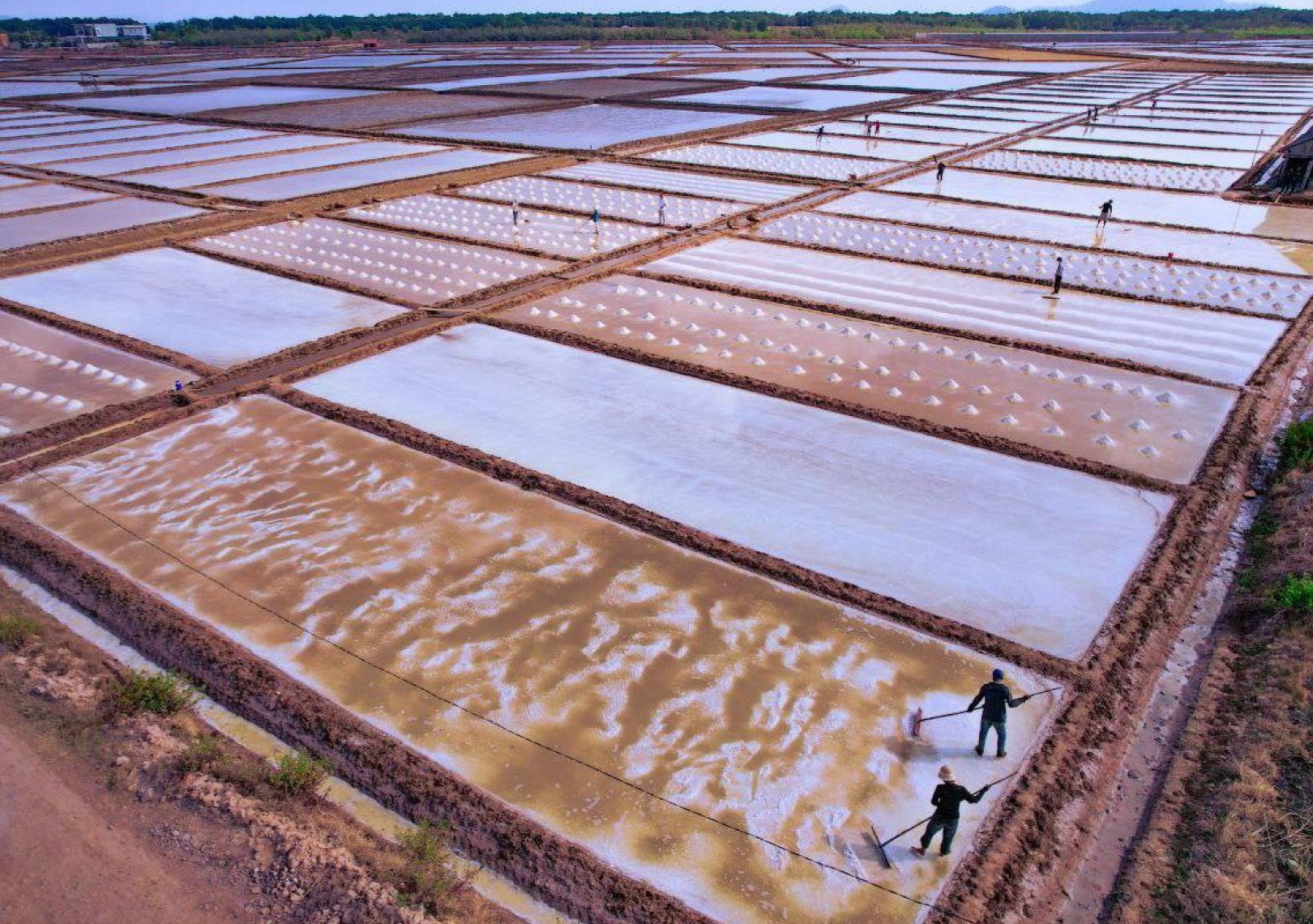
Crab, shrimp, squid, fish and traditional sea salt connect production, markets and tourism consumption. Sorting, hygienic packaging, refrigerated delivery, drying and restaurant supply offer more specific areas to study than agriculture in general. Check sourcing, seasonality, hygiene and supply continuity; an active market does not establish the presence of large-scale processing facilities.
Connections with Kampot
Kep’s links with Kampot can be assessed through agricultural sourcing, hospitality and regional travel itineraries. Coastal landscapes, salt fields and land around the national park have different uses and constraints. Check actual roads, water, electricity, wastewater, parking and transfers, and distinguish proposed facilities from contractual delivery commitments.
Turn a project idea into verifiable questions
Before enquiries, specify the activity, required area, visitor or production capacity, construction approach and expected staffing. Confirm rent, tourism permissions, food-processing requirements and QIP applicability separately with the relevant administrative or sector channels. Use the business-registration and QIP guides to prepare enquiries before contacting the responsible office for the specific project.
Continue exploring