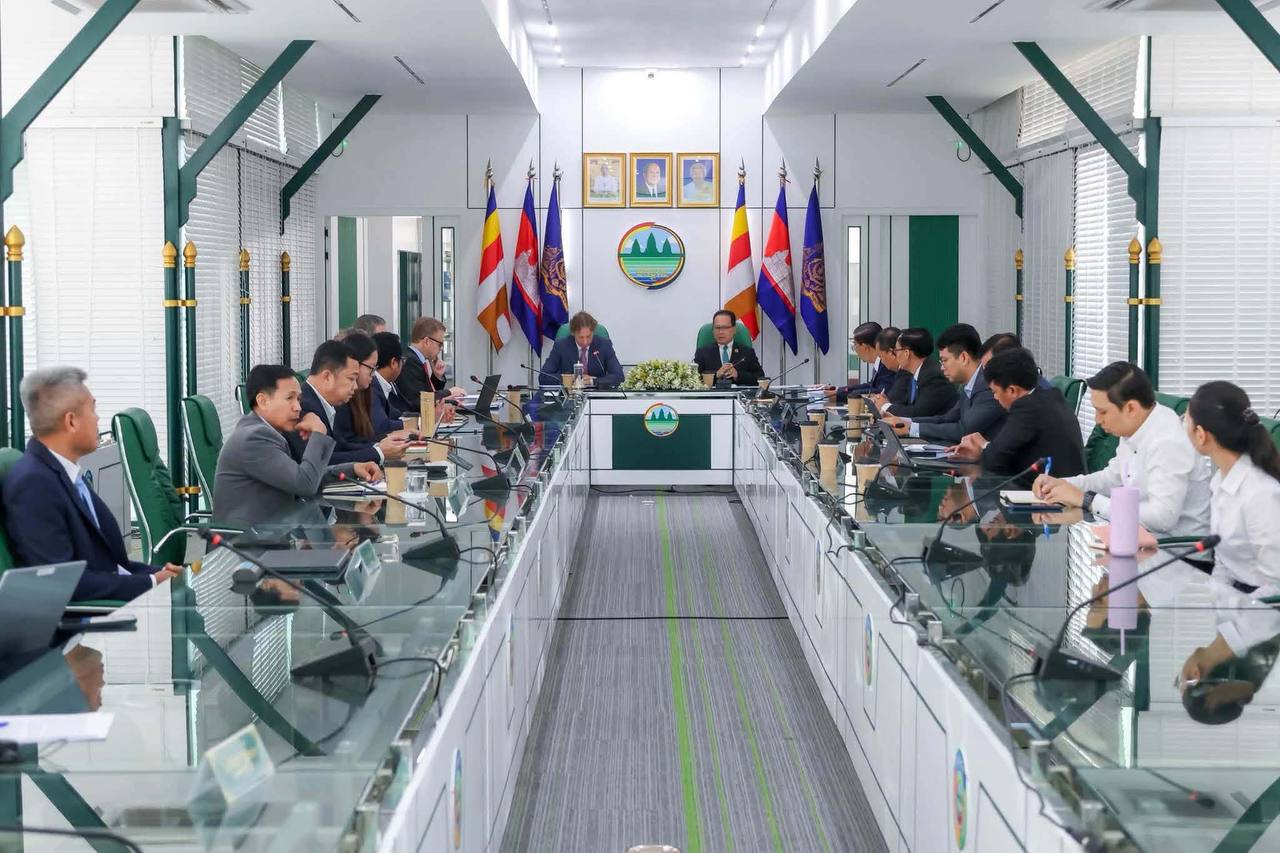
At the 2nd meeting of the Steering Committee of the Plastic Smart Cambodia project, held on 21 October 2026 at the Ministry of Environment headquarters, His Excellency Igor DRIESMANS, Ambassador of the European Union to Cambodia, said that the European Union and its partners in Cambodia are working together on the transition toward a green economy and the reduction of plastic pollution. He highlighted the Plastic Smart Cambodia project, which has promoted better waste sorting, proper storage, and the smart recycling of materials for reuse.
Without thoughtful response measures, the above problem would emit approximately 9.3 million tonnes of greenhouse gases. Under Cambodia's climate plan (NDC 3.0), Cambodia has set a target to reduce greenhouse gas emissions by 3.9 million tonnes, representing a 59% reduction by 2035. To achieve this target, additional cooperation from the European Union with Cambodia is needed.
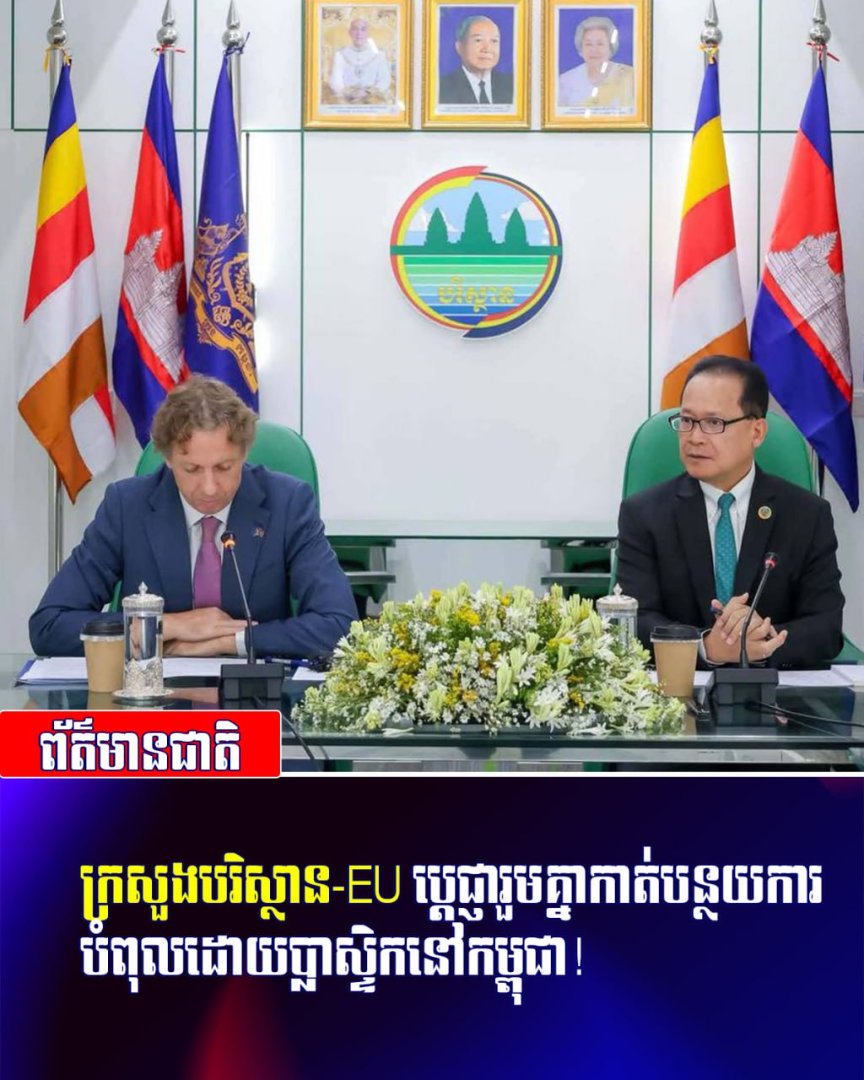
On the occasion, His Excellency Dr. Eang Sophalleth, Minister of Environment, highly evaluated the project, which has contributed to cleanliness in Cambodia, in line with the policies and strategies of the Royal Government of Cambodia, including the implementation of the Circular Strategy on Environment, launched three years ago, with more than 14 million participants/units in the campaign "Today, I do not use plastic bags." The campaign, which originated from the commitment of students across the country, is a powerful force that drives continued community participation to prevent plastic pollution, an invisible danger to millions of people (caused by microplastics) that is difficult to address without firm measures and actions. The Minister emphasized that the Ministry of Environment has launched many campaigns through cleanliness, with the aim of not only carrying out clean-up activities and reducing the use of plastic, but also intending to build a sustainable culture of not using plastic.
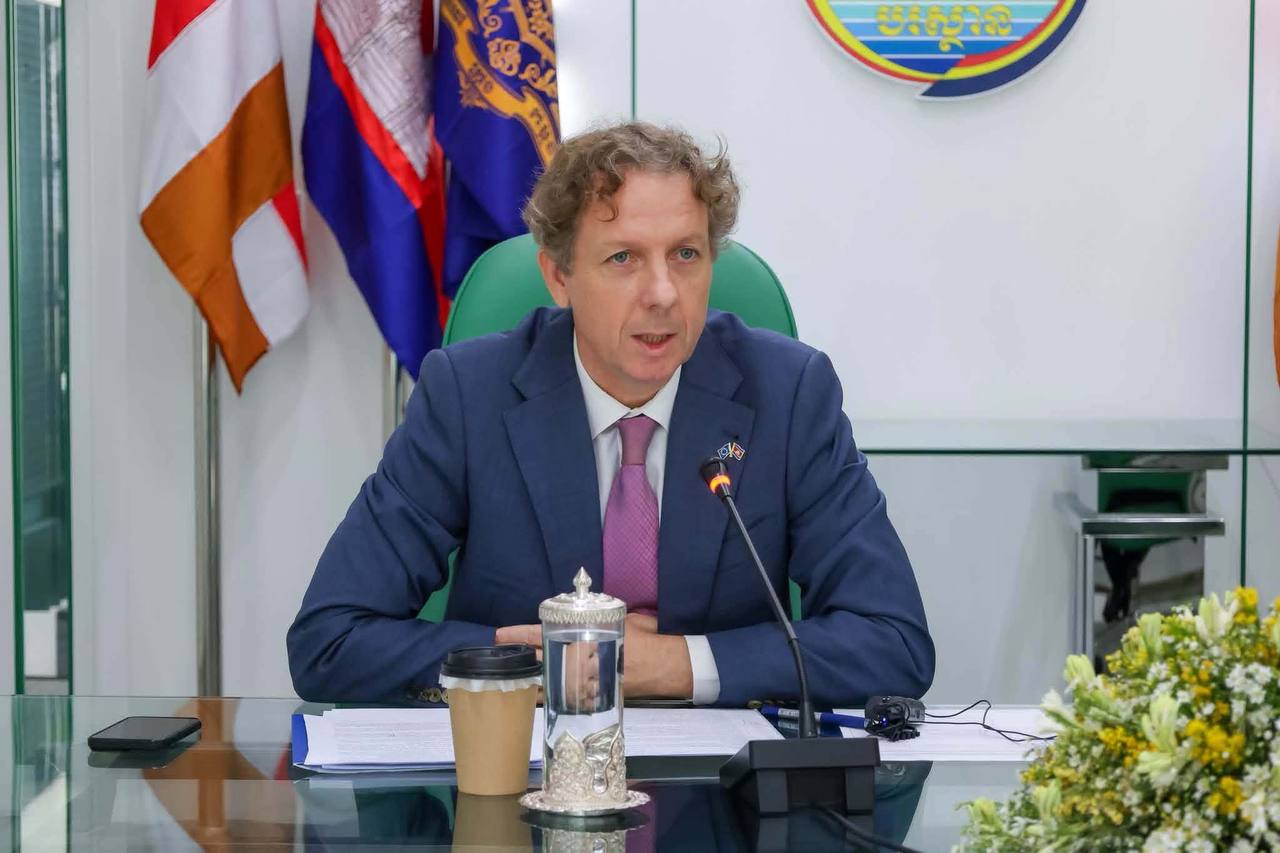
He added that Cambodia has already moved past the "awareness-raising campaign" stage and has entered into commitment and action, and is now moving into a movement to gradually make Cambodia clean.
At the same time, he affirmed the Ministry of Environment's commitment, stating that it does not expect to achieve 100%, but wants Cambodia to be clean in the future, reaching 80% to 90%.
In addition, the Minister mentioned the provision of waste sorting bins (likely three bins at each location) placed at schools, pagodas, health centers, and various public places across the country, totaling more than 60,000 bins. "Students bring plastic waste to school, and the recycling or collection process has turned that waste into income," the Minister added.
Furthermore, the Minister encouraged continued cooperation on the Plastic Smart Cambodia project and support from the European Union and partner organizations with the Ministry of Environment, which share the same goal. At the same time, the promotion of environmentally friendly or naturally biodegradable alternatives to plastic, which require collaboration with private companies and local producers, will become an alternative to plastic and generate income and jobs for local people in a sustainable manner.
It should be noted that in the first 21 months, the Plastic Smart Cambodia project has brought about changes at the local level, while community-targeted policies have enabled local people to organize and capture local economic benefits, moving forward together. The project is providing practical means to reduce plastic pollution and improve waste management at the local level. In the next phase, the European Union also supports attracting quality green investment that can serve as a model for environmental sustainability in Cambodia.
Written by: ស្រីពី