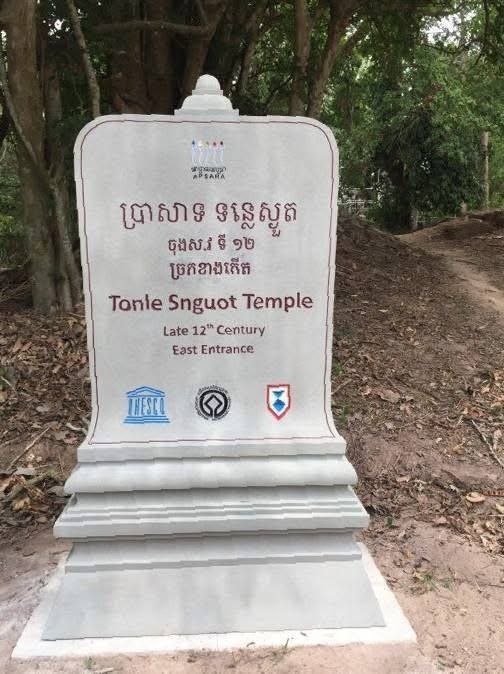
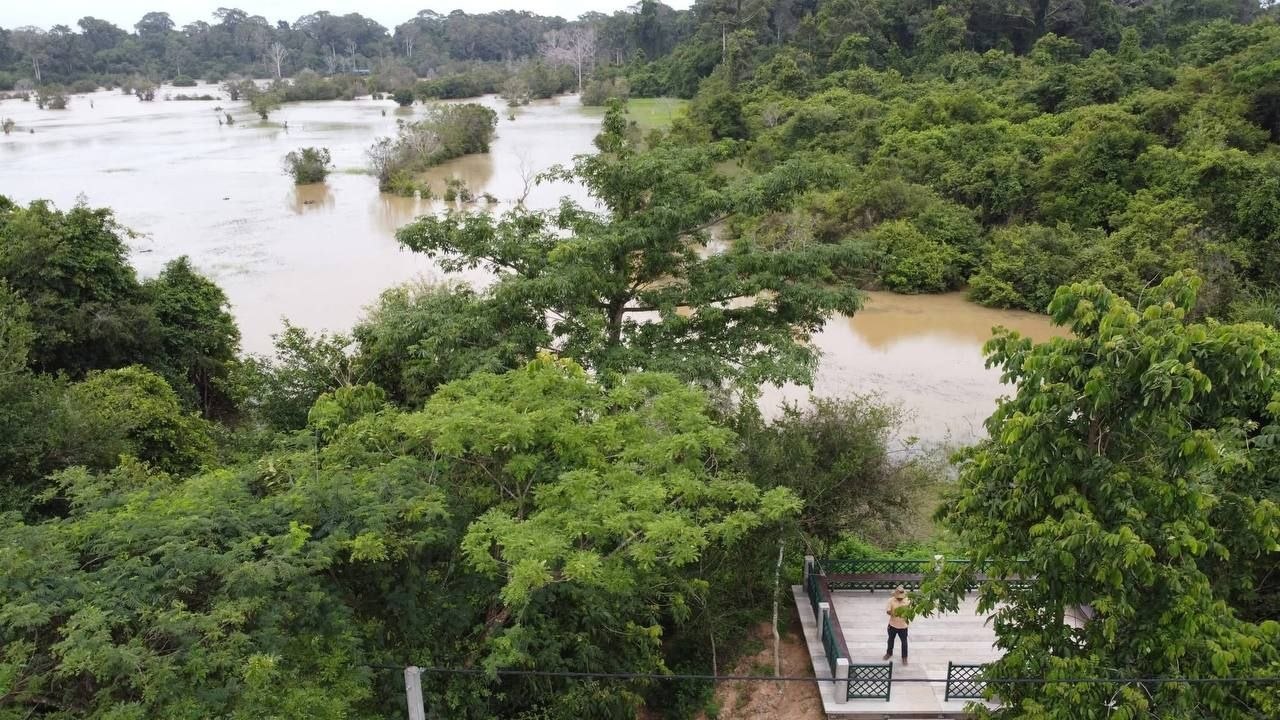
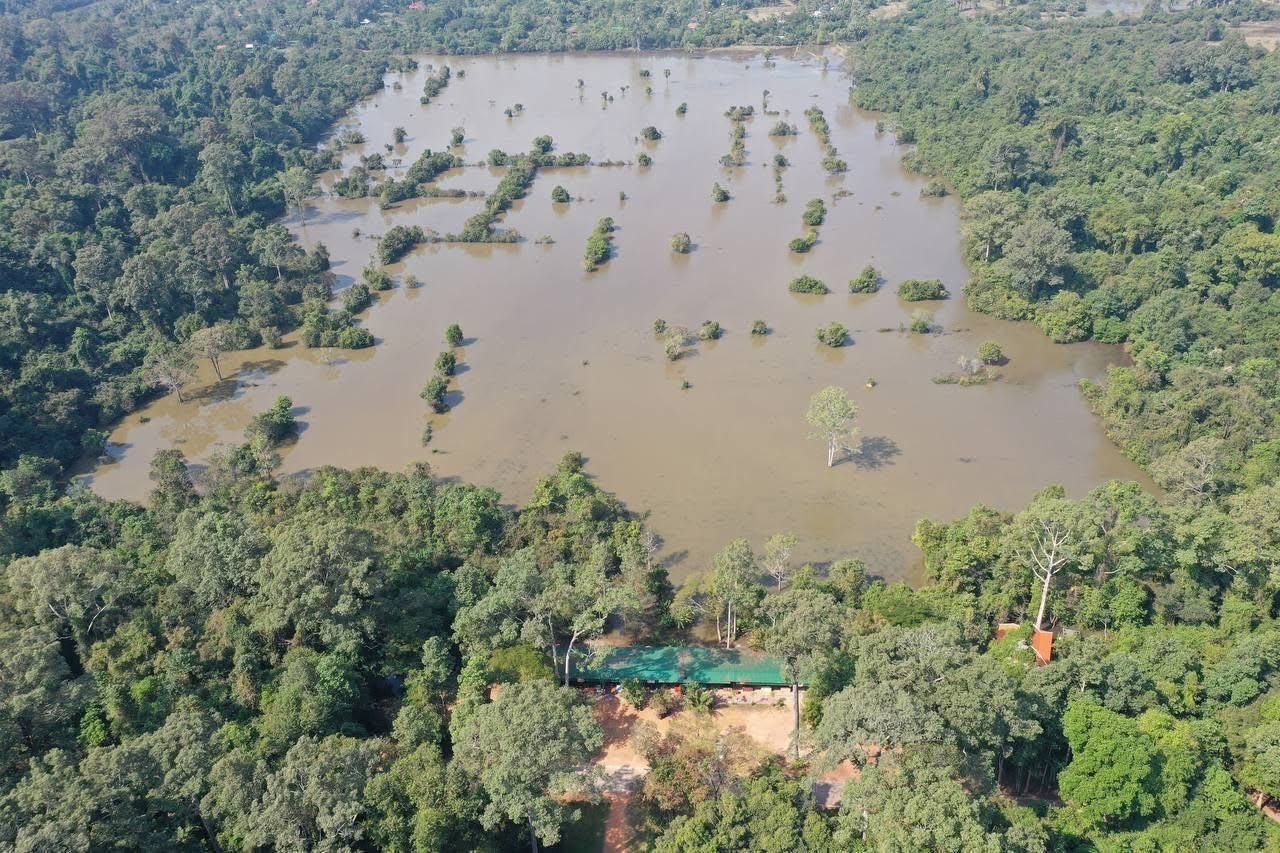
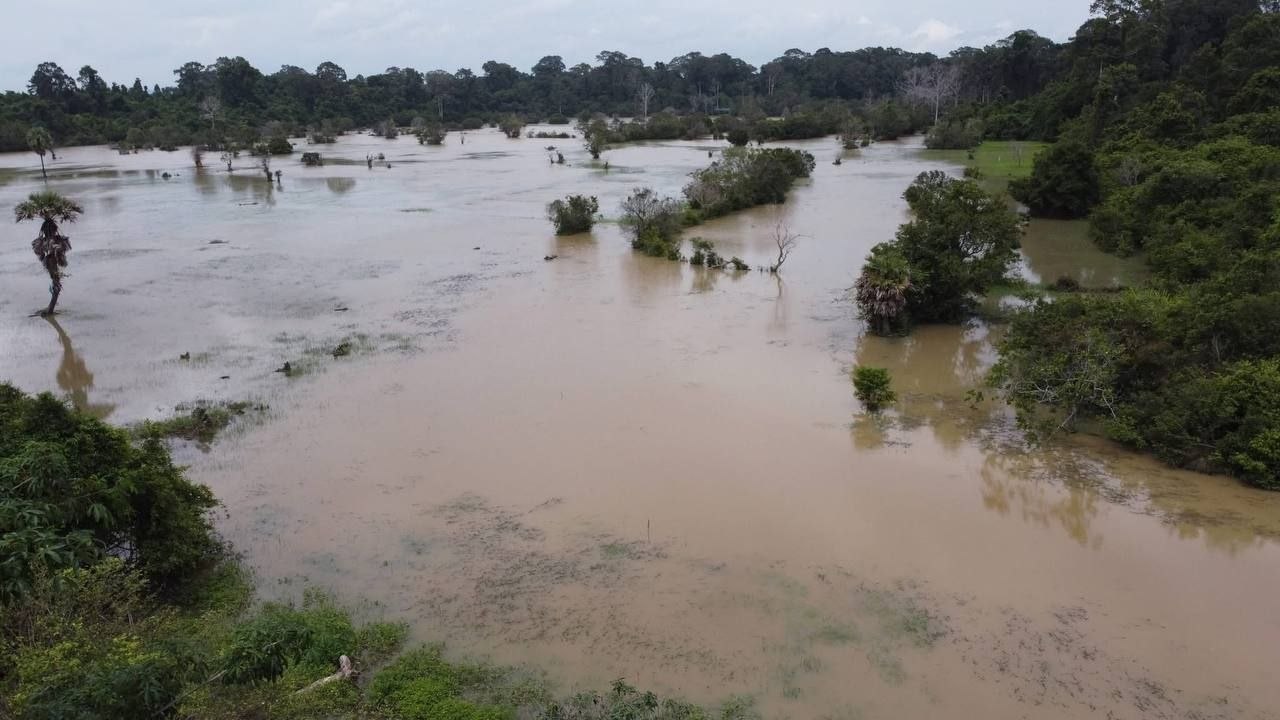
Conserving and restoring the cultural heritage of Tonle Snguot Temple (ប្រាសាទទន្លេស្ងួត) connects its past with its future. In an account dated April 22, 2026, the APSARA National Authority says restoration of the ancient dam and water system has brought water back to the reservoir whose name means 'dry river', giving it a maximum storage capacity of 770,000 cubic metres. The authority says renewed water storage helps maintain soil moisture and the stability of the temple's foundations, improves the landscape and green environment, and provides water for nearby agriculture and daily life.
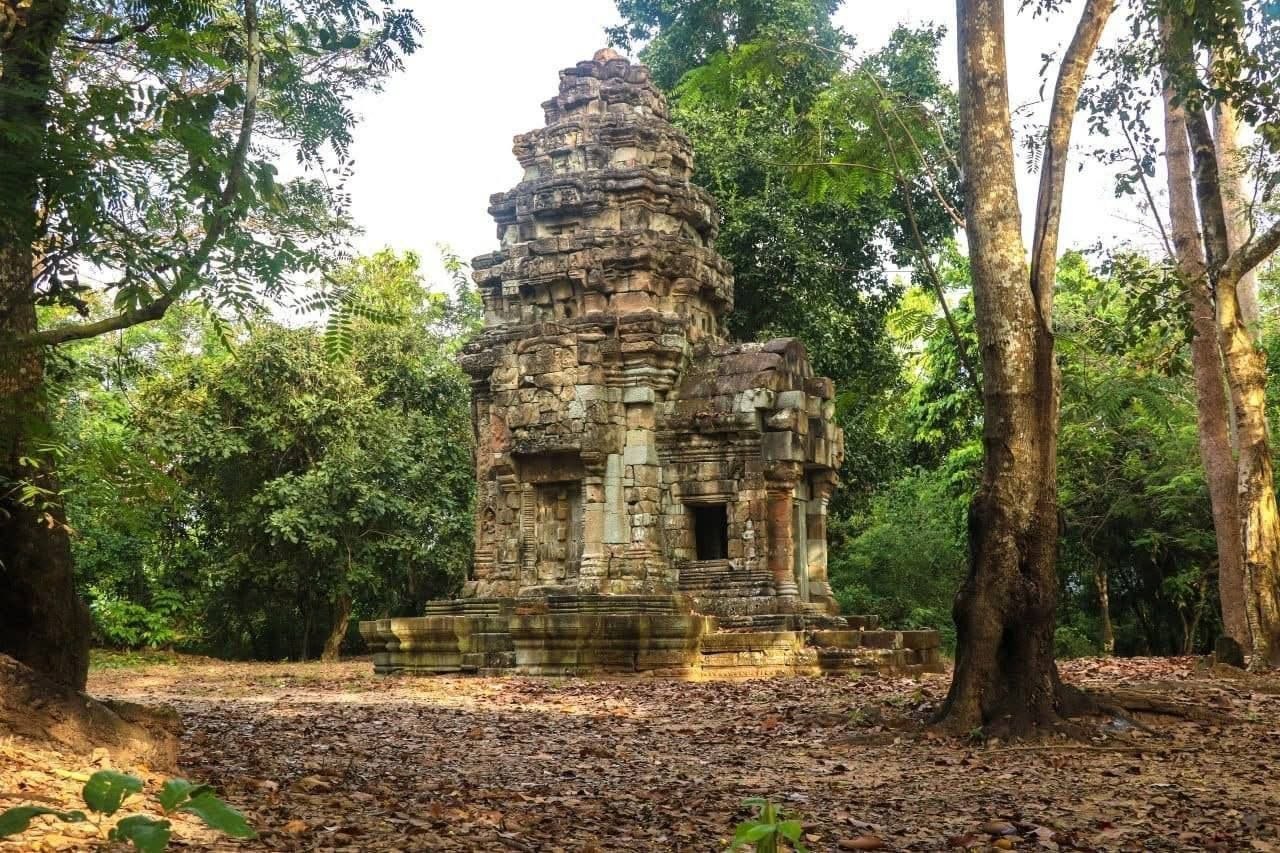
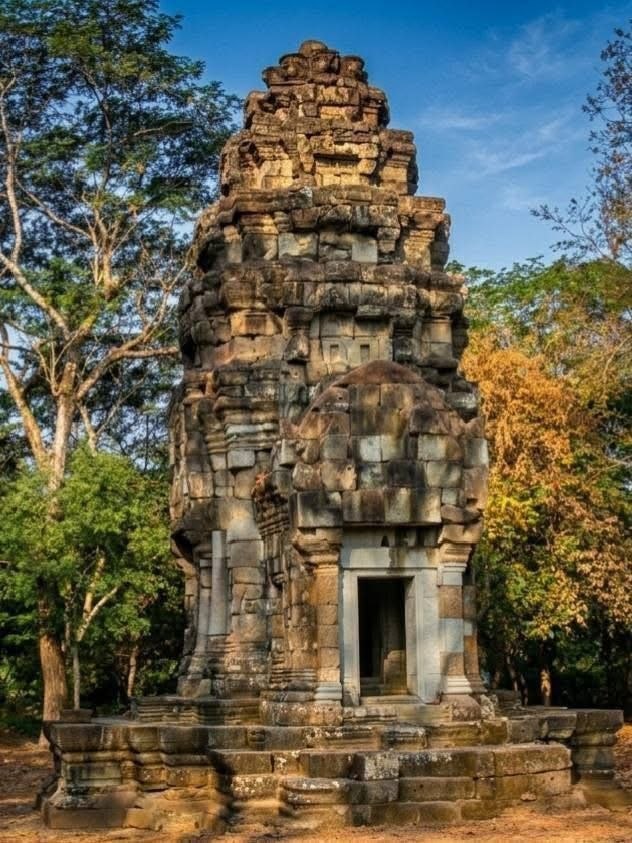
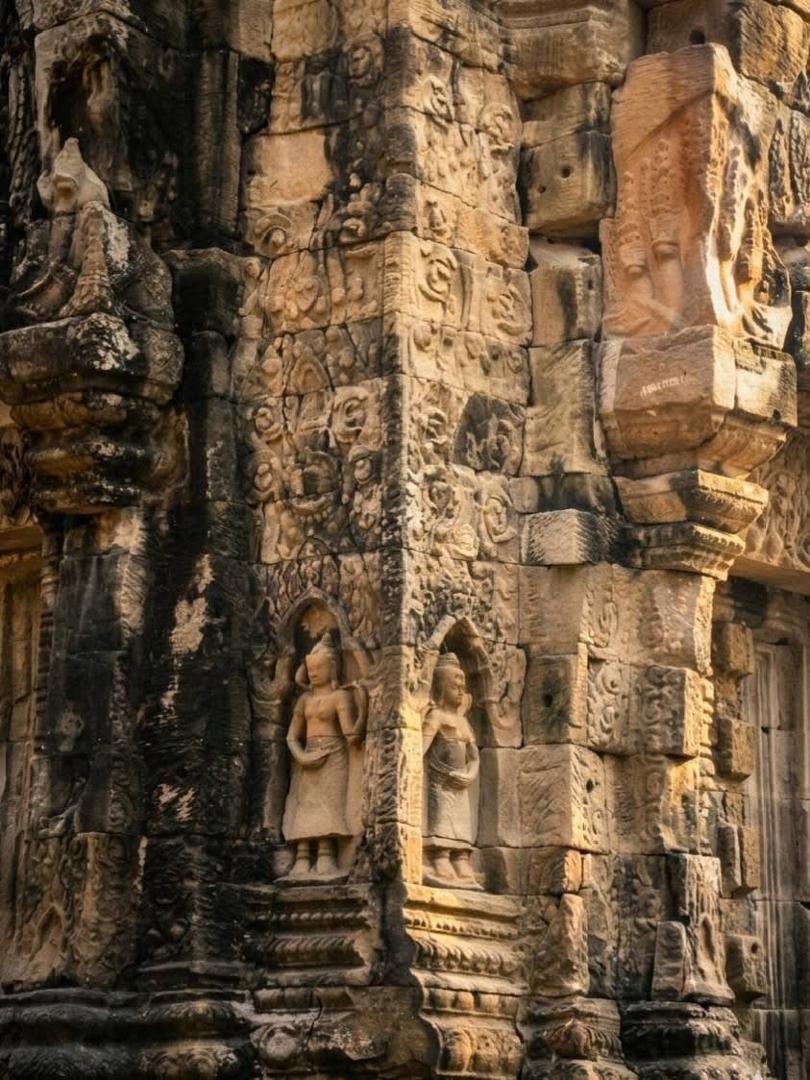
According to the APSARA National Authority, Tonle Snguot Temple embodies Jayavarman VII's legacy of compassion. It was one of 102 arogyasala, or hospitals, built in the late 12th and early 13th centuries in the Bayon style. The site served as both a sacred sanctuary and a treatment facility for communities in northern Angkor.
The temple stands north of Angkor Thom in Nokor Krao Village, Sangkat Kork Chak. Built of sandstone and laterite, its central shrine faces east toward a reservoir approximately 800 metres long and 400 metres wide, now known as Tonle Snguot.
Following severe deterioration attributed to natural causes, the temple underwent restoration in stages:
Phase 1 (2019–2020): The APSARA National Authority repaired and reinforced the weakened stone structure.
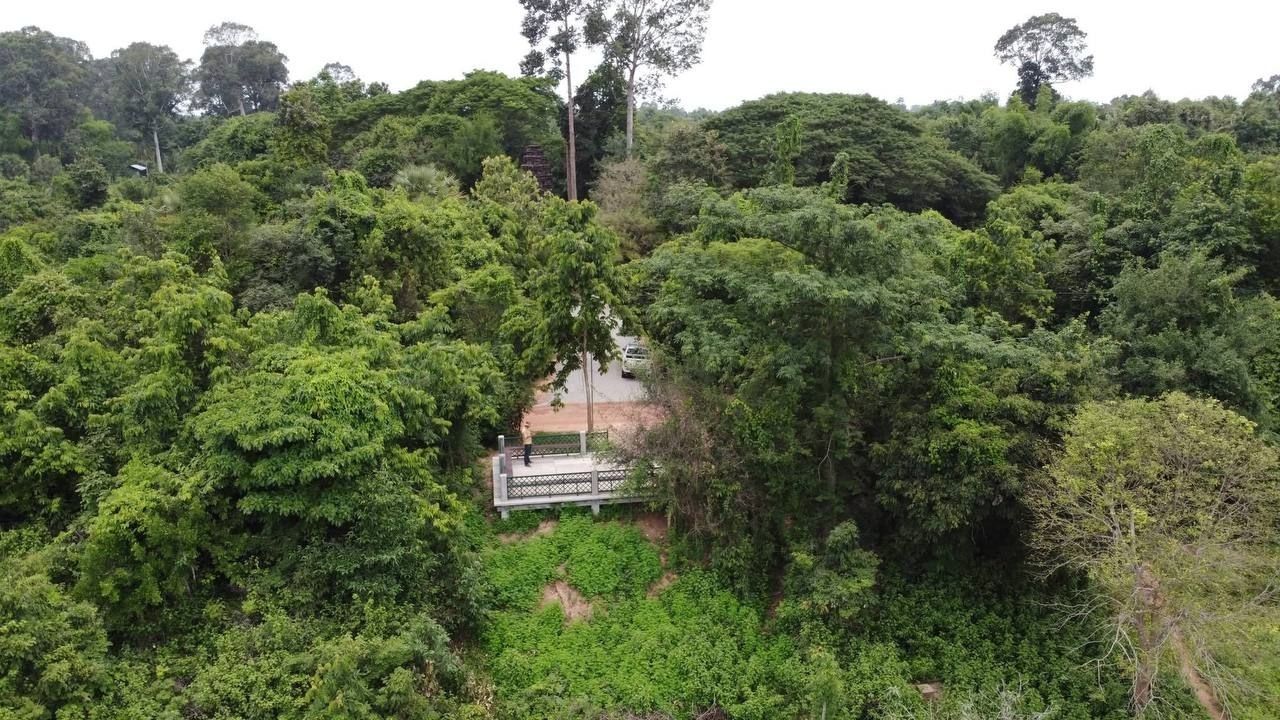
Phase 2 (2025): Through cooperation with New Zealand under the Angkor Water Resilience project, sections of the ancient dam and nearby ancient roads were rehabilitated. A viewing platform was also built for the local community and visitors. Written by Pai Sokhim