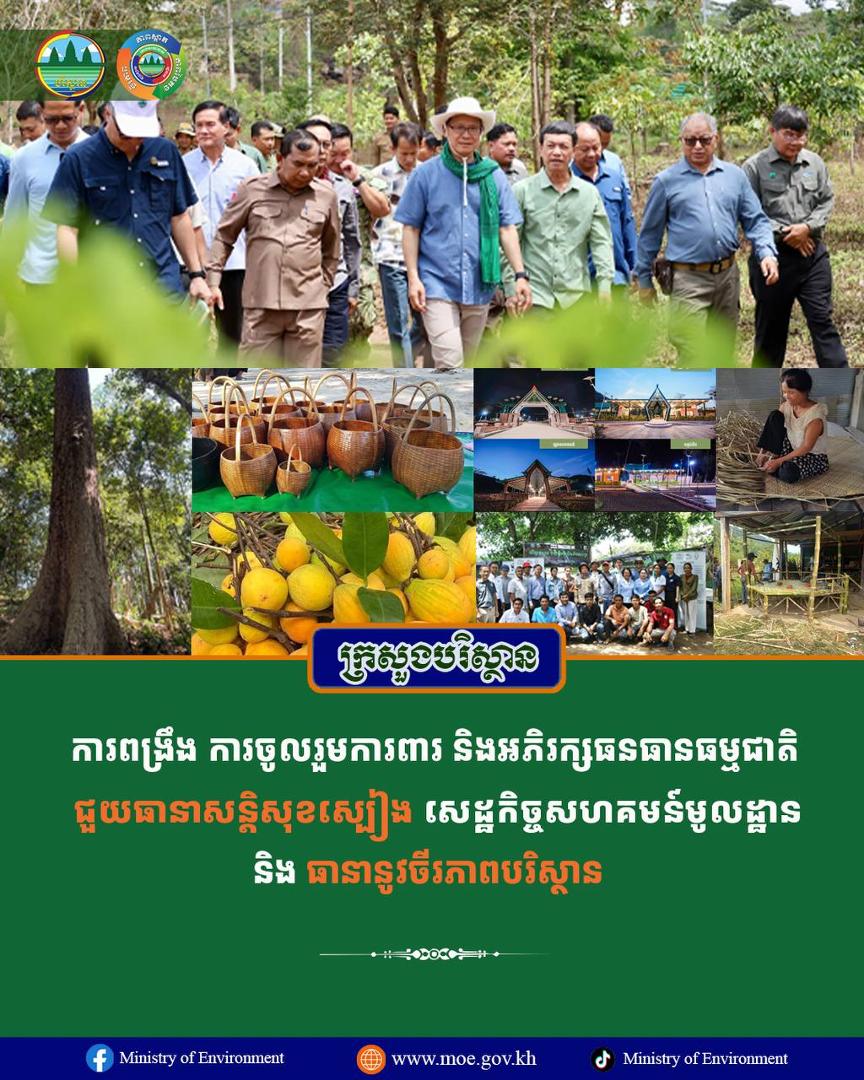
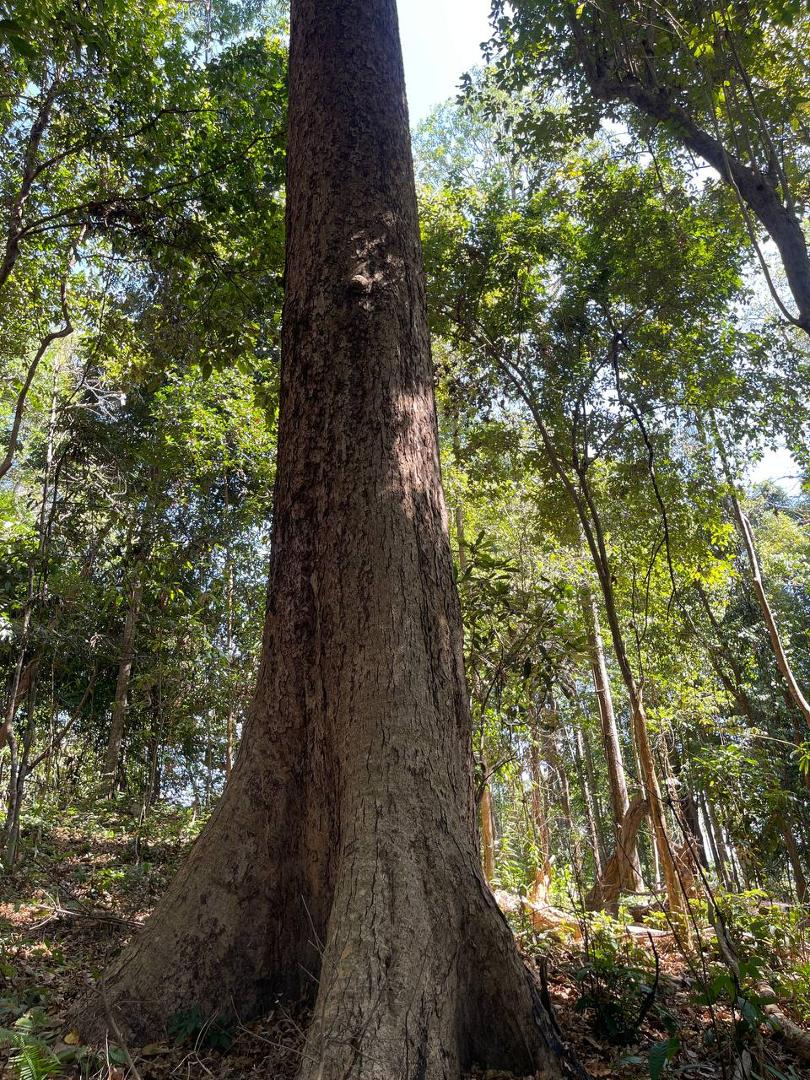
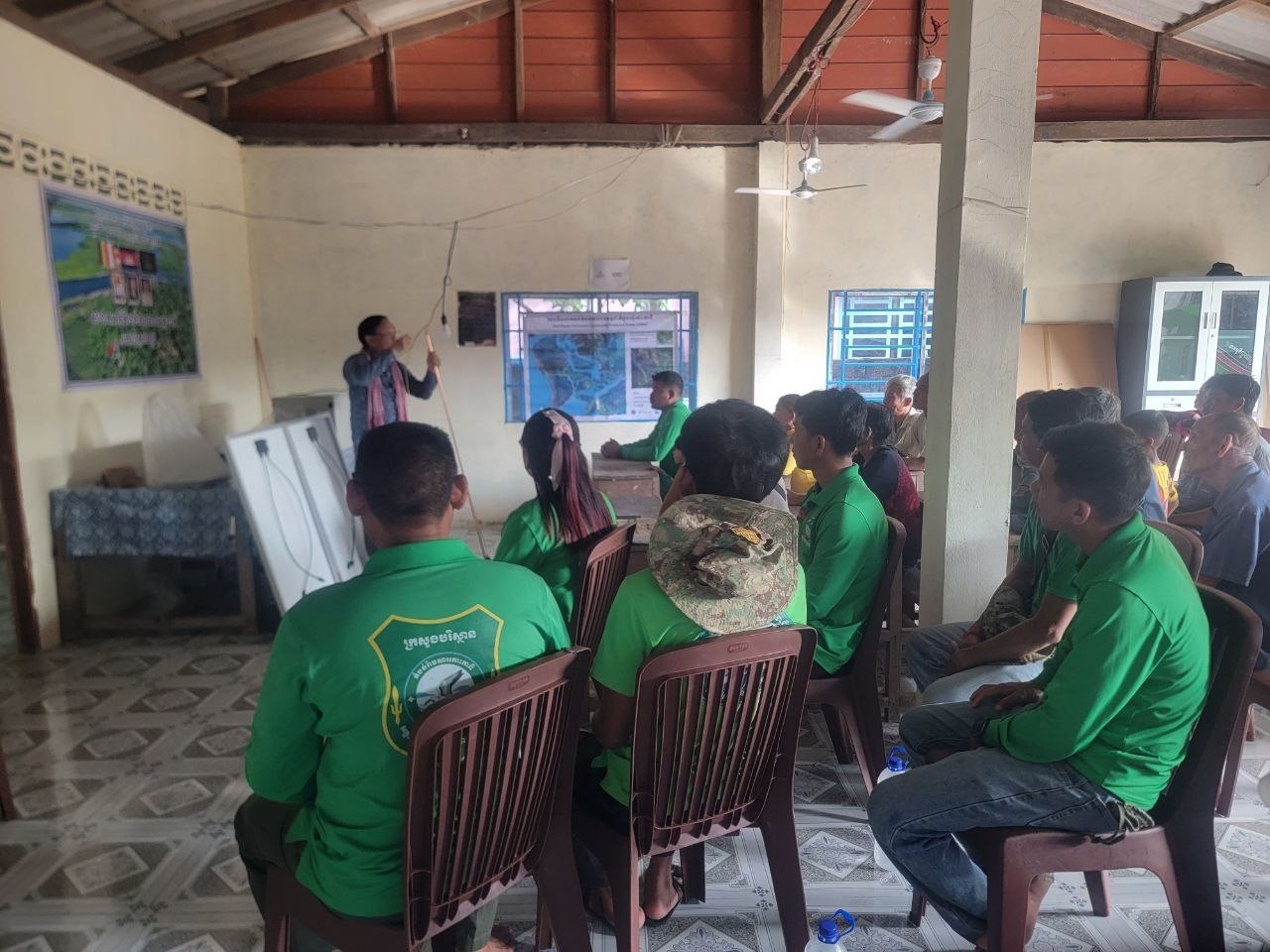
Local community participation in protecting and conserving natural resources is helping strengthen food security, increase residents’ incomes and ensure environmental sustainability.
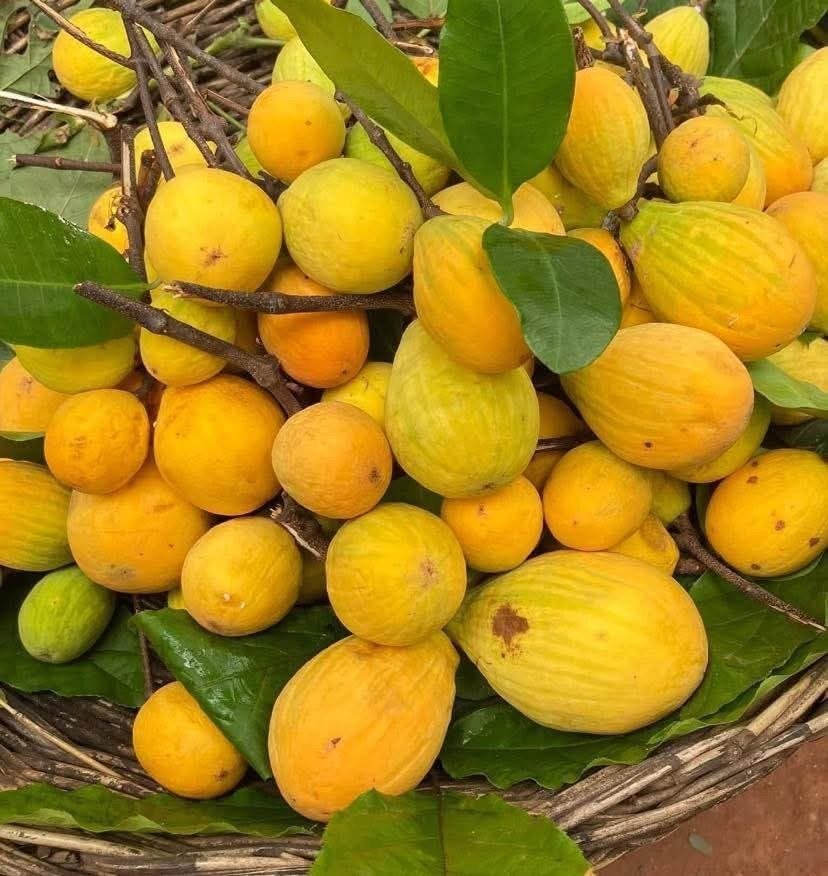
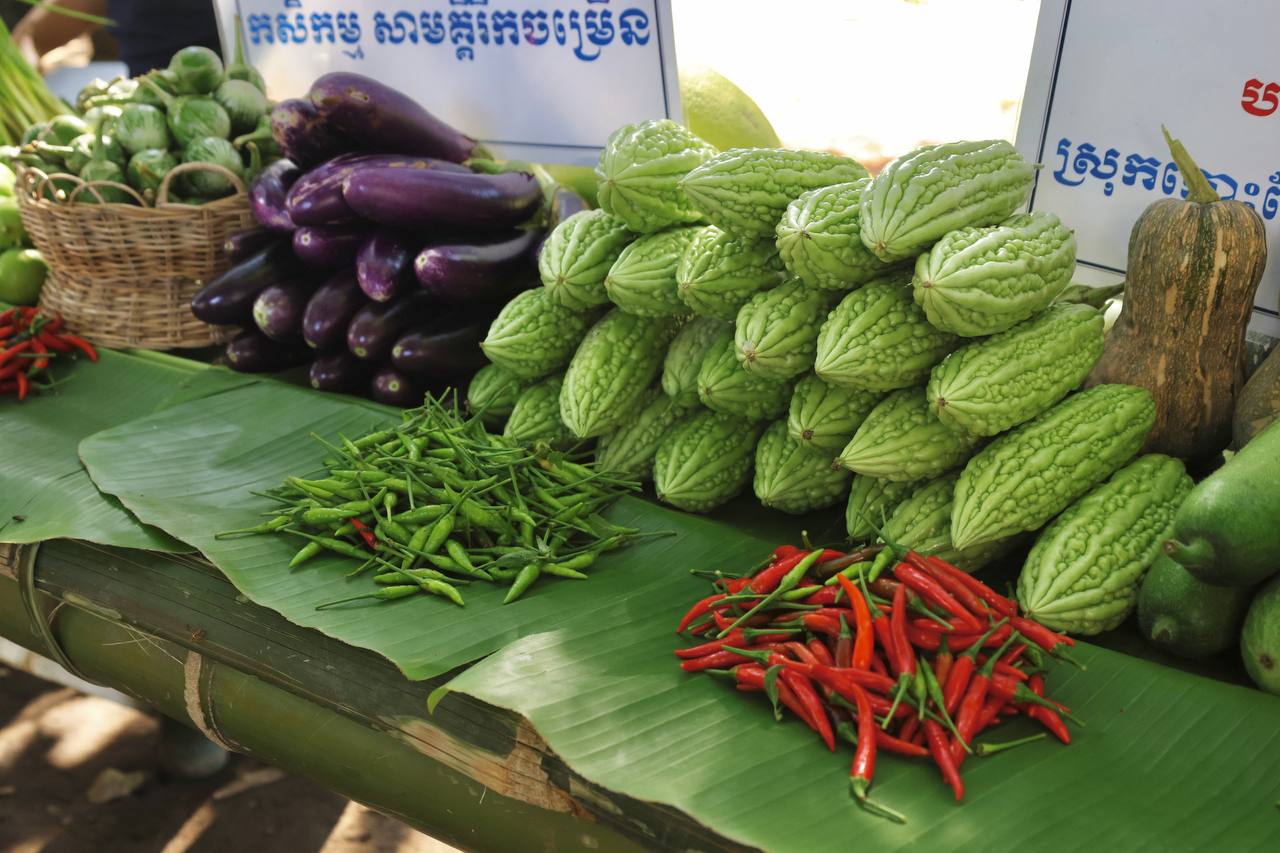
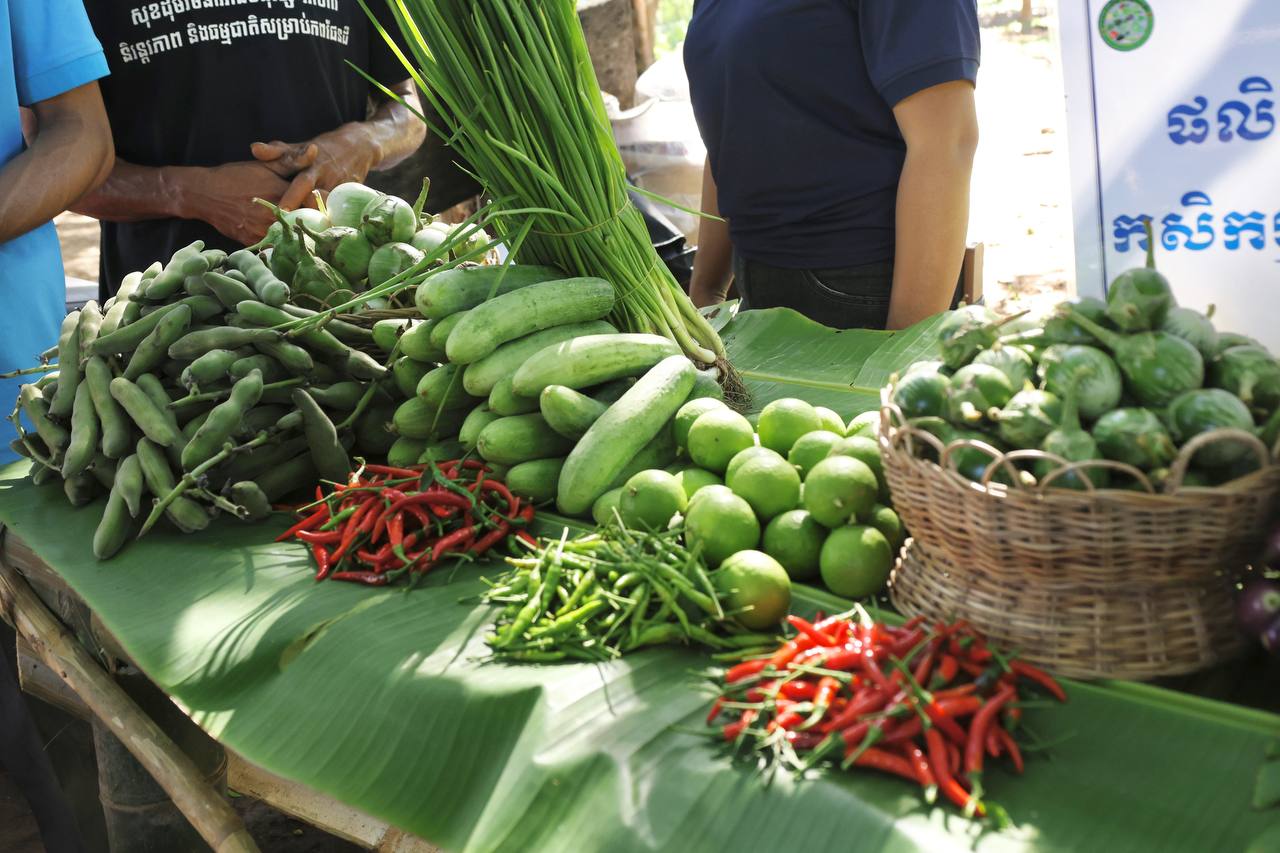
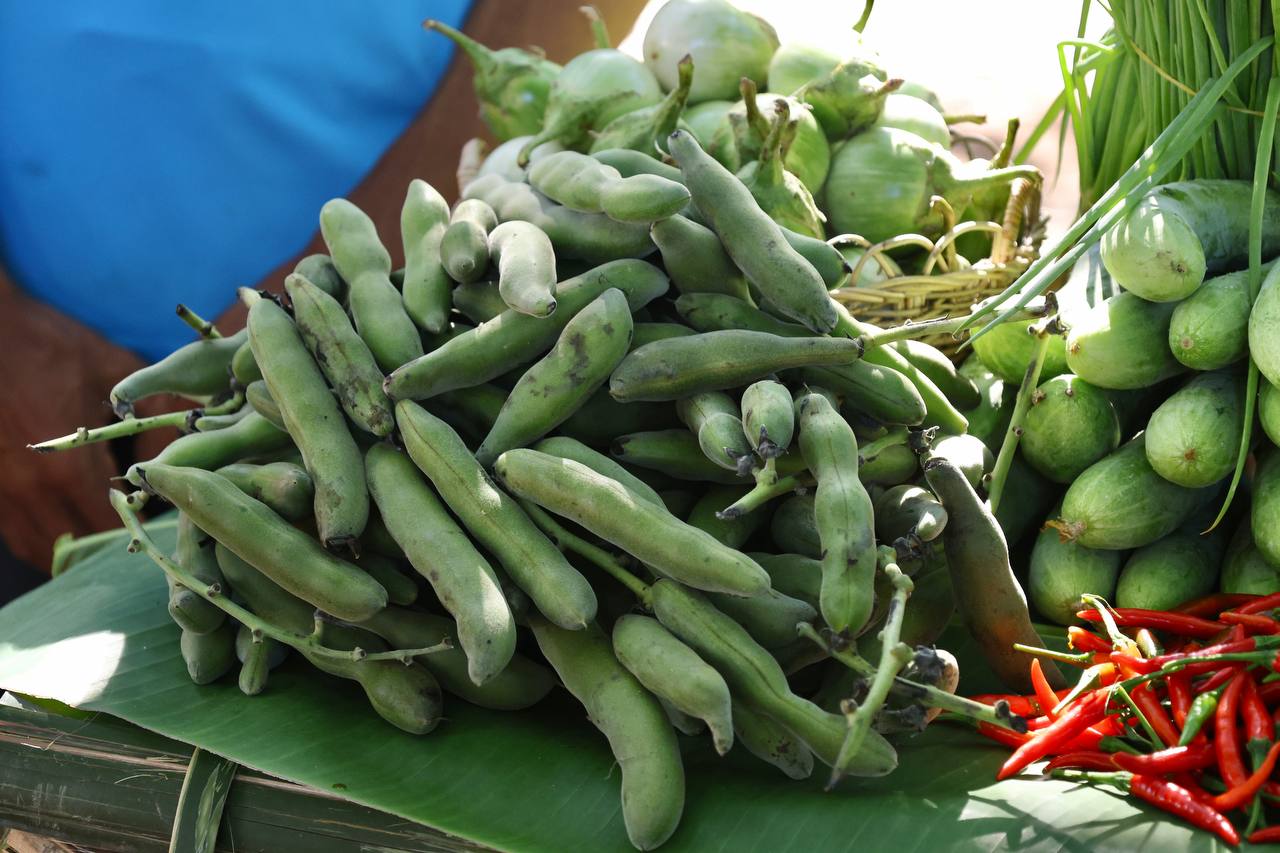
According to the Department of Community Livelihoods under the Environment Ministry’s General Directorate of Local Communities, residents earned about $700,000 in 2025 from non-timber forest products and natural resources, including សំរ៉ង, ផ្សិតប៉ប៉ក់, ផ្សិតក្ងោក, honey, ផ្លែគុយ and tree resin.
As of 2026, Cambodia has 194 community protected areas with more than 73,000 member households, helping manage a combined forest area of more than 330,000 hectares.
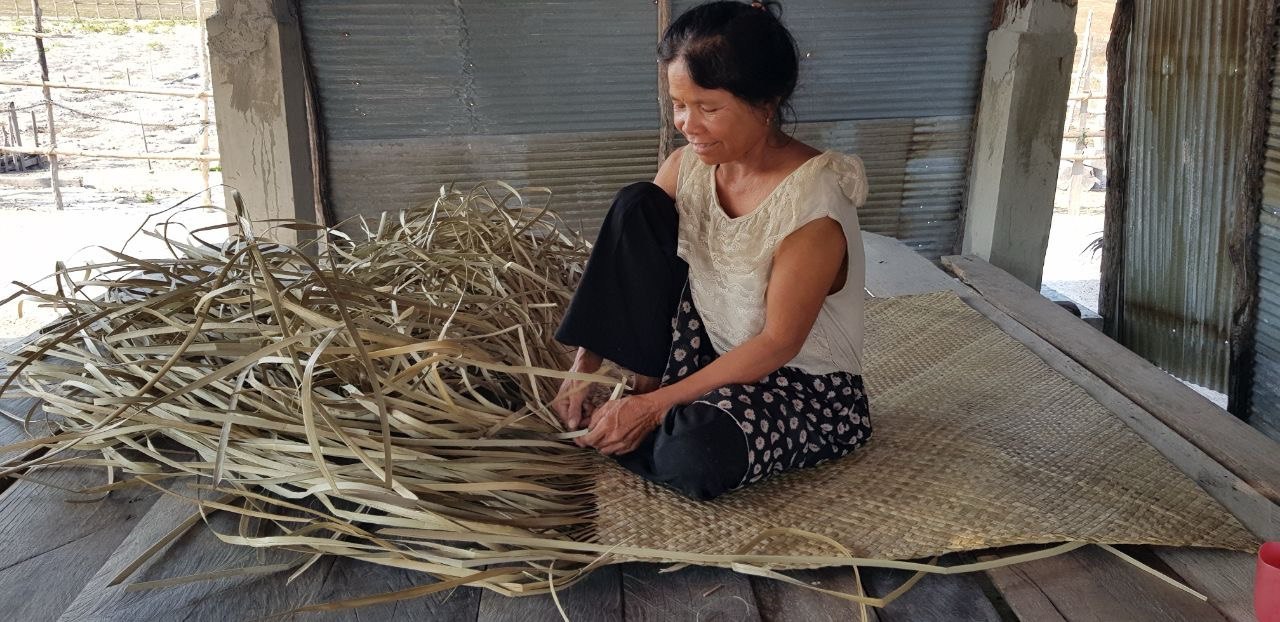
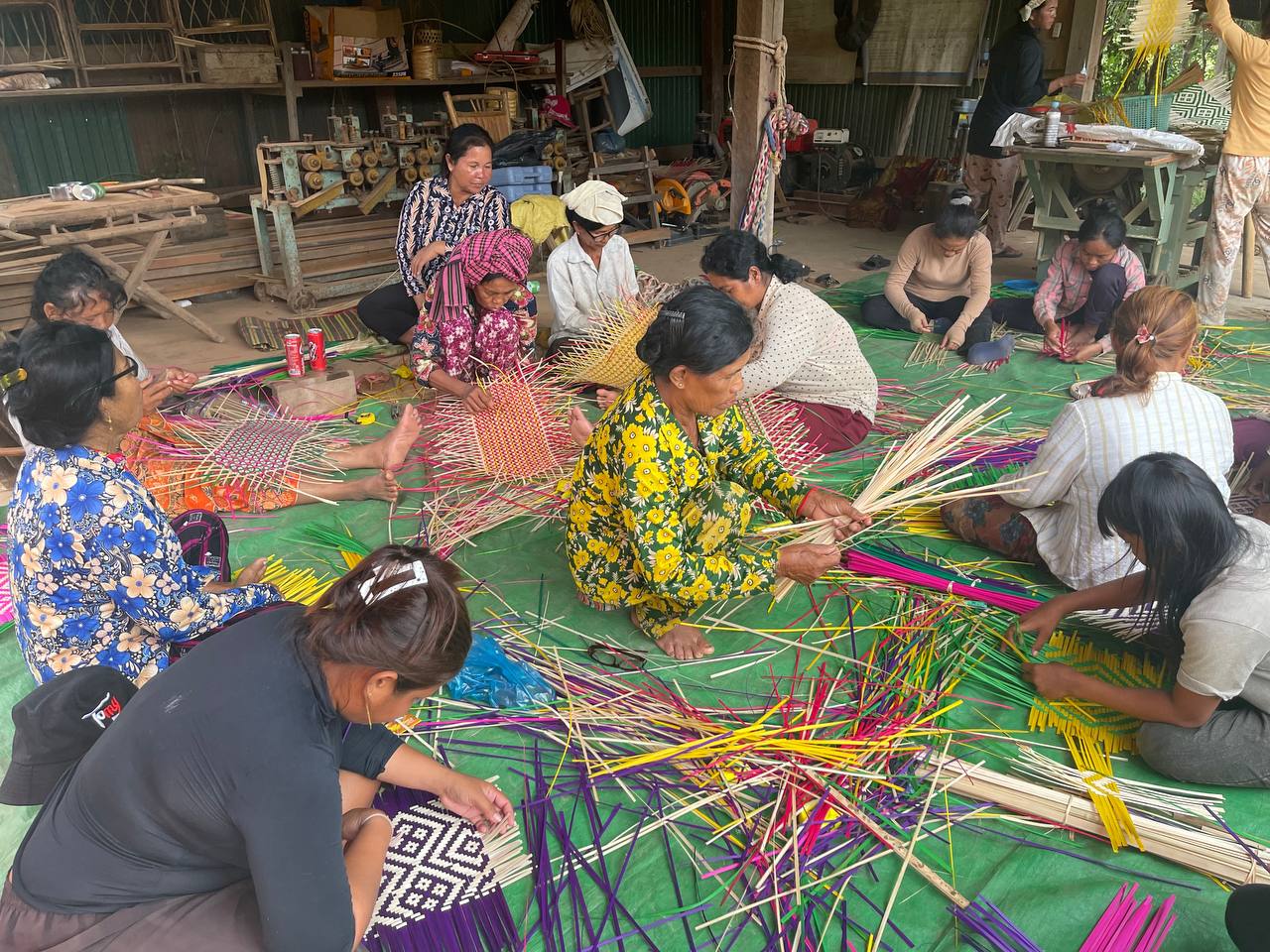
Seven communities in Kampong Chhnang, Kampong Speu and Koh Kong provinces are also conserving bamboo sustainably in cooperation with the private sector and have earned about $12,500.
Ecotourism is also growing, with 53 communities having potential for green recreation development. In the first five months of 2026, 38 communities attracted more than 340,000 domestic visitors and over 6,000 international visitors, generating more than $300,000 in direct admission revenue and creating about 4,400 jobs.
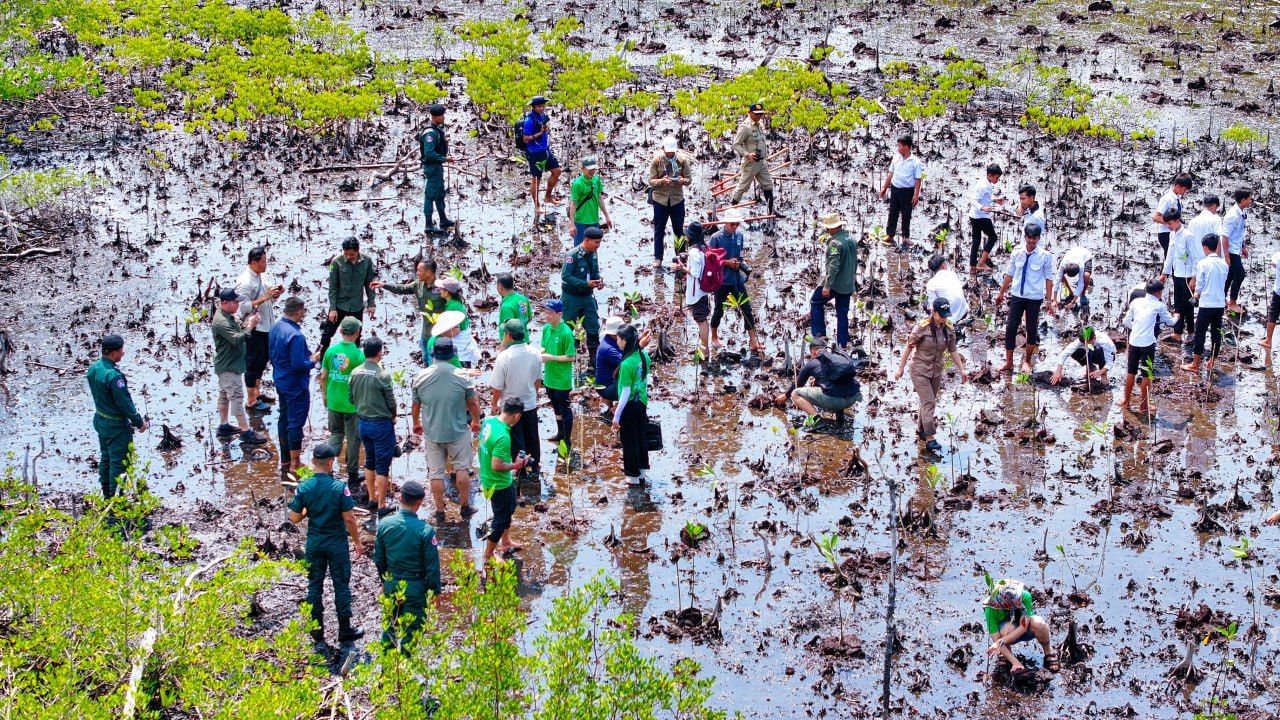
These communities have also helped implement the Circular Strategy on Environment through the “Clean Cambodia, Khmers Can Do It” campaign and the “Green Sprouts” movement, planting more than 235,000 trees across over 7,500 hectares.
The Ministry of Environment said stronger law enforcement and community participation are key factors in protecting natural resources, maintaining ecosystems and sustainably improving livelihoods in line with Royal Government policy.
By: Pai Sokhim