At 12:01 a.m. U.S. Eastern time on July 24, 2026, the United States implemented differentiated additional tariffs on covered imports from 60 countries and territories under Section 301 of the Trade Act of 1974, invoking “forced labor” in supply chains as its justification. The earlier temporary import surcharge under Section 122 of that Act was scheduled in its original proclamation to remain in effect until that same time.
The measures use nominal rates of 10% and 12.5%, but do not impose the same additional rate uniformly on every economy. Seventeen economies, including Cambodia, the United Kingdom and Malaysia, are assigned an additional 10% rate. For covered products from the European Union and Taiwan, the Section 301 duty is reduced by the most-favoured-nation duty so that the combined rate reaches 10%; no additional Section 301 duty applies where the MFN rate is already 10% or higher. For covered products from Japan, South Korea and Switzerland, the same mechanism uses a 12.5% combined-rate threshold. The remaining 38 investigated economies are assigned an additional 12.5% rate, subject to the applicable exemptions. The United States says the economies concerned have failed to adequately prevent the circulation of products involving forced labor, affecting American workers’ interests.
The new rules provide several exemptions. To qualify for the in-transit exemption, goods must have been loaded at the port of loading and in transit on the final mode of transport before 12:01 a.m. U.S. Eastern time on July 24, 2026, and must be entered for consumption, or withdrawn from warehouse for consumption, before 12:01 a.m. Eastern time on July 28. Whether goods such as steel, aluminum, vehicle parts, petroleum, natural gas, fertilizers and agricultural or livestock products qualify for exemption depends on the specific tariff classifications and applicable conditions in the notice; a broad product category alone does not establish eligibility.
Previously, on February 20, 2026, the U.S. Supreme Court held in the consolidated Learning Resources v. Trump cases that the International Emergency Economic Powers Act (IEEPA) does not authorize the President to impose tariffs. The ruling concerns the scope of IEEPA and should not be read as rejecting tariff authority under all other statutes. The July measures were implemented under Section 301 of the Trade Act of 1974, a different statutory basis from the earlier temporary surcharge under Section 122.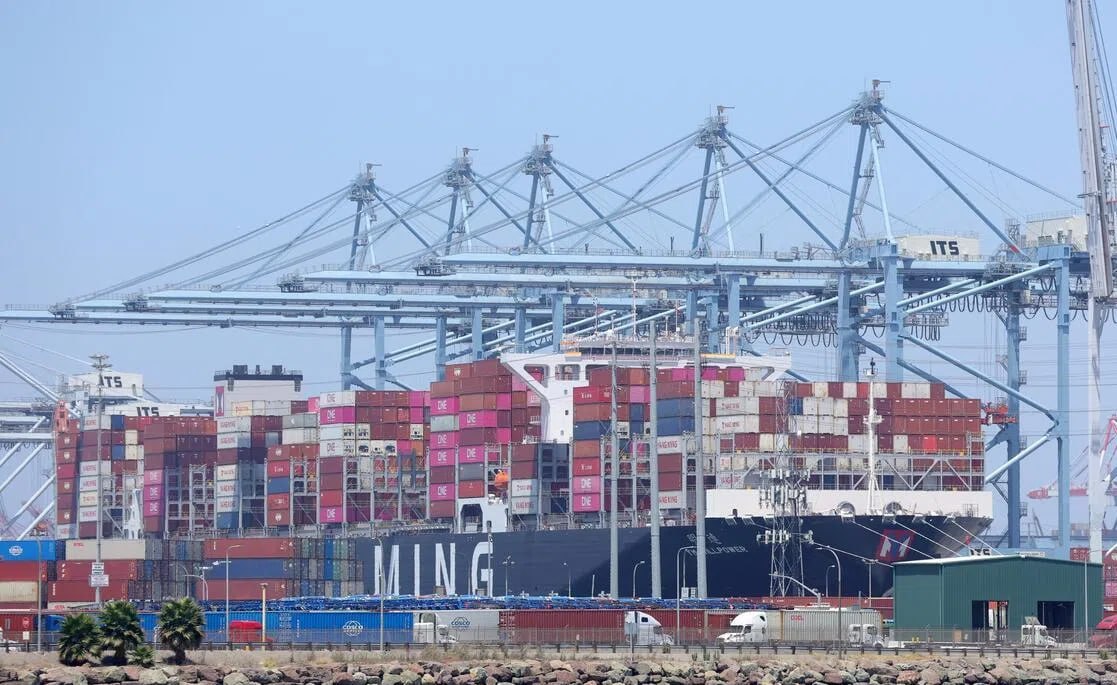
U.S. applies Section 301 tariffs to 60 economies; Cambodia faces an additional 10%
KPS99TVRead original
Summary
U.S. Section 301 tariffs took effect on July 24 for 60 economies. Cambodia faces an additional 10%, while specified economies receive MFN offsets and exemptions carry conditions.