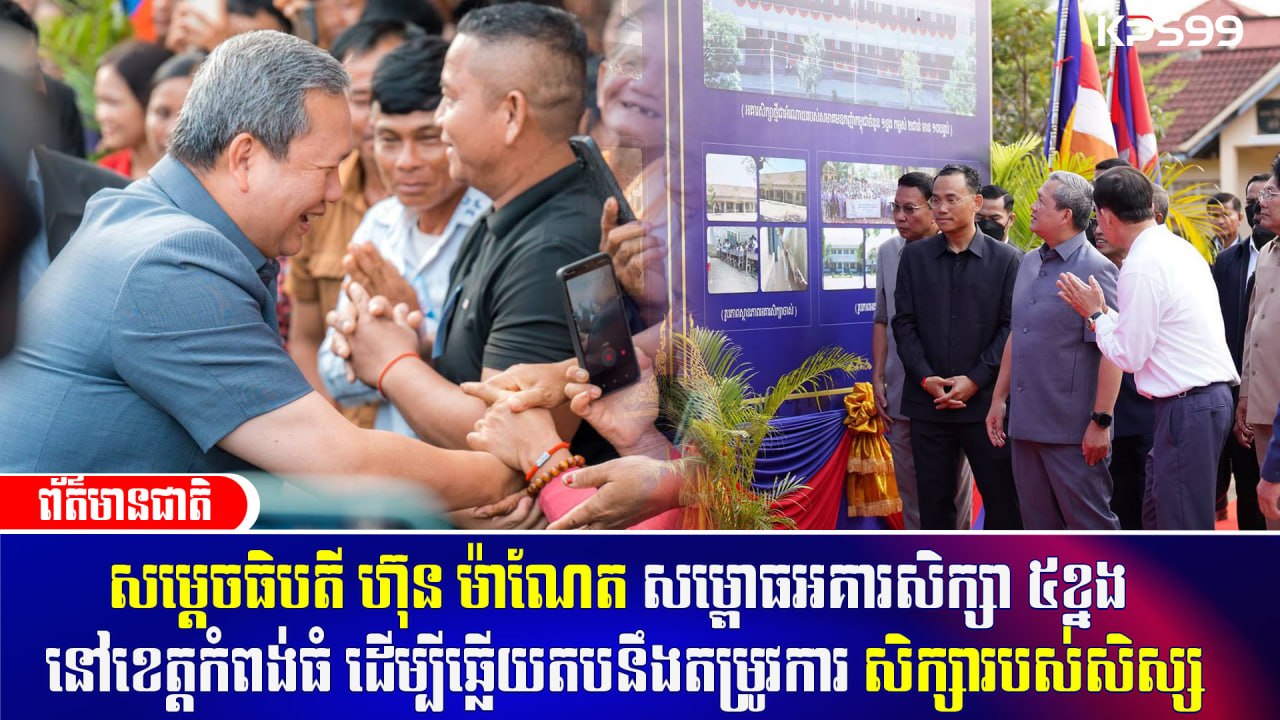
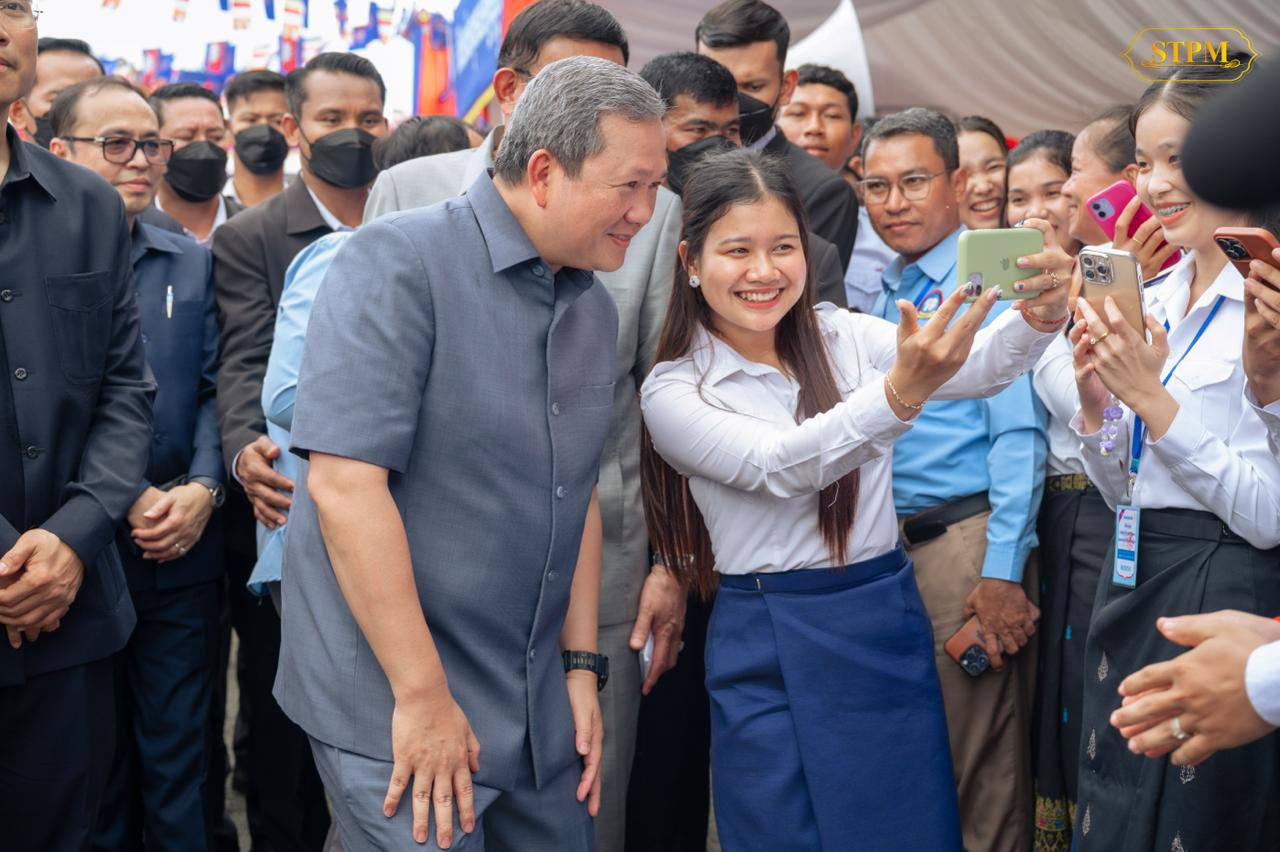
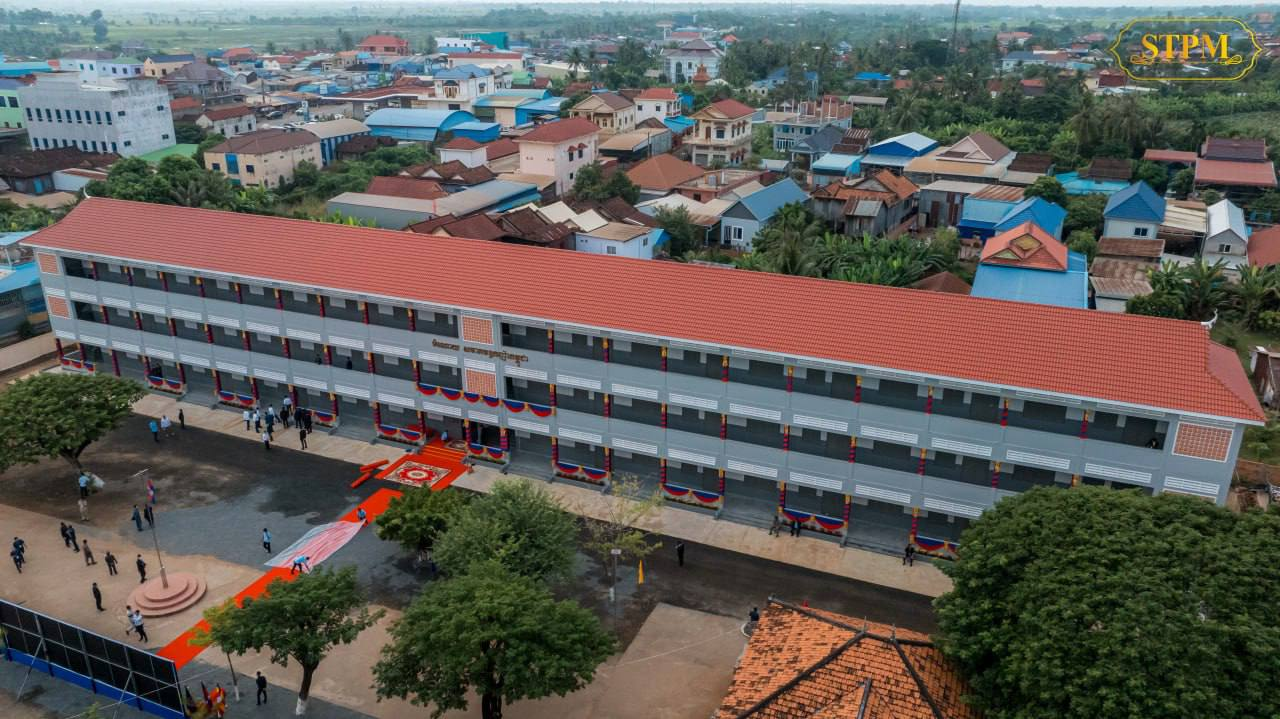
Cambodia has announced further directions for education reform. At a ceremony inaugurating school buildings in Kampong Thom province on November 3, Prime Minister Hun Manet discussed digital education, students’ classroom phone use and longer teaching hours, outlining several areas for reform that could lead to adjustments in public school teaching.
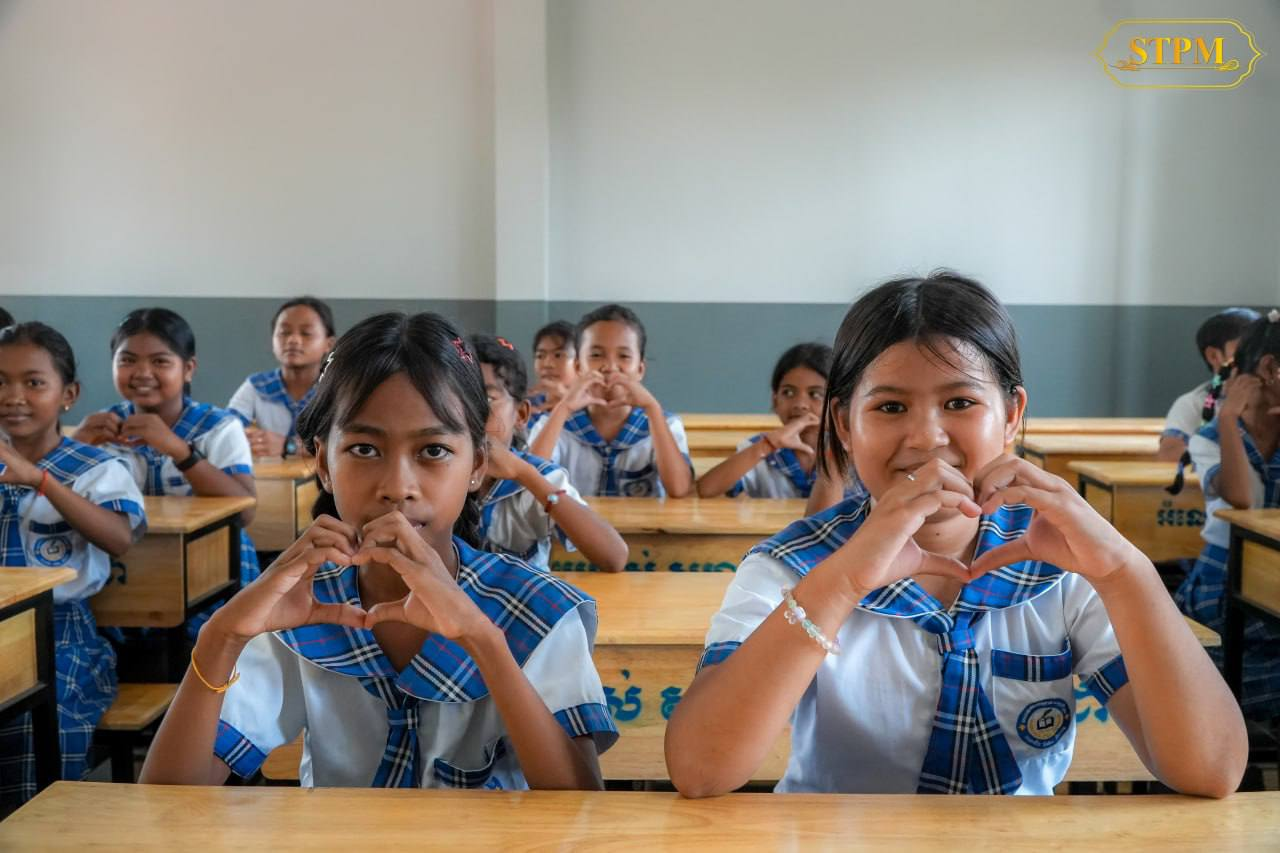
Hun Manet said digital technology and artificial intelligence could support students’ learning but could not replace teachers or entirely replace printed textbooks. He stressed that schools should continue to value traditional reading and education in foundational knowledge while advancing digital teaching, avoiding excessive dependence on electronic devices that could affect students’ concentration and ability to think independently.
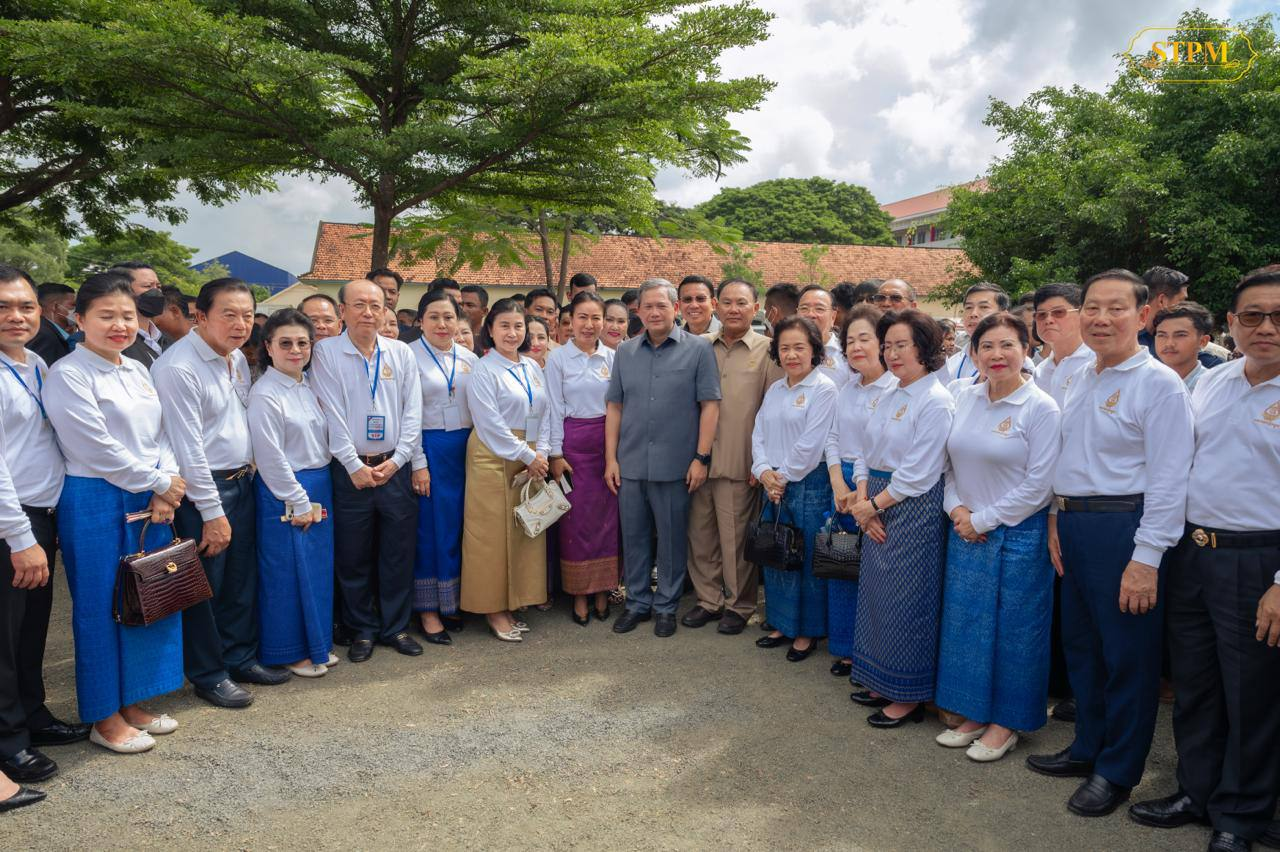
On phone use, Hun Manet called for a study of measures to restrict students’ classroom phone use, with implementation in the 2026–2027 school year if feasible. Students must not use phones freely during lessons without their teacher’s permission; an exception may be made when a teacher arranges their use for teaching or study and research. The main aim is to reduce phones’ disruption of classroom learning.
The government also plans to introduce six hours of teaching a day in stages. Public schools currently usually provide four hours a day, which will gradually increase to six. The first phase plans to select about 200 schools with suitable conditions for a pilot, extending learning time through a “four hours plus two” approach and strengthening mathematics, Khmer language, science and moral education.
Hun Manet noted that the country has a large number of schools, so reform cannot be implemented all at once and must proceed gradually according to the availability of school buildings, teachers and teaching resources.
This means Cambodia’s future public education will place greater emphasis on classroom discipline, foundational knowledge and teaching quality.